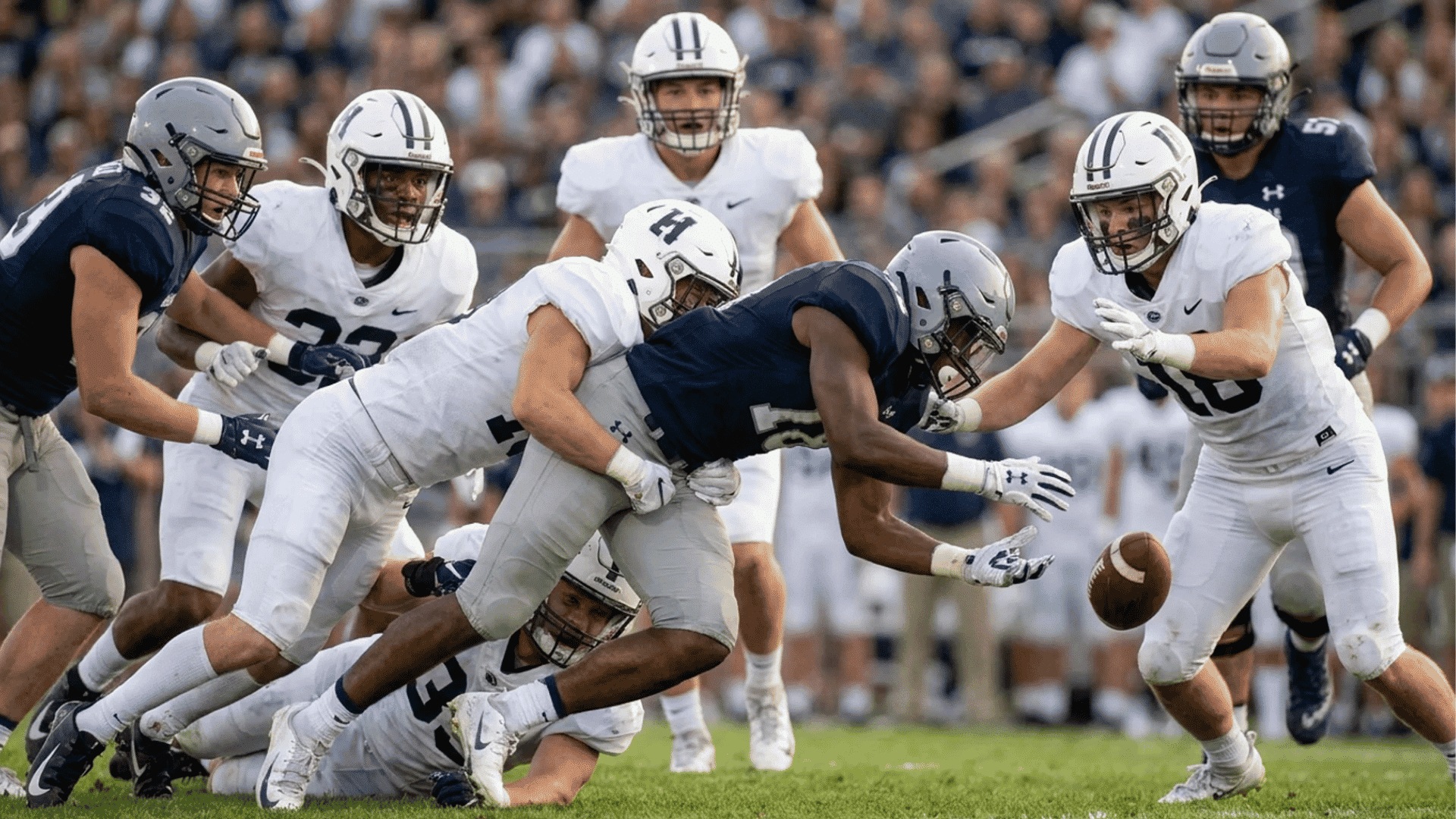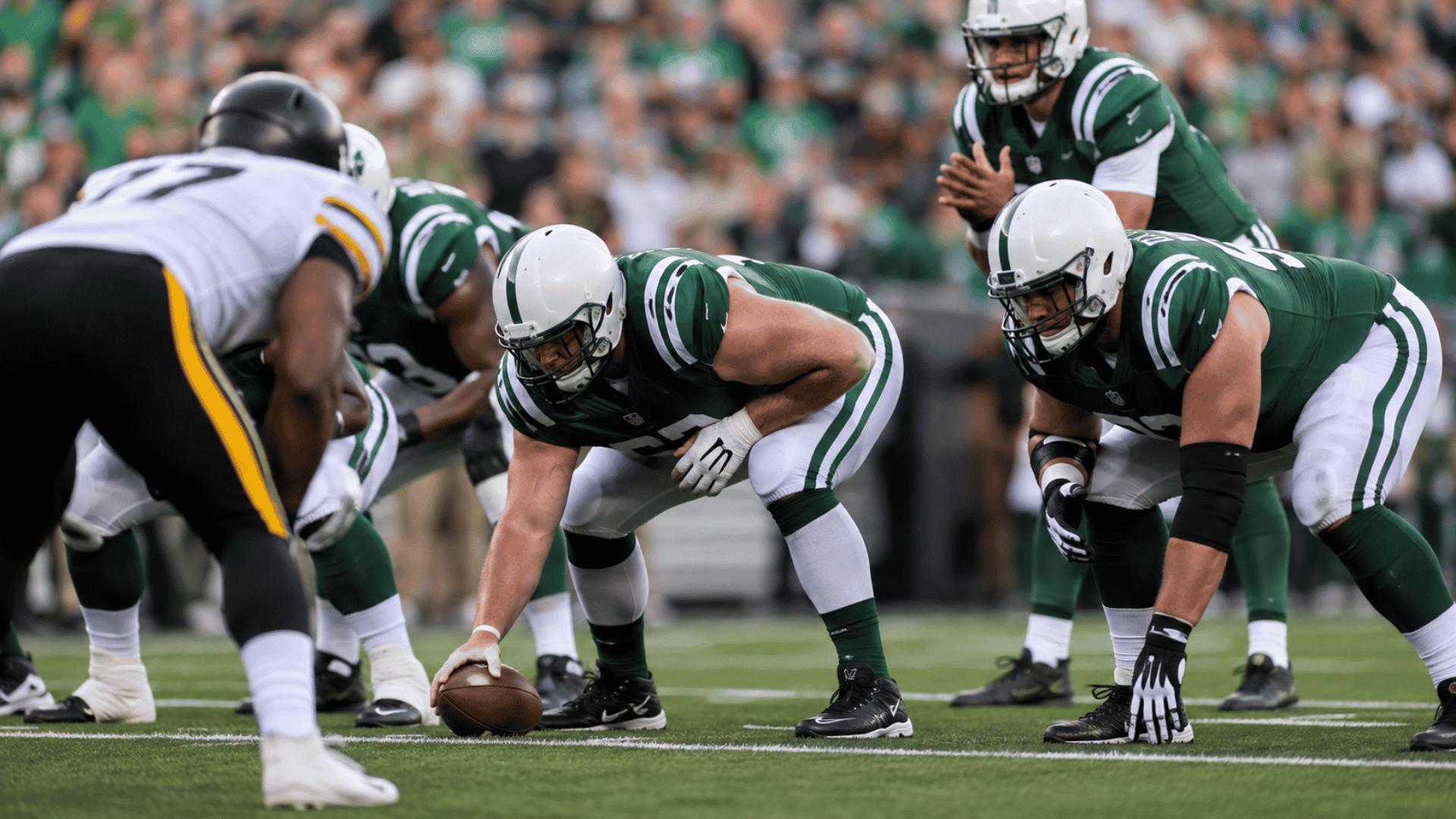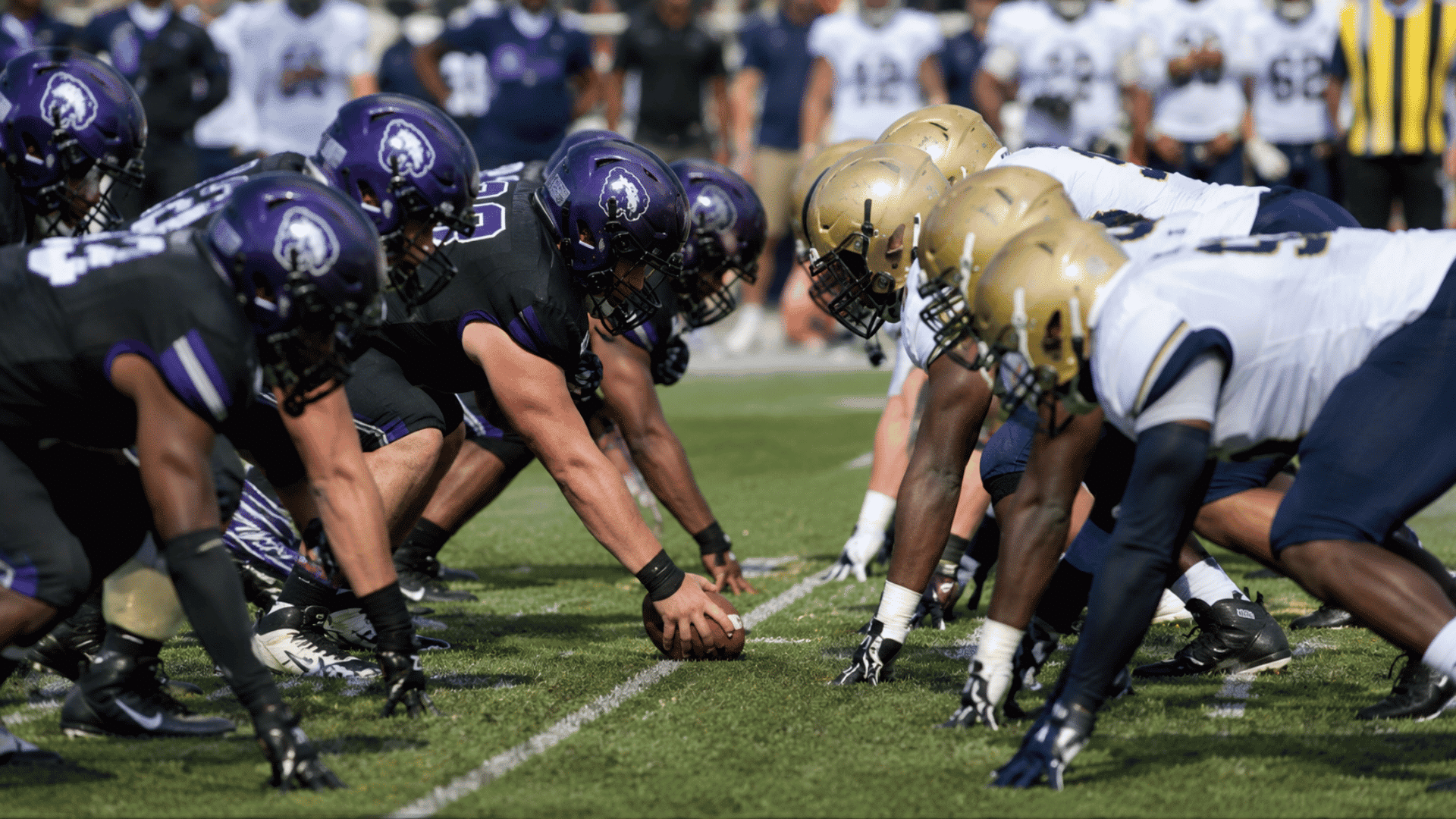

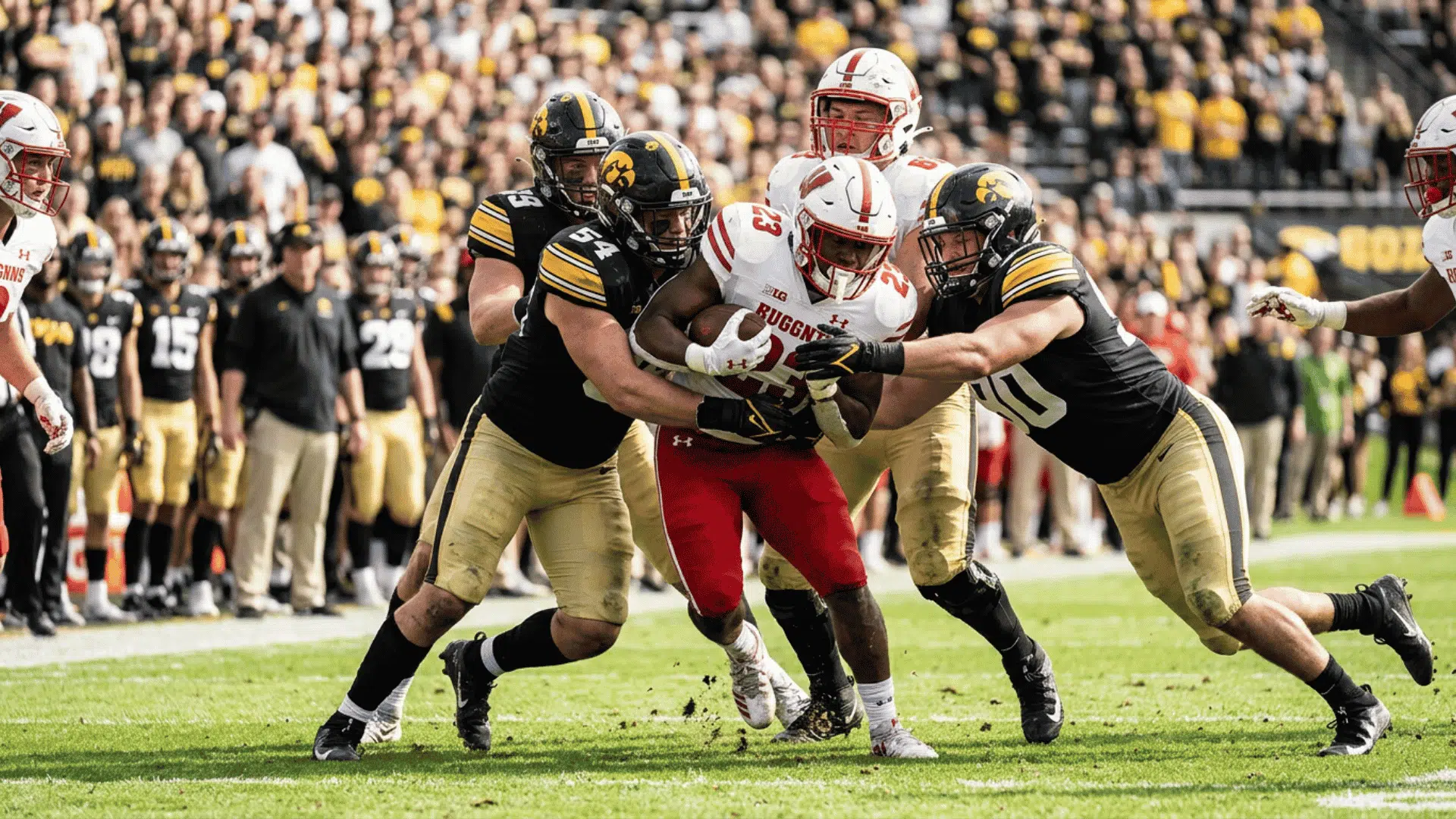

A quarterback has time to throw, and the running back sees a clear lane. Then a holding flag lands near the line, and the gain is gone. This is an example of holding.
Holding is when a player illegally grabs, hooks, or pulls an opponent without the ball. In the NFL, offensive holding costs 10 yards, and defensive holding costs 5 yards plus an automatic first down.
The hard part is telling a hold from a legal block, because both put a player’s hands on an opponent.
The penalty also differs between the NFL, college, and high school, which can be confusing. Let me break the term down for you!
What is Holding in Football?
Holding is the illegal use of the hands or arms to restrain an opponent who does not have the ball. The 2026 NFL Rulebook covers offensive holding in Rule 12, Section 1, Article 3(c).
It is a foul when a blocker uses his hands or arms to materially restrict or alter a defender’s path or angle of pursuit.
Officials judge it using:
Hand Placement: Are the player’s hands in a legal blocking position, or are they grabbing an opponent’s jersey or body?
Movement Restriction: Is the opponent being pulled, twisted, or prevented from moving naturally?
Effect on the Play: Does the contact stop an opponent from reaching the ball carrier or completing their assignment?
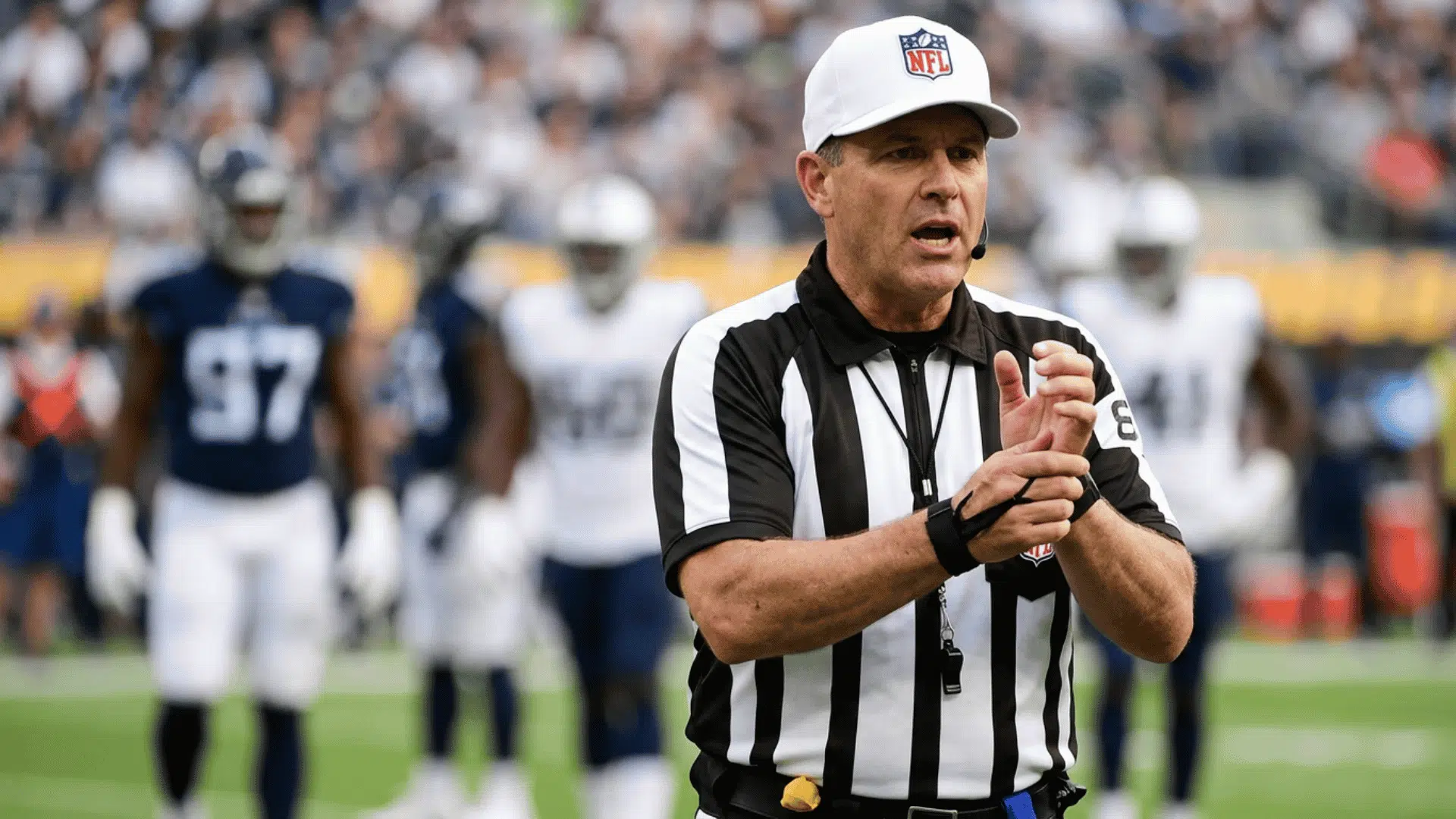
The official responsible for the area where the contact occurs may throw the flag. An NFL crew has seven on-field officials, and any of them can flag a hold in their area.
When is Holding Considered a Foul?
Not every instance of grabbing or physical contact results in a penalty. On the field, holding usually looks like one of these.
Grabbing the Jersey: Using a handful of jersey to hold an opponent in place.
Pulling an Opponent: Dragging a defender backward or sideways, away from the ball carrier.
Wrapping Around the Body: Locking both arms around an opponent, which is what officials call a bear hug.
Pulling an Opponent to the Ground: Taking a defender down instead of blocking him.
A defender who suddenly gets pulled backward or has their shoulders twisted can give an official a reason to examine the contact.
What are the Types of Holding in Football?
American football divides holding into two main types: offensive holding and defensive holding. The team committing the foul and the situation determine how officials enforce the penalty.
1. Offensive Holding
Offensive holding happens along the offensive line, where linemen protect the quarterback and create running lanes.
For example, a left tackle might miss a defender’s movement and grab his jersey to prevent him from reaching the quarterback.
An official can throw a flag if the player uses that grip to illegally restrict the defender. Offensive holding carries a 10-yard penalty at every major level of play.
This holding is far more common because linemen contact defenders on every snap.
2. Defensive Holding
Defensive holding occurs when a defensive player illegally holds an offensive opponent who is not the runner, except where the rules permit contact.
For example, a defensive back might grab the hand of the wide receiver before the quarterback throws the ball. This prevents the receiver from running his intended route and getting into position to catch the ball.
In the NFL, defensive holding carries a five-yard penalty and an automatic first down.
What is the Penalty for Holding in Football?
A holding penalty can change the result of a play, even when the offense or defense has performed well. The NFL applies different penalties depending on which team commits the foul.
Type of Holding | NFL Penalty | Consequence | Governing Rule |
|---|---|---|---|
Offensive holding | Loss of 10 yards | Down is replayed | Rule 12, Section 1, Article 3(c) |
Defensive holding | 5 yards | Automatic first down | Rule 12, Section 1, Article 6 |
1. Penalty for Offensive Holding
When an offensive player commits holding, their team loses 10 yards. On a passing play, or when the foul happens behind the line of scrimmage, officials measure it from the previous spot of the ball.
On a running play, a hold beyond the line is generally marked off from the spot of the foul, which can wipe out a big gain. If the offense holds in its own end zone, the defense can take a safety instead.
For example, imagine the offense is on its own 40-yard line facing second-and-five. If a lineman holds during a pass play, the team moves back 10 yards and faces second-and-15.
Near its own goal line, the offense gets some relief from the half-distance rule in Rule 14, Section 2, Article 1. A hold on a pass play from the offense’s own 12-yard line moves the ball back 6 yards to the 6, not 10 yards to the 2.
2. Penalty for Defensive Holding
When a defensive player commits holding, the offense receives five yards and an automatic first down.
For example, imagine the offense faces third-and-eight. A defensive back grabs a receiver before the pass arrives, restricting his movement. If an official flags defensive holding, the offense receives five yards and a fresh set of downs.
This penalty can be particularly costly because the offense does not need to reach the original first-down marker. The automatic first down keeps its drive alive.
Can a Team Decline a Holding Penalty?
Yes. The team that was fouled can accept the penalty or decline it and keep the result of the play.
If a defender holds a receiver and the quarterback still completes a 30-yard pass, the offense declines the 5 yards and keeps the bigger gain.
The defense makes the same choice with offensive holding.
When a lineman holds on a third-down incompletion, the defense usually declines, because the incompletion already brings up fourth down.
How Do Holding Rules Differ in the NFL, College, and High School?
Offensive holding is 10 yards in the NFL, college, and high school, and defensive holding is where the rules split.
Level | Offensive Holding | Defensive Holding |
|---|---|---|
NFL | 10 yards | 5 yards and automatic first down |
College (NCAA) | 10 yards | 10 yards and automatic first down |
High School (NFHS) | 10 yards | 10 yards, no automatic first down |
College football added an automatic first down to every defensive holding foul starting in 2022, as NCAA reported.
High school changed its enforcement in 2023. Under the NFHS rule change, a hold 10 yards behind the line is marked from the previous spot, so the offense faces first-and-20 instead of first-and-30.
Defensive holding is also a 10-yard foul in high school.
Flag and recreational leagues write their own versions, so check the league rulebook.
What is the Difference Between Holding and Blocking?
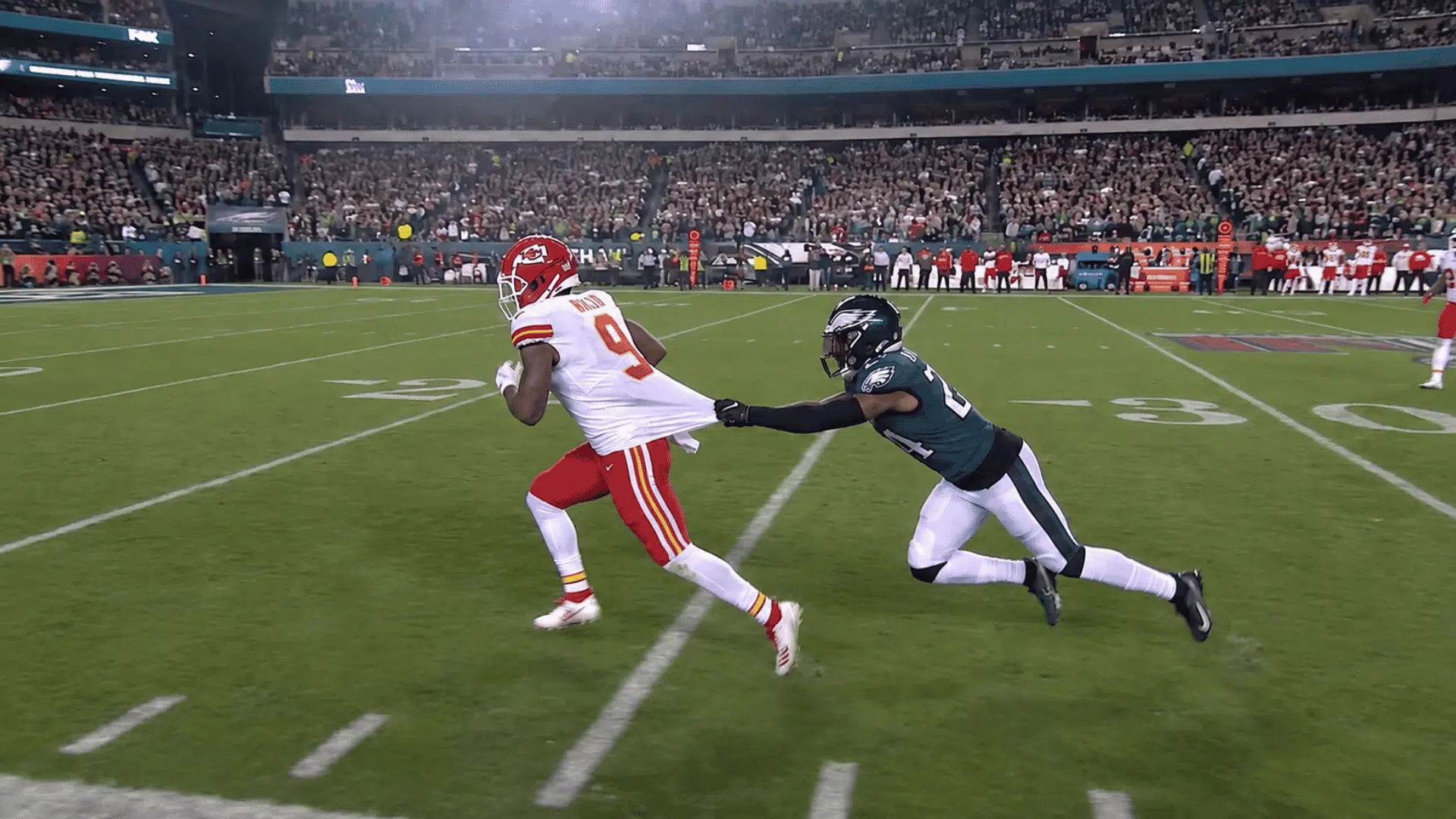
Blocking is a normal and necessary part of American football, while holding is an illegal way of restricting an opponent. The difference comes down to how players use their hands, arms, and body.
Blocking (legal) | Holding (illegal) |
Uses permitted hand placement and body positioning | Uses an illegal grip or restraint |
Helps protect the quarterback or create running space | Restricts an opponent’s movement illegally |
Allows players to maintain a legal blocking position | May involve grabbing, pulling, or tackling an opponent |
Does not illegally restrict an opponent | Interferes with an opponent’s ability to move freely |
If a blocker maintains position and uses legal technique, it is generally a block.
If the blocker grabs and restricts the defender to prevent them from moving, holding may have occurred.
What is the Difference Between Holding, Pass Interference, and Illegal Contact?
All three fouls put a defender’s hands on a receiver, so they look alike on TV. In the NFL, timing and distance separate them.
Illegal contact happens before the pass, more than five yards downfield, when a defender initiates contact with a receiver trying to get away. It costs 5 yards and an automatic first down.
Defensive holding is a grab or hold on a receiver who does not have the ball before the pass.
Pass interference starts once the ball is in the air. Defensive pass interference gives the offense a first down at the spot of the foul, which can cost far more than 5 yards.
Under Rule 8, Section 5, contact within one yard of the line is not pass interference, though it can still be holding.
Why is Holding Not Called on Every Play?
The blocking notes under Rule 12, Section 1, Article 3 of the 2026 NFL Rulebook list cases where officials do not call it.
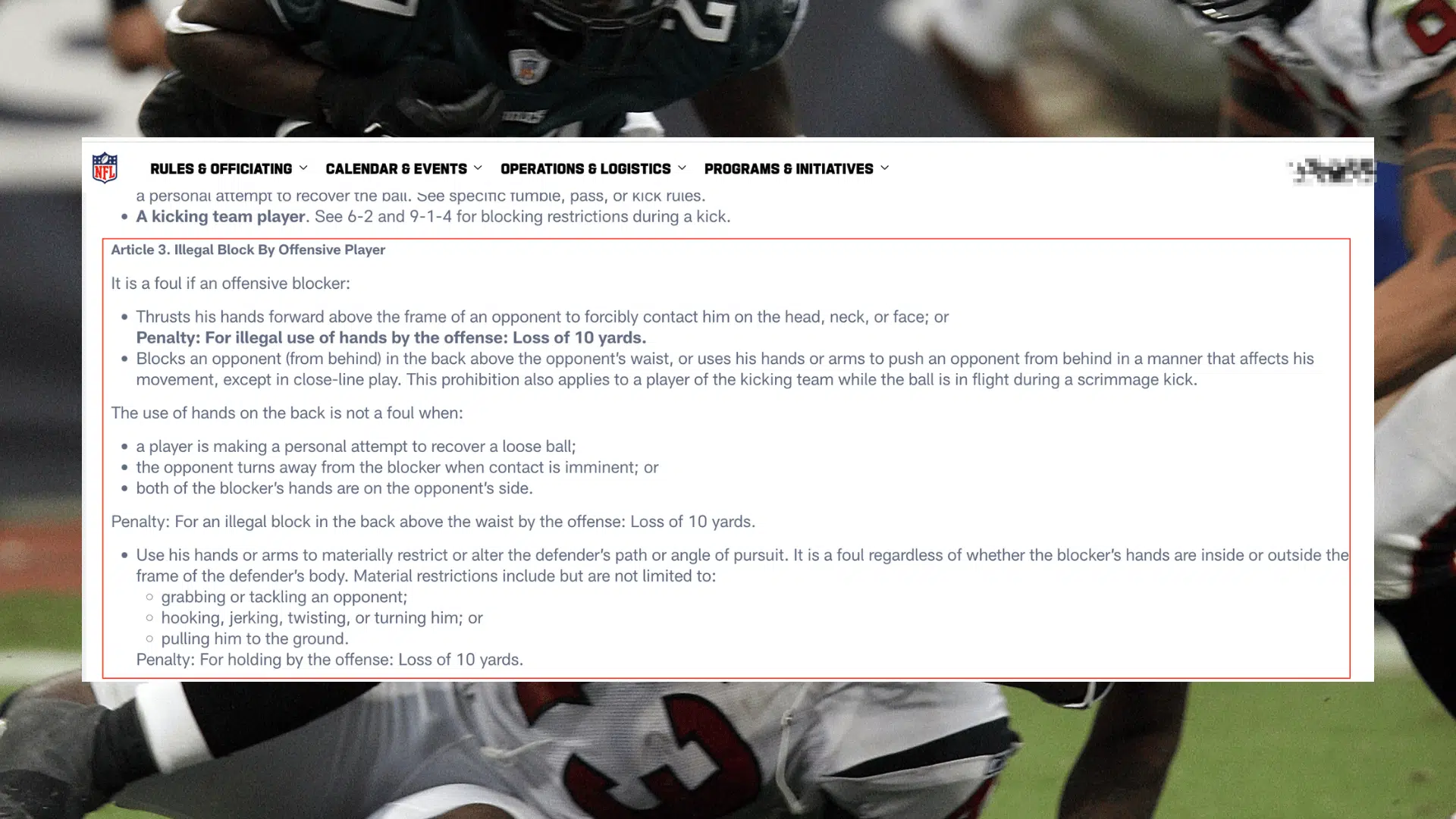
One is a hold away from the point of attack and outside close-line play. Another is a grab during a double-team block, unless the defender splits it, gets outside, or is taken to the ground.
A third is a hold at the same moment the runner is being tackled.
Even with those limits, offensive holding was the most-accepted foul of the 2025 NFL season. It drew 684 accepted flags across 285 games, about 2.4 a game.
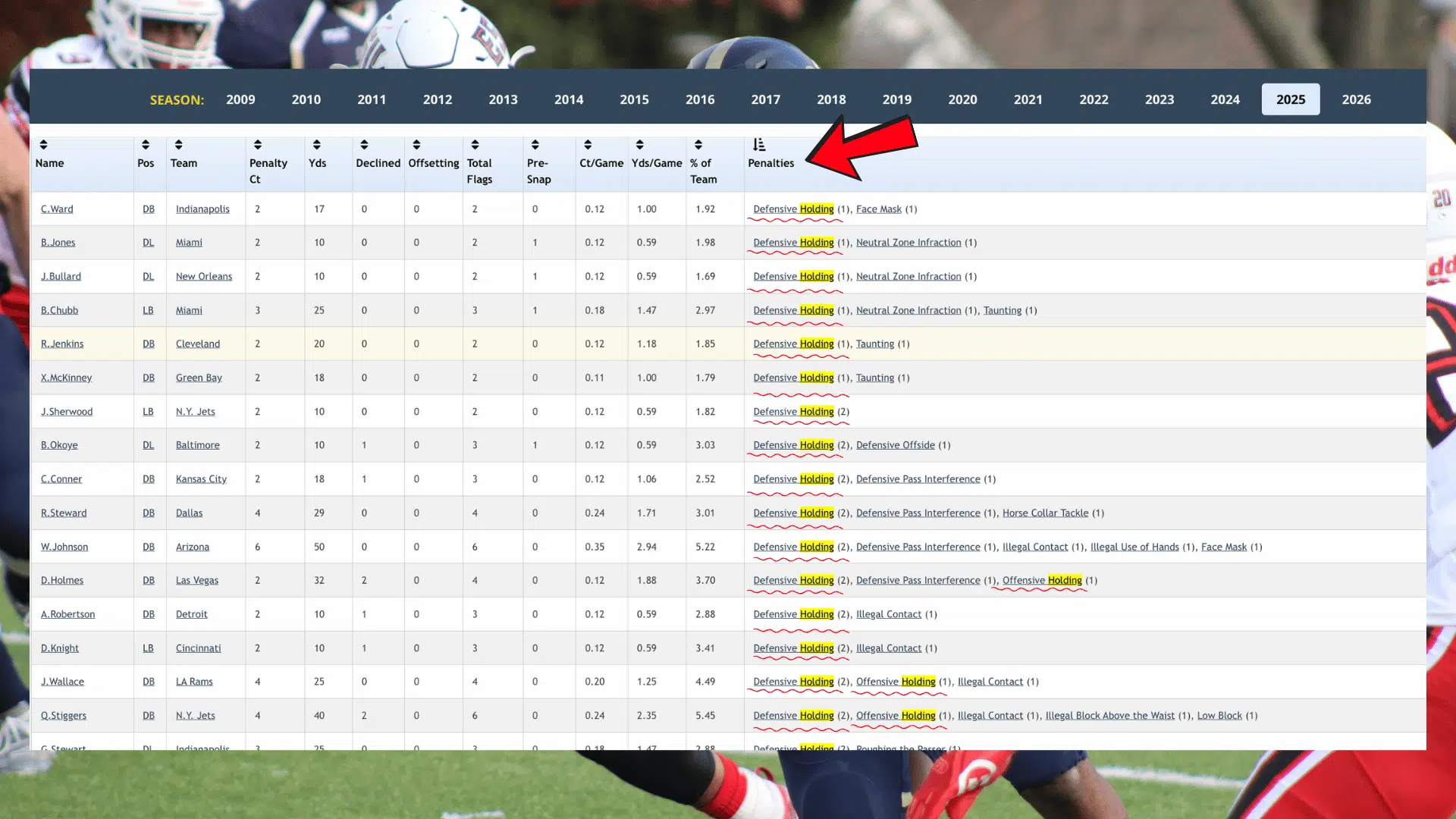
Source: NFL Penalty Stats Tracker
False starts were close behind at 681.
How Can Players Avoid a Holding Penalty?
Holding often happens when a blocker loses control of their position and tries to recover by grabbing the defender.
Maintain Proper Hand Placement: Keep hands in a legal position instead of reaching around an opponent’s body, and never jerk or twist him.
Improve Footwork: Move alongside defenders rather than relying on grabbing to stop their progress.
Release When Out of Position: If a defender gets past, avoid holding on to prevent a sack.
Long Story Short!
Holding is an illegal grab, hook, or pull on an opponent who does not have the ball.
An offensive player can cost their team 10 yards, while a defensive player can give the opposition an automatic first down. A single hold can change the outcome of the entire drive.
The yardage depends on which team holds and whether the game is NFL, college, or high school.
Next game, watch the defender’s shoulders, because a sudden twist or a snap backward usually comes before the flag.
Frequently Asked Questions
Is Holding A Loss Of Down?
No. Offensive holding moves the ball back 10 yards, and the down is replayed, so second-and-5 becomes second-and-15.
Does Defensive Holding Result In An Automatic First Down?
Yes, defensive holding results in a five-yard penalty and an automatic first down for the offensive team.
Can A Holding Penalty Cancel A Touchdown?
Yes, offensive holding can bring back a touchdown if the foul occurred during the play and the penalty is accepted.
Who Calls Holding During An NFL Game?
Any of the seven NFL officials can flag holding in their area. The referee announces the foul and how it is enforced.
Is There Holding In Soccer?
Yes. Under IFAB Law 12, holding an opponent is a direct free kick offense, or a penalty kick inside the offender’s own penalty area.
What Happens To A Player After A Holding Penalty?
The team loses yardage, but the player can remain in the game. Coaches may reduce playing time for repeated violations. A routine holding penalty does not warrant automatic ejection, suspension, or fines.