
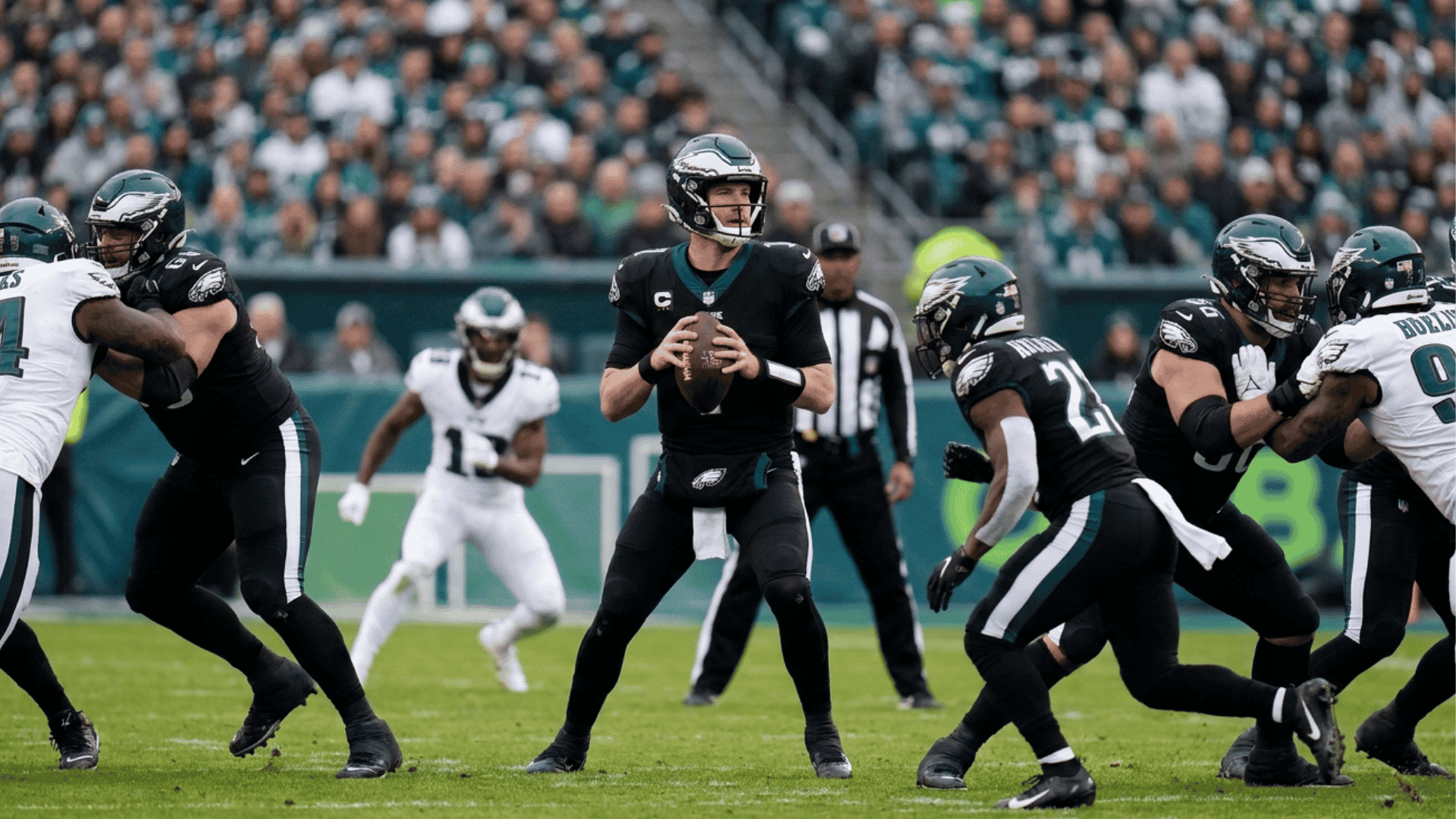

The quarterback is an important player on a football team. They help lead the offense, communicate the play, and make sure teammates are lined up correctly before the ball is snapped.
The role has changed greatly over time. Early quarterbacks were primarily part of the backfield, while modern QBs have become the primary decision-makers on offense.
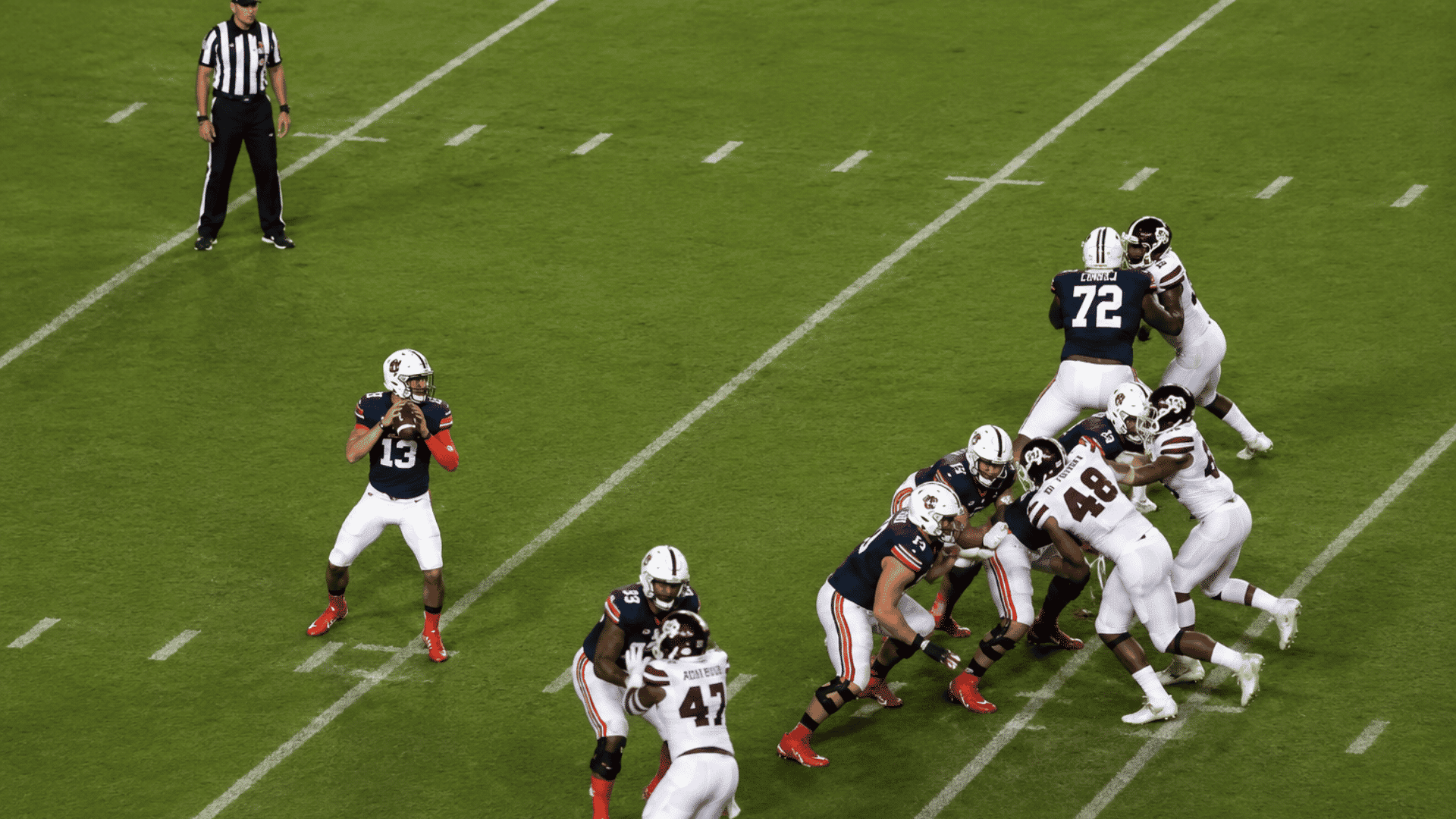
Because they handle the ball on most plays, quarterbacks carry a lot of responsibility. After the snap, they may throw to a receiver, hand the ball to a running back, or keep it and run.
So, what does a quarterback do beyond passing?
In this article, I’ll explain the QB’s duties, responsibilities, decision-making role, and skills needed to play the position well.
What Does a Quarterback Do During a Play?
A quarterback’s job begins before the snap and continues until the play ends. The easiest way to understand it is to follow the sequence:
- Get the Play: Receive the play call and communicate it to teammates.
- Set the Offense: Check the offensive formation and make sure everyone is positioned correctly.
- Read the Defense: Study defender alignment, possible pressure, and coverage before the snap.
- Adjust If Needed: Change part of the play when the offensive system allows it.
- Receive the Snap: Take the ball from the center to start the play.
- Make the Decision: Read how defenders move, work through receiving options, then pass, hand off, run, scramble, or use play-action depending on the play.
The role depends on communication, awareness, and quick decisions on nearly every offensive snap.
“People have no idea how hard it is, because these quarterbacks are operating in a world where so many things are working against them,” says Cleveland Browns coach Hue Jackson.
What are a Quarterback’s Key Responsibilities?
A quarterback has several responsibilities that keep the offense organized and help each play run as planned. Throwing is only one part of the position.
Here is a quick look at the main responsibilities a quarterback handles during a play.
| Responsibility | What the Quarterback Does |
|---|---|
| Communicate the play | Make sure teammates know which play the offense will run |
| Read the defense | Studies how defenders are positioned to predict pressure and coverage |
| Make adjustments | May change the play before the snap with an audible when the system allows it |
| Distribute the ball | Passes, hands off, or keeps the ball depending on the play |
| Protect possession | Tries to avoid interceptions, fumbles, and unnecessary risks |
| Leads the offense | Keeps teammates organized and focused between plays |
Before the snap, the quarterback reads the defense and checks whether the planned play still makes sense.
If needed, they may call an audible, meaning they change the planned play before the snap based on what they see from the defense.
“You’re basically the coach on the field,” says Former NFL quarterback Tyrod Taylor.
What Skills Does a Quarterback Need?
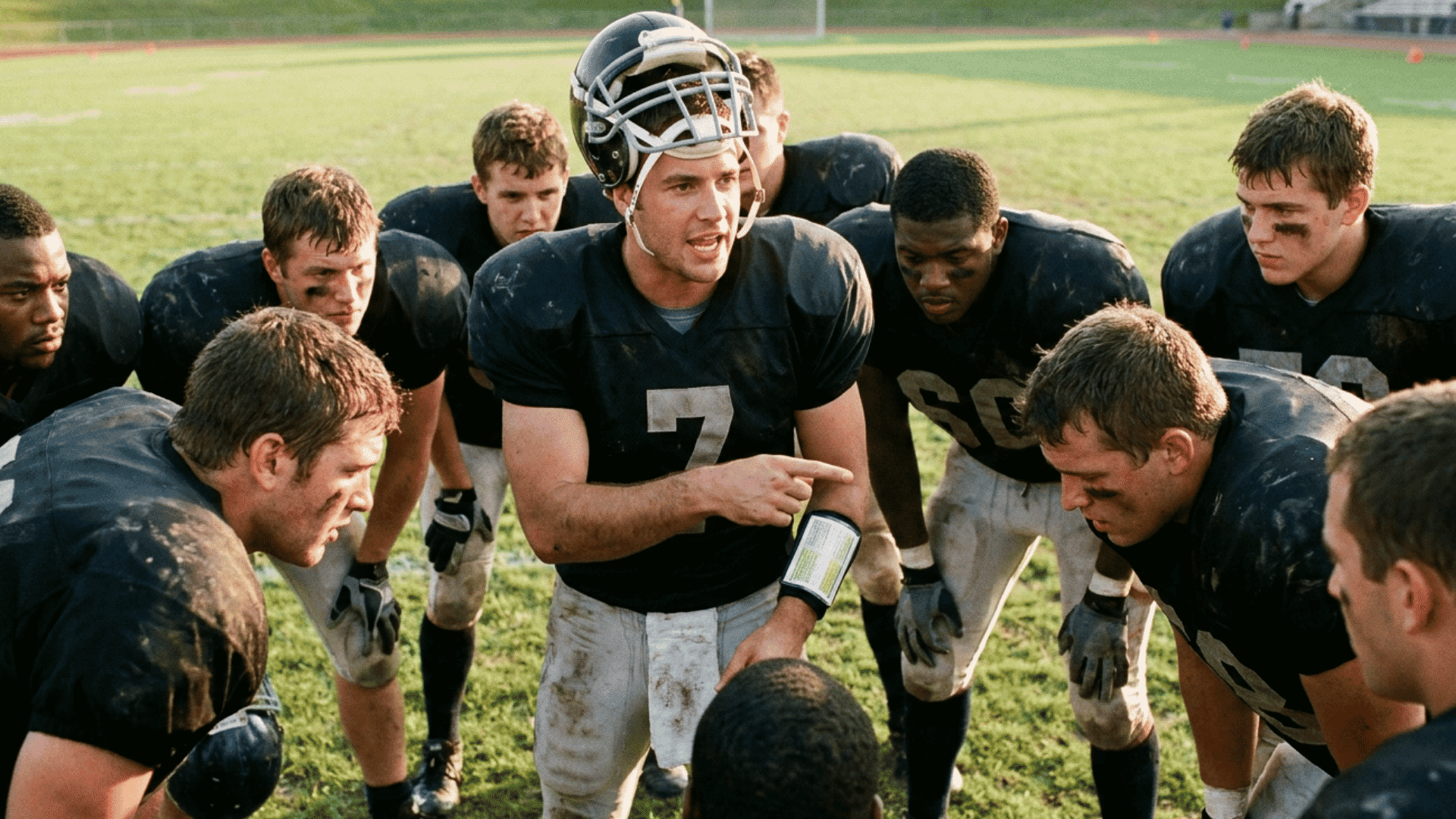
A quarterback needs both mental and physical skills to handle the position well. The job is not only about throwing power.
QBs must process information quickly while also staying balanced, mobile, and accurate.
Mental Skills Required for Quarterbacks
Mental skills help the quarterback read the defense, process information, communicate clearly, and make quick decisions before and after the snap.
Have a look:
- Decision-Making: Helps the QB choose the best option within seconds.
- Football Knowledge: Helps with reading coverages, blitzes, formations, and assignments.
- Communication: Keeps teammates clear on plays, adjustments, and responsibilities.
- Field Awareness: Helps the QB notice pressure, open receivers, and defensive movement.
Physical Skills Required for Quarterbacks
To help the quarterback move efficiently, stay balanced, avoid pressure, and deliver accurate throws, physical skills come into play. Like the ones below:
- Accuracy: Helps place passes where receivers can catch them safely.
- Footwork and Mobility: Support balance, pocket movement, scrambling, and throws on the move.
- Arm and Core Strength: Provide the power and stability needed for short, intermediate, and deeper throws.
“I think decision-making is critical to any quarterback, any quarterback play,” says Tom Brady.
How Does a Quarterback Read the Defense?
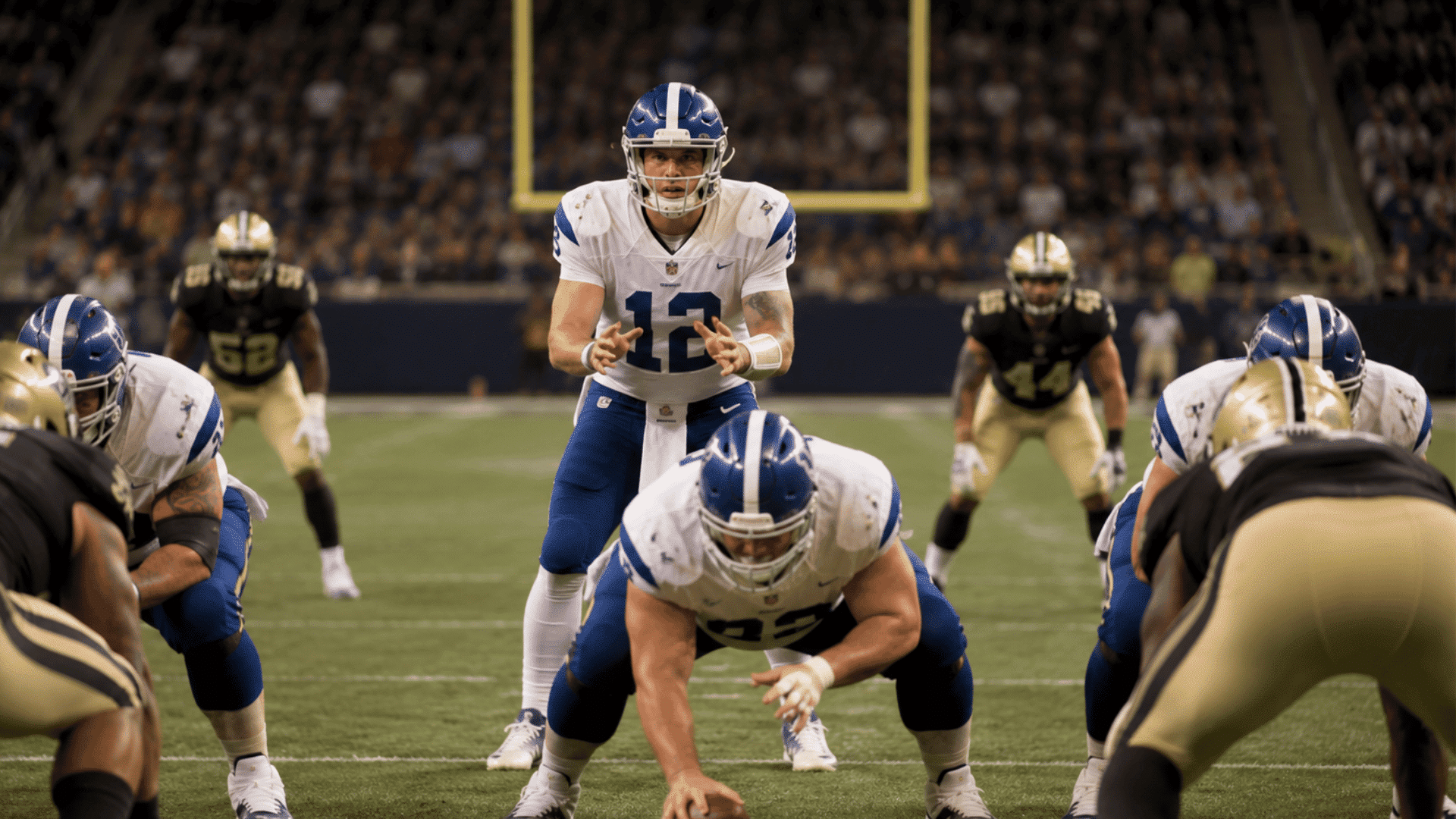
A quarterback reads the defense by checking where defenders are positioned before the snap and watching how they move once the play begins.
- He checks how many defenders are near the line, since extra players may signal a blitz.
- He looks at the safeties for clues about the type of coverage.
- He scans for open areas where receivers may find space.
- If defenders shift before the snap, he may change his read or adjust the play.
- After the snap, he confirms the coverage and decides whether to pass, hand off, or run.
I usually explain this as reading clues rather than guessing. For example, several defenders moving toward the line may signal extra pressure on the quarterback.
How Does a Quarterback Work With the Offense?
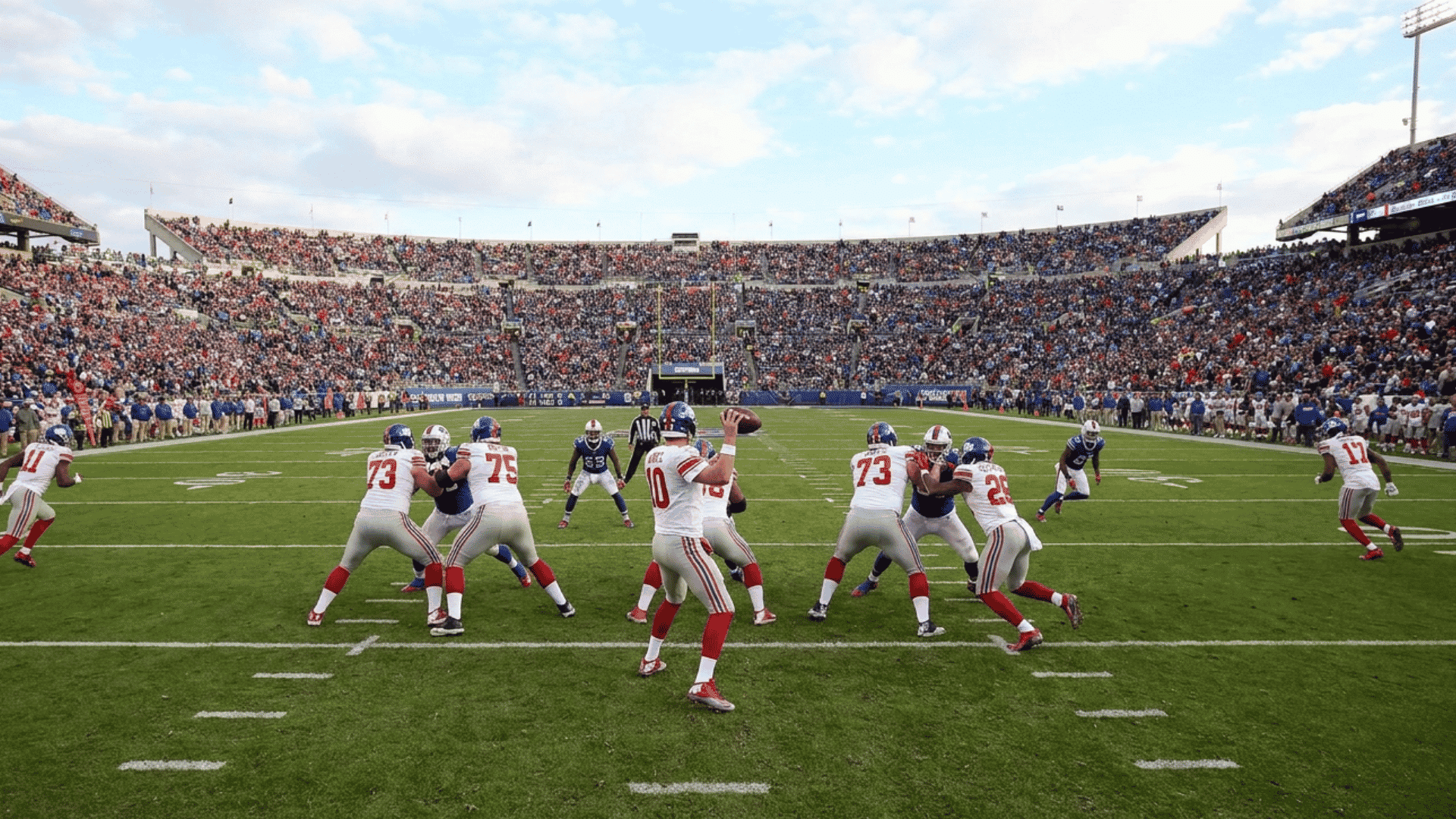
Here is how each offensive position supports the quarterback during a play.
| Position | How They Work With the Quarterback |
|---|---|
| Center | Snaps the ball to the quarterback to start the play |
| Offensive line | Protects the QB and creates space for running plays |
| Wide receivers | Run routes and provide passing options |
| Running backs | Take handoffs, catch passes, or help with pass protection |
| Tight ends | Catch passes and may also help block |
The quarterback works especially closely with running backs, who may take handoffs, catch short passes, or help protect the QB.
Why is the Quarterback So Important?
The quarterback is important because they are involved in most offensive plays and often handle the ball immediately after the snap. They help organize the offense, communicate the play, read the defense, and decide where the ball should go.
A good quarterback also has to protect possession. One poor decision can lead to an interception, fumble, or lost yards, while a smart read can keep a drive moving.
I see the quarterback as the player who connects the different parts of the offense. To me, it is their combination of responsibility, communication, and decision-making that makes them super important.
“Everything goes through your quarterback. You’ve got to have leadership there you can trust,” says Jerry Reese.
What are the Most Common Quarterback Injuries?
Quarterbacks face injury risks from both repeated throwing and physical contact.
From what I have heard, the shoulder is the most exposed body part because it handles throwing stress and can also take direct hits during tackles.
Several more quarterback injuries include:
- Shoulder injuries: AC joint sprains, rotator cuff problems, instability, and labral injuries.
- Elbow injuries: UCL stress and muscle or tendon strains caused by throwing or contact.
- Knee and ankle injuries: ACL injuries, high ankle sprains, and other problems that can happen while scrambling, planting, or being tackled.
- Head and neck injuries: Quarterbacks can also suffer concussions or other impact-related injuries.
How Can Quarterbacks Reduce Injury Risk?
Quarterbacks cannot avoid every injury, but proper training, throwing mechanics, and recovery can reduce unnecessary stress on the body.
Refer to the table below!
| Common Injury | Prevention Strategy | Typical Recovery Time |
|---|---|---|
| Shoulder sprain or AC joint injury | Shoulder strength, arm care, and workload control | About 2–12 weeks |
| Elbow strain or throwing-related stress | Proper throwing mechanics and controlled workload | A few weeks for mild injuries; longer for ligament damage |
| Ankle sprain | Lower-body strength, balance, and landing drills | About 1–2 weeks for mild sprains; 6–8 weeks for high ankle sprains |
| Concussion | Safer sliding technique and neck strengthening | Often a few weeks, followed by a gradual return-to-play process |
Recovery depends heavily on the type and severity of the injury, so returning to football should be based on medical clearance rather than the calendar alone.
I remember coaching a quarterback with a shoulder sprain, so we reduced throwing and eased him back gradually.
Final Thoughts
The QB communicates the play, sets the offense, reads the defense, makes adjustments, protects possession, and decides where the ball should go after the snap. Doing the job well requires accuracy, mobility, football knowledge, communication, and fast decision-making.
Quarterbacks also work closely with every part of the offense, from the center and offensive line to receivers, running backs, and tight ends.
Because the position involves repeated throwing and regular contact, proper training, recovery, and injury prevention are also important.
Next, watch a few live plays and focus only on the quarterback before and after the snap. You will start noticing these responsibilities much more clearly.
Which quarterback skill do you think matters most? Comment below.
Frequently Asked Questions About Quarterbacks
Is Quarterback the Hardest Position in Football?
Quarterback is often considered one of football’s hardest positions because it combines defensive reads, quick decisions, accurate passing, communication, and responsibility on most offensive plays.
Who is the Best QB in the NFL?
There is no official single “best” quarterback. Matthew Stafford won the 2025 NFL MVP award and finished first in NFL.com’s post-season quarterback rankings.
Why are They Called Quarterbacks?
The name comes from early football formations, where the quarterback lined up closer to the line of scrimmage than the halfbacks and fullback, who were positioned farther back.
Can a Quarterback Run With the Ball?
Yes. A quarterback can carry the ball on a designed running play or scramble when a passing play breaks down, and running becomes the better option.