

The first time I saw a quarterback fake a handoff and freeze the whole defense, I was hooked. It looked simple, but there was real strategy behind it.
That single fake has decided games I have covered from the press box, and once you understand it, you cannot unsee it. That trick has a name, and it shows up in almost every game you watch on Sunday.
A play-action pass is one of the smartest tools an offense can use.
Over the years of covering games and breaking down film for explainers, I have watched how teams set it up and why it fools defenders who should know better.
Here, I will walk you through what the play is, how it works, why coaches lean on it so often, and what the data actually says about when it works. By the end, you will spot it on your own.
What is Play Action in Football?
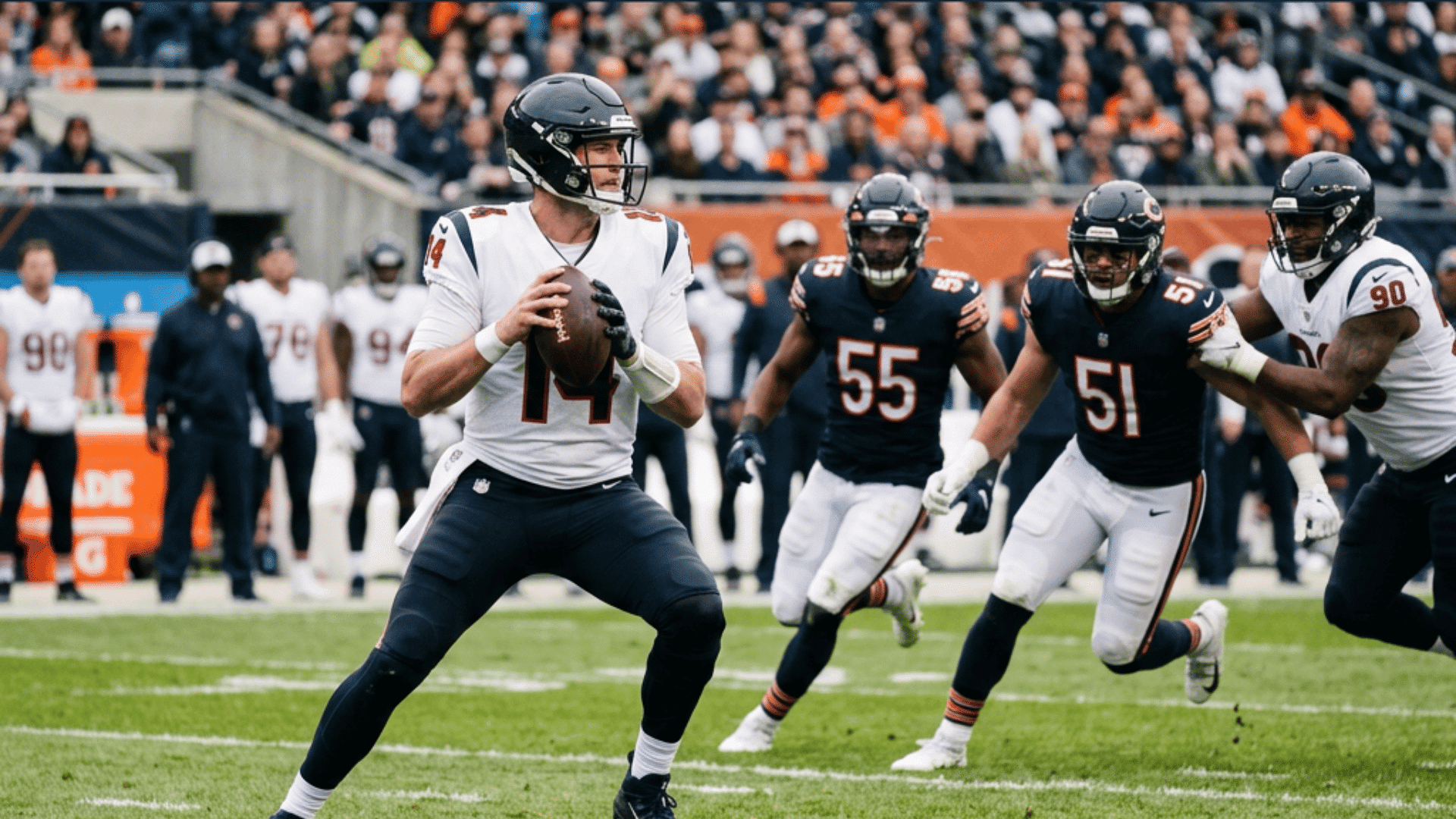
A play action in football is a passing play that starts with a fake run. The quarterback pretends to hand the ball to a running back, then keeps it and throws downfield instead.
The goal is simple. A fake handoff pulls defenders toward the line of scrimmage because they expect a run. That moment of hesitation opens up space behind them for receivers to get free.
A common belief is that this play only works when a team already runs the ball well. The reality is more interesting, and I will come back to it later, because the data tells a different story than most fans expect.
Timing and good acting from the quarterback make the difference between a play that fools the defense and one that falls flat. It is one of the most trusted tools in a coach’s playbook for a reason.
How does Play Action Work?
Play action tricks the defense by making a pass look like a run first, giving receivers time and space to get open downfield.
- The quarterback takes the snap and shows the ball to the running back like a real handoff.
- The running back sells the fake by tucking in and running as if he has it.
- Linebackers and safeties step toward the line because they think the offense is running.
- That quick step opens space behind them for receivers, tight ends, or crossing routes.
- The quarterback pulls the ball back, sets his feet, and looks for an open target.
- Offensive linemen help sell the fake by blocking as if the play is a run.
The moment where the quarterback and running back come together for the fake has a name coaches use constantly.
It is called the mesh point, and how convincingly the ball is hidden at that point often decides whether the linebackers bite.
A strong play action fake works because every player sells the run, forcing defenders to hesitate before the pass is thrown.
Why do Teams Use Play Action?
Teams lean on this play because it creates problems the defense cannot easily solve. The payoff often comes in the form of big gains and easier reads for the quarterback.
| Benefit | How it Helps |
|---|---|
| Bigger Plays Downfield | When defenders fall for the fake, receivers can run past them. Play action can create some of the longest passing gains in a game. |
| Easier Throws for the Quarterback | A frozen defense often leaves targets open. The quarterback gets a clearer look instead of throwing into tight coverage. |
| Slower Pass Rush | Defensive linemen may pause to check the run, giving the quarterback an extra second to throw. |
| Less Pressure on the Offensive Line | That hesitation creates a softer rush, helping blockers protect the quarterback. |
| More Scoring Chances | Big gains move the offense closer to the end zone, turning drives into points. |
Key Players Involved in a Play-Action Pass
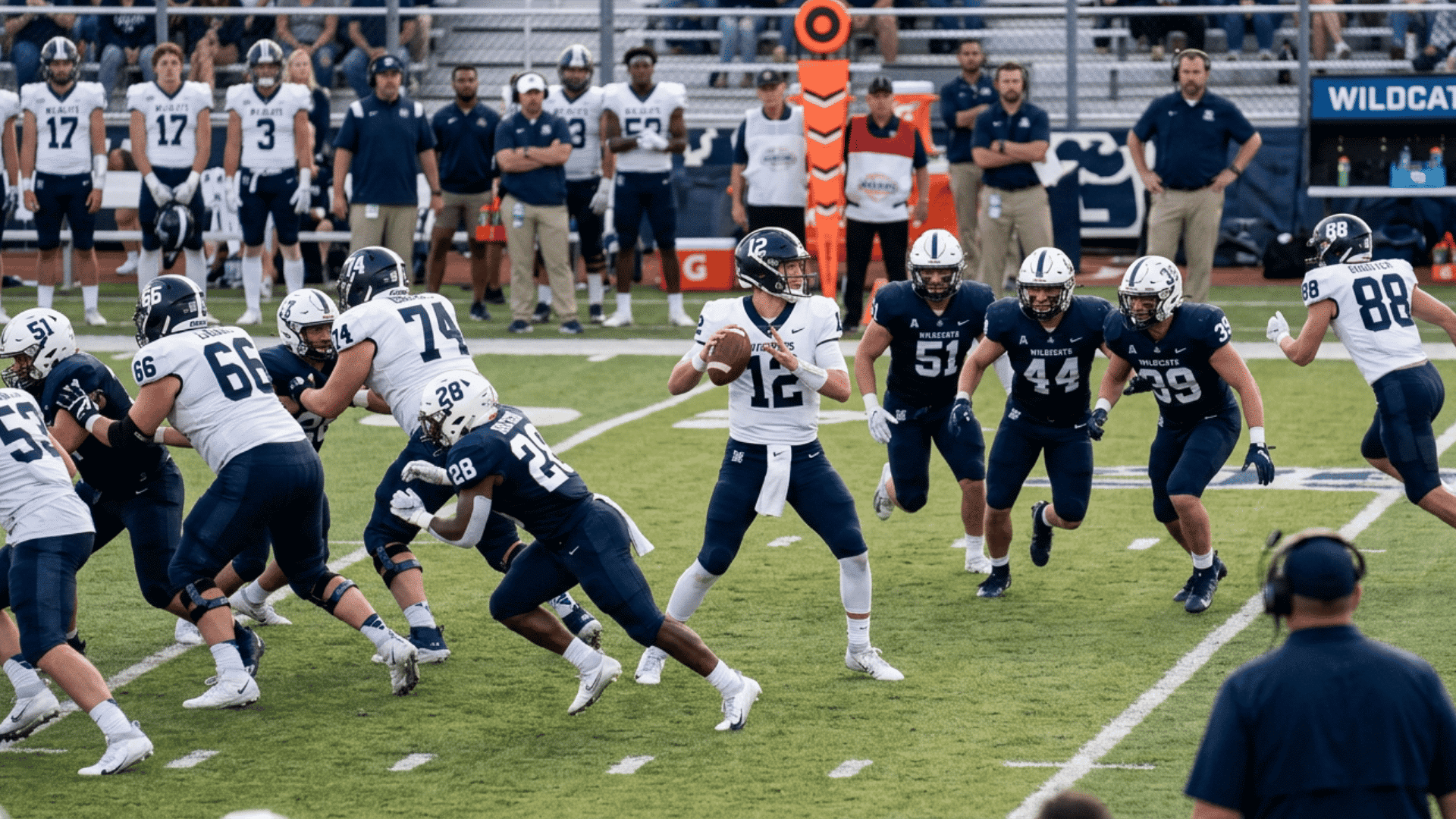
Every play-action pass depends on a few people doing their jobs at the right moment. When each one plays his part well, the fake holds together, and the defense gets caught.
1. The Quarterback
The quarterback runs the whole show on a play-action pass. He takes the snap, turns his back to the defense, and pushes the ball toward the runner with real intent.
The sell has to look like a true handoff. Then he pulls it back, resets his feet, and finds an open target downfield. Good footwork and a believable fake matter just as much here as a strong arm does on the throw.
2. The Running Back
Think of the running back as the actor in this play. His job is to fake carrying a ball he never holds. He charges through the line, wraps his arms around empty air, and braces for a hit that will not come.
Defenders read his body, so a half-hearted effort gives the fake away.
A good running back will often take a hit on a play-action fake just to sell it. That willingness to absorb contact for nothing is what makes the whole play believable.
3. The Offensive Line
The line carries a tricky load on this play. Blockers fire off the snap low and hard, the same way they would on a run, to convince the defense a handoff is coming.
I saw a game where the linemen sold the run so well that two linebackers crashed inside, leaving a huge lane open. After that first beat, they shift back into pass protection to guard the quarterback.
Maintaining that balance between run and pass blocking is hard, and it often determines whether the play has time to develop.
4. The Receivers
Receivers turn the fake into points. While the defense reacts to the run, they push past the line and aim for the soft spots the fake creates.
Tight ends matter a lot here, since they often start by acting like blockers before slipping into a route. That delay makes them easy to miss. Timing is everything for this group.
A receiver who runs his route too early arrives before the defense bites, and a route run too late gives defenders time to recover and close the open window.
Play Action Vs Regular Pass
Both plays end with a throw, but they get there in very different ways. The table below breaks down how a play-action pass compares to a standard dropback pass.
| Factor | Play-Action Pass | Regular Pass |
| Start of the play | Begins with a fake handoff | Begins with a straight dropback |
| Defense reaction | Pulls defenders toward the line | Keeps defenders in coverage |
| Setup needed | Works best when the run looks like a real threat | Works without any runtime threat |
| Quarterback steps | Turns and fakes before throwing | Drops straight back to throw |
| Open space | Opens gaps behind linebackers | Relies on receivers beating coverage |
| Best down to use | Strong on early downs | Common on clear passing downs |
| Risk level | Higher, since the fake takes time | Lower, with a quicker release |
| Typical payoff | Bigger plays downfield | Steadier, shorter gains |
Common Types of Play-Action Passes
Coaches run several versions of this play, each built for a different situation. Knowing the main types helps make sense of what happens after the fake.
1. Bootleg Play Action
On a bootleg, the quarterback fakes the handoff and then rolls out to one side of the field. This moves the play away from the rush and gives him a clear view of his targets.
Key things that make a bootleg work:
- A clean fake that pulls the defense one way
- A quarterback who can throw while moving
- Receivers who flood the side he rolls toward
2. Quick Play Action
Quick play action trades the deepfake for speed. The quarterback flashes a fast fake, then gets rid of the ball in a hurry. The goal is not to fool the whole defense, to freeze the linebackers for a beat.
That short pause is enough to open a passing lane underneath. This version fits offenses that throw a lot of short, timed routes.
It also lowers the risk because the quarterback does not hold the ball long enough for the rush to reach him.
3. Deep Shot Play Action
This is the version built for big gains. The fake sells a run, the safeties step up, and a receiver takes off down the field. When it lands, it can flip a game in one snap.
The deep shot works best on early downs, when the defense least expects a long throw. That surprise is what gives the receiver a step on his man.
It carries more risk because the play takes longer to develop. The quarterback needs time, so blocking has to hold. But the reward makes it worth the gamble when the matchup is right.
4. Screen Play Action
Screenplay action mixes two tricks into one. The quarterback fakes a run, drops back like he plans to throw deep, then flips a short pass to a back or receiver with blockers in front.
The defense, busy chasing the serious threat, leaves the short man wide open. I watched a team gain forty yards on this because every defender ran the wrong way.
The play rewards patience, since the blockers need a second to get out in front. Timing between the quarterback and the catcher is what turns a short toss into a long gain.
When do Coaches Call Play Action?
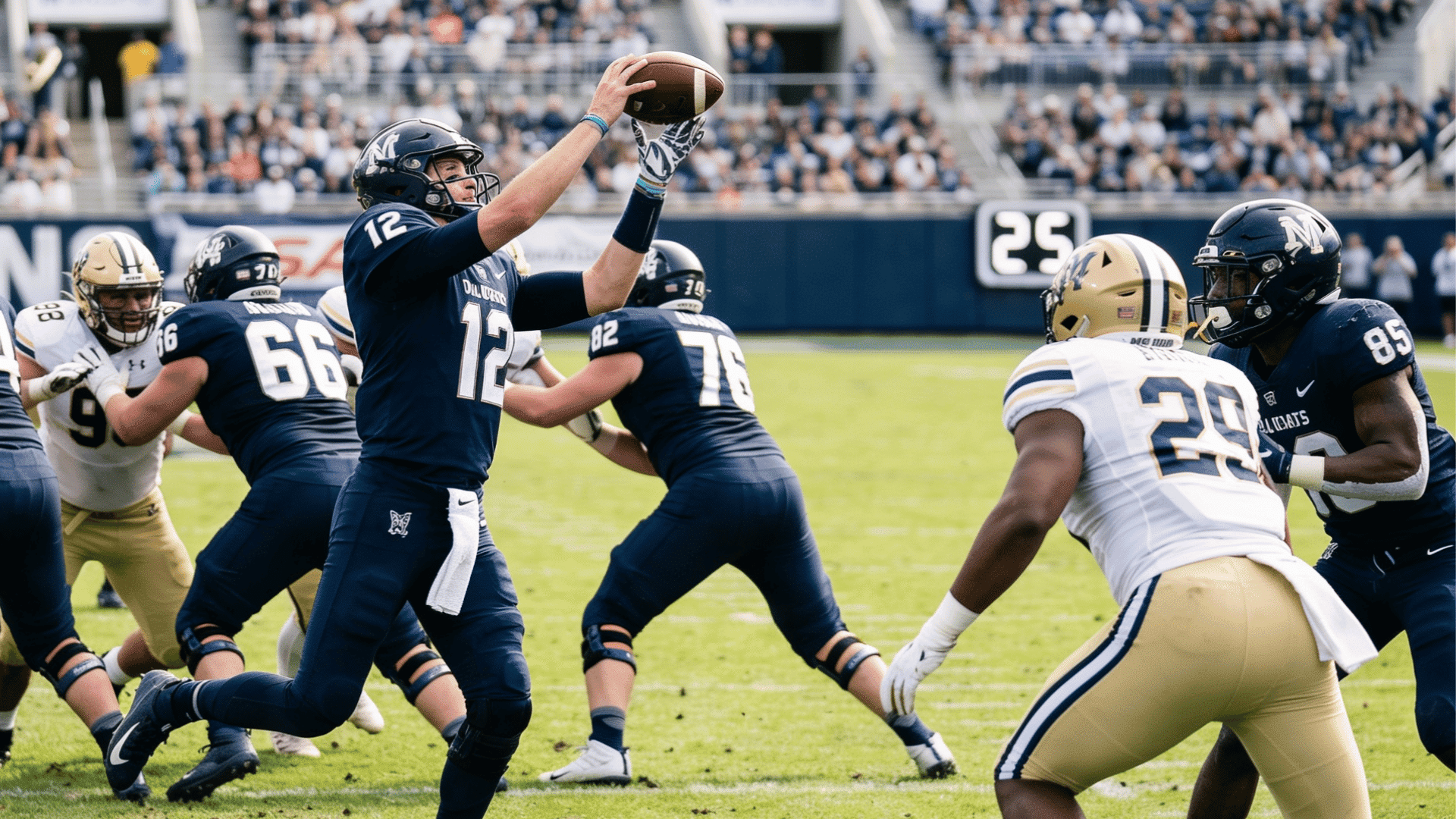
Timing is everything with this play. Coaches do not call it at random. They wait for the moments when the fake has the best chance to fool the defense. Here are the situations where it shows up most.
- First and Second Down: Early in a set of downs, the defense still respects the run. That makes the fake believable, so coaches love play action here.
- After a Strong Run Game: Once a team has moved the ball on the ground a few times, defenders start creeping toward the line. That is the perfect setup to fake a handoff and throw behind them.
- Short-Yardage Situations: On third and one or near the goal line, everyone expects a run. The defense loads the box, which leaves room downfield for a quick fake and a throw.
- Against Aggressive Defenses: Some defenses fly to the ball the moment they read a run. Play action turns that speed against them, since those same players overrun the fake.
- To Slow Down a Hard Pass Rush: When a defensive line keeps reaching the quarterback, a fake forces them to pause and check the run first. That extra second gives the offense time to throw.
Coaches also track tendencies on film. If they spot a linebacker who bites hard on every run, they will save a play-action call to punish that exact habit.
The common thread is simple. Coaches call it when the defense has a reason to believe a run is coming. No belief in the run means no bite on the fake.
What Can Go Wrong With Play Action?
Play action can break down when the fake takes too long, and the pass rush gets to the quarterback first. The biggest risk is time, since the fake adds extra steps before the throw.
The play also fails when the run game is weak. A defense that does not fear the run will ignore the fake and drop straight into coverage. That leaves no open space downfield.
A sloppy fake hurts too. If the quarterback or running back sells it poorly, defenders read the play right away. Bad blocking is another problem because the rush reaches the quarterback before the routes develop.
Field position matters as well. Deep in their own end, teams often skip this play since a sack or fumble there can hand the other side easy points.
Quick Tips to Spot Play Action While Watching Football
A few small signs give the play away before the ball is even thrown. Watch for these clues, and spotting play action gets a lot easier.
- Watch the quarterback’s hips: On a fake, he turns his body toward the back but keeps the ball. A quick peek at his hands often shows he never let go.
- Follow the running back’s arms: A back faking a carry wraps his arms around nothing. The empty arm tuck is one of the clearest tells.
- Check the offensive line: Linemen who fire out low like a run play, then drop back to block, are selling a fake.
- Look at the linebackers: When they step up toward the line and then scramble backward, they just got fooled by the fake.
- Notice the down and distance: Play action shows up most on first and second down, or in short-yardage spots where a run seems likely.
- Track the receivers: A receiver who blocks for a second before taking off downfield is often the target on the play.
Final Thoughts
Now, the next time a quarterback fakes a handoff and the defense freezes, you will know exactly what just happened.
A play-action pass is one of the simplest tricks in football, but it works because it plays on what the defense already expects.
Once you understand the fake, the timing, and the players who sell it, the game starts to look different. The fun part is watching for it live.
Keep an eye on those linebackers and see how often they bite. You will be surprised how much a single fake can change a play.
Have you spotted a great play-action pass in a game you watched? Share the moment in the comments below.
Frequently Asked Questions
Can Play Action Work without a Good Running Game?
It can. The popular belief is that you need an established run game first, but analysis of play-action efficiency has shown the play stays effective regardless of how often or how well a team runs.
What is the Difference Between Play Action and RPO?
Play action is always a pass with a built-in fake handoff. An RPO lets the quarterback choose to hand off or throw after reading the defense.
What is the Opposite of Play-Action?
A straight dropback pass is the closest opposite. The quarterback shows a pass right away with no run fake at all.
What’s the Hardest Position in Football?
Quarterback is widely seen as the hardest, because it demands quick reads, leadership, accuracy, and split-second decisions on every snap.