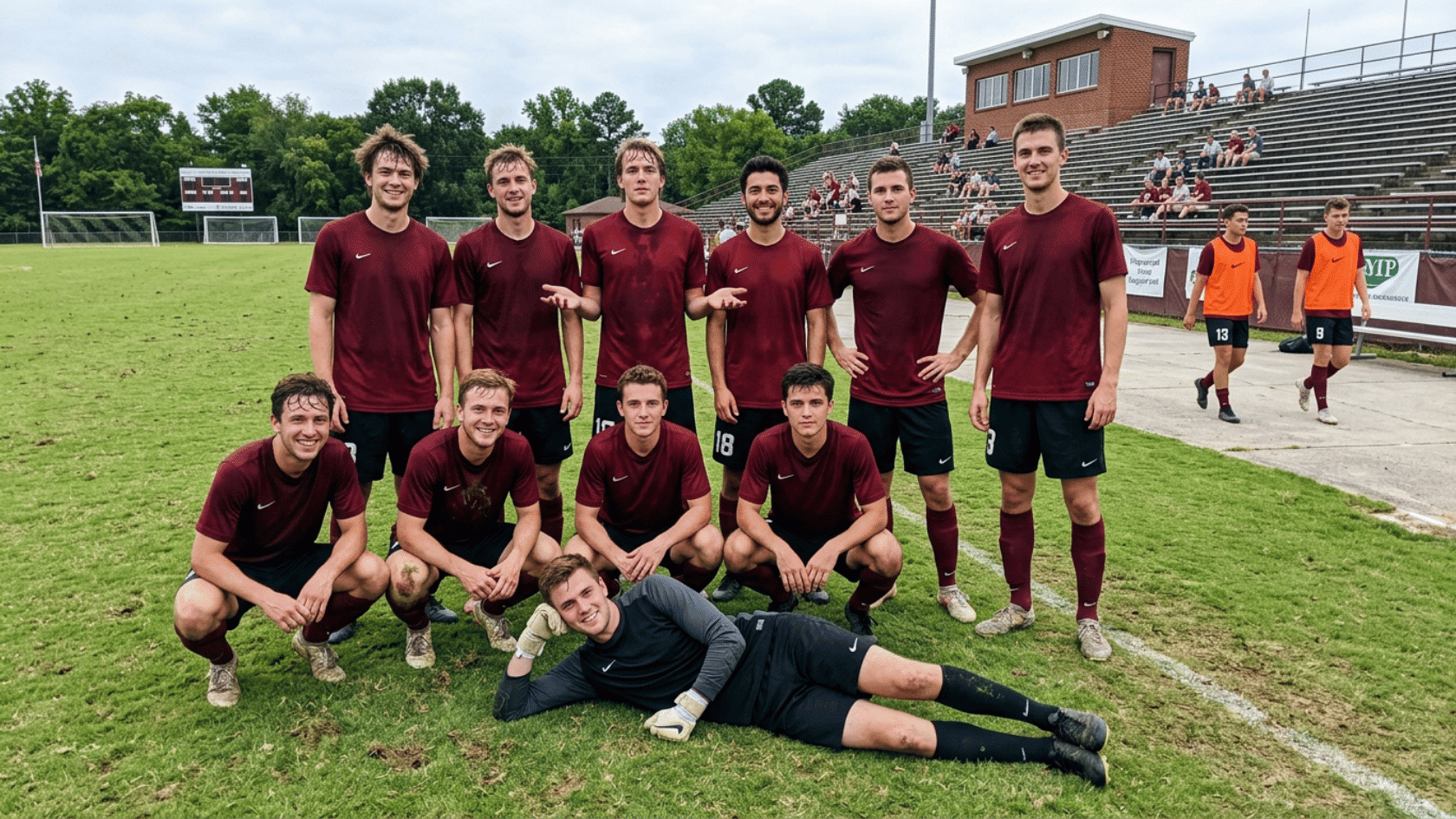

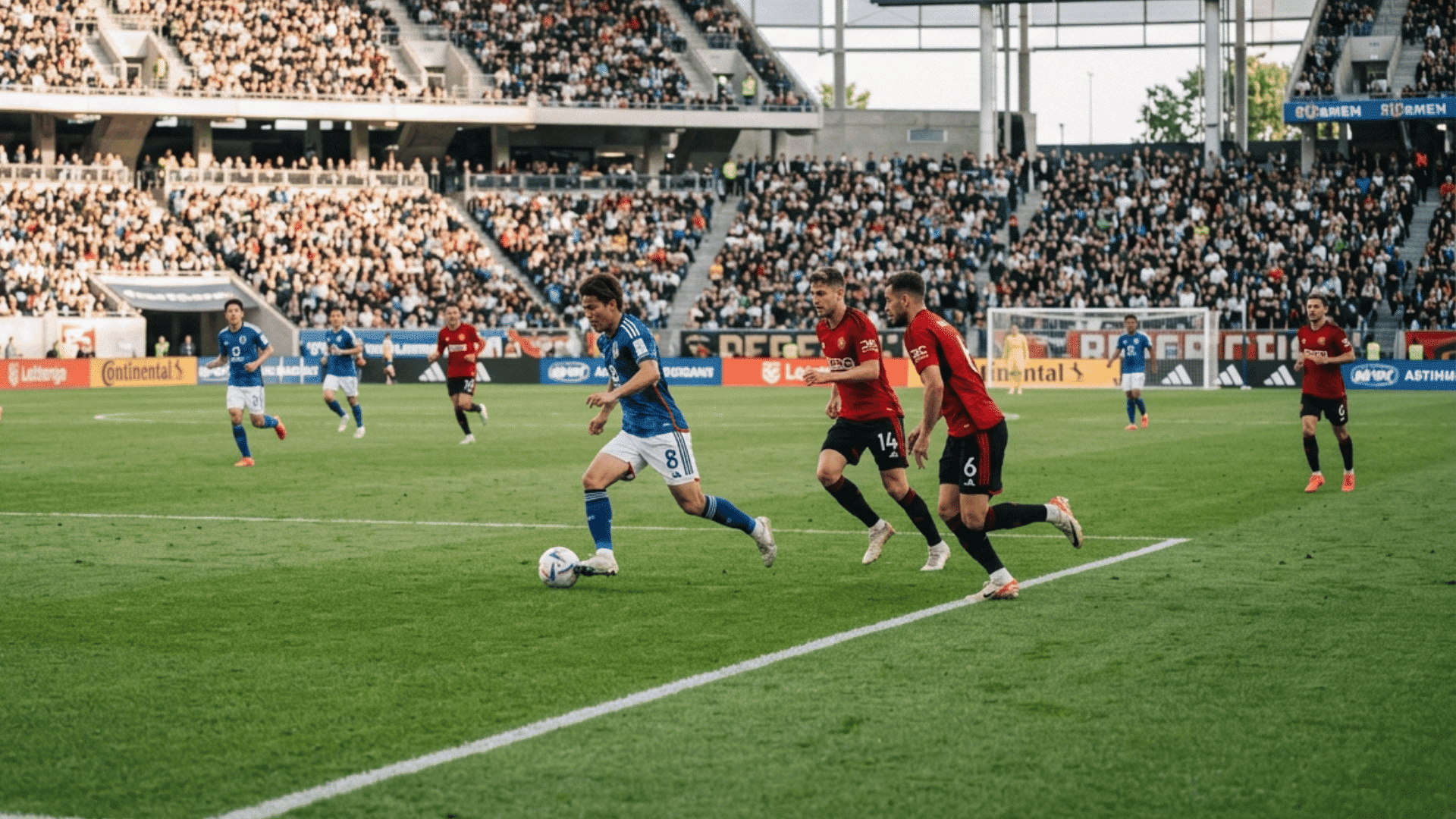

A professional soccer game is 90 minutes of regulation, played as two 45-minute halves with a 15-minute break, so plan on about two hours from kickoff to the final whistle.
The first time I sat through a full match, I kept checking the clock, wondering when it would end. A soccer game runs longer than most people expect, and the answer isn’t always simple.
The basic match has two halves, but added time, stoppages, and overtime can stretch things out.
I’ve watched and played soccer for years, so I know how confusing the timing can feel for new fans. So how long is a soccer game, really? It depends on a few things, and I’ll walk you through each one.
In this article, I’ll break down the length of a standard match, explain how injury time works, and cover the differences across youth, college, and pro levels.
By the end, you’ll know exactly what to expect.
How Long is a Professional Soccer Game?
A professional soccer game lasts 90 minutes of regulation play, split into two 45-minute halves with a 15-minute break in between. That’s the official clock, but the real time you spend watching is usually longer.
At the end of each half, the referee adds extra minutes called stoppage time or injury time. This makes up for delays during the game, like injuries, substitutions, and time wasted on goal celebrations. Most halves get an extra one to five minutes, though some can run longer.
So when you add it all up, a typical professional match takes about two hours from kickoff to the final whistle. That includes both halves, the halftime break, and stoppage time.
For a regular league game, though, you can plan on roughly two hours from start to finish.
Extra Time and Penalties in Soccer
When a knockout match ends in a tie, extra time is used to find a winner. This can happen in tournaments like the World Cup, Champions League, or domestic cup matches.
| Segment | Time |
|---|---|
| Regulation time | 90 minutes |
| Halftime break | 15 minutes |
| Break before extra time | 5 minutes |
| Extra time | 30 minutes |
| Break between extra-time halves | 1 minute |
| Total before penalties | About 141 minutes |
If the score is still tied after extra time, the game goes to a penalty shootout. Penalties add more time, and stoppage time can stretch the match even further.
That is why some knockout games can last well over two hours. The 141-minute total is a practical estimate, not a fixed official rule.
How Long is a World Cup Game?
World Cup matches follow the same 90-minute structure during the group stage, where a draw is allowed and teams collect points. The timing changes once the knockout rounds begin.
A level score after 90 minutes plus stoppage time sends the match to two 15-minute periods of extra time, and a still-tied result goes to a penalty shootout. Once you add regulation, stoppage time, the break before penalties, and the shootout itself, the longest knockout games can run past three hours.
Refereeing crews at recent tournaments have also added more stoppage time than in past decades, so a single half in a major match can carry seven or eight added minutes on its own.
Why Soccer Games Last Longer than 90 Minutes
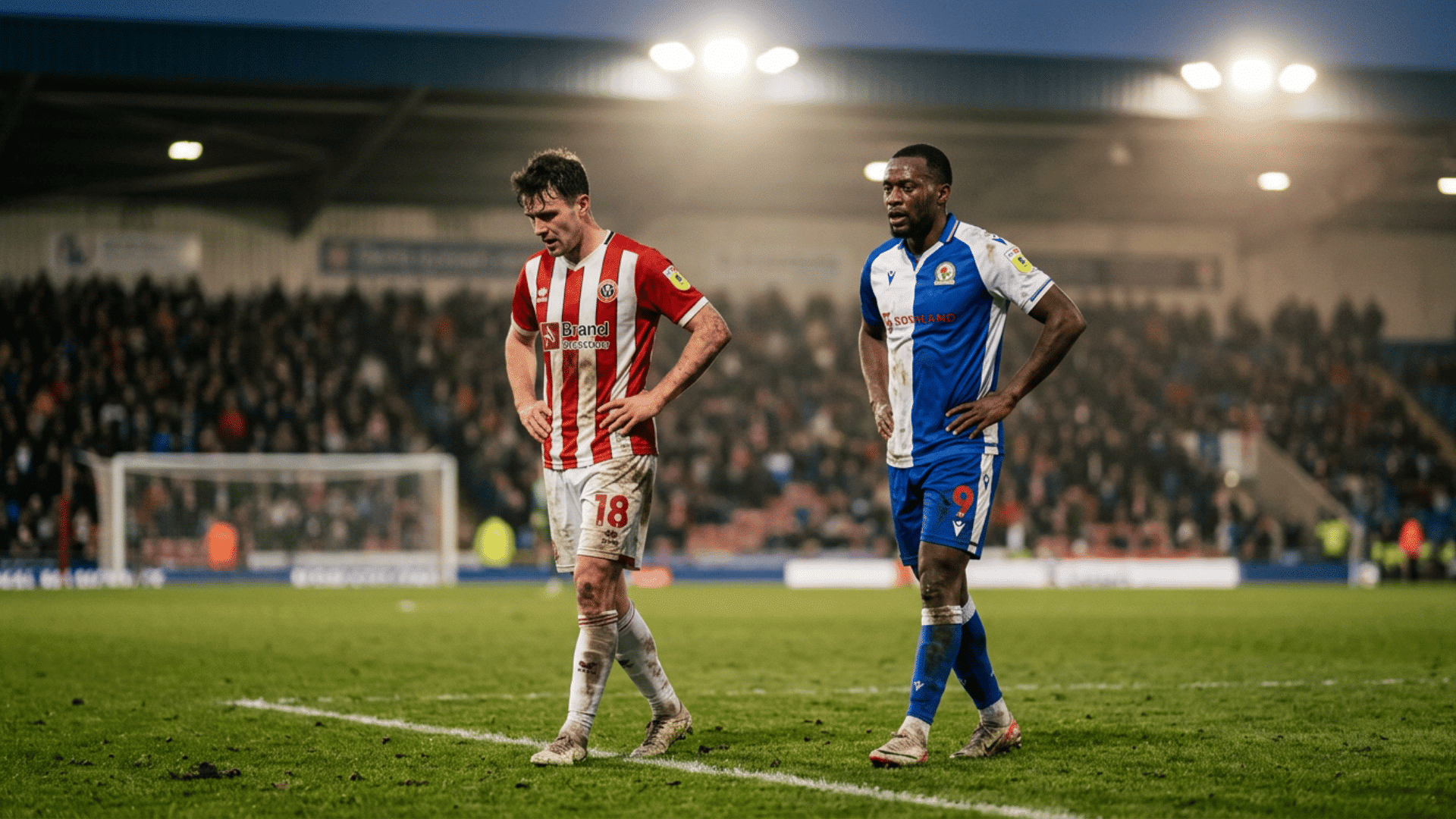
The clock in soccer works differently from most sports. Small delays add up over the course of each half, and the referee ensures that lost time is made up.
1. How Stoppage Time Works
A soccer game often runs past 90 minutes due to stoppage time. The fourth official holds up a board near the sideline showing how many extra minutes the referee added.
Last season, I watched a match where the board read seven minutes, and the crowd groaned because their team was ahead. That added time covers every pause that happened during the half.
The referee keeps a private count in their head and on their watch. When regular time ends, those tracked minutes get played out before the whistle blows.
2. What Causes the Clock to Stop
Imagine a half where two players go down injured, three subs come on, and a goal sparks a long celebration. Each of those moments eats into real playing time.
Common reasons the referee adds minutes:
- Injuries and treatment on the field
- Substitutions, since each swap costs a few seconds
- Goal celebrations that pull players away
- Time-wasting, like slow throw-ins or goal kicks
- VAR reviews for disputed calls
Add these together, and a single half can easily lose five minutes of action. The referee gives that time back at the end so neither team gets shortchanged.
3. When Games Go to Extra Time
Some matches refuse to end in a tie. In knockout rounds, a level score after 90 minutes plus stoppage time means the game keeps going.
Extra time adds two 15-minute halves, for a total of 30 more minutes. If the score is still tied after that, the match goes to a penalty shootout.
Players grow tired, mistakes creep in, and one goal can decide everything. This is why a single knockout soccer game can run well past two hours from kickoff to final whistle.
How Long are College and Kids’ Soccer Games?
Game length changes with the age and level of the players. Younger groups play shorter halves, while college matches run close to the professional format.
| Level | Total Time | Halves | Notes |
| U6 to U8 | 40 minutes | Four 10-minute quarters | Short periods help young kids stay focused |
| U9 to U10 | 50 minutes | Two 25-minute halves | Slightly longer as stamina builds |
| U11 to U12 | 60 minutes | Two 30-minute halves | Closer to a standard match flow |
| U13 to U14 | 70 minutes | Two 35-minute halves | Teens handle a longer running time |
| U15 to U16 | 80 minutes | Two 40-minute halves | Near full-length play |
| U17 to U19 | 90 minutes | Two 45-minute halves | Matches the adult format |
| College (NCAA) | 90 minutes | Two 45-minute halves | A college soccer game runs a full 90 minutes with a running clock |
A youth soccer game stays short on purpose so players can rest and learn. College soccer uses the full 90 minutes, though it traditionally ran a countdown clock that paused for stoppages.
How Long Should You Plan to be at a Soccer Game?
Plan to spend about two to two and a half hours at a soccer game from start to finish. The actual match runs 90 minutes, but the full experience takes longer once everything is added in.
The 15-minute halftime break and stoppage time push the clock past 90 minutes. Knockout matches can add extra time and penalties, stretching things to three hours or more.
Arriving early for parking, security lines, and seat selection adds another 30 to 45 minutes upfront. Staying for the crowd to clear out after the final whistle takes a little time too.
A safe plan is to block off three hours for a regular soccer game, and even more for a cup final or playoff match.
Final Thoughts
So a soccer game is so much more than a simple 90-minute clock. Between the two 45-minute halves, the halftime break, stoppage time, and the chance of extra time, the full match wraps up more time than the number on paper suggests.
Knowing this makes planning a trip to the stadium far easier, if it is a quick youth match or a long cup final. The next time the clock hits 90, and play keeps going, the reason behind those extra minutes will make perfect sense.
Soccer rewards fans who understand its rhythm, and that knowledge makes every match more fun to watch.
What surprised you most about how long a soccer game really lasts? Share your own match-day experience in the comments below. Other readers would love to hear it.
Frequently Asked Questions
What is the 3 PM Rule in Football?
The 3 PM rule in football is the UK TV blackout that prohibits live football matches from being broadcast between 2:45 PM and 5:15 PM on Saturdays to protect lower-league attendance.
Is an NFL Game 3 Hours?
An NFL game is about 3 hours long on average, typically lasting 3 hours to 3 hours 15 minutes due to stoppages, commercials, and halftime.
What is the Rarest Penalty in Football?
The rarest penalty in football (NFL) is the Palpably Unfair Act, which is called only after an egregiously unfair action occurs.