
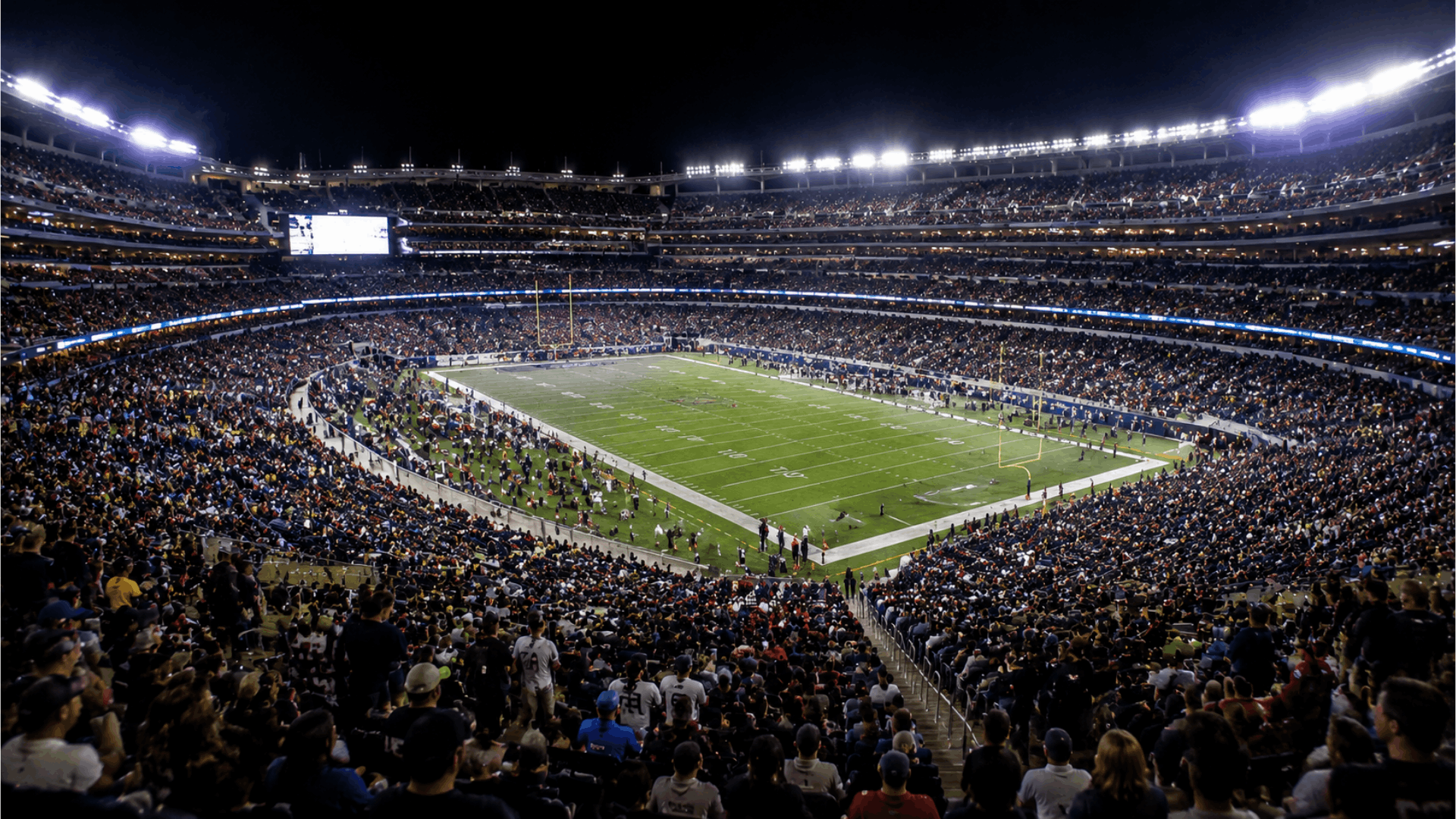

A football game stops cold, and nobody rushes back onto the field right away. That pause feels short, but it carries real purpose.
Fans everywhere search for how long halftime is in football before the next kickoff begins. Coaches huddle up, players catch their breath, and trainers get to work fast.
Some grab snacks, some check phones, and some just talk about the first half. That short window shapes strategy, energy, and even the outcome of close games.
Stick around, because this breakdown covers every level of football and how each one handles that pause. Halftime is about to make a lot more sense.
How Long is Halftime in NFL Football?
NFL halftime is officially 13 minutes. The NFL rulebook says there is an intermission between the second and third periods, and teams may leave the field during that break.
The Back Judge times the halftime period. Many fans say NFL halftime feels like 12 to 15 minutes because TV coverage, commercials, team exits, and kickoff timing can make the break feel slightly different.
But under the standard NFL timing rule, the official halftime break is 13 minutes. During this break, teams do not simply relax.
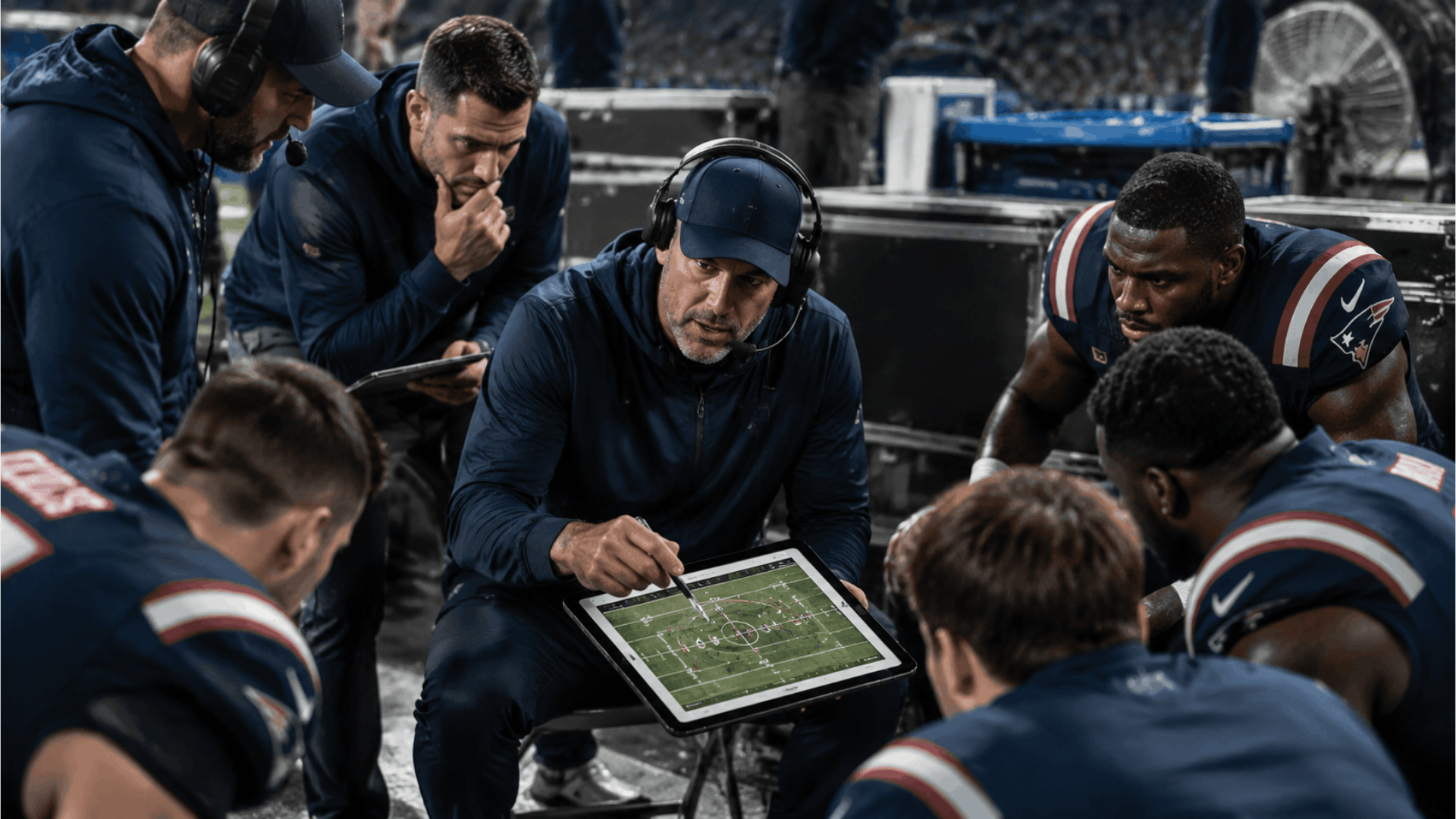
Coaches speak quickly, players receive treatment, and the staff prepares for the second half. Think of it like a short reset button in the middle of a tough game.
What Happens During NFL Halftime?
NFL halftime is not just a break from the action. Teams pack a lot of work into those minutes to prepare for the second half. Here’s what happens during that time:
- Locker Room Adjustments: Coaches review what worked and what didn’t, then adjust the game plan for the next two quarters.
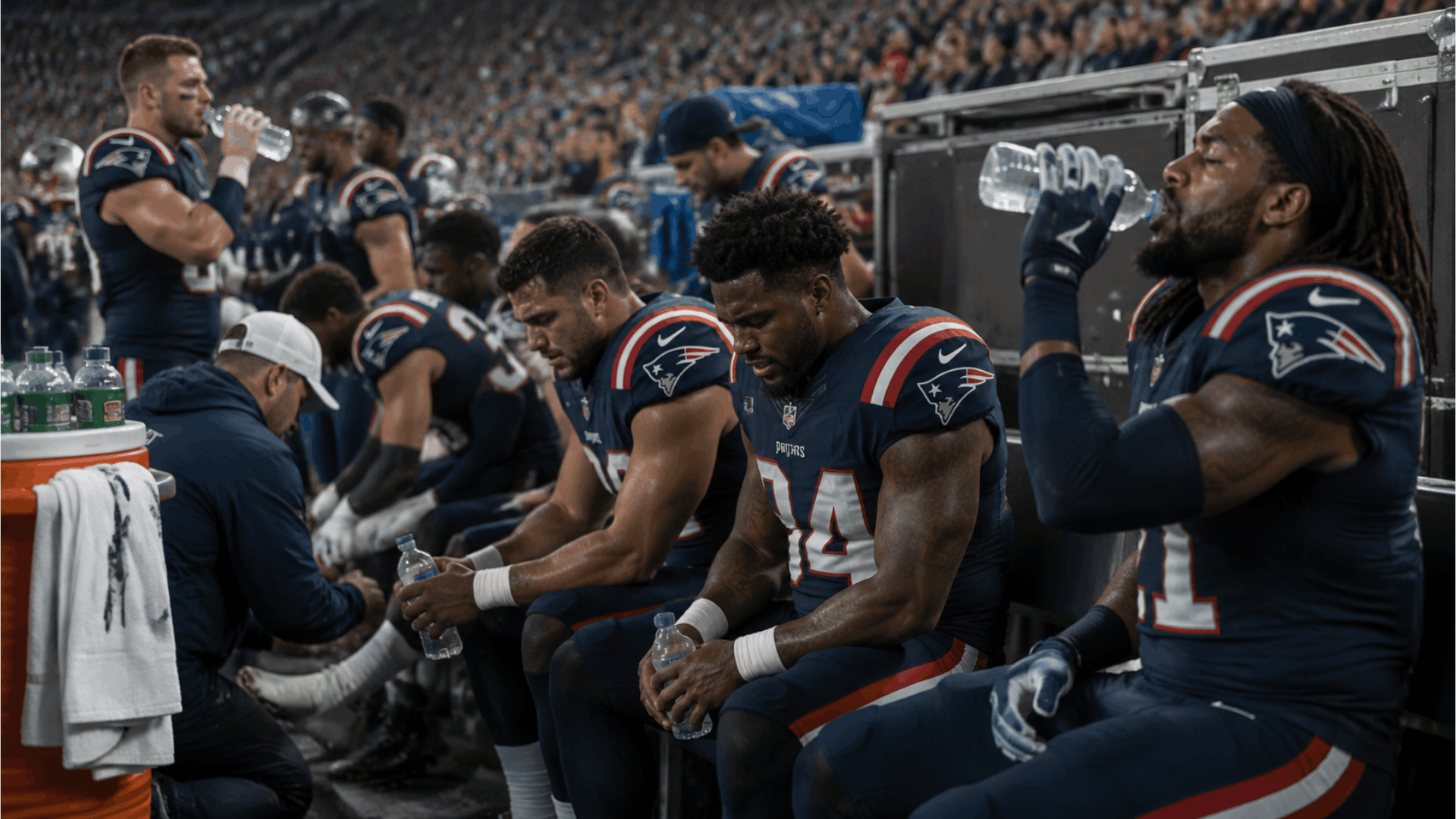
- Player Recovery: Trainers check injuries, treat cramps, and help players recover enough energy to finish the game strong.
- Film Review: Coaches and players study replays to spot patterns in the other team’s plays and defenses.
- Media Obligations: Selected players and coaches may speak briefly with broadcasters before returning to the locker room.
- Hydration and Nutrition: Players refuel with fluids and quick snacks to keep their energy up for the rest of the game.
Halftime moves fast, but every minute serves a purpose. Teams use this short window to reset both mentally and physically before returning to the field.
Here’s the trimmed version at 60 words under each H3:
Halftime Length Across Football Levels
Halftime length changes depending on the level of football you’re watching. Each level has its own rules for how long players get to rest and reset.
1. Halftime Length in College Football
NCAA halftime usually lasts 20 minutes. That gives teams time to rest and adjust their game plan. College games also use this break for marching band shows and field activities.
Bands often perform on the field during this time. These traditions make halftime feel like an event in its own right. Longer breaks support school spirit and stadium culture.
2. Halftime Length in High School Football
High school halftime usually runs between 10 and 20 minutes. The exact length depends on state rules and local guidelines. Each state’s athletic association sets its own timing standards.
This means halftime can look different from one school to another. Some schools use the time for band shows or homecoming events. Structure and length vary more at this level than in college or NFL games.
3. Halftime Length in the Super Bowl
The Super Bowl halftime show lasts much longer than a regular game. It usually runs between 25 and 30 minutes. That extra time supports a massive stage setup for the performance.
Crews need time to build sets and prepare sound systems. Broadcasters also adjust their schedule to fit the show. Extended halftime turns a simple break into a major event.
Does Halftime Ever Change During Games?
Halftime does not always run exactly on schedule. Some games face delays that push the break longer than planned. Bad weather can force officials to pause the game and extend halftime.
Player injuries sometimes cause short delays before or after the break. Technical issues, like broken equipment or lighting problems, can also add extra time.
Overtime works differently and does not affect halftime at all. Games go into overtime only after regulation ends, so halftime remains the same length.
Special events, like championship games, sometimes come with adjusted schedules. These changes usually support extra entertainment or ceremonies.
Even with these differences, halftime keeps its basic purpose. It still gives players time to rest, adjust, and prepare for the second half.
How Halftime Impacts Game Performance
Halftime does more than give players a break. It can actually shape how the rest of the game plays out. Here’s how halftime affects performance:
- Momentum Shifts: Teams often come out of halftime with new energy, which can flip the game’s momentum in seconds.
- Coaching Adjustments: Coaches use halftime to fix mistakes and set up plays that catch the other team off guard.
- Statistical Trends: Many teams show stronger performance in the third quarter after making halftime changes.
- Player Recovery: Rested players often perform better physically once the second half begins.
- Mental Reset: Halftime gives players time to refocus and shake off first-half mistakes.
Halftime is more than just a pause in the action. It plays a real role in shaping who wins and who loses.
Key Takeaways
Halftime looks small on a scoreboard, but it shapes how a game plays out. You already know how long halftime is in football across different levels of play.
Rules shift from high school fields to packed NFL stadiums, yet the purpose stays the same. Players rest, coaches make calls, and energy resets before the third quarter starts.
That short pause carries weight far beyond the ticking of the clock. Next time you watch a game, notice how much happens off-camera during that break.
Bands play, trainers work, and coaches scramble to fix mistakes fast. Halftime stays short, but it never wastes a single second. Drop a comment below and share your favorite halftime moment.
Frequently Asked Questions
Why does Football Have a Halftime Break at All?
Halftime lets players rest, treat injuries, and gives coaches time to adjust strategy for the second half. This short pause helps teams return to the field ready to compete.
Who Decides How Long Halftime Lasts at Each Level?
Governing bodies like the NFL, NCAA, and state associations each set their own halftime length rules. These rules reflect differences in broadcast needs, traditions, and player safety standards.
Can Teams Request a Longer Halftime Break?
Teams cannot request extra halftime unless officials approve a delay for weather, safety, or equipment issues. Standard game rules keep the break length fixed, regardless of how a team performs.
Does Halftime Length Affect Injury Recovery During a Game?
Longer breaks, like in college football, give trainers more time to treat injuries before the third quarter. Shorter breaks limit the amount of recovery work medical staff can complete in time.
Are Playoff Games Given a Different Halftime Length?
Playoff games usually follow standard halftime rules unless a special event requires extra scheduled time. Any added minutes typically support entertainment rather than changes to gameplay itself.