

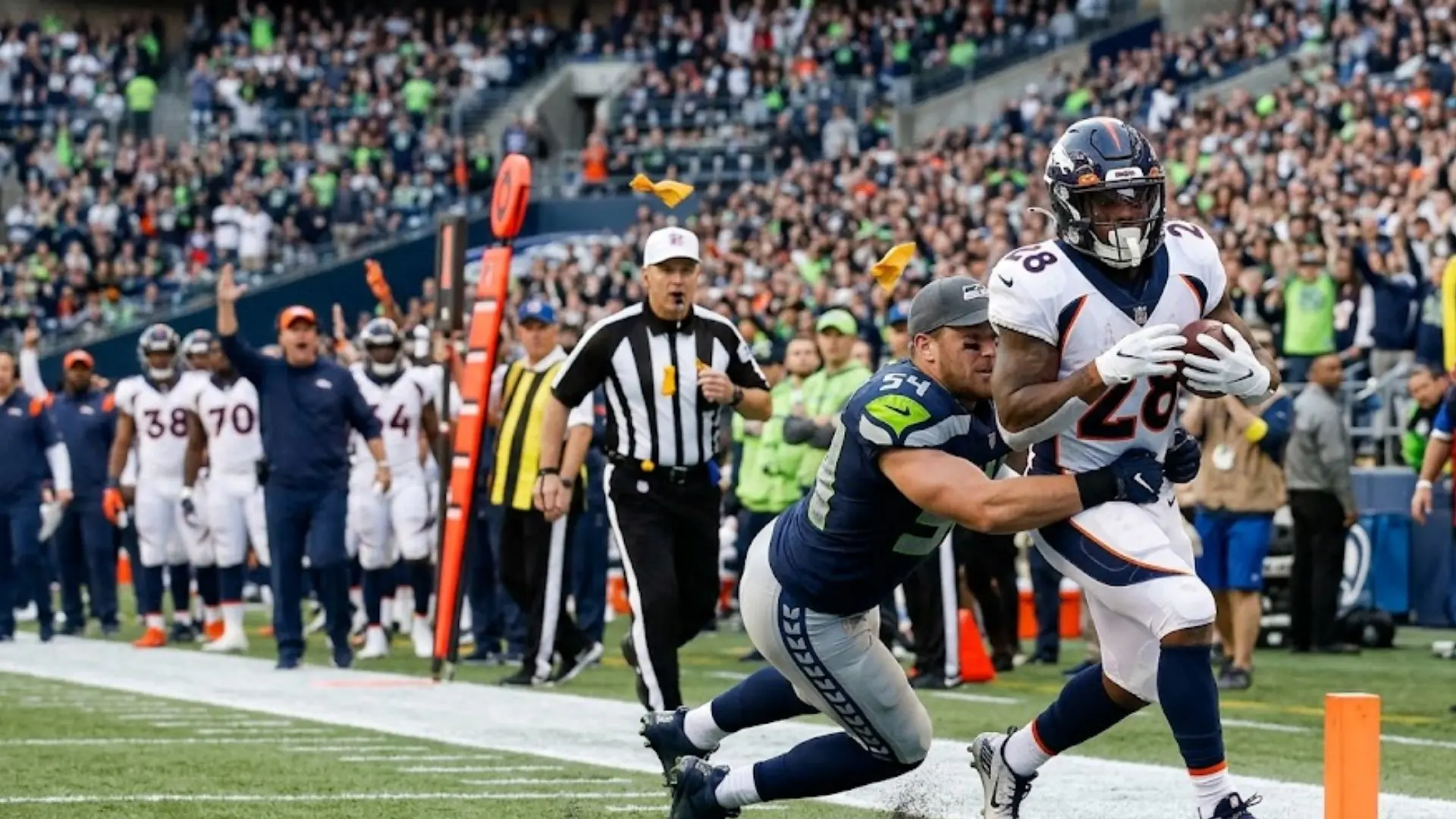

A wild flag on the field can change everything in seconds. Football has rules for almost every kind of foul. But some moments break the game in ways no normal penalty can fix.
That’s where the palpably unfair act rule comes into play. It exists for rare cases when unfairness feels too obvious to ignore.
It gives referees the power to make things right when fairness gets crushed. This rule doesn’t show up often, but its impact hits hard. It stands apart from every other call in the rulebook.
Once you understand it, football feels a little fairer. Keep reading to see exactly how this rare rule works.
What is a Palpably Unfair Act?
Football has a penalty for almost every type of violation, but not every situation can be solved with a few yards and a replayed down.
Sometimes, an action is so clearly unfair that a standard penalty cannot fully restore what was lost. That’s exactly why the NFL has the palpably unfair act rule.
The NFL Rulebook officially states that players, substitutes, and non-players cannot interfere with play by any act that is “palpably unfair.”
In simple terms, it refers to an obvious action that unfairly affects a play or gives one team an advantage that ordinary penalties cannot adequately correct.
The word “palpably” simply means something clear or easy to recognize, so the rule is reserved for situations where the unfairness is obvious rather than debatable.
Referees, in rare cases, can go beyond standard penalties to restore fairness and the play’s likely outcome.
When Is the Palpably Unfair Act Rule Used?
The palpably unfair act rule doesn’t come into play very often, but when it does, a normal penalty just won’t cut it. You’ll notice officials reserve this rule for the clearest, most obvious cases of unfairness on the field:
- Applied when a player unfairly prevents a score that seemed almost certain to happen without that interference
- Covers situations where someone not legally part of the play, like a substitute, interferes with the action
- Comes into play when a player commits an intentional act specifically meant to dodge the consequence of a standard penalty
- Applies to rare, extreme incidents where the unfairness is far too obvious for anyone to overlook
These situations don’t happen every game, which is exactly why the rule stays so rare. You can consider it one of the most unique tools referees have in football.
Examples of a Palpably Unfair Act in Football
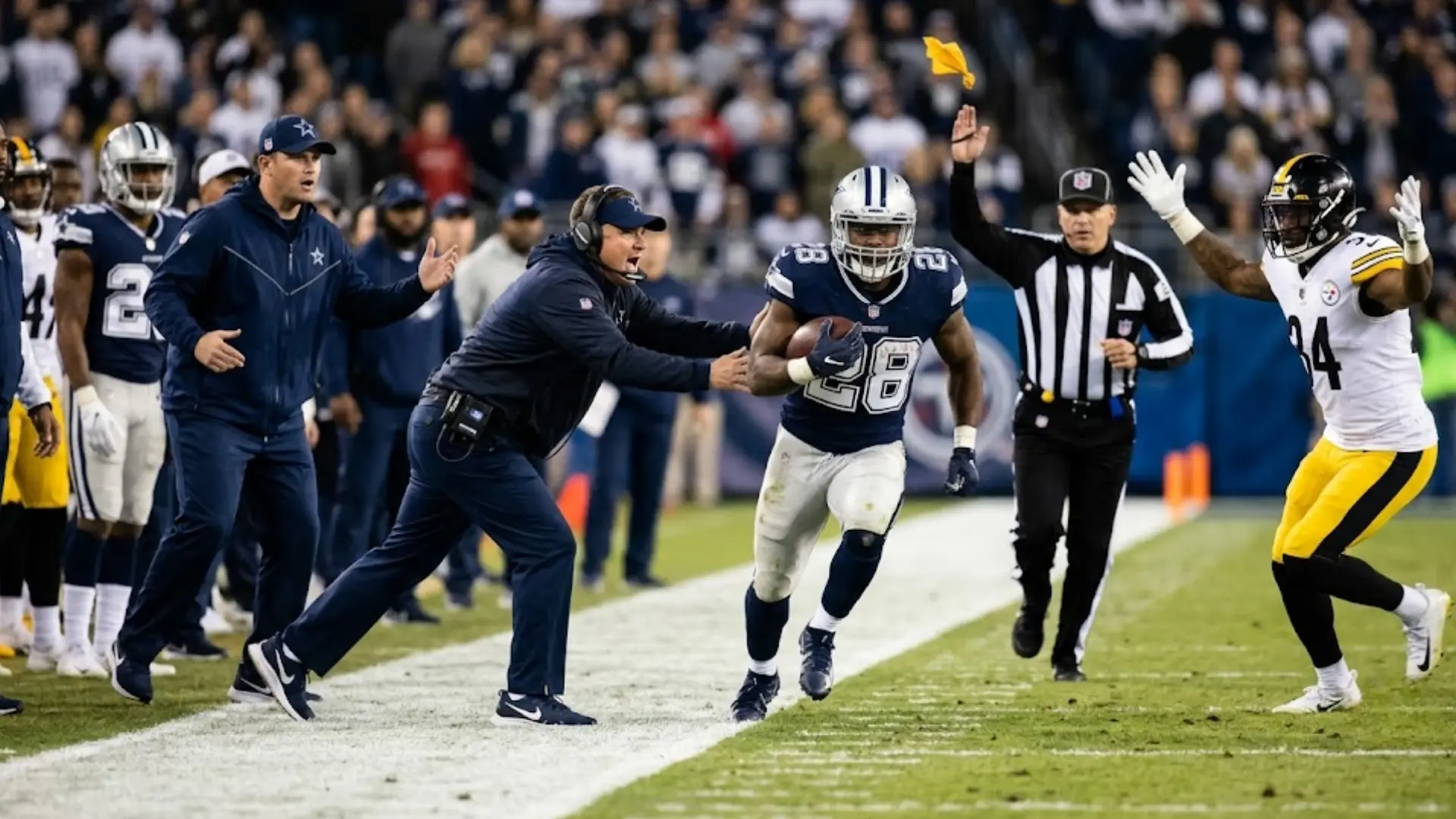
Football rules cover plenty of situations, but a few examples make the palpably unfair act stand out clearly. Here’s a quick look at some real scenarios where this rule comes into play:
1. Defender Tackling a Clear Path to Touchdown
This happens when a defender tackles someone who was about to score. The player had no one left to stop them from reaching the end zone. Stopping them illegally takes away a scoring chance.
Since a normal penalty can’t fairly resolve this, referees step in with a more substantial solution. They can award the touchdown directly. They can also place the ball where the score would likely have occurred.
2. Extra Players Interfering Illegally
Sometimes a team intentionally puts too many players on the field. This gives them an unfair edge during the play. Other times, a team uses illegal substitutions to slow things down.
These tricks are meant to break the normal flow of the game. Referees see through these tactics fast. Since a regular penalty won’t undo the damage, officials apply a stronger fix to keep things fair.
3. Coach or Sideline Interference
Coaches and sideline staff are not supposed to affect live plays. Sometimes someone steps in and disrupts the action anyway. This could mean blocking a player or causing a distraction.
It might also prevent a clear scoring chance. Since this interference breaks the rules in a major way, officials cannot simply issue a standard penalty. They step in and apply whatever fix restores fairness to the game.
What Penalties Can be Applied for a Palpably Unfair Act?
Not every unfair act gets the same response on the field. Referees choose from a set of remedies based on how serious the violation was and what it cost the offended team:
| Penalty | Description | Who Decides | Why It Works |
|---|---|---|---|
| Awarding a touchdown directly | Given when a certain score was unfairly stopped | The referee, based on the play | Replaces the exact outcome that was taken away |
| Placing the ball at a specific yard line | Puts the ball where the play likely would have ended | The referee, after reviewing the play | Restores fair field position |
| Disqualifying a player from the game | Applied when the act was extreme and intentional | The referee, often with other officials | Removes the risk of it happening again |
| Additional yardage penalties or replaying down | Used for less severe violations | The referee, based on how serious the act was | Balances things out without a bigger call |
These remedies give officials flexibility rather than forcing every case into a single fixed penalty. That’s what makes the palpably unfair act rule stand apart from the rest of the rulebook.
Referee Authority and Decision-Making Process
Referees hold a lot of power when it comes to calling a palpably unfair act. They look closely at intent first. Did the player mean to break the play? They also weigh the severityof the action.
A small mistake is not the same as a deliberate, game-changing move. There is no strict checklist for this call. Referees rely on judgment built from years of experience on the field.
The referee crew talks it through together before making a final decision. They want to be sure everyone agrees on what happened. Replay review can help too, though it is not required.
It gives officials one more way to confirm the truth before acting.
Historical Cases of Palpably Unfair Act Calls
Real cases involving the palpably unfair act rule are extremely rare, but a few stand out. Here’s a look at some of the most notable instances over the years:
| Case | Year | What Happened | Outcome |
|---|---|---|---|
| Alabama vs. Rice (Cotton Bowl) | 1954 | An Alabama player left the bench and tackled a Rice runner headed for a certain touchdown | Officials awarded Rice the touchdown anyway |
| Great Lakes vs. Navy | 1918 | A player wrongly tackled a runner on a clear scoring path | The referee awarded the touchdown to the offended team |
| Buffalo Bills vs. Miami Dolphins | 2022 | Fans threw snowballs onto the field, disrupting play | Officials warned the play could be suspended, though no formal penalty was applied |
| Washington Commanders vs. Philadelphia Eagles (NFC Championship) | 2025 | The Commanders committed three straight encroachment penalties to stop a goal-line play | The referee warned that another encroachment would result in an awarded score for Philadelphia |
Note: As of the latest research, no palpably unfair act has ever been officially ruled in an NFL game, even though there have been close calls. The confirmed rulings have mostly come from college football.
Why the Palpably Unfair Act Rule is Rarely Called
The palpably unfair act rule almost never gets used, and there’s a good reason for that. The bar for calling it is set very high.
Most situations on the field can already be fixed with a normal penalty, like a yardage loss or a replayed down. Officials always try standard rules first before even thinking about this one.
It’s really a last resort, not a first option. Only the most extreme, intentional acts even come close to qualifying for it. A referee has to be sure the act was deliberate and clearly unfair, not just a mistake.
That’s why this rule stays in the background most of the time, only stepping in when nothing else can fix the damage.
Impact of a Palpably Unfair Act on Game Outcomes
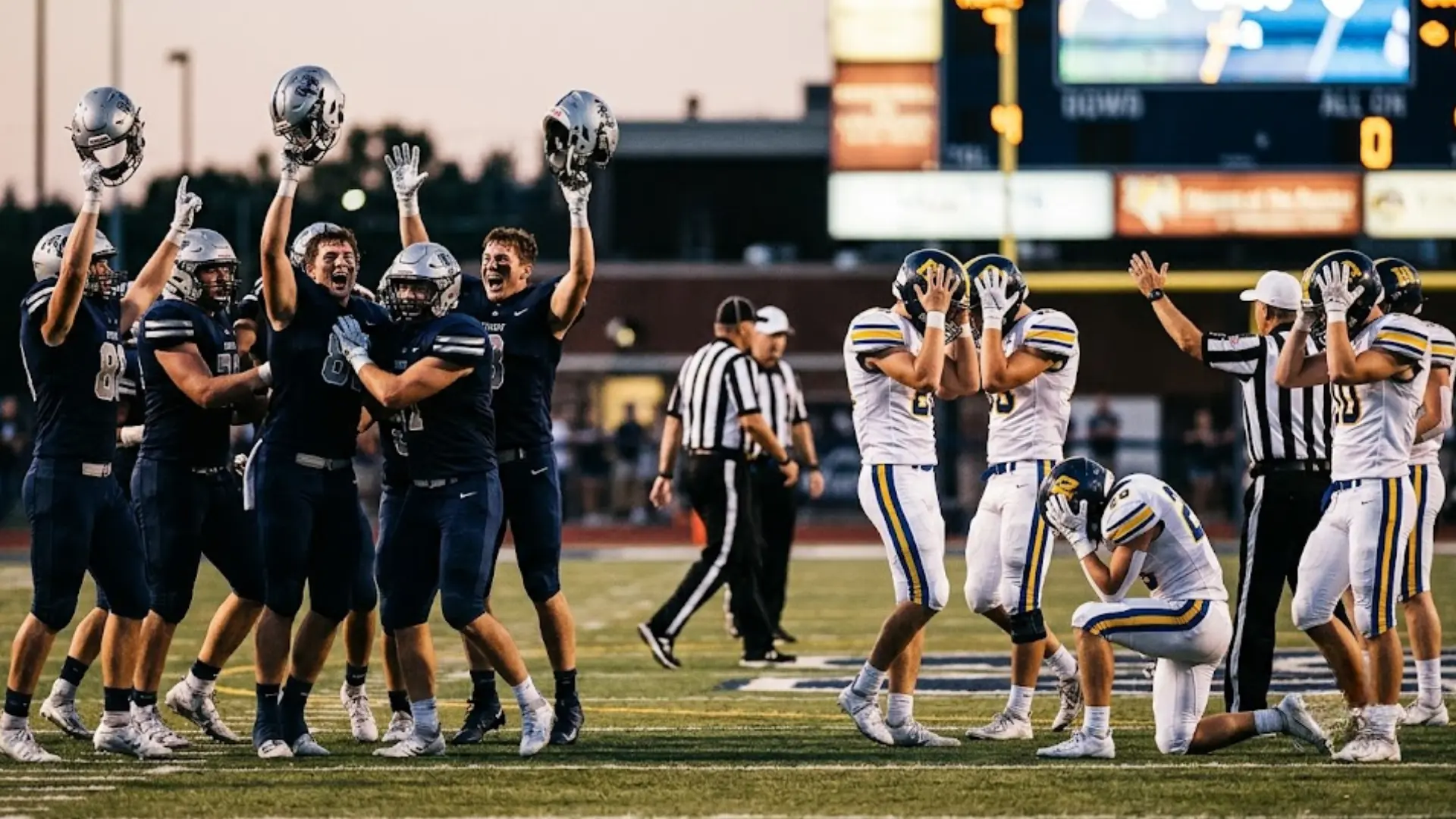
A single ruling under this rule can completely change how a game unfolds. Even though it’s rarely called, its effect on the outcome can be massive. Here’s how it can shape the final result:
- Awarding a touchdown directly can flip the scoreboard in an instant, changing the entire outcome of the game
- Momentum often shifts fast after a call like this, since one team gets a huge boost while the other loses steam
- Disqualifying a key player can weaken a team for the rest of the game, especially if that player is a starter
- These calls can decide close games, since the remedy often replaces points or field position that would’ve been earned anyway
- Even though it’s rare, this rule carries enough weight to change how a game is remembered
This rule shows just how much power referees hold in extreme situations. It’s a reminder that fairness always comes before the final score.
Palpably Unfair Act in NFL vs NCAA Rules
The palpably unfair act rule exists in both the NFL and NCAA, but the two levels don’t handle it exactly the same way. Here’s a side-by-side look at how each league approaches it:
| Aspect | NFL | NCAA |
|---|---|---|
| Enforcement structure | The referee has full discretion after consulting the officiating crew | A referee or umpire has similar discretion, based on the rule wording |
| Remedies allowed | Can award a touchdown, field goal, safety, yardage, or disqualify a player | Now permits awarding a touchdown, though older rules limited remedies to yardage only |
| How officials are empowered | Officials can apply “equitable” remedies based on judgment, not a fixed formula | Officials use similar judgment, guided by rule language calling for fairness |
| Consistency across rulebooks | Rarely invoked; no confirmed official ruling in NFL history | More documented cases exist, including the 1954 Cotton Bowl and the 1918 Great Lakes vs. Navy games |
Even with these differences, both leagues share the same goal of protecting fairness on the field. That’s what makes this rule such a unique safety net in football.
Bringing it All Together
The palpably unfair act rule may be rare, but it carries real weight. It reminds you that fairness always matters more than a scoreboard. Referees use it only when nothing else can fix the damage.
That rarity is exactly what makes it stand out in football. It protects players from actions that steal a fair result. It also shows how much trust the game places in officials.
Every sport needs rules like this to stay fair and balanced. Football stays exciting partly because moments like these rarely happen.
Now that you know how this rule works, watch games differently. Drop a comment below and share your thoughts on this rule.
Frequently Asked Questions
Can a Palpably Unfair Act be Reviewed on Replay?
No. Replay officials can review specific aspects of a play, but a palpably unfair act remains a judgment call made by the on-field officiating crew.
Does the Rule Apply in Overtime?
Yes. The rule remains in effect throughout the game, including overtime, to address rare situations that could unfairly influence the outcome.
Is the Rule Unique to Professional Football?
No. Similar provisions exist in college football and other levels of the sport, though the wording and enforcement procedures can differ.