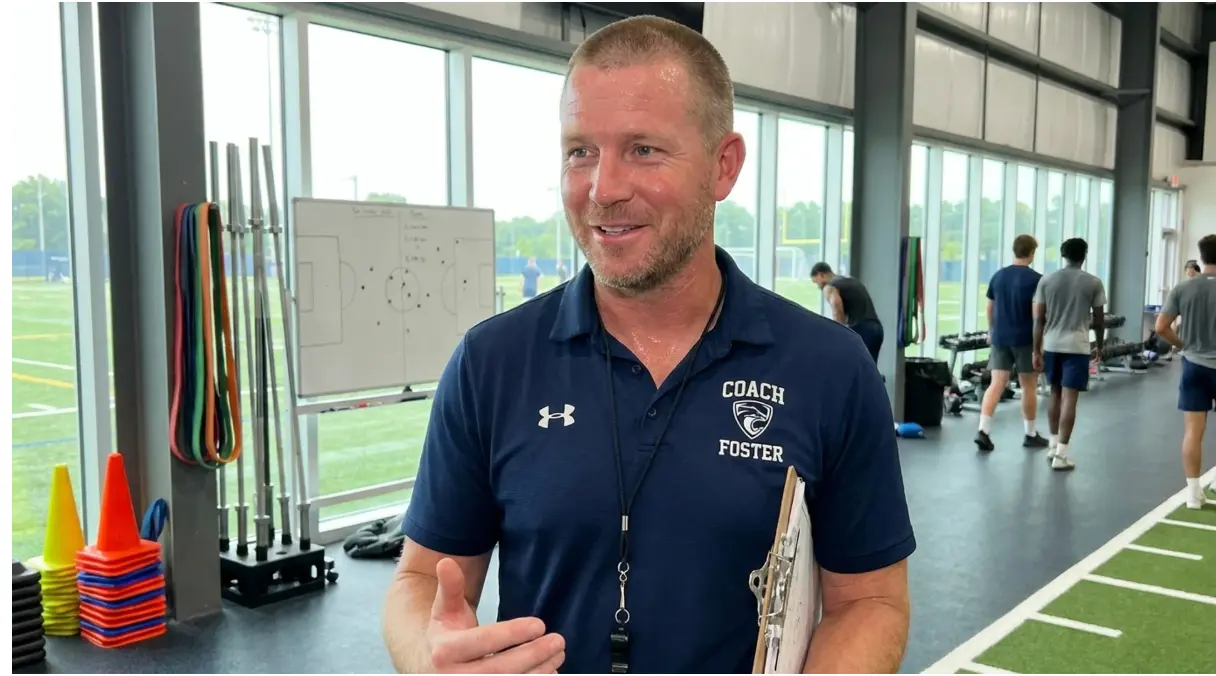



If you’re thinking about getting your child into football, or they’ve expressed interest in the sport, a youth football camp is one of the best first steps you can take.
I know that as a parent, you want to make sure your child has a great experience: learning from quality coaches, building confidence, and making new friends who share their passion for the game.
But with so many youth football camps available, from local programs to specialized training facilities, it can feel overwhelming to know where to start.
That’s why I’ve put together this guide to help you understand the whole process.
This guide will walk through different types of youth football camps, how to choose the right one for your child, what to expect during camp, and how to help your child prepare to make the most of their experience.
What are Youth Football Camps and Why They Matter
Youth football camps are organized training programs designed to teach kids the fundamentals of football in a structured, supportive environment.
They focus on skill development, proper technique, and helping young players understand the game’s basic concepts. I’ve found that camps serve multiple purposes beyond just athletic training.
They provide kids with hands-on instruction from experienced coaches. Most youth football camps bring in coaches who know the game inside and out, and they’re local high school coaches, former college players, or professional trainers.
Your child gets direct feedback on their technique, positioning, and decision-making on the field.
In my own sessions, I’ve noticed that kids retain technique faster when a coach corrects them in the moment rather than after the drill ends.
That immediate feedback loop is one of the biggest and most underrated advantages a camp has over practicing alone in the backyard.
Types of Youth Football Camps Available
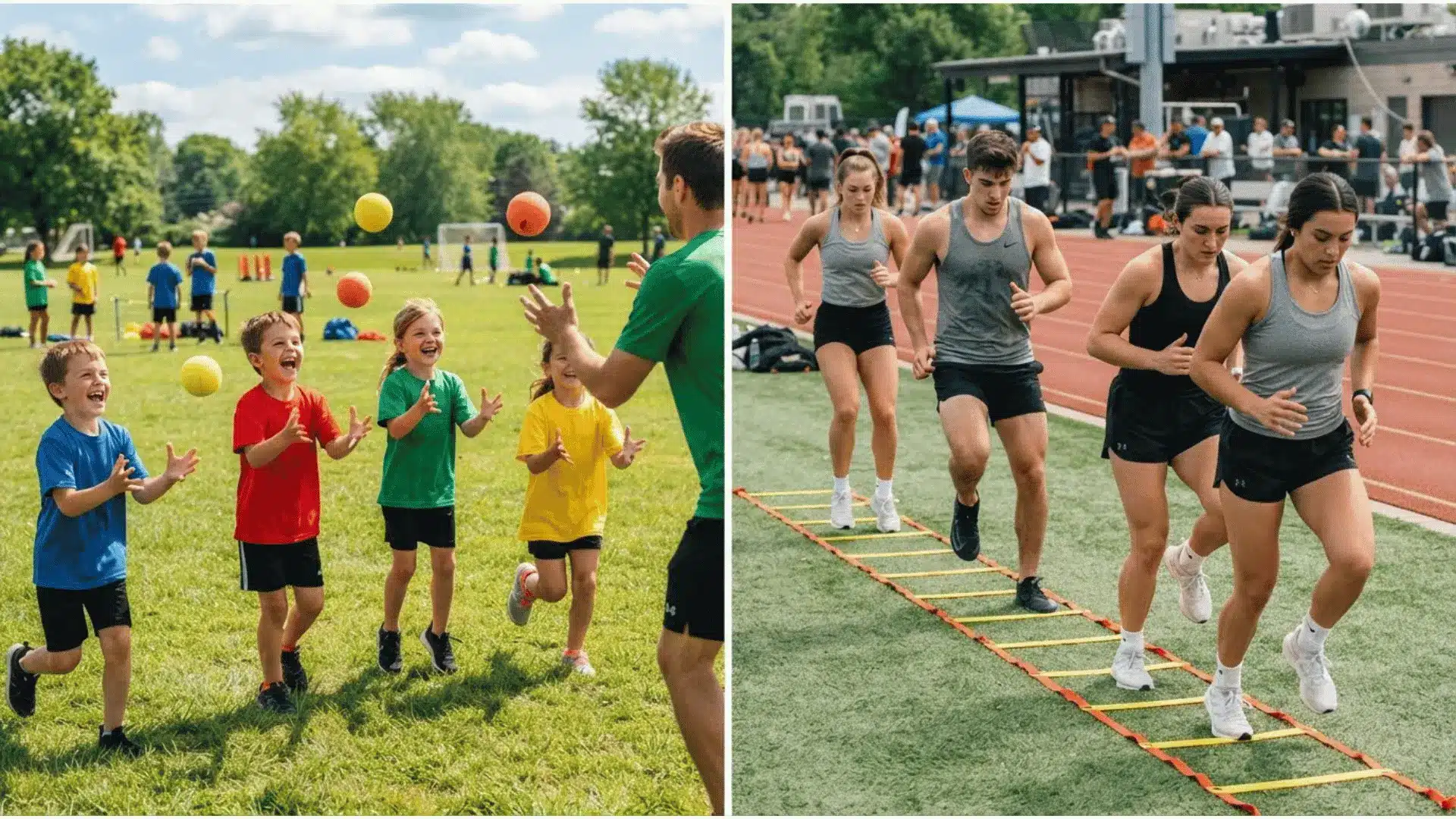
Youth football camps come in several different formats, and understanding each one helps you choose the best fit for your child.
| Camp Type | Target Audience & Experience | Primary Focus | Key Features |
| Beginner/Fundamentals Camps | Absolute beginners; no prior playing experience required. | Basic skills (catching, passing, running, field positions). | Emphasizes a fun, welcoming environment and confidence-building. |
| Position-Specific Camps | Kids who know their preferred role or show natural talent in one area. | focused drills and strategies for specific roles (quarterback, receiver, lineman, etc.). | Delivers highly focused, role-specific training and development. |
| Speed and Agility Camps | Athletes across all positions are looking to improve physical metrics. | Athletic development, conditioning, and movement patterns. | Focuses on footwork, acceleration, and overall explosiveness on the field. |
| Elite or Showcase Camps | Advanced players with established playing experience; not for beginners. | High-level competition and advanced skill application. | Provides a platform to get noticed by high school or college scouts, potentially. |
Youth Football Camps in the Wichita Area

Wichita has a healthy mix of youth football programs, which is great news if you’re looking to stay close to home. I’ve grouped the main options below so you can quickly compare what’s out there.
Before you commit to any specific youth football camp, I always suggest checking the current year’s dates, fees, and age brackets on the program’s official page, since these details shift year to year.
Local Camps and Programs Worth Considering
Here’s a quick look at some of the youth football programs that regularly serve the Wichita area. I’ve included camp style, age range, and rough cost so you can shortlist a few before digging deeper.
| Program | Type | Ages | Approx. Cost | Notes |
| Nick Bolton Youth Football Camp (FlexWork Sports) | Single-day skills camp | Youth (age groups vary) | Check site | Led by Kansas City Chiefs LB Nick Bolton |
| SP FBA Wichita Youth Football Camp (Sharp Performance) | Non-contact, one-day skills | Youth divisions | Check site | Position-specific drills, athletic trainer on site |
| Greater Wichita YMCA Football | Recreational league + Summer Football Frenzy trainings | 1st–8th grade | Membership-based | Tackle and flag options |
| Wichita Junior Football League | Full-season city league | 1st–8th grade | ~$75 (early) / $100 (late) | Runs September–October, city-operated |
| Kansas Youth Sports Foundation | Non-contact skills camps | Youth divisions | Check site | Focus on fundamentals and safety |
What to Look For in a Wichita Program

Wichita programs tend to fall into two buckets, and knowing the difference saves you time. Here’s how I’d sort them.
- Skills: Single-day or short camps focused on drills, technique, and position work. Good for beginners and skill polish.
- Season: Full leagues, like the Wichita Junior Football League or the YMCA, that include practice, games, and team play. Better for kids ready to commit.
- Contact: Some are non-contact learning camps (no pads or helmets). Others involve tackling. Ask before you register.
- Coaching: Look for programs that group kids by age, size, and skill, not just age alone. This keeps your child safer and more engaged.
How to Find and Register for Camps

If you wait until late spring, popular programs may already be full or charging late fees. I’ve registered kids for camps in multiple states, and the process is nearly identical everywhere.
The trick is knowing where to look and what to have ready before you click submit. This saves you the back-and-forth of chasing down forms, medical info, or payment details at the last minute.
1. Where to Search for Camps
Not every good camp shows up on the first page of Google. Here’s where I look first when I’m hunting for options in a new city or region.
- Local: Start with your city’s parks and recreation website. Many run their own leagues or partner with organizations that do.
- YMCA: Almost every major city has a YMCA offering youth football, and they tend to be affordable and beginner-friendly.
- Aggregators: Sites like ACTIVE.com and SportsSignup list hundreds of camps by ZIP code, sport, and date.
- Pro: NFL club websites (like Chiefs, Cowboys, or Broncos) often run regional camps in partnership with players.
- Schools: Local high school football programs sometimes host summer camps for younger kids in the district.
2. The Registration Process Step by Step
Once you’ve picked a program, registration is usually quick if you’re prepared. Most youth football camps use online forms that take about 10 to 15 minutes to complete.
1. Create an account on the camp’s registration platform (often SportsEngine, TeamSideline, or a custom portal).
2. Add your child’s profile with their name, birthdate, grade level, and playing experience.
3. Complete the waiver and medical forms, including any allergies, medications, or past injuries.
4. Select the session and payment option. Look for early-bird discounts, sibling deals, or scholarship options.
5. Save your confirmation email. It usually contains gear lists, drop-off times, and coach contact info.
3. Information to Have Ready Before You Register
To skip the scramble, I keep a simple folder on my phone with the info most camps ask for. It cuts registration time in half.
- Personal: Child’s full name, birthdate, grade level, and school
- Contact: Parent/guardian phone, email, and one emergency contact
- Medical: Doctor’s name, insurance details, allergies, and any current medications
- Physical: A recent sports physical form (many camps require one from the last 12 months)
- Payment: Credit card or bank details, plus a copy of any scholarship or discount code you plan to use
How to Choose the Right Youth Football Camp for Your Child
Choosing a youth football camp isn’t about finding the fanciest program or the one with the best reputation; it’s about finding the right fit for YOUR child.
I always advise parents to think about their child’s unique needs before enrolling.
1. Consider Your Child’s Age and Skill Level
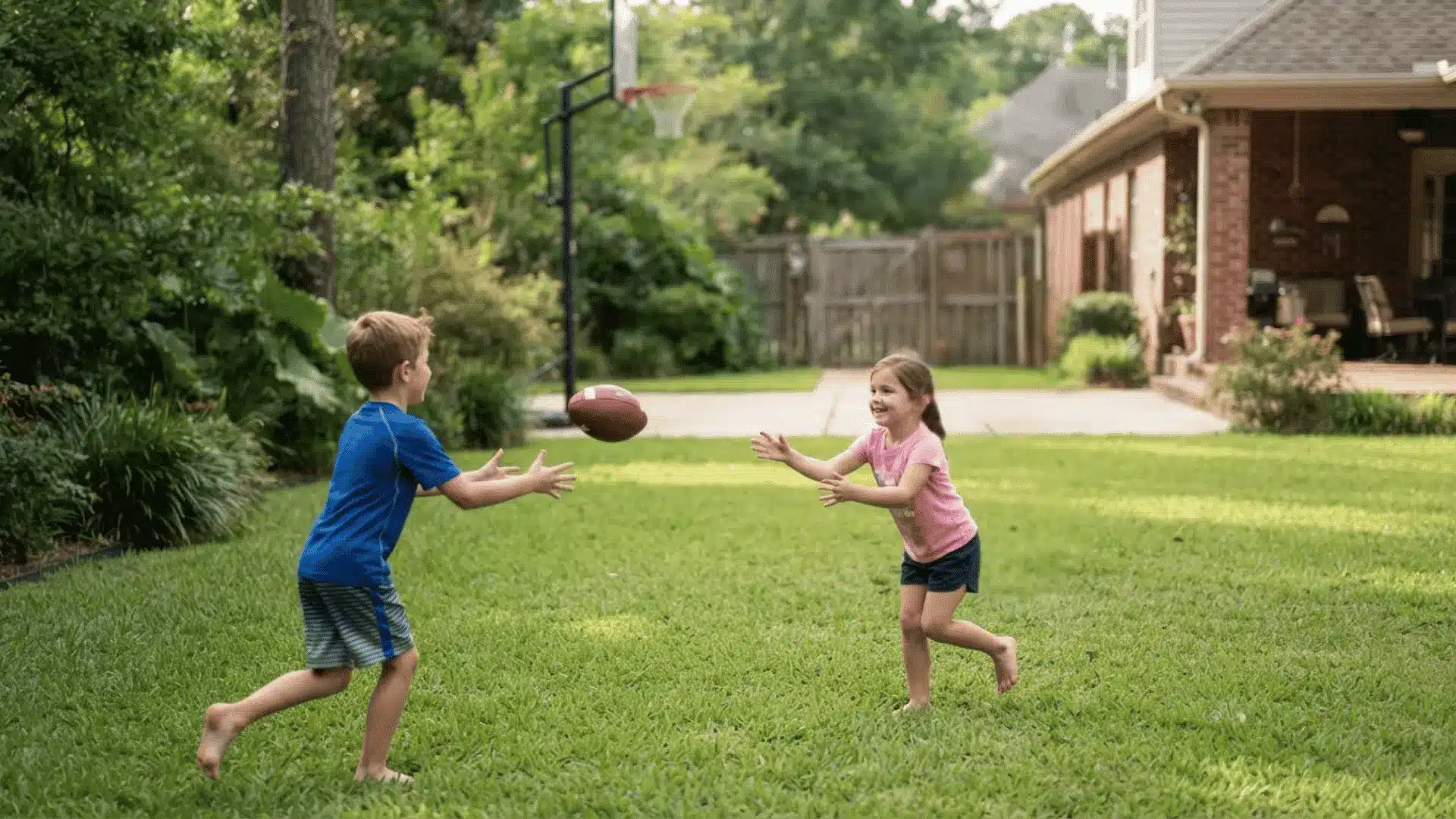
First, match the camp to your child’s age group. Most youth football camps are organized by age ranges (6-8, 8-10, 10-12, 12-14). This matters because coaching methods, drills, and intensity levels differ by age.
Younger kids need more emphasis on fundamentals and fun. Older kids can handle more complex plays and strategies.
Skill level is equally important. A beginner camp is wrong for a child who’s played on a team for two seasons. Conversely, an advanced camp will frustrate a child just starting.
Be honest about where your child stands, not where you hope they’ll be.
2. Evaluate the Coaching Staff
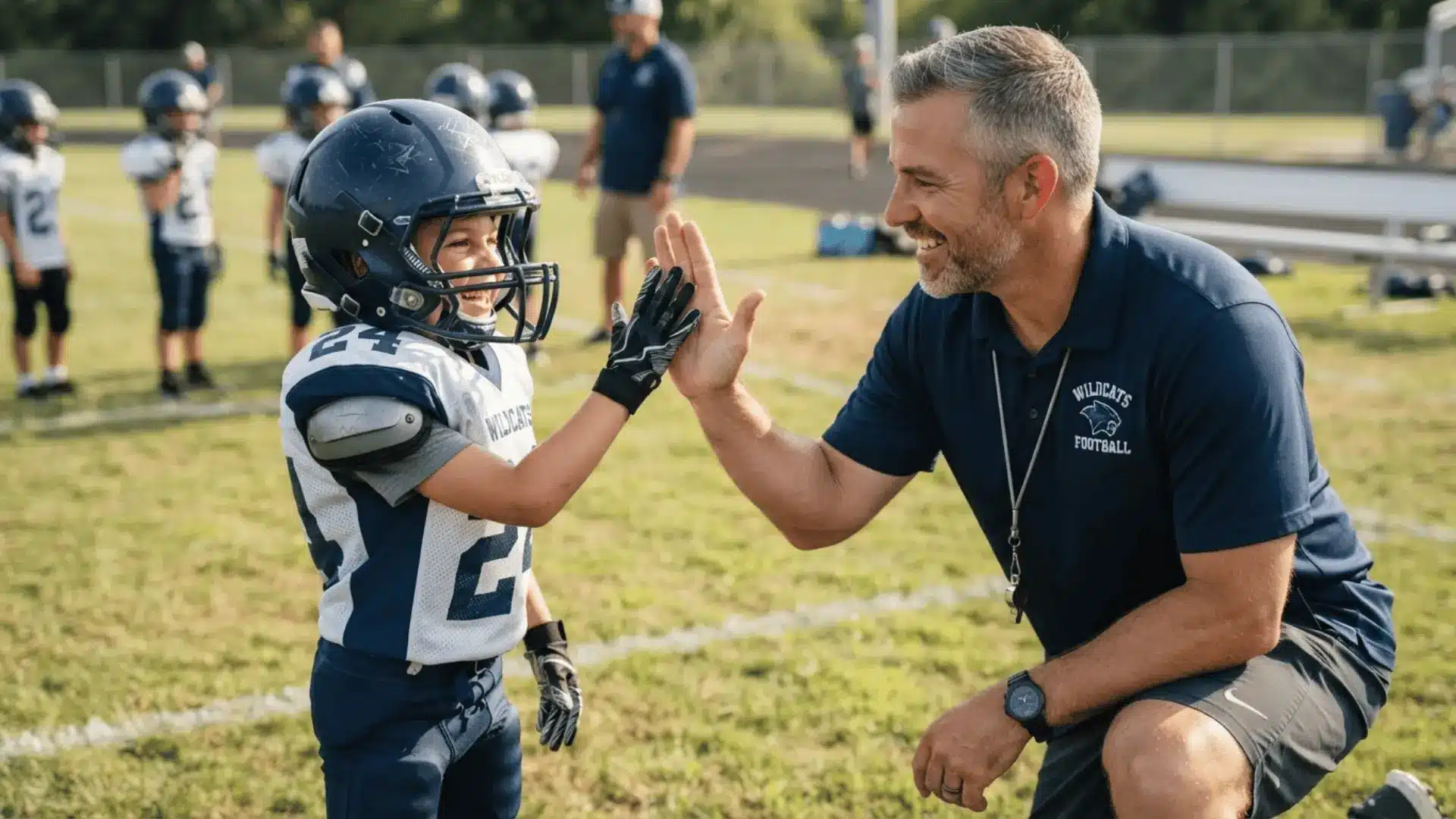
Who’s running the camp matters tremendously. Ask the program organizers about coach credentials.
Have they coached before? Do they have playing experience? Are they certified? The best coaches don’t just know football; they know how to teach kids.
Certification is worth asking about specifically. Look for coaches with USA Football certification or an equivalent state athletic association credential, which typically covers safe tackling technique, concussion recognition, and age-appropriate contact limits.
A camp that can’t answer this clearly is a camp I’d think twice about.
Also consider coaching philosophy. Does the camp emphasize competition, fundamentals, or a mix of both? Some camps are intense and push kids hard; others focus on fun and building confidence.
Both are valid; you need to know which matches your child’s personality.
3. Location and Schedule Logistics
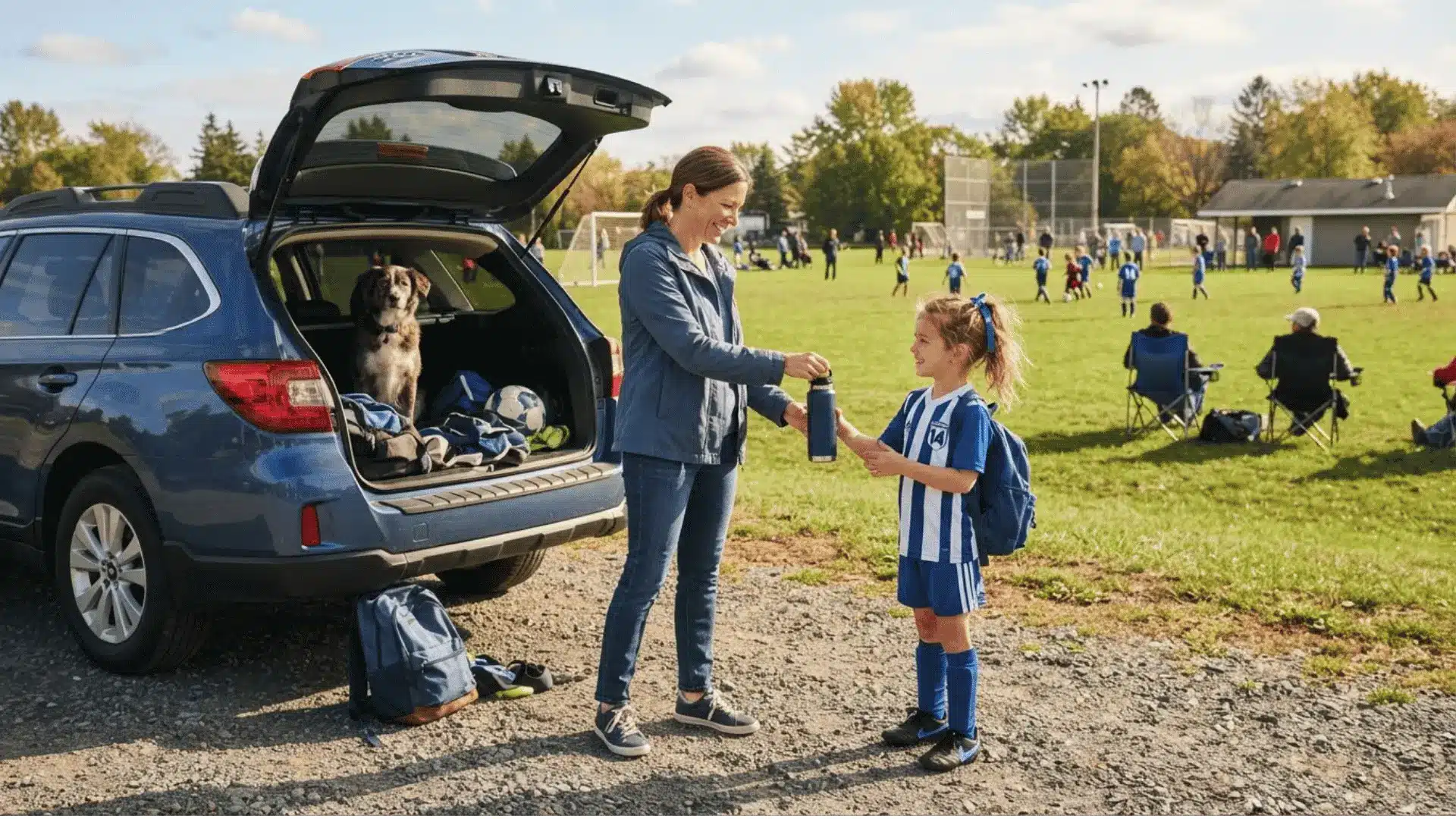
Be practical. Is the camp location easy to reach? How much driving are you willing to do? What’s the schedule? Does it work with your family’s summer plans, school calendar, or work schedule?
Camps that run evenings vs. full days affect your family’s routine differently.
4. Cost and What’s Included
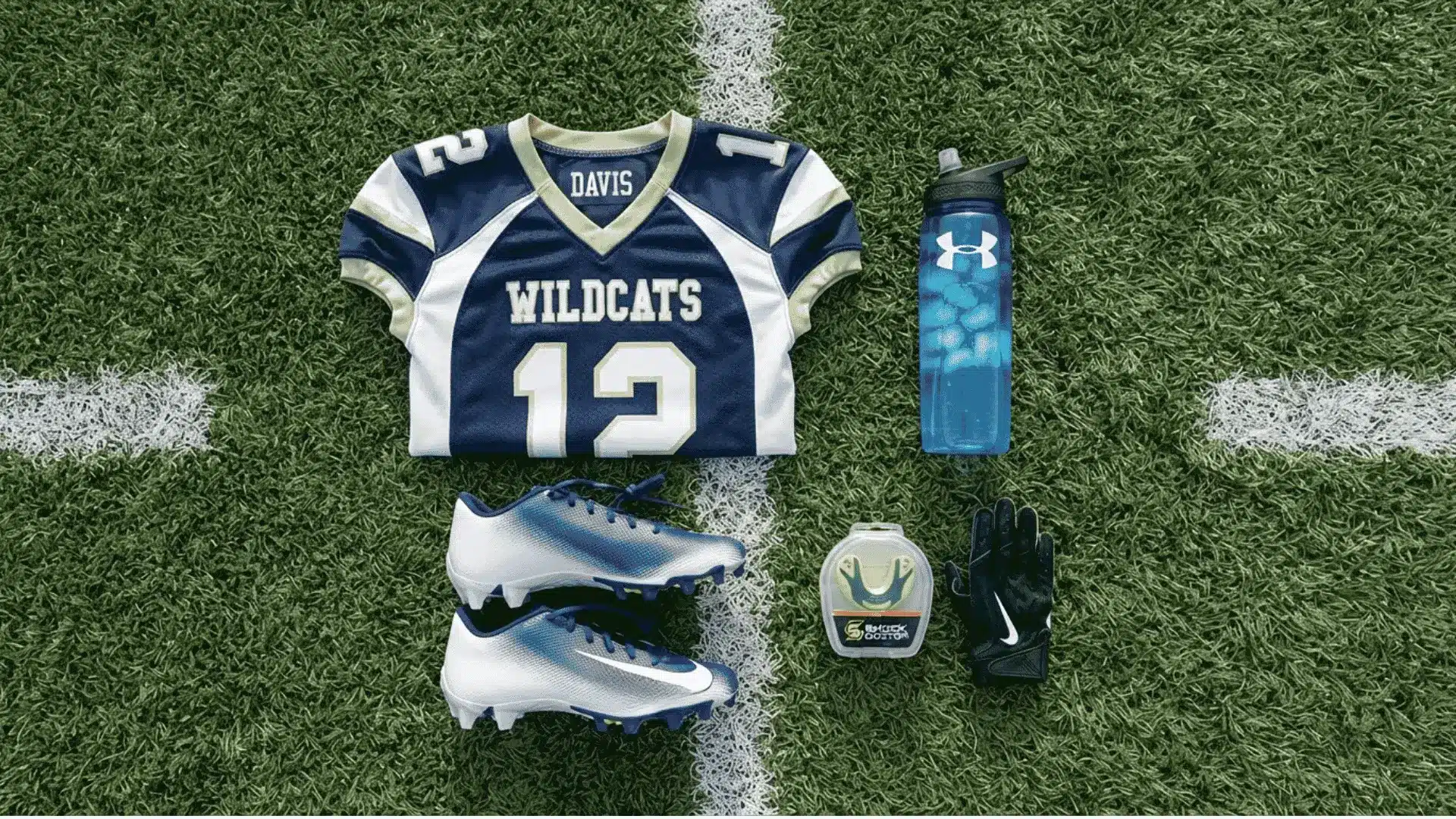
Compare prices, but also understand what you’re paying for. Does the $150 fee include all equipment rental, or do you need to bring cleats and a mouthguard? Are snacks and water provided?
Some camps charge extra for photos, certificates, or advanced drills. Get a full breakdown before committing.
5. Reputation and Parent Reviews
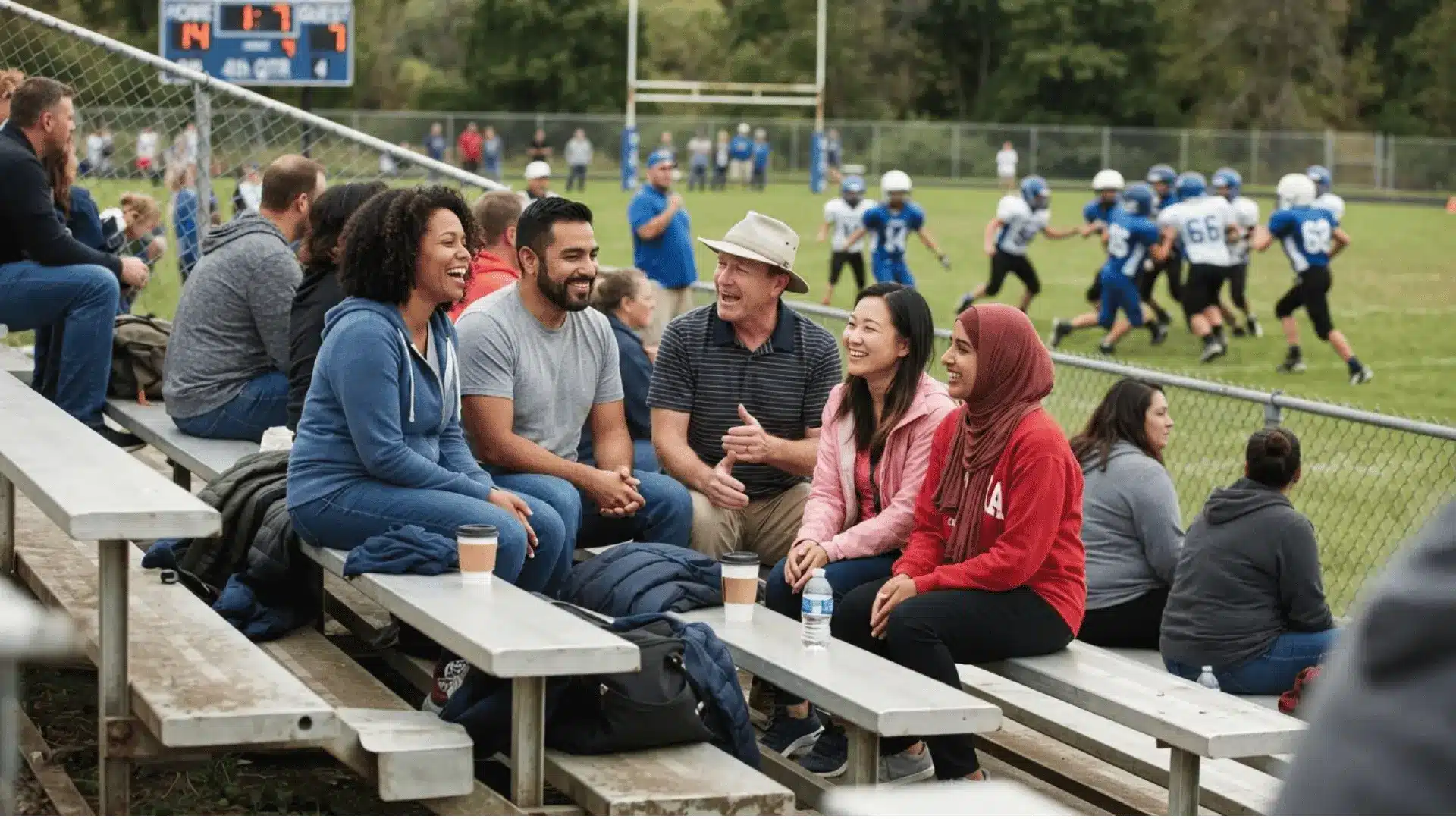
Check Google reviews, Facebook recommendations, and ask other parents. What did their kids experience? Did the coaches communicate well? Was the program well-organized? Real parent feedback is invaluable.
How to Prepare Your Child Before Youth Football Camp
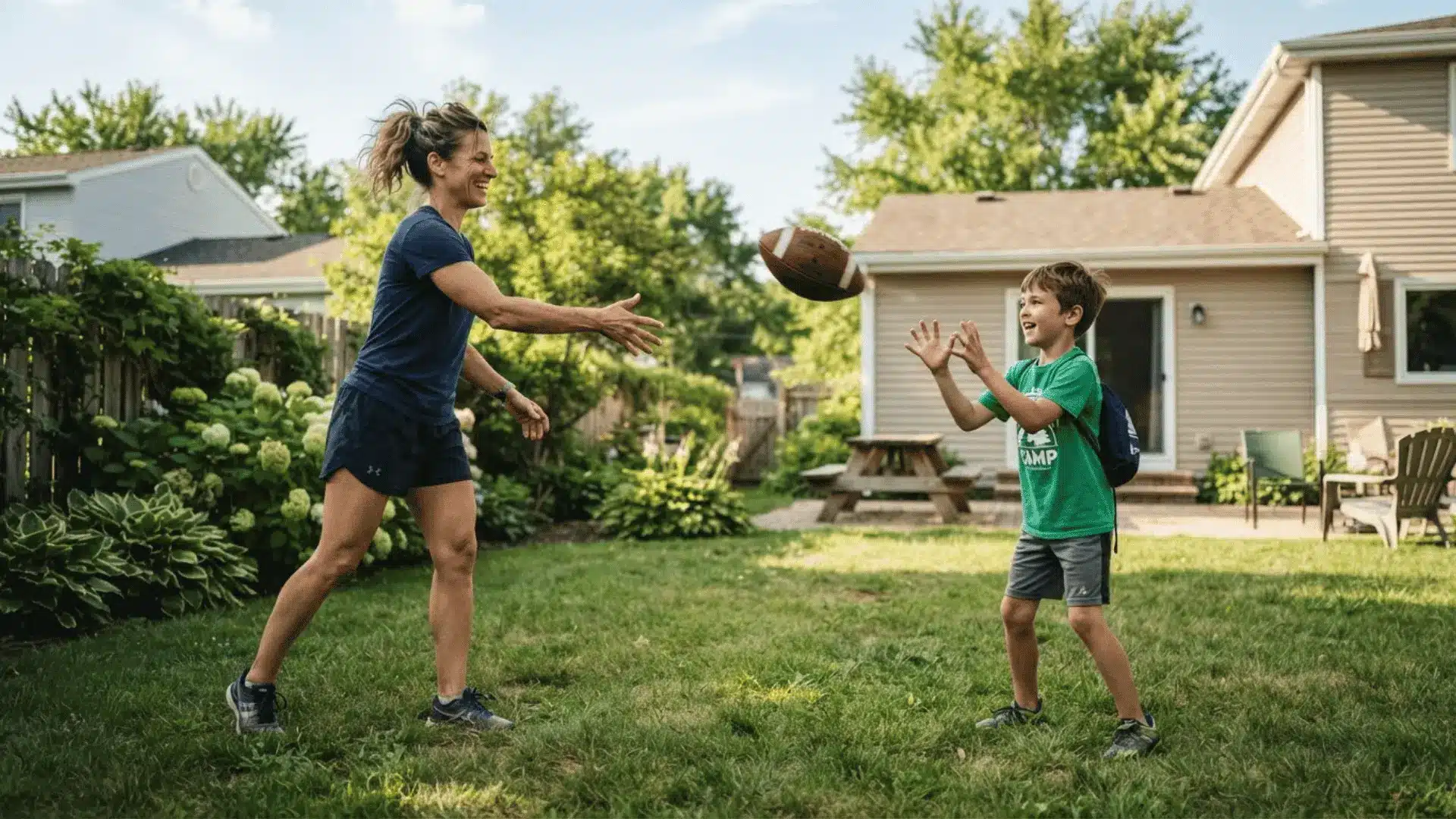
If your child is attending their first youth football camp, or even their fifth, preparation makes a huge difference in their experience.
I’ve seen kids walk into camp nervous or unprepared, and it affects their confidence. Here’s how to set them up for success:
- Fitness: Your child does not need to be an athlete to start, but basic fitness helps. Have them do light running or jumping jacks a few weeks before. Focus on leg strength and stamina. Kids in decent shape enjoy themselves more and avoid injuries.
- Practice: Use a football or any ball you have at home. Toss it back and forth to practice throwing and catching. You do not need to know the sport. Have your child practice running and changing directions to build muscle memory and confidence.
- Basics: Spend time talking about the sport with your child. Explain the main positions and the goal of the game. You can watch a youth game together. Understanding these simple rules helps kids appreciate the camp much more.
- Mindset: Talk to them about meeting new coaches and kids. Explain that some drills might feel hard, but they will also have fun. Remind them that everyone starts somewhere. Kids who know what to expect feel less anxious and more ready to play.
- Gear: Make sure your child has athletic shoes with good ankle support. Pack comfortable shirts, shorts, a water bottle, and a towel. Some camps provide cleats, while others ask you to bring them. Always check with the camp to see what they supply.
What to Expect at Your Child’s First Youth Football Camp
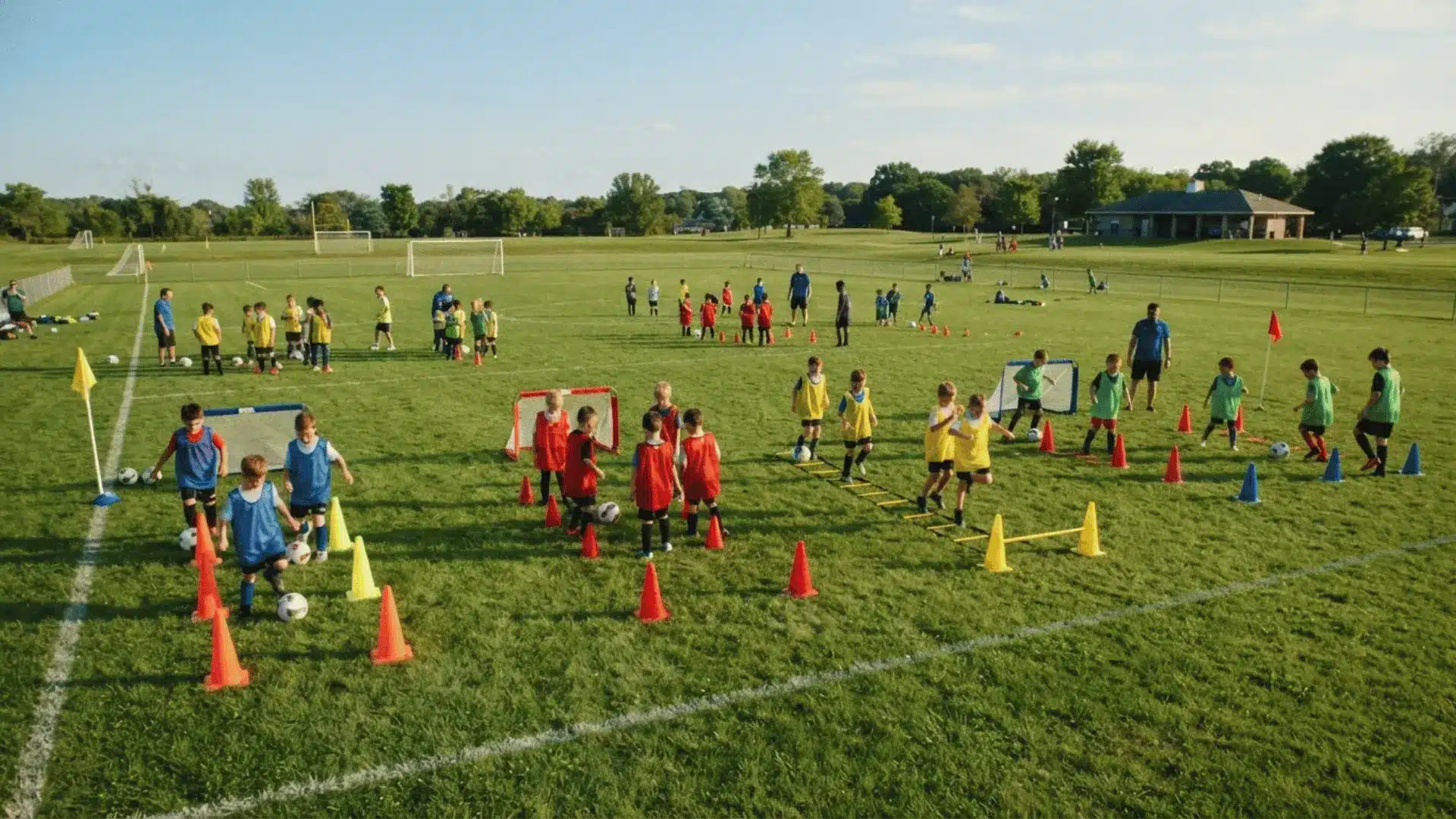
Your child’s first youth football camp will follow a typical structure, though the exact flow varies by program:
| Camp Element | What To Expect |
| The Schedule | Kids warm up, rotate through skill stations, take regular water breaks, and finish with a friendly team scrimmage. |
| Group Size And Personalization | Sessions host 20 to 50 kids, broken into smaller groups of 8 to 12 for personal attention and active participation. |
| Coaching Style | Coaches combine positive support with gentle corrections, giving individual feedback to build good habits safely. |
| Skill Progression | The main goal is to build confidence and introduce basic plays. Real skill growth happens over months of steady practice. |
One thing I always tell parents: don’t judge the camper or your child’s ability based on a single week.
A week of camp plants the seed for good habits, but the actual skill jump usually shows up weeks later, once those habits get repeated on their own team or in the backyard.
Registering Your Child: What You Need to Know

Once you’ve chosen a camp, registration is usually simple. Most programs offer online registration through their website. Here’s what to prepare.
1. Information You’ll Need
Have ready: your child’s full name and date of birth, your contact information (phone and email), emergency contact details, and any medical information (allergies, past injuries, medications).
Some camps ask about your child’s football experience level so they can place them in the right group.
2. Medical and Safety Forms
Camps require a physical activity waiver. Some ask for a health form or proof of a recent physical exam. Review these carefully and be honest about any medical conditions or injuries that might affect participation.
If your child has had a concussion before, in any sport, mention it on the form and to the coaching staff directly. Prior head injuries change how quickly a second one can happen, and a good camp will want to know.
3. Questions to Ask the Camp Organizer
Before finalizing registration, I recommend asking:
- What’s the coach-to-player ratio?
- What’s the cancellation or refund policy?
- Are siblings discounted?
- What happens if my child gets injured?
- Will there be photos or videos I can access?
- What’s the drop-off and pick-up procedure?
- Are there scholarships or financial aid available?
4. Payment and Logistics
Most camps accept credit cards, checks, or PayPal. Some offer early-bird discounts if you register weeks in advance. Confirm the payment deadline, and only when you get a confirmation email with final details.
Day Camps vs. Multi-Day Camps
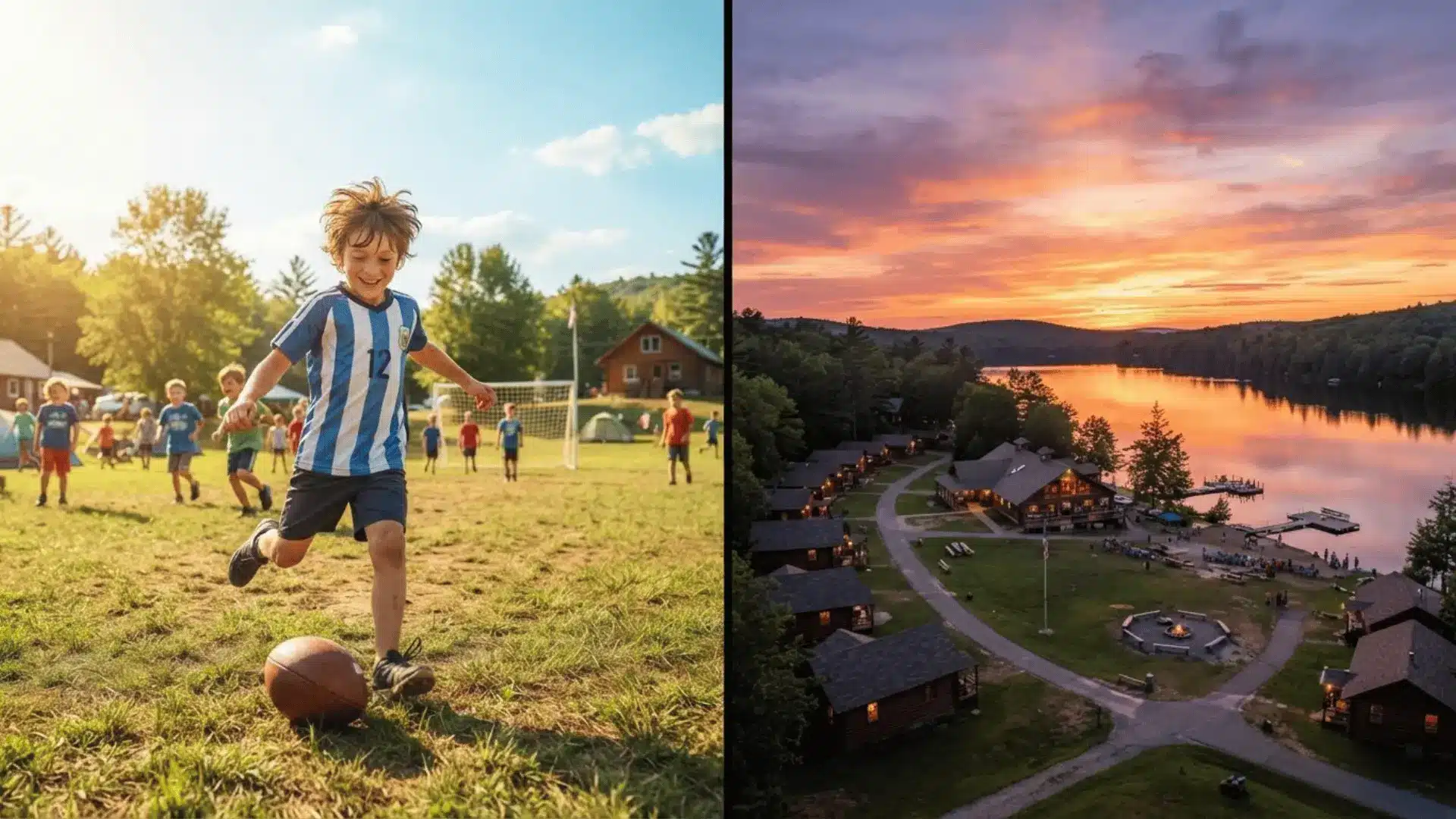
Usually vary in structure. Day camps typically run for 2-3 hours in the evening or afternoon during school breaks. Multi-day camps are intensive, running full days for a week or more during summer.
| Camp Type | Best For | Time Commitment | Cost Range |
| Beginner/Fundamentals | New to football, ages 6-10 | 4-6 hours per week | $100-200 |
| Position-Specific | Players with some experience | 5-10 hours per week | $150-300 |
| Speed & Agility | All levels want conditioning | 3-5 hours per week | $120-250 |
| Elite/Showcase | Advanced players, ages 12+ | 20+ hours over several days | $300-800 |
| Day Camps | Kids with limited availability | 2-3 hours per session | $50-150 per session |
Conclusion
Choosing and attending a youth football camp is a wonderful way to introduce your child to football in a supportive, structured environment.
From understanding the different camp types to preparing your child and knowing what to expect, you now have the tools to make an informed decision.
Remember, the best youth football camp isn’t necessarily the most expensive or most prestigious; it’s the one that fits your child’s age, skill level, and personality. Take time to research options, ask questions, and trust your instincts about what feels right for your family.
Start by exploring camps in your area, reading reviews, and talking to your child about their interests. Then take that first step; register for a camp and watch your young athlete grow.
Frequently Asked Questions
What if My Child Gets Injured at Football Camp?
Most programs have first aid protocols and certified trainers on site. They will quickly contact you if an injury occurs. Always ask about their medical response plan before enrolling.
Are there Scholarships for Youth Football Camps?
Yes, many programs offer payment plans or need-based scholarships. You can also check local community centers for financial help. Ask the camp director about making it affordable.
Can My Child Attend Multiple Camps in One Summer?
Absolutely. Kids often join a fundamentals camp first, followed by a specific position camp. Just be sure to space them out so your child gets enough recovery time.
What is the Difference Between a Camp and a League?
Camps are short-term programs that teach basic skills in a friendly setting. Leagues are season-long and highly competitive. Camps work best for beginners learning the game.