

Millions of fans draft their teams each fall, yet very few know how this massive game actually began. The idea first took shape during a 1962 road trip, followed by the first official draft in 1963.
If you are wondering when fantasy football started, I have tracked down the exact timeline to give you the full story.
In this post, I will explain who created it, why the original accounts are disputed, and the strict rules from the very first league.
You will also see how it spread from a small private group into the household staple we play today.
Who Invented Fantasy Football?

The credit for inventing fantasy football goes to Bill Winkenbach, a Bay Area businessman and limited partner in the Oakland Raiders. He didn’t build it alone. Sports writers and team staff on that same road trip helped shape the early rules.
Together, they formed the Greater Oakland Professional Pigskin Prognosticators League, better known by its shortened name, the GOPPPL.
- Bill Winkenbach’s Big Idea: He ran a successful tile business and used his Raiders connection to get close access to players and stats. That access made him a natural fit to run the league. He took on the role of first commissioner, writing the original rulebook and keeping the early group organized through those first seasons.
- The Games That Inspired It: Football wasn’t Winkenbach’s first attempt at this idea. Back in the late 1950s, he ran private fantasy pools for golf and baseball among friends.
Tip: Those earlier pools worked like a testing ground. He used them to figure out which scoring methods actually kept people engaged, and that groundwork carried straight into the football version that followed.
When Did Fantasy Football Start?
Fantasy football started in the fall of 1962, when a small group tied to the Oakland Raiders sketched out a new way to follow the sport during an East Coast road trip. The idea sat for almost a year before it became official.
- Concept created: Fall 1962, Manhattan hotel room
- First official draft: August 1963
- League size: 8 teams
- First overall pick: George Blanda
The 1962 Hotel Room Origin
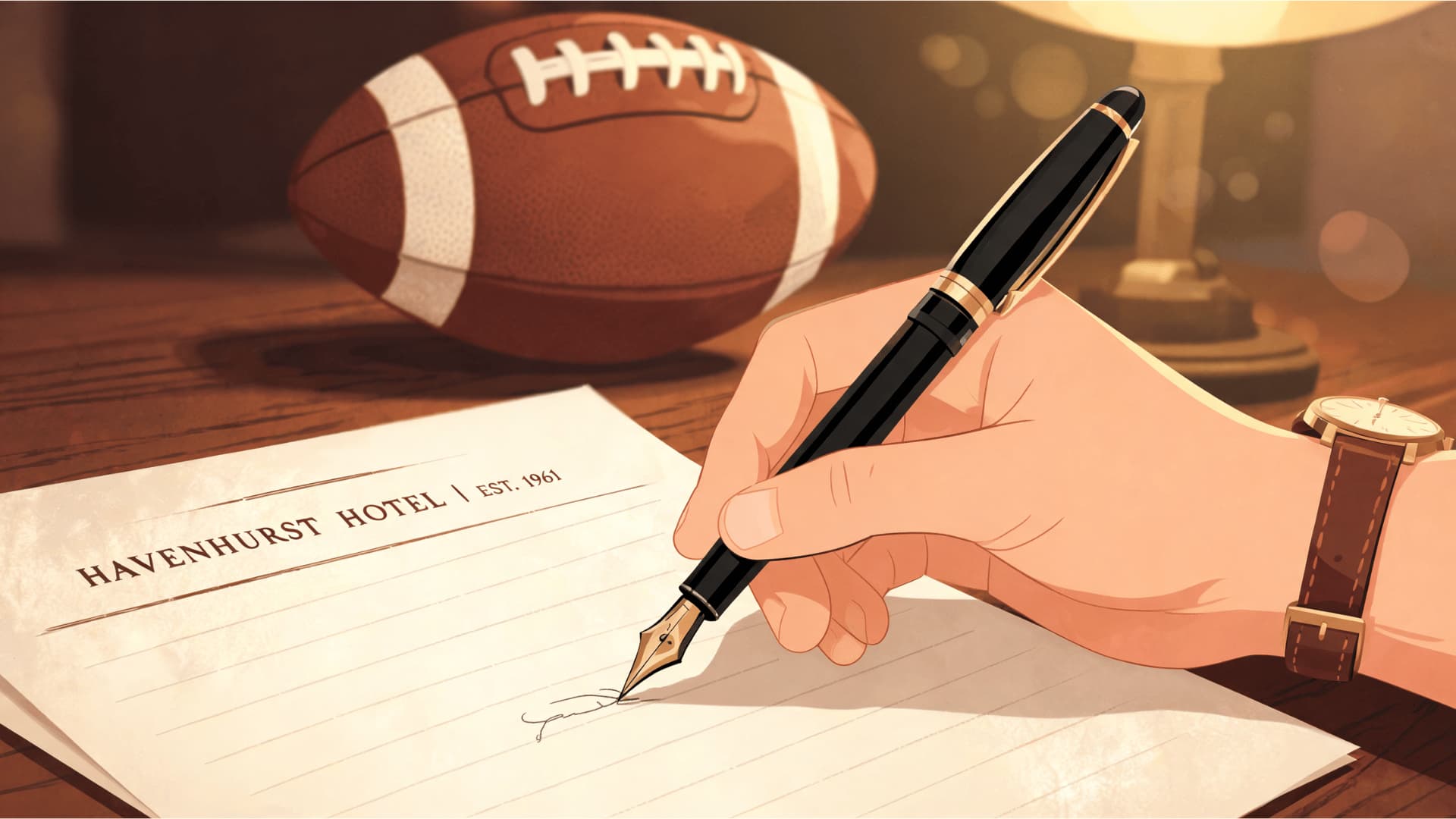
The idea came together in a Manhattan hotel room. While the Raiders traveled for a multi-game stretch, a handful of men stayed up late talking through how to turn football into a prediction game, similar to ones they already played in other sports.
They grabbed hotel stationery that night and wrote out the basic structure: drafting real players and tracking their individual stats week to week.
The First Draft in 1963
Once the rules were locked in, the group formed an eight-team league and held its first official draft in August 1963. George Blanda, a quarterback and kicker, went first overall because of his scoring range at two positions.
With no computers to help, commissioners tracked everything by hand:
- Pulled Tuesday newspapers for box scores
- Manually added up player stats
- Updated standings before the next week’s games
Fantasy Football Timeline
Comparing decades side by side clarifies exactly when fantasy football shifted from a paper hobby to a connected digital habit. Each stage below reflects one specific technology change rather than a vague sense of progress.
Here is a quick breakdown of what separated each era from the next.
| Era | Scoring Method | Access Point | Adoption Level |
| 1960s–70s | Hand-tallied from newspaper box scores | Local offices and friend groups | Small private circles |
| 1980s | Magazine stats and USA Today tables | Print subscriptions | Regional hobbyist interest |
| 1990s | Early league management software | Dial-up websites | Late-decade free platforms |
| 2000s | Real-time online scoring | Desktop sports sites | National mainstream entry |
| 2010s | Live app-based tracking | Smartphones and social feeds | Mass casual participation |
| 2020s | Data-driven analytics scoring | Mobile apps with betting ties | Full industry-scale reach |
Why Fantasy Football’s Origin is Disputed

Fantasy football’s origin is disputed because multiple groups claim to have started the game around the same time. Winkenbach and the GOPPPL get the most credit, but other early leagues popped up with similar ideas before anyone kept official records.
Reasons the timeline gets messy:
- No formal documentation: Early leagues ran on handwritten rules and newspaper stats, not on paperwork that survived for decades.
- Similar ideas, different cities: A few sports writers and fans outside the Bay Area were experimenting with player-based scoring around the same era.
- Fantasy baseball’s influence: Some historians argue that earlier fantasy baseball formats, like Rotisserie League Baseball, shaped football’s rules just as much as Winkenbach’s group did.
- Word-of-mouth spread: Since the game grew through friends and coworkers rather than any single company, multiple versions of “who did it first” spread across different regions.
Why Winkenbach still gets top credit:
- His league, the GOPPPL, has the earliest confirmed draft date (August 1963).
- Media coverage and later interviews consistently pointed back to his group.
- He’s the only figure tied to both the football origin story and earlier fantasy sports experiments in golf and baseball.
The dispute isn’t really about if Winkenbach mattered. It’s about if he was truly first or just the first to get noticed.
The Original GOPPPL Rules Explained
The GOPPPL rules were simple by today’s standards, but they laid the groundwork for every modern scoring system. Here’s a breakdown of how the earliest fantasy league actually worked.
1. Draft Order And Player Selection
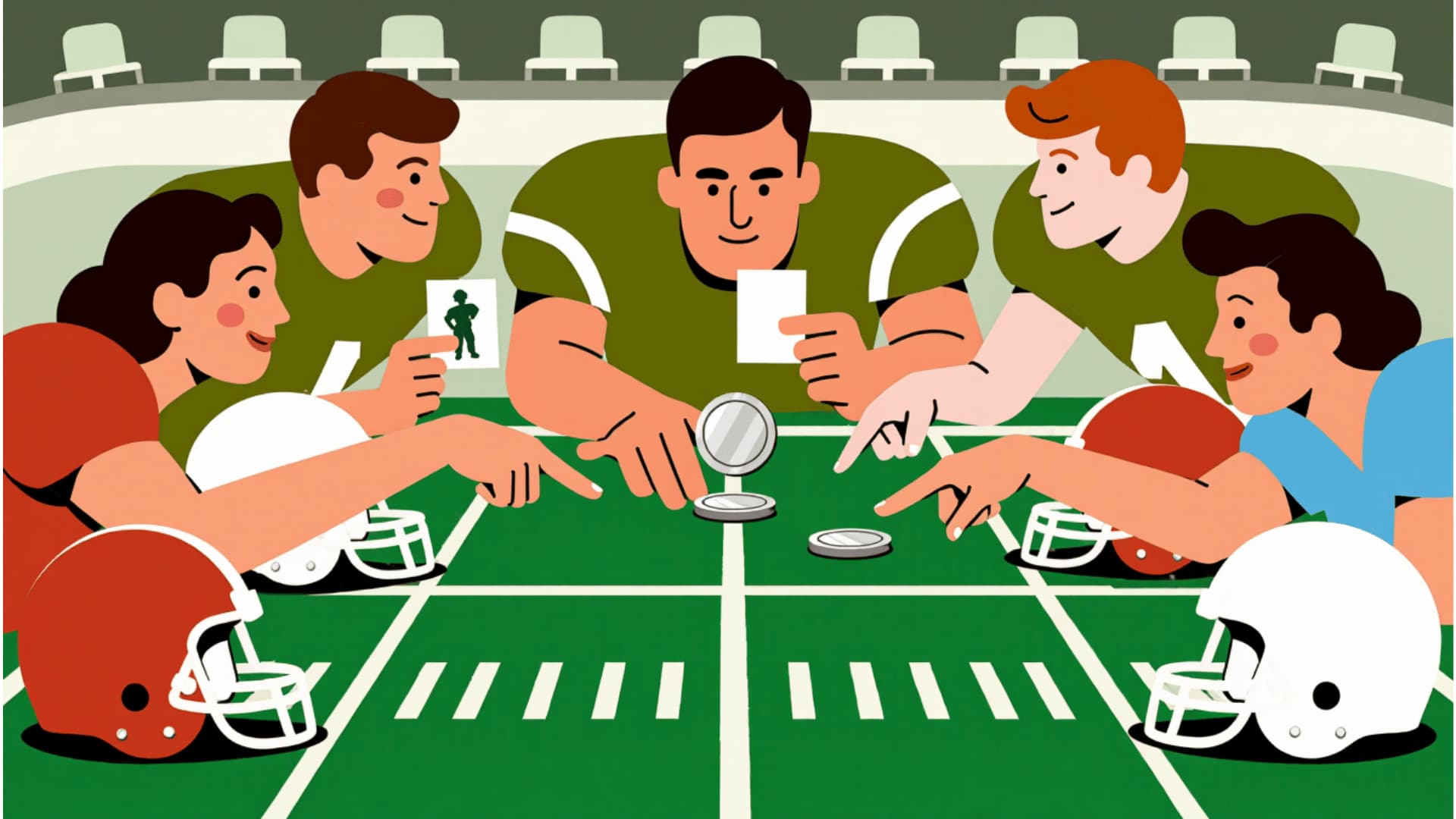
The original GOPPPL rules kept the draft straightforward. Each of the eight owners picked one offensive player per round, and once a player got taken, he was locked to that team for the season.
There were no trades allowed mid-draft, no do-overs, just a straight snake format based on a coin flip. My friend who researches old sports leagues once said that the simplicity is what made it spread so fast.
Owners didn’t need a manual. They just needed a newspaper and a pen.
2. Scoring System Basics

Points came almost entirely from touchdowns and yardage totals, nothing fancy. A rushing or receiving touchdown was worth six points, and passing touchdowns were worth fewer, which frustrated quarterback owners early on.
Here’s a quick summary of how scoring broke down:
- Six points for rushing or receiving touchdowns
- Four points for passing touchdowns
- One point for every 10 yards gained
- No bonus categories, no defensive scoring
The system was rough around the edges, but it worked well enough to keep owners checking Tuesday’s box scores every single week.
3. Weekly Lineup Requirements
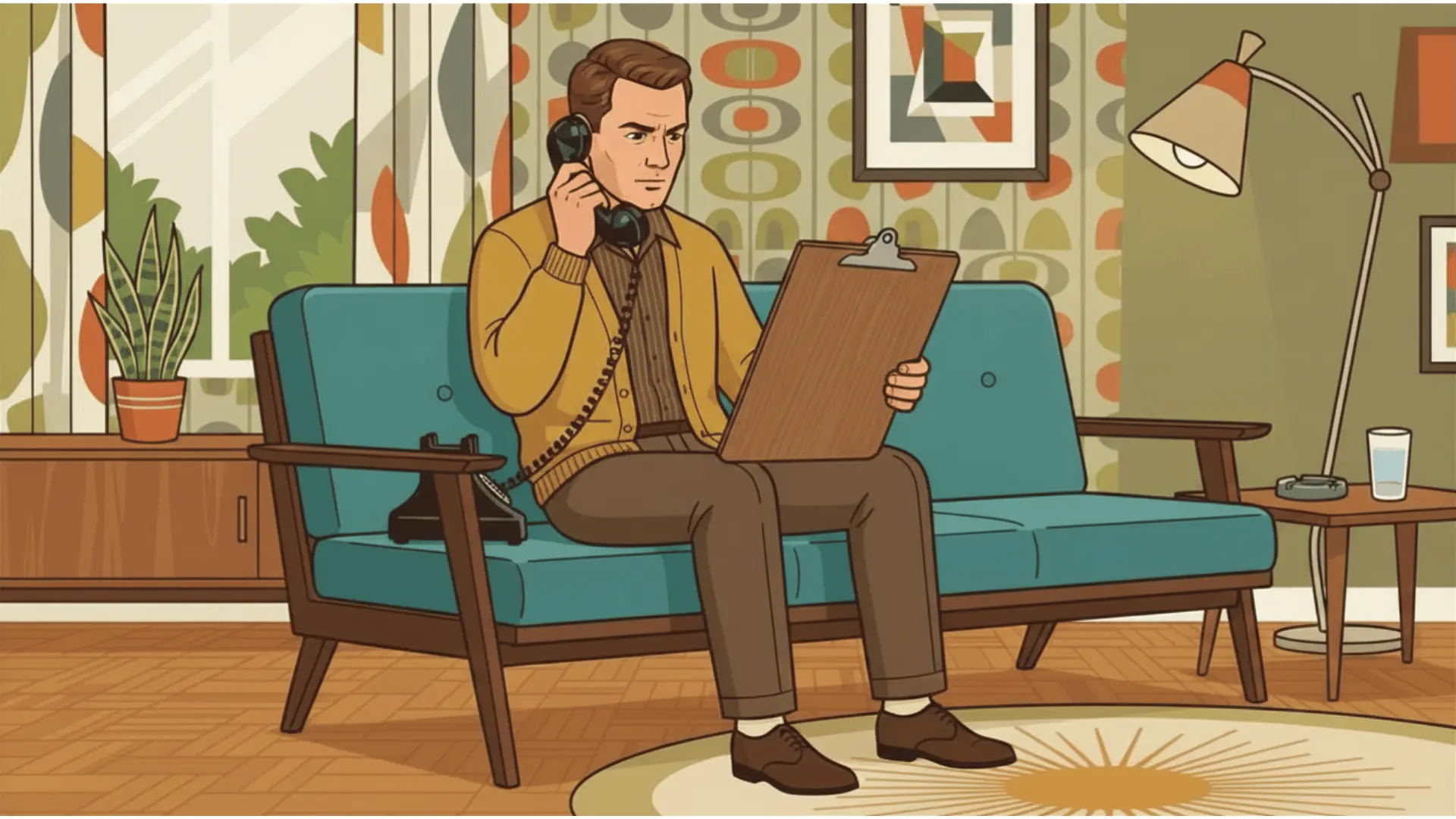
Did owners have to set a lineup every week? Yes, and missing the deadline meant playing with whoever was left from the previous week.
Lineups were locked before Sunday’s games, with no substitutions allowed once kickoff started. Commissioners collected picks by phone or in person, since nothing was automated.
This forced owners to stay engaged all season instead of setting a team once and forgetting it. That weekly commitment is part of why the GOPPPL rules held people’s attention long before technology made the process easier.
4. Trades And Waiver Moves

Trades existed, but they moved slowly and required commissioner approval before anything became final. Waiver moves worked on a rotating basis, giving each owner a fair shot at replacing injured or underperforming players.
I saw an old league recap once that mentioned owners negotiating trades over the phone for days before finalizing anything.
“A trade wasn’t real until the commissioner wrote it down.”
That single rule kept things organized in a league with zero digital record-keeping.
5. League Fees And Commissioner Duties
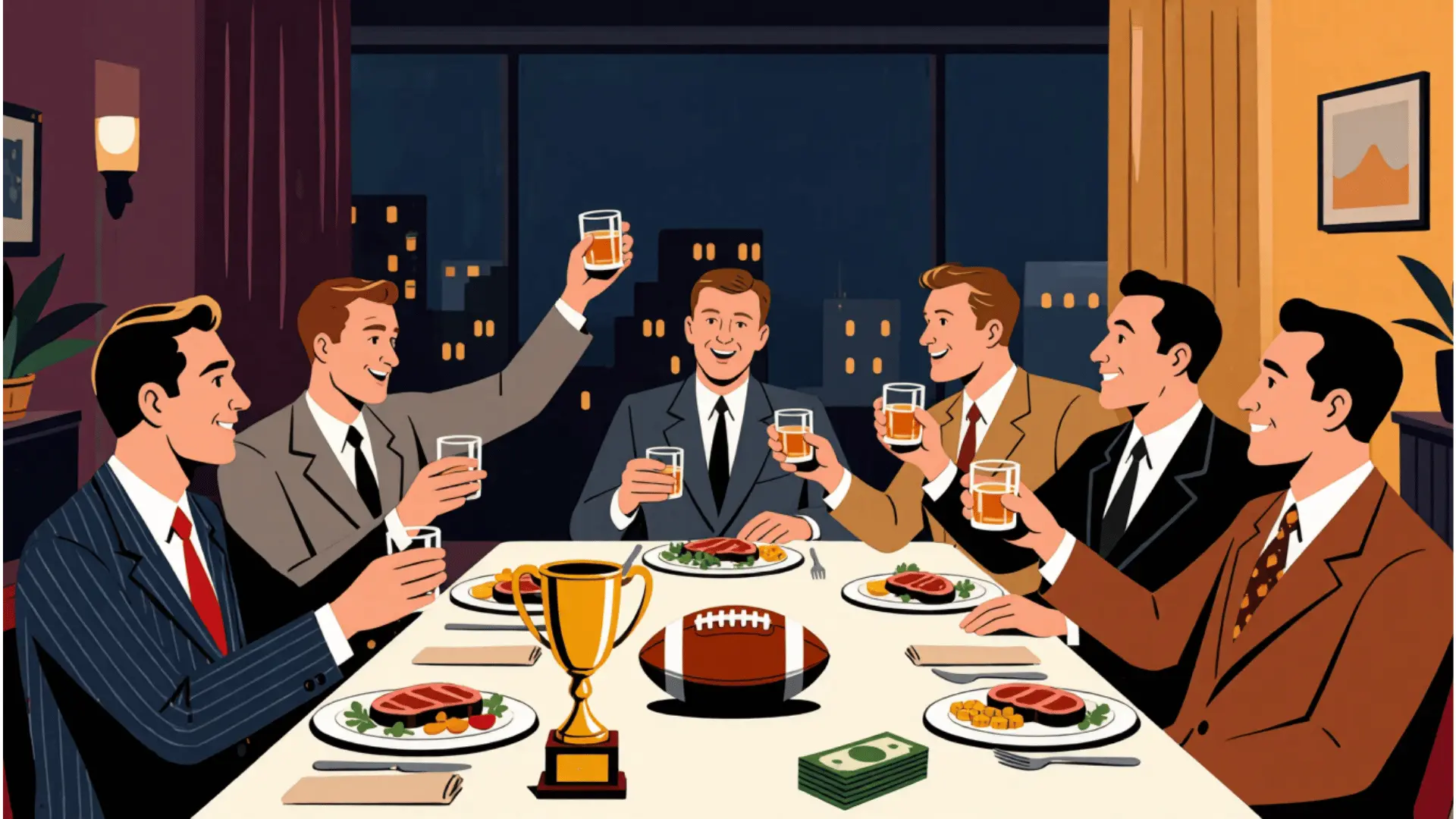
League fees were small, often just enough to cover a season-end dinner or the winner’s prize pool. The commissioner, Bill Winkenbach himself, handled scoring, rule disputes, and record-keeping by hand every week.
There was no outside authority to appeal to, so his word settled most disagreements. This hands-on structure meant the commissioner role carried real weight, unlike today’s largely automated platforms.
It’s a detail that gets lost when people casually mention the GOPPPL rules without recognizing how much manual effort went into running the entire operation.
How King’s X Bar Spread It
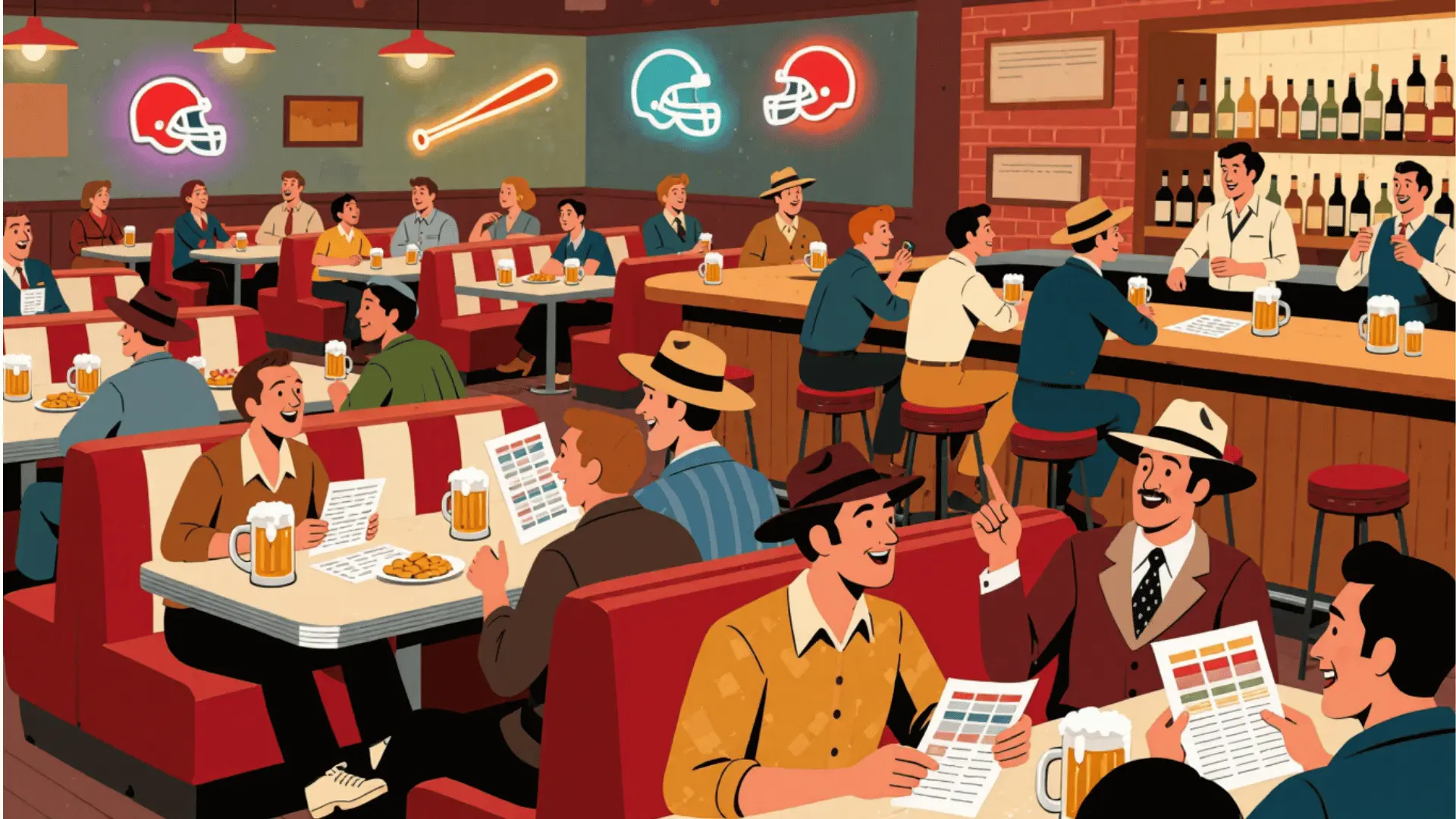
The Greater Oakland Professional Pigskin Prognosticators League stayed strictly private for its first few years. It was heavily restricted to sports journalists and team insiders.
However, sports fans naturally love statistics and intense competition. The game needed a public space to grow beyond its founders. It eventually found that exact space at an Oakland sports bar called King’s X.
This establishment became the very first public hub for the game. Patrons saw the original members’ tracking points and immediately wanted to play too. Soon, the bar hosted multiple leagues.
The leap from a closed newsroom league to something strangers could join happened in one Oakland bar.
Andy Mousalimas and the Bar Leagues
Andy Mousalimas was an original league member and a partner at King’s X. He actively brought the game into his tavern in 1969.
He opened the format to the bar’s trivia-night regulars, who quickly picked up the rules.
These patrons formed the first public leagues, carrying the concept outward to other communities and slowly building the large fan base we see today.
At the End
If you look back at the origins of fantasy football, the timeline reveals a unique history. What began as a late-night hotel-room idea in 1962 quickly became the first official draft in 1963.
Despite debates over exactly who first pitched the concept, those founders created strict entry rules that laid the groundwork for modern scoring.
The game then climbed slowly from private newsroom groups to public bar leagues before the internet pushed it into the mainstream. Understanding these early days shows how much the game has grown.
Tell me which historical era surprised you most. And if you plan to start your own fantasy football team, see our guide to start today!
Frequently Asked Questions
Did the Founders Earn Any Money from the Game?
No. The creators never patented or licensed it and received no royalties. They played for fun, even as fantasy football later grew into a business worth billions.
Where Was the Very First Fantasy Draft Held?
The first draft reportedly took place in the basement rumpus room of Winkenbach’s Oakland home in 1963. It took the eight owners roughly three hours to complete the process.
Did the Original Founders Keep Playing the Long Game?
Not really. Scotty Stirling played roughly two seasons before joining the Raiders front office. George Ross dropped out after a few years once his newsroom workload grew too heavy.
How Did the Last-Place Trophy Tradition Start?
Winkenbach built a custom trophy with a wooden football face and a dunce cap for the season’s worst team. The loser had to display it at home all year.