


Fantasy football can feel confusing at first, especially when a good player suddenly has no game that week. That is where the term what does bye mean in fantasy football comes in.
A bye means a player’s NFL team has the week off, so that player cannot score points in your lineup.
This blog explains bye weeks in a simple way, including how they affect starters, bench spots, waiver moves, and roster planning.
It also covers draft tips, common beginner mistakes, and simple ways to avoid empty lineup spots. With a little planning, bye weeks become much easier to manage during the season.
What does Bye Mean in Fantasy Football?
In fantasy football, a bye usually means an NFL team has a scheduled week off during the regular season.
When that happens, players from that team do not play in a real NFL game, so they also score zero fantasy points for your fantasy lineup.
If your starting quarterback, running back, wide receiver, tight end, kicker, or defense is on bye, you need to move that player to your bench and start an active player.
Bye can also mean two other things in fantasy leagues. In rare leagues with an odd number of teams, one fantasy team may have no opponent for a week.
That is called a fantasy team bye. In the fantasy playoffs, a top team may also earn a playoff bye, which lets it skip the first round and advance automatically.
How Bye Weeks Affect Your Fantasy Lineup
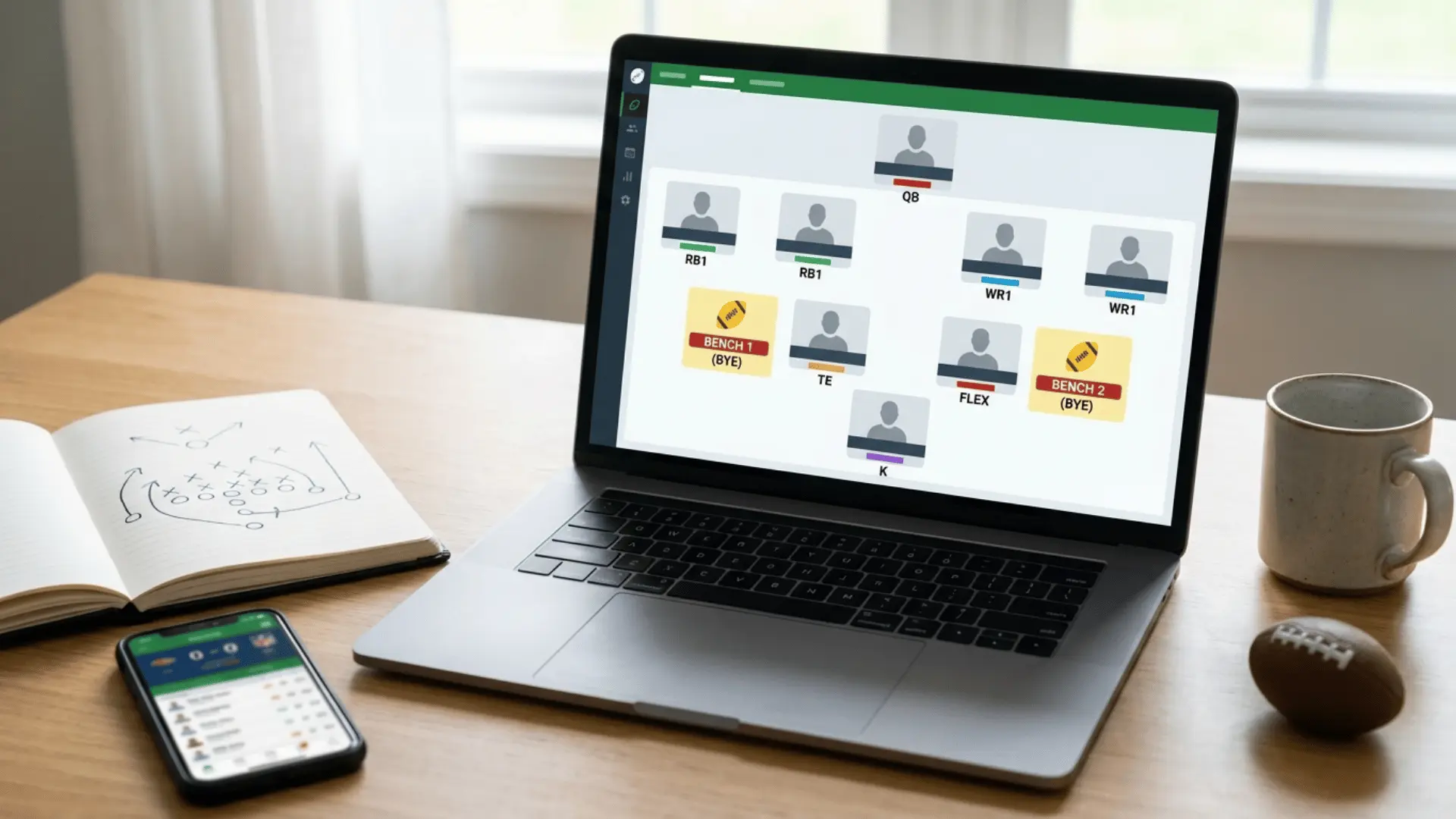
Bye weeks matter because any player on bye will score zero points for that matchup. That player is not hurt or dropped from his team.
His NFL team is simply not playing that week. Still, he should not stay in your starting lineup because he cannot help your score.
Your lineup needs active players in every starting spot. This includes quarterback, running back, wide receiver, tight end, kicker, and defense. Before games begin, move bye-week players to the bench and replace them with players who have a game.
For example, if your starting quarterback and defense are both on bye, you need to replace both before kickoff. You can use bench players first, then check waivers if you still have empty spots.
Why does the NFL Have Bye Weeks?
The NFL has bye weeks mainly to help teams reset during a long season.
- Players get time to rest after weeks of heavy contact.
- Injured players can recover from minor issues.
- Teams get a short break from travel and game pressure.
- Coaches can review mistakes and adjust their game plan.
- Fantasy managers should remember that a bye player is not injured or benched. He is simply not playing that week.
Which Weeks are Bye Weeks?
Bye weeks are usually spread across the middle of the NFL season.
- They do not usually happen in the opening week.
- Teams have different bye weeks, so your players may be off at different times.
- One starter could be off in Week 6, while another could be off in Week 12.
- Some weeks have more teams on bye than others.
- When many teams are off at once, fantasy managers may call it “byemageddon.”
- This is why you may need more than one backup plan during the season.
How to Manage Bye Weeks During the Season
A simple weekly habit can stop bye weeks from hurting your lineup.
1. Check Your Lineup Early

Review your lineup before Thursday games because some players lock once their game kicks off. Look for bye labels beside your starters, bench players, kicker, and defense.
Checking early gives you more time to compare replacements instead of making a rushed move on Sunday morning. Bye weeks rarely catch off guard the managers who plan ahead.
A quick Wednesday scan often prevents a scramble later in the week.
Tip: Set a phone reminder for every Wednesday so the check becomes routine.
2. Use Bench Players First
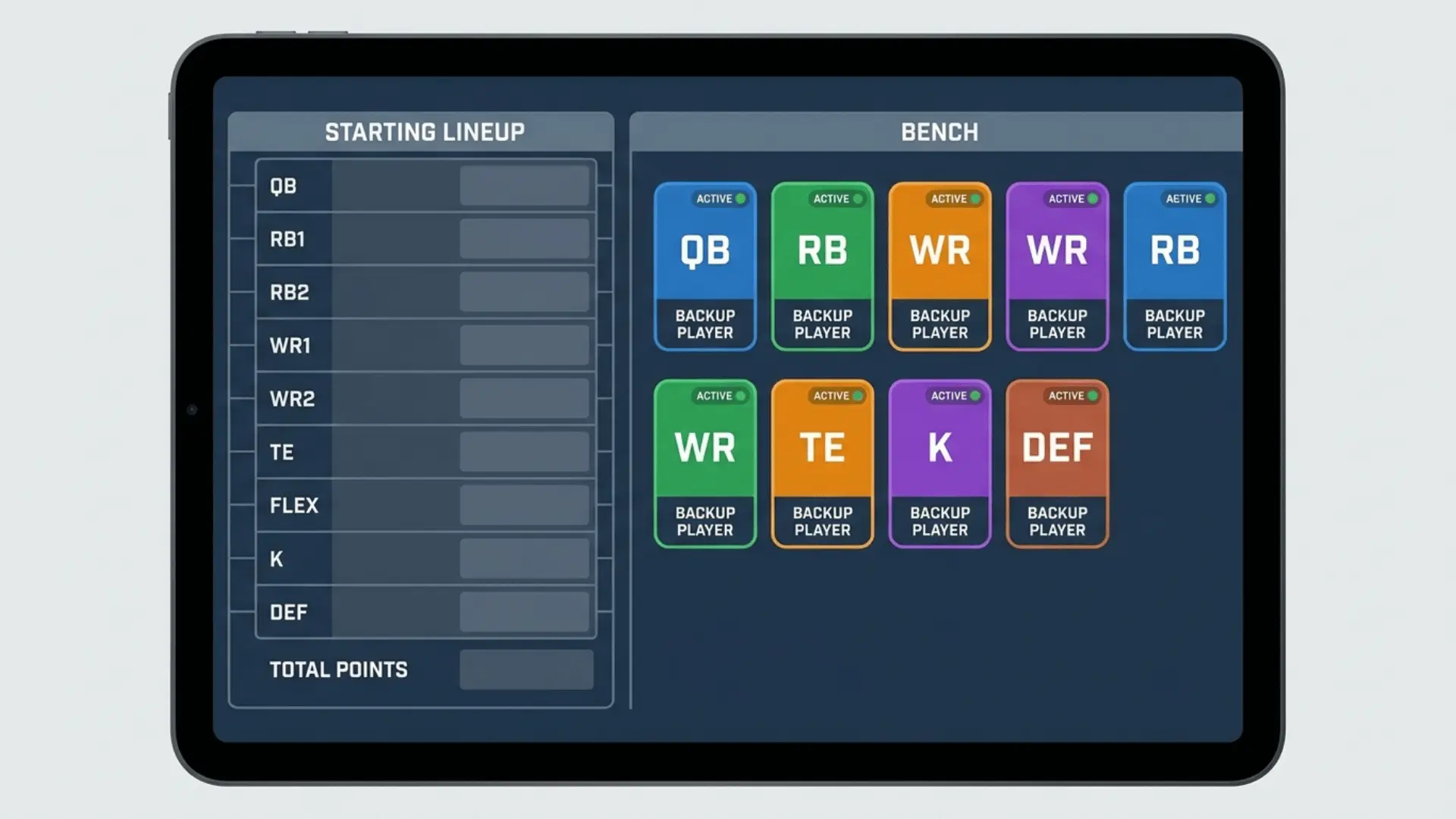
Before adding anyone new, check your bench for active players with useful roles. A backup running back, wide receiver, or tight end may be enough for one week.
This keeps you from dropping a player you might need later in the season. Bench options also cost you nothing on the waiver wire. Starting a role player you already own is usually the safest first move.
Best For: Managers who drafted depth at running back or wide receiver.
3. Add Waiver Wire Fill-Ins
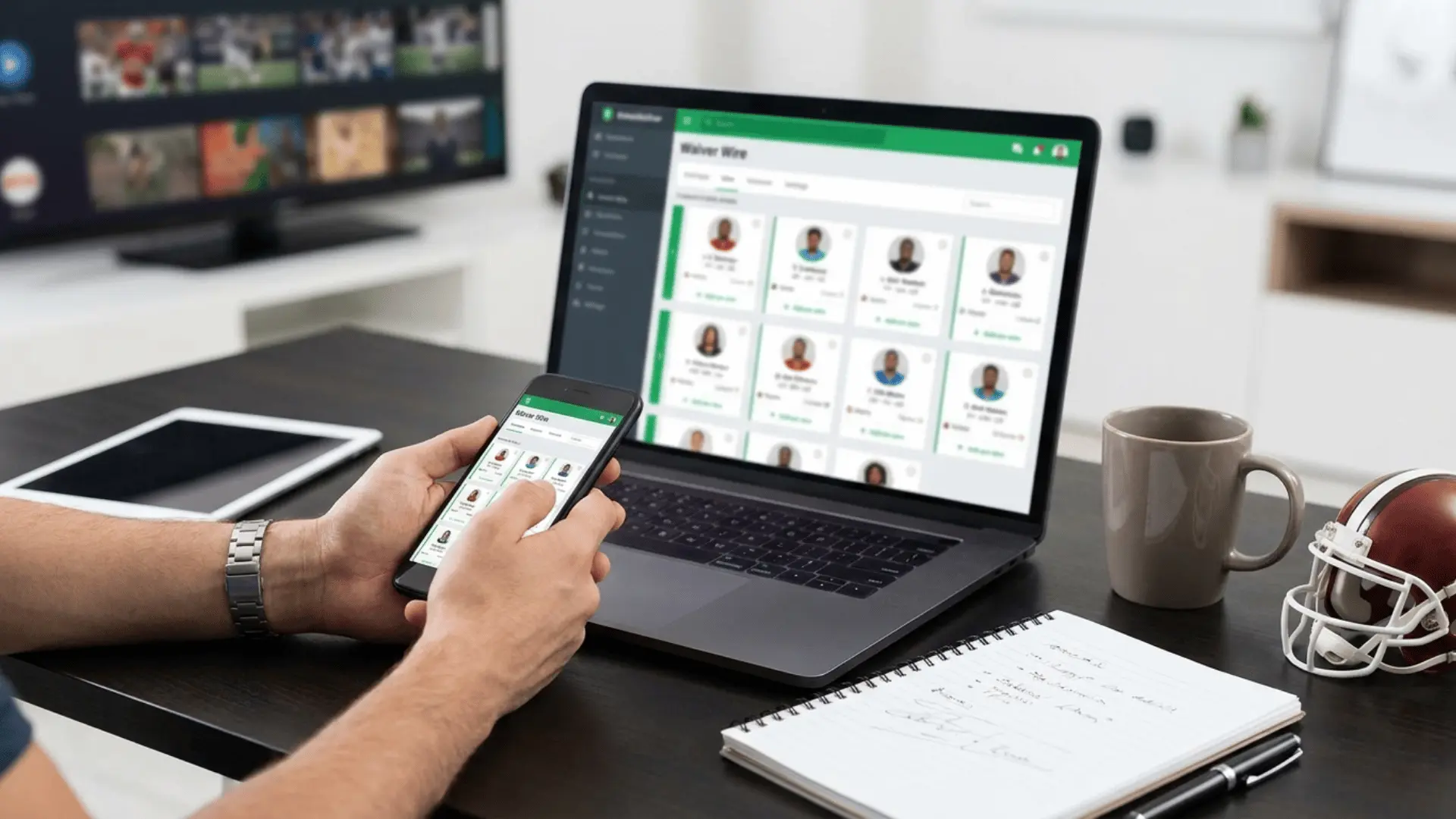
If your bench is thin, use the waiver wire for short-term help. Look for players with steady snaps, good matchups, or a clear injury-related role. These fill-ins do not need to be season-long stars.
They only need to cover your empty lineup spot for one game. Aim for someone with a defined job on offense, not a boom-or-bust flier you can barely trust.
Tip: Set your waiver claim early in the week before popular names get grabbed.
4. Stream Kicker and Defense
Kicker and defense are usually easier to replace than star skill players. In most leagues, you do not need to hold two kickers or two defenses just for bye weeks.
Pick an active option with a decent matchup, then adjust the following week again. A defense facing a weak offense often scores more than a big-name unit in a tough spot.
Best For: Managers streaming weekly instead of stashing backups.
Should Bye Weeks Affect Your Draft Strategy?
Bye weeks should matter during the draft, but they should not control every pick.
- Draft Talent First: Do not pass on a better player only because of his bye week. A strong starter can help your team for many games, while his bye only affects one week.
Focus on value, role, and upside first, then consider bye weeks. - Use Bye Weeks as a Tiebreaker: Bye weeks become useful when two players are very close in value. If one player has a week with too many starters off, the other player may be the safer pick. This keeps your lineup easier to manage later.
- Be Careful in 2QB and Superflex Leagues: Quarterback depth matters more in 2QB and Superflex leagues because replacements are harder to find.
If both starting quarterbacks share the same bye, you may struggle to fill the spot. In these formats, check QB bye weeks more carefully.
Common Bye Week Mistakes Beginners Make
Many first-time fantasy managers lose points because of simple bye-week mistakes. The table below highlights the most common ones and shows how to avoid them.
| Mistake | Why It Hurts | What to Do Instead |
|---|---|---|
| Leaving the players in starting spots | Players on bye score zero, so you lose points from that lineup spot. | Check your lineup early and move bye players to the bench. |
| Waiting until Sunday morning | Good waiver options may already be taken by other managers. | Review byes before Thursday games and add replacements early. |
| Dropping strong players too fast | A one-week bye is not a reason to cut a useful long-term starter. | Drop low-value bench players first, not core starters. |
Simple Bye Week Checklist
Use this checklist each week so that players do not stay in your starting lineup.
- Check bye weeks before setting your lineup.
- Move bye players to the bench before the game locks.
- Start bench players when they have safe weekly roles.
- Use waivers before the weekend if your bench is thin.
- Do not drop valuable starters for a one-week fix.
- Stream kicker and defense if you need short-term help.
- Plan extra carefully in 2QB leagues because quarterbacks are harder to replace.
Final Thoughts
Bye weeks are easier to manage once you know what to look for each week. The main goal is to keep active players in every starting spot and avoid losing points from an empty lineup.
A player on bye does not need to be dropped just because he is off for one week. Move him to the bench, use a backup, or add a short-term waiver option.
This matters even more when several starters are off at the same time.
With early lineup checks, smart bench use, and calm roster moves, bye weeks become a normal part of fantasy football instead of a weekly headache.
Check your roster’s bye weeks now so your lineup is ready before the next matchup.
Frequently Asked Questions
Can a Player Still be Traded During a Bye Week?
Yes. A player can still be traded during his bye week, but he will not score until his team plays again.
Do Bye Weeks Affect Fantasy Standings?
Only indirectly. A bye player scores zero if started, which can lower your weekly score and hurt your win-loss record.
Are Bye Weeks the Same Every Season?
No. NFL bye weeks change each season, so managers should check the new schedule before every draft.
Can a Bench Player Score During a Bye Week?
Yes, but only if you move him into your starting lineup before his game locks.