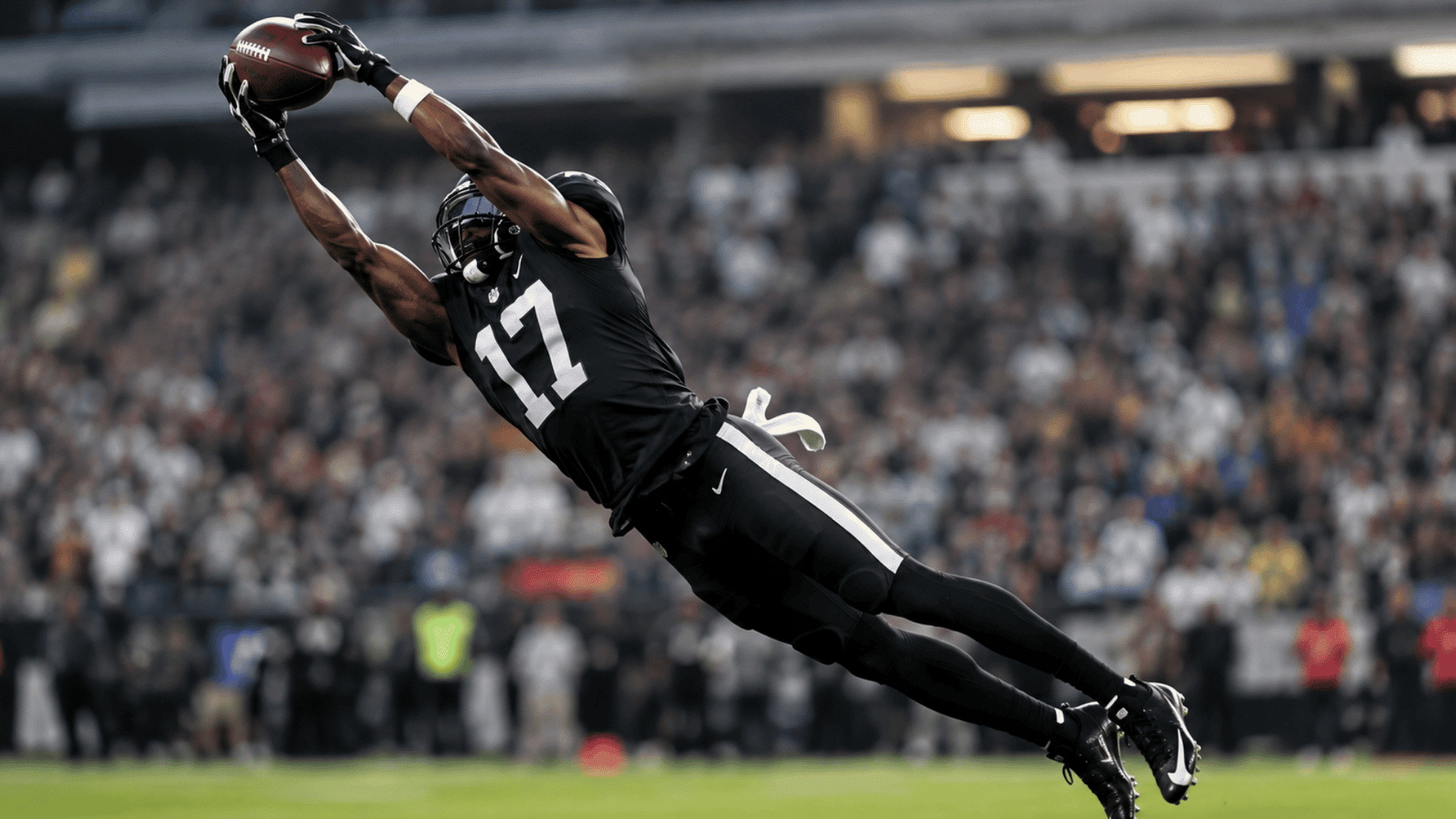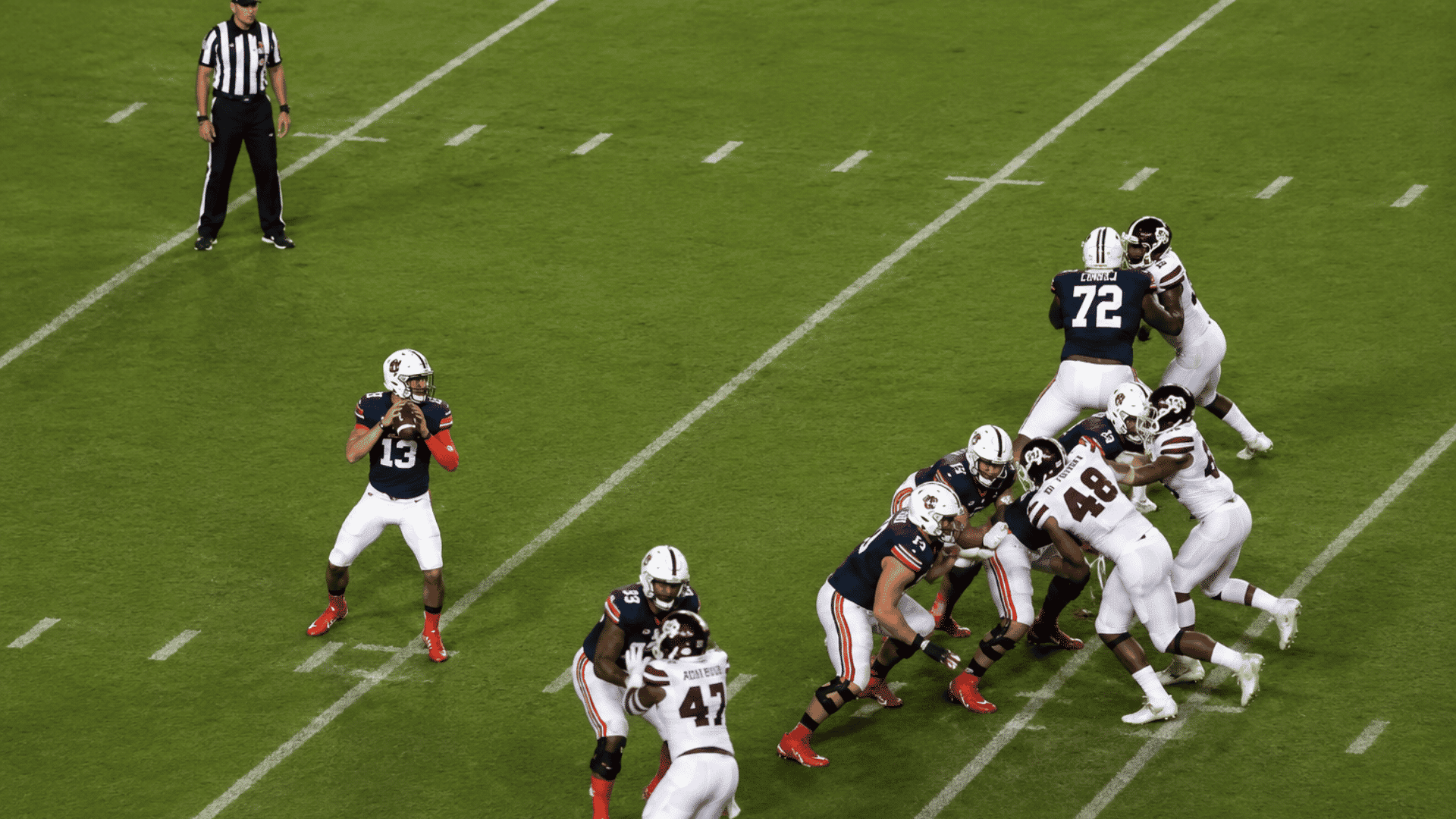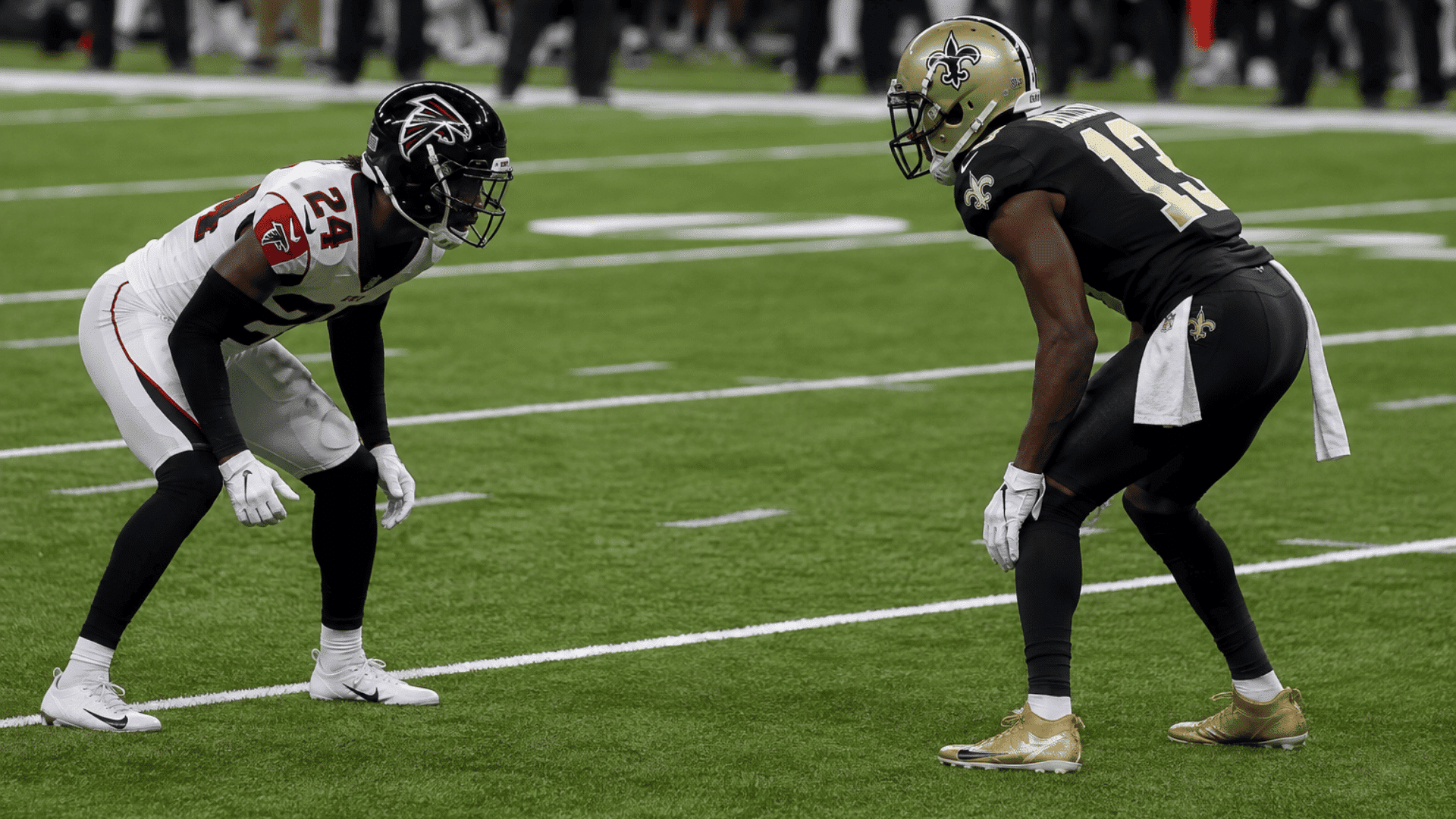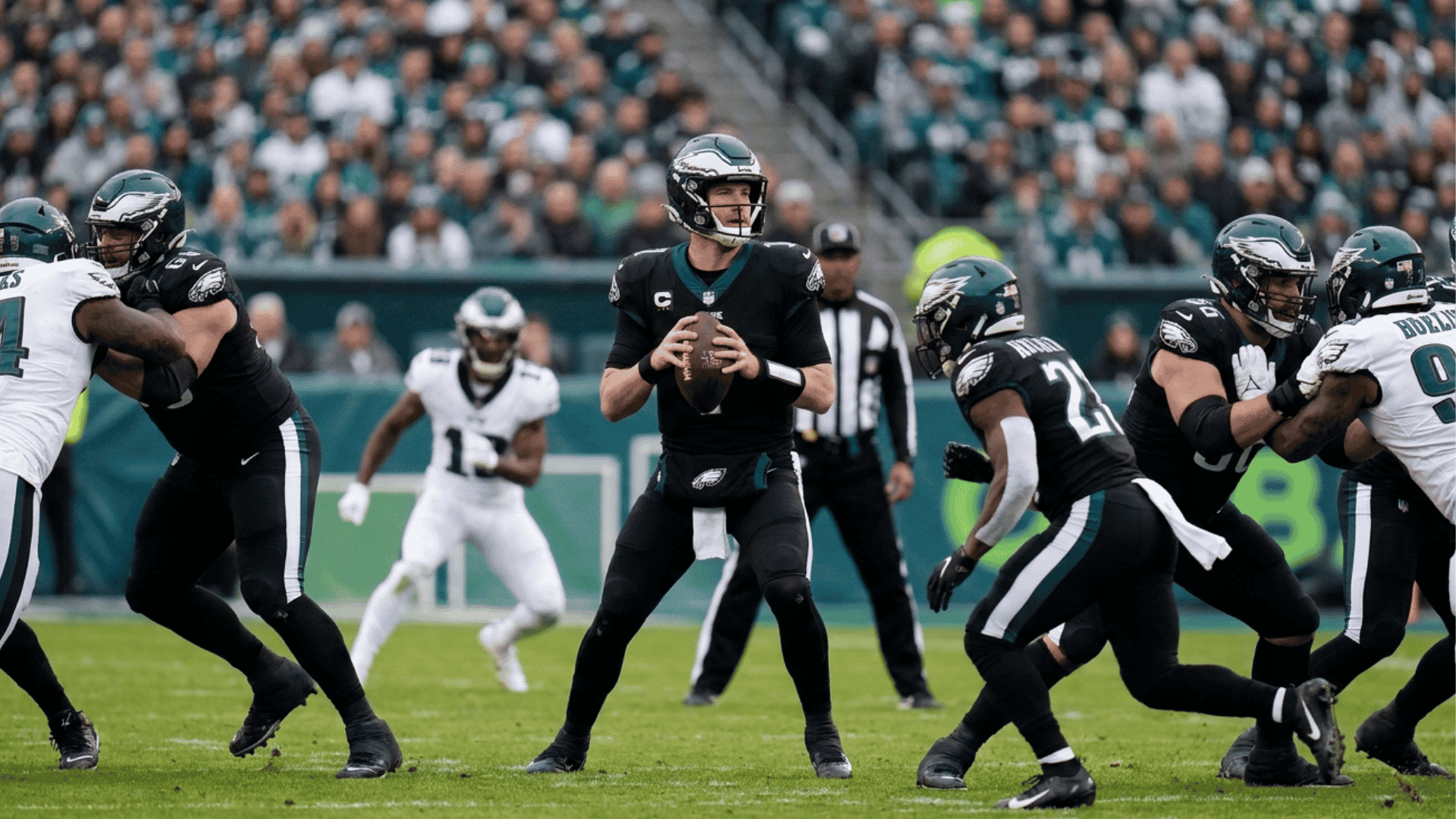



If you have ever watched American football and heard an announcer yell “pick six,” you may have wondered what just happened. What is a pick 6 in football?
A pick six happens when a defensive player intercepts a pass and returns the ball to the opposing team’s end zone for a touchdown.
The term is pretty easy to get the hang of once you split it into two parts. “Pick” is another name for an interception, while “six” refers to the six points scored for a touchdown.
Having spent years around football as both a player and coach, I have seen how quickly this single play can turn the game on its head. One moment, the offense is moving forward, and the next, the defense is off to the races with the ball.
How does a pick six work? How does it differ from a regular interception? How many points does it score? You’ll have all your questions answered in the end.
Let’s first start with the meaning.
Pick 6 Meaning in Football (Quick Explanation)
A pick six happens when a defensive player intercepts a pass and returns it all the way to the opposing team’s end zone for a touchdown. The word pick refers to the interception, while six refers to the six points scored for the touchdown.
The play follows a simple sequence:
| Quarterback throws a pass → Defender intercepts it → Defender returns the ball → Touchdown |
The term is commonly used in the NFL, college football, high school football, and other levels of American football.
Worth noting! Not every defensive touchdown is a pick six. If a defender recovers a fumble and scores, it is called a fumble-return touchdown, not a pick six.
Why is It Called a ‘Pick Six’?
The name comes directly from football slang and the number of points awarded for a touchdown.
A “pick/catch” is a common football term for an interception. When someone says a quarterback “threw a pick,” it means a defensive player caught one of the quarterback’s passes.
The “six” refers to the six points awarded when the defender reaches the opposing end zone.
Put the two terms together, and you get ‘pick six.’ The name is short, easy for commentators to say, and clearly describes the result of the play.
The defending team normally gets a chance to attempt an extra point or two-point conversion after scoring the touchdown.
How Does a Pick Six Happen?
A pick six happens when a defensive player intercepts a quarterback’s pass and returns the ball all the way to the opposing end zone for a touchdown.
The play usually unfolds in three steps:
- The defender reads the pass and intercepts it before the intended receiver can catch it.
- After the interception, the defender becomes the ball carrier and runs toward the other team’s end zone.
- If the defender crosses the goal line without being tackled or going out of bounds, the interception becomes a pick six.
If the defender is stopped before reaching the end zone, it is still an interception, but not a pick six.
How Many Points is a Pick Six Worth?
A pick six gives the defending team six points because the interception return counts as a touchdown.
After scoring, the team gets the same conversion options that follow any touchdown:
- 1 extra point for a successful kick
- 2 extra points for a successful two-point conversion
That means the full scoring sequence can produce 7 or 8 points, depending on what happens after the touchdown.
Important distinction! The term pick six refers only to the interception returned for six points. The extra-point kick or two-point conversion is a separate scoring attempt and is not part of the pick six itself.
Pick Six vs. Interception: What’s the Difference?
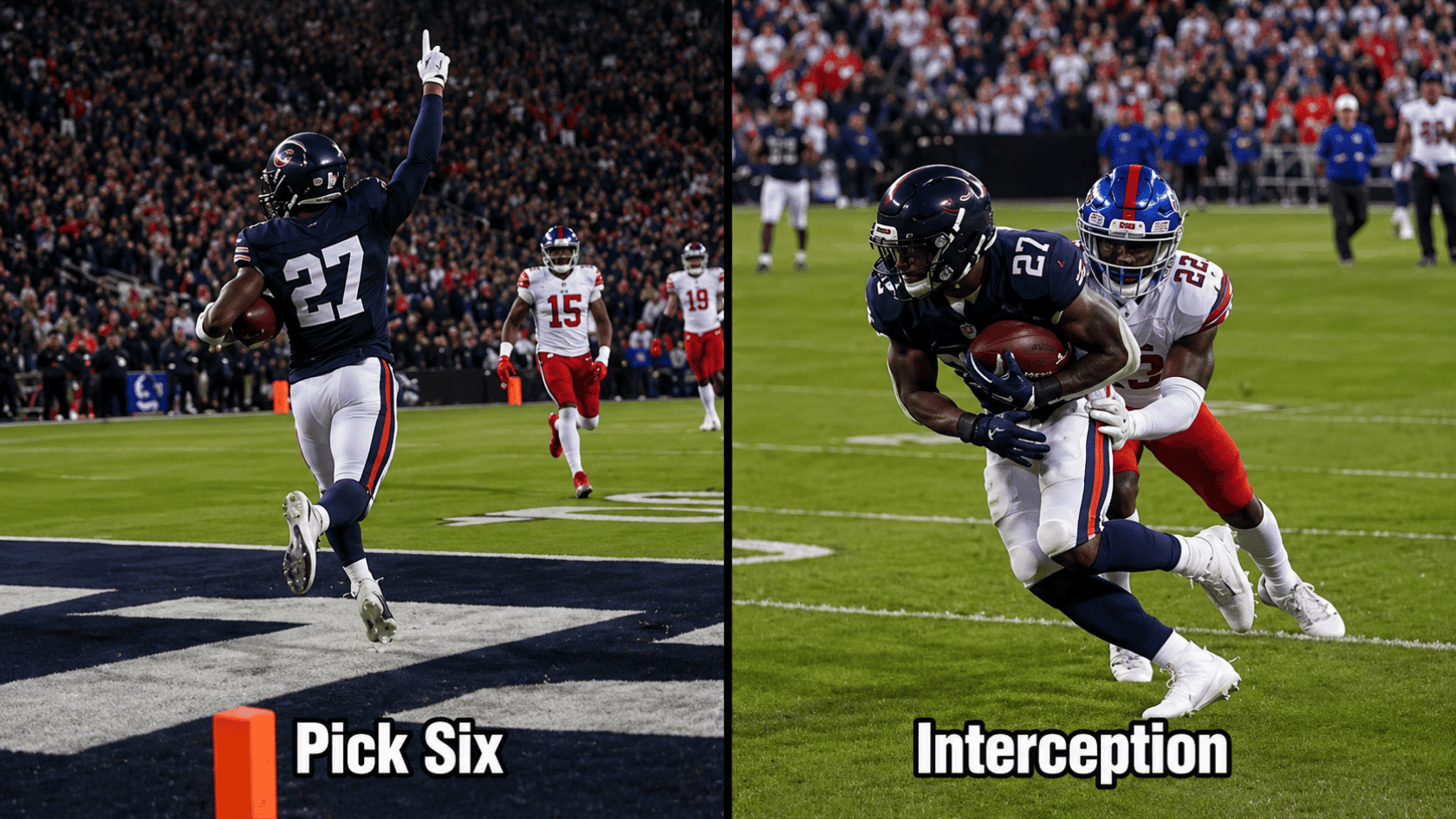
The main difference is what happens after the defensive player catches the ball. Every pick six includes an interception, but not every interception becomes a pick six.
| Point of Difference | Interception | Pick Six |
|---|---|---|
| What happens | A defender catches a pass intended for an offensive player | A defender intercepts the pass and returns it for a touchdown |
| Touchdown required | No | Yes |
| Play result | Defense gains possession | Defense gains possession and scores 6 points |
| Where the play ends | Wherever the defender is tackled, goes out of bounds, or the play stops | In the opposing team’s end zone |
| Relationship | General defensive turnover | A specific type of interception |
For example, suppose a cornerback intercepts a pass at midfield but gets tackled after gaining 10 yards. That is an interception.
If the same cornerback reaches the opposing end zone without being stopped, it becomes a pick six.
Who Can Score a Pick Six?
Any defensive player can score a pick six if they intercept a forward pass and return it to the end zone.
Cornerbacks and safeties are defensive backs and are common pick-six scorers because they are around passing plays more often. Linebackers can also intercept passes, especially on short throws over the middle.
Defensive linemen can score too after catching a tipped pass or dropping into coverage.
Players who may score a pick six include:
- Cornerbacks
- Safeties
- Linebackers
- Defensive ends
- Defensive tackles
What matters most after the interception is open space, blocking, field position, and speed. A defender who picks off a pass near the end zone has a much shorter path to score.
Why is a Pick Six So Important?
A pick six can have a major effect because the defense creates a turnover and scores on the same play.
Normally, a defense tries to stop the opposing offense so its own offense can get the ball. With a pick six, the defense does more than regain possession. It immediately adds six points to the scoreboard.
It can also place extra pressure on the opposing quarterback. A passer may become more cautious after throwing an interception that leads directly to a touchdown.
From a coaching standpoint, these plays often come from good anticipation, disciplined positioning, quick reactions, and defenders recognizing passing patterns.
One mistake by the offense can therefore turn into points for the other team within seconds.
What Usually Leads to a Pick Six?
Pick sixes can happen for several reasons. Sometimes the quarterback makes a poor decision. At other times, the defender reads the play well.
Here’s what can lead to a pick six.
1. A Poorly Thrown Pass
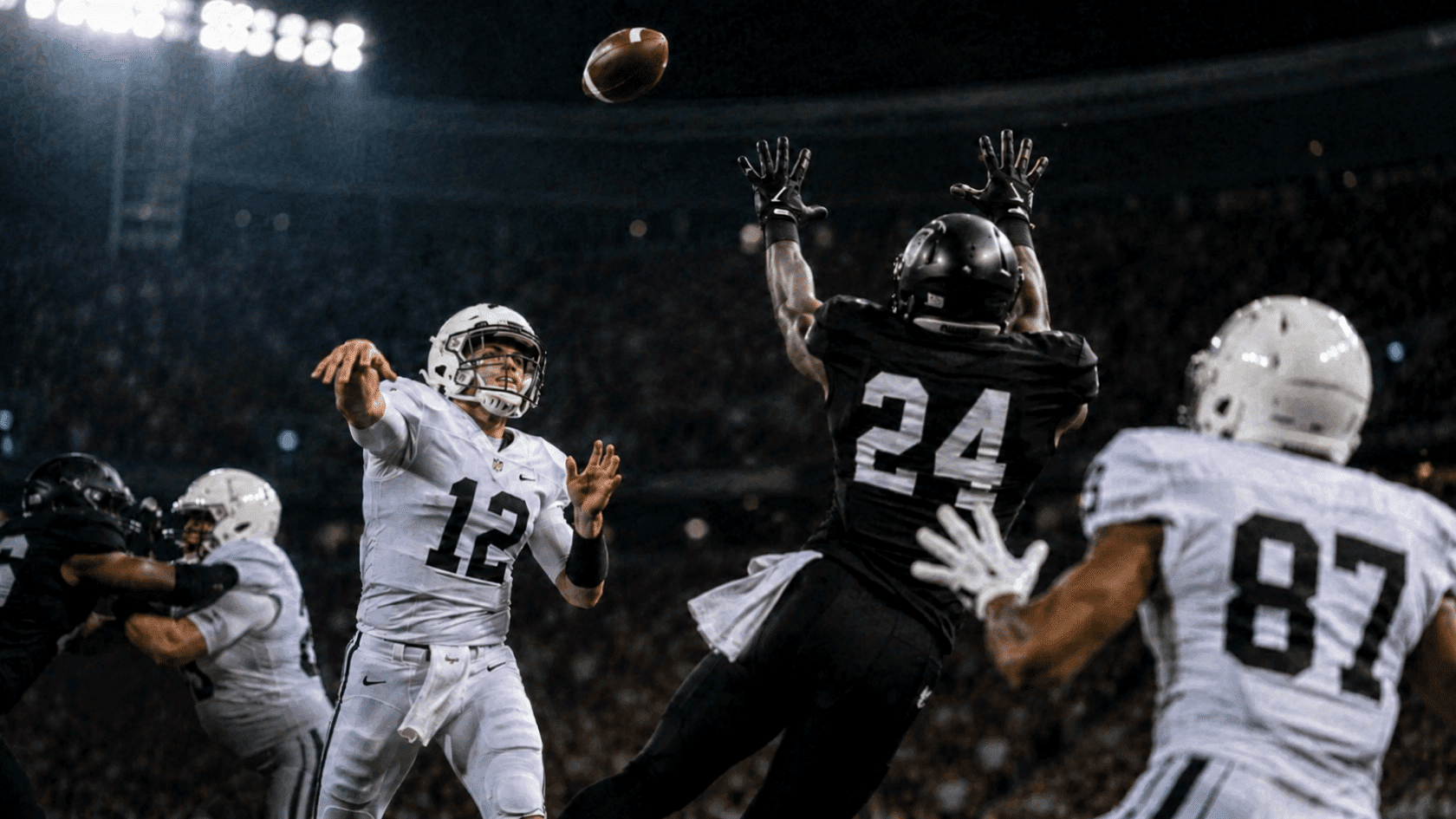
A poorly thrown pass can quickly create a pick-six opportunity for the defense. If the ball is too high, too low, too slow, or thrown behind the intended receiver, a nearby defender may step into the passing lane and intercept it.
Poor placement is especially dangerous on short routes and throws near the sidelines, where defenders are often positioned close enough to react quickly.
With open field ahead, the defender may return the interception for a touchdown.
2. A Predictable Throw
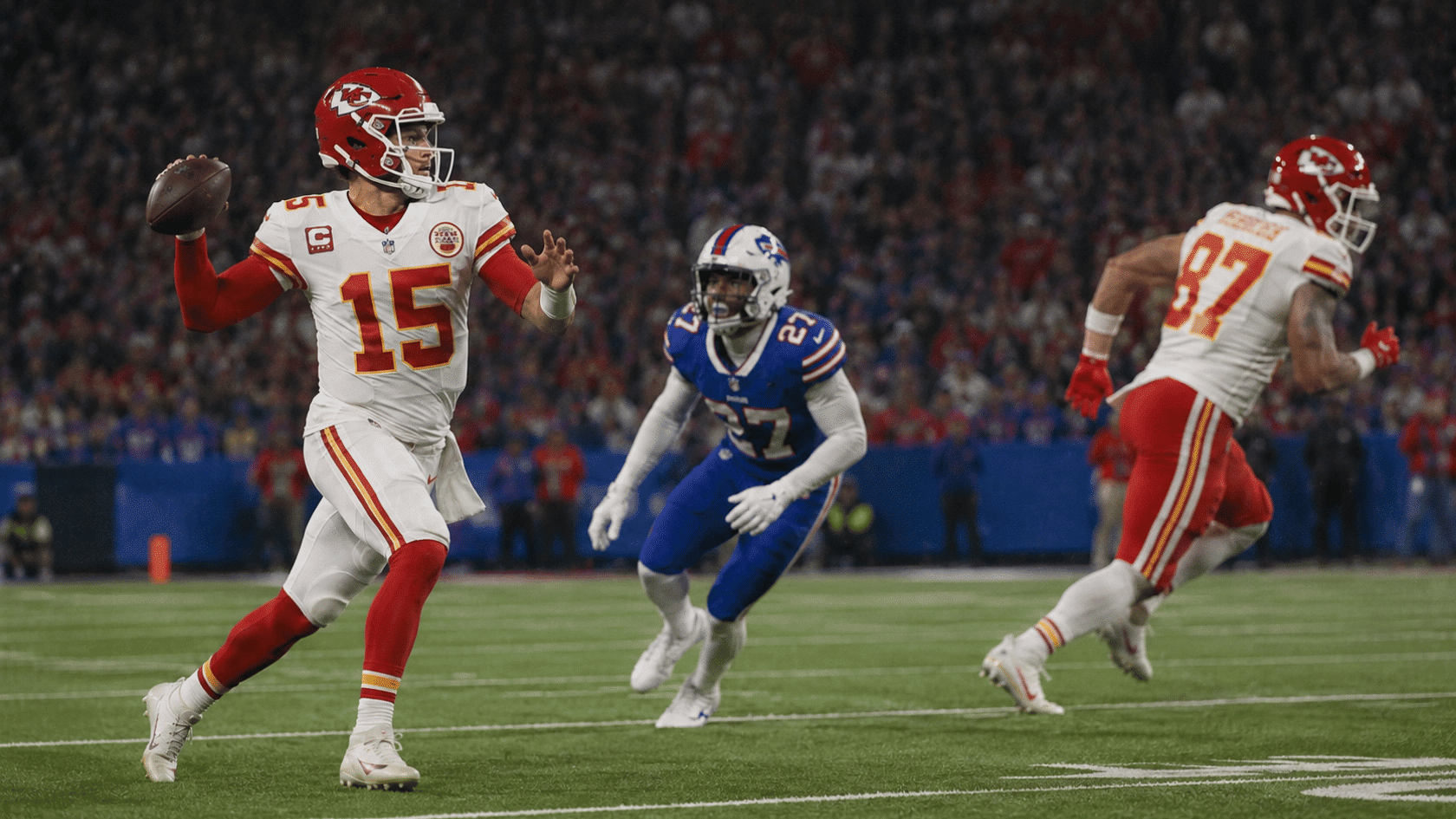
Defenders often study a quarterback’s eyes, body position, throwing motion, and tendencies to predict where a pass may go.
A cornerback or safety who recognizes the route early can move toward the passing lane before the ball arrives. This anticipation can put the defender in an ideal position to make an interception.
If there are few offensive players between the defender and the end zone, that well-read play can quickly turn into a pick six.
3. A Wrong Route by the Receiver
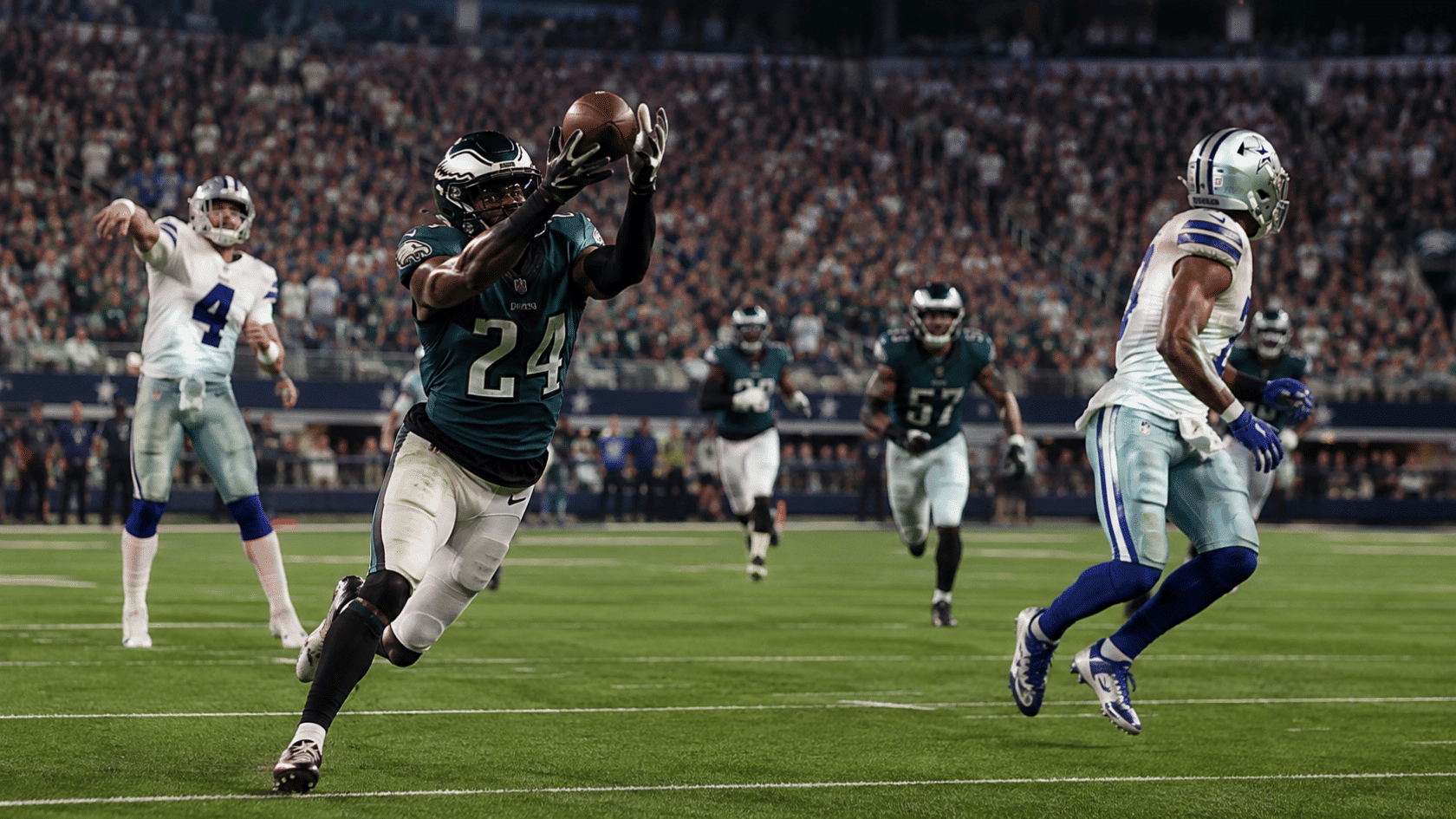
A pick six can also happen when the quarterback and receiver misunderstand the intended route. The quarterback may expect the receiver to cut inside, for example, while the receiver continues downfield or breaks outside.
That miscommunication can leave the football traveling toward an area with no offensive player nearby.
A defender may then step into the open space, make the interception, and have a clear path to begin a return toward the end zone.
4. A Rushed Throw Under Pressure
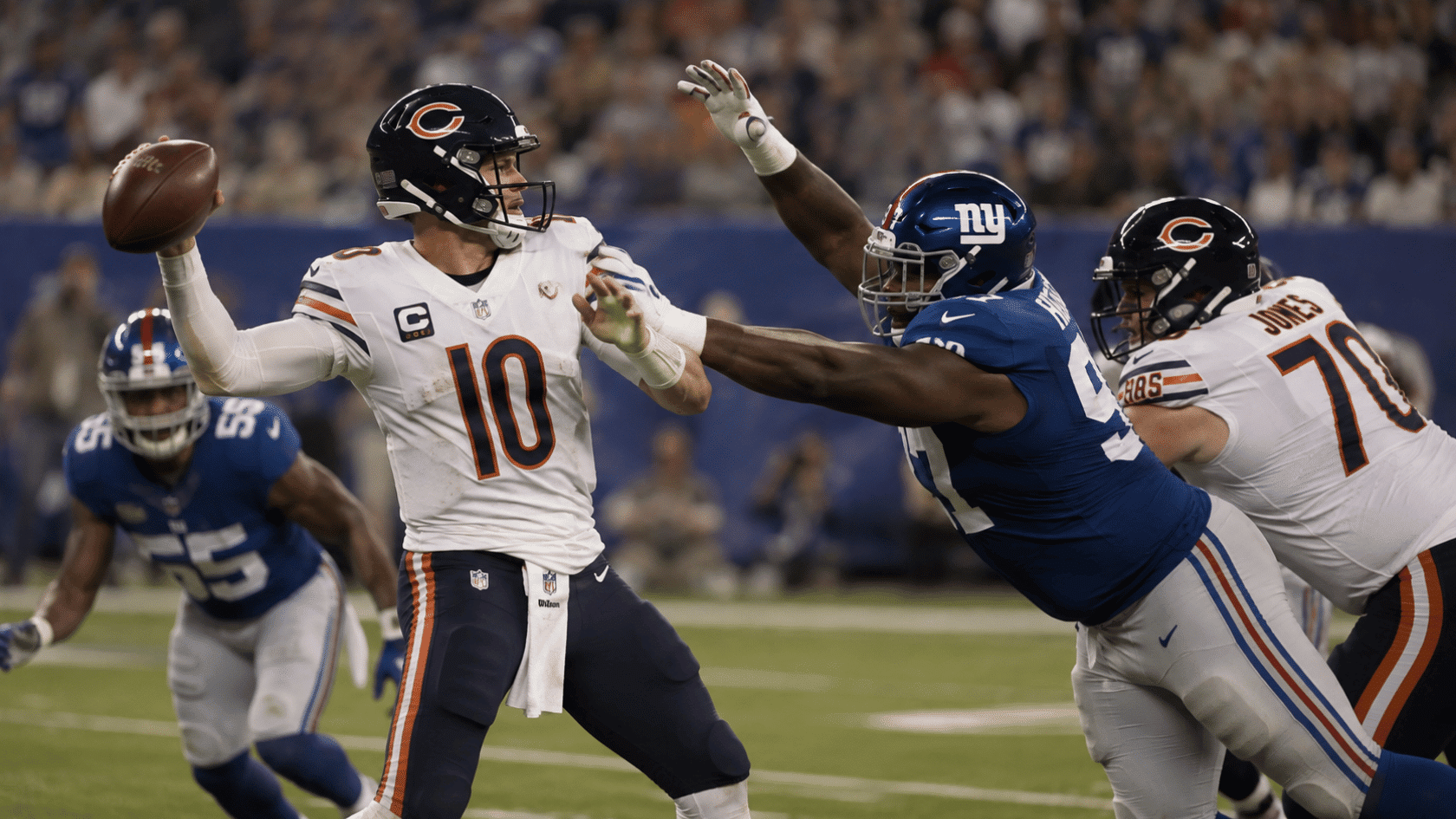
A strong pass rush can force the quarterback to make a quicker decision than planned. Pressure from defensive linemen or blitzing players may prevent the quarterback from setting their feet, reading every defender, or delivering an accurate throw.
Instead, the quarterback may rush the pass or throw into a crowded area.
A defender who reacts quickly can intercept the ball, and if blockers are out of position, the turnover may become a pick six.
5. A Tipped or Deflected Pass
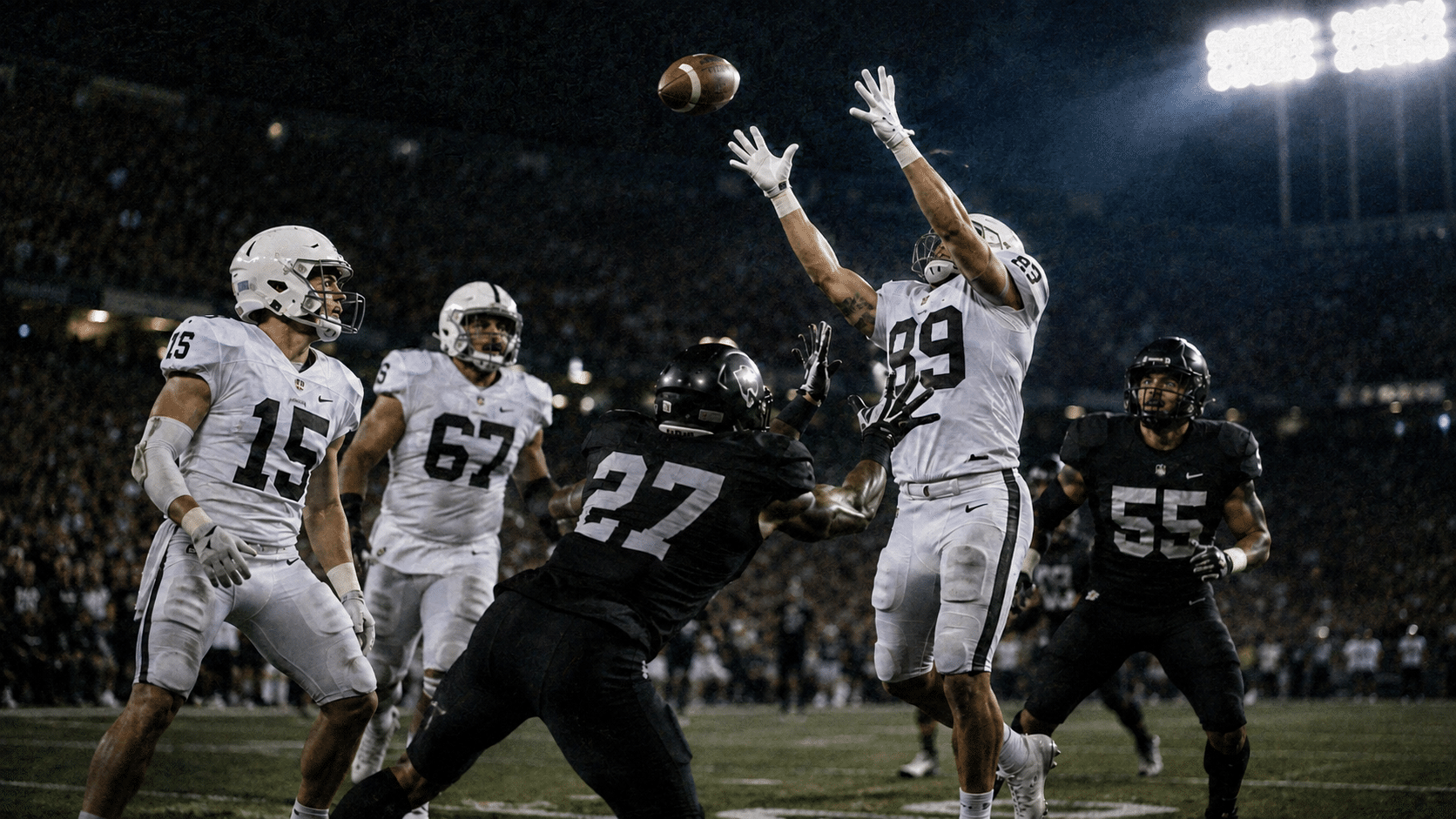
Sometimes a pick six begins with a tipped or deflected pass rather than a clean interception. The ball may bounce off a receiver’s hands, be touched by a defensive lineman, or change direction after contact near the line of scrimmage.
Because the deflection can send the ball somewhere unexpected, a nearby defender may have an opportunity to catch it.
If that defender secures possession and returns the interception to the end zone, the play becomes a pick six.
Can a Fumble Return Be Called a Pick Six?
No. A fumble returned for a touchdown is a defensive touchdown, but it is not a pick six. A pick six must involve an intercepted forward pass.
The distinction below would make it easier to remember for you:
| Defensive Play | Pick Six? |
|---|---|
| Interception returned for touchdown | Yes |
| Fumble returned for touchdown | No |
| Blocked kick returned for touchdown | No |
| Punt returned for touchdown | No |
| Kickoff returned for touchdown | No |
Several types of plays can produce defensive or special-teams touchdowns, but only an interception returned to the end zone receives the pick-six name.
Do Pick Six Opportunities Matter to Coaches? If So, Why?
Yes. A pick six matters because the defense takes the ball away and scores on the same play.
When I used to coach, I’d tell defenders not to think about the touchdown too early. Secure the interception first, then look for space to make the return count.
Coaches like me value pick six opportunities because they:
- Produce immediate points: The defense scores six without needing an offensive possession.
- End the opponent’s drive: The interception stops the possession immediately.
- Reward preparation: Reading formations, routes, and quarterback habits can create interception chances.
- Require ball security: The defender must protect possession throughout the return.
- Can shift momentum: One pick six can quickly change the score and direction of a close game.
Takeaway
A pick six happens when a defender intercepts a pass and returns it to the end zone for a touchdown. The interception is the “pick,” and the touchdown is worth six points.
The key point is that an interception alone does not count as a pick six. The defender must complete the return and score. Pick sixes can come from poor throws, tipped passes, route mistakes, pressure, or strong defensive anticipation, and they can quickly change both the score and momentum of a game.
Now that you know what a pick six is, how it happens, and why it matters, you’ll be able to recognize one immediately during a game.
Seen a memorable pick six? Share the player or play in the comments, and check out more American football guides on our site.
Frequently Asked Questions
Does a Pick Six Count Against the Quarterback?
Yes. The interception is generally recorded against the quarterback, even when the pass was tipped or affected by a mistake from the receiver.
How Does a Pick Six Affect Quarterback Stats?
A pick six counts as an interception against the quarterback, increasing their interception total even if the turnover involved a tipped pass or receiver mistake.
Can a Pick Six Happen in the End Zone?
A defender can intercept a pass in their own end zone, but they must return it all the way to the opposite end zone for it to become a pick six.
Can a Pick Six Be Overturned by Replay?
Yes. Replay review can overturn the play if officials determine the interception, return, touchdown, or another part of the play was invalid.
Is a Pick Six the Only Type of Defensive Touchdown?
No. A pick six is one type of defensive touchdown. Defenses can also score on fumble returns, while blocked-kick returns and other special-teams scores are classified separately.