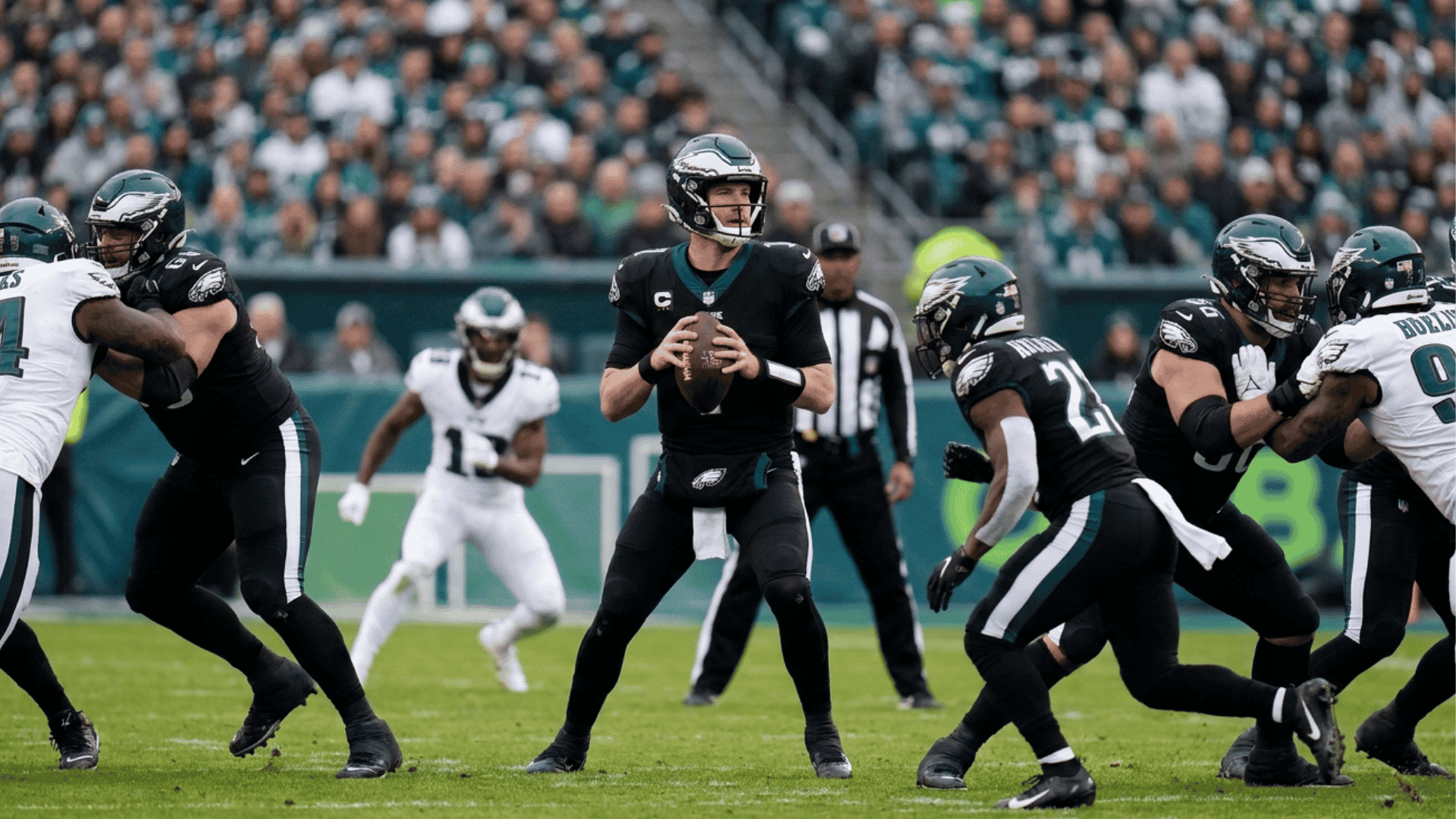

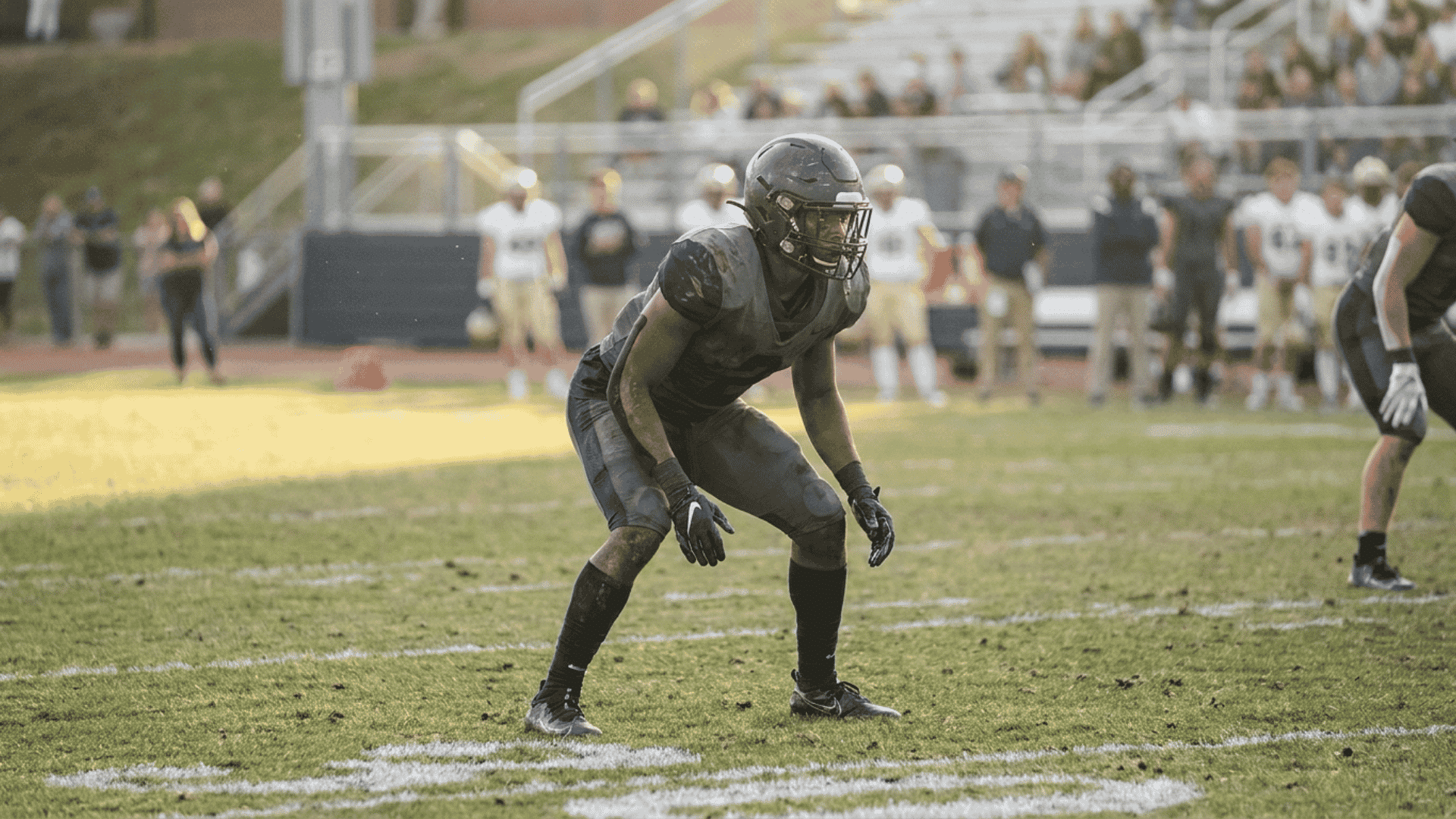

Ever watched a football game and heard someone yell “DB” and wondered what that even means? I got you. DB stands for defensive back, and this player has one of the toughest jobs on the field.
Their main task is simple to say but hard to do: stop the other team’s receivers from catching the ball. They also help stop the run when needed. In this blog, I’ll break down everything you need to know about defensive backs.
We’ll look at the different types of DBs, the exact skills and moves they use to shut down receivers, the coverage schemes they play, and what coaches look for when recruiting one.
By the end, you’ll understand this position like a coach does.
What is a DB in Football?
Let me start with the basics. DB stands for defensive back, and it’s the group of players who line up off the line of scrimmage, either close to the sideline or deep near midfield.
They’re often called the last line of defense because if they miss a tackle or lose their receiver, there’s nobody else standing between that player and the end zone.
You might wonder why coaches say “DB” instead of naming every position separately. It’s the same logic they use for “the D-line” or “the linebackers.”
Grouping players by their job on the field makes it easier to talk about strategy without listing every single title every time.
Defensive Back: Role and Key Responsibilities
Once the ball is snapped, a DB has one main job: pass coverage. They have to stick to a receiver or hold down a zone so the quarterback has nowhere safe to throw.
Under Armour’s own coaching materials call DBs the first line of protection against the pass, and that tells you how much weight this position carries on passing downs. But shutting down receivers isn’t the only thing on their plate.
- They also work as the second line of defense against the run, stepping up to make a tackle in open space if a running back breaks past the front seven.
- Most DBs line up 1 to 5 yards off the line of scrimmage.
- Safeties often sit much deeper, sometimes closer to midfield, depending on the coverage call.
Types of Defensive Backs
Not every DB does the same job. The position splits into two core groups, cornerbacks and safeties, and each group has its own sub-roles depending on the situation.
Each type has a distinct job description, so here’s how they break down in the field.
1. Cornerback
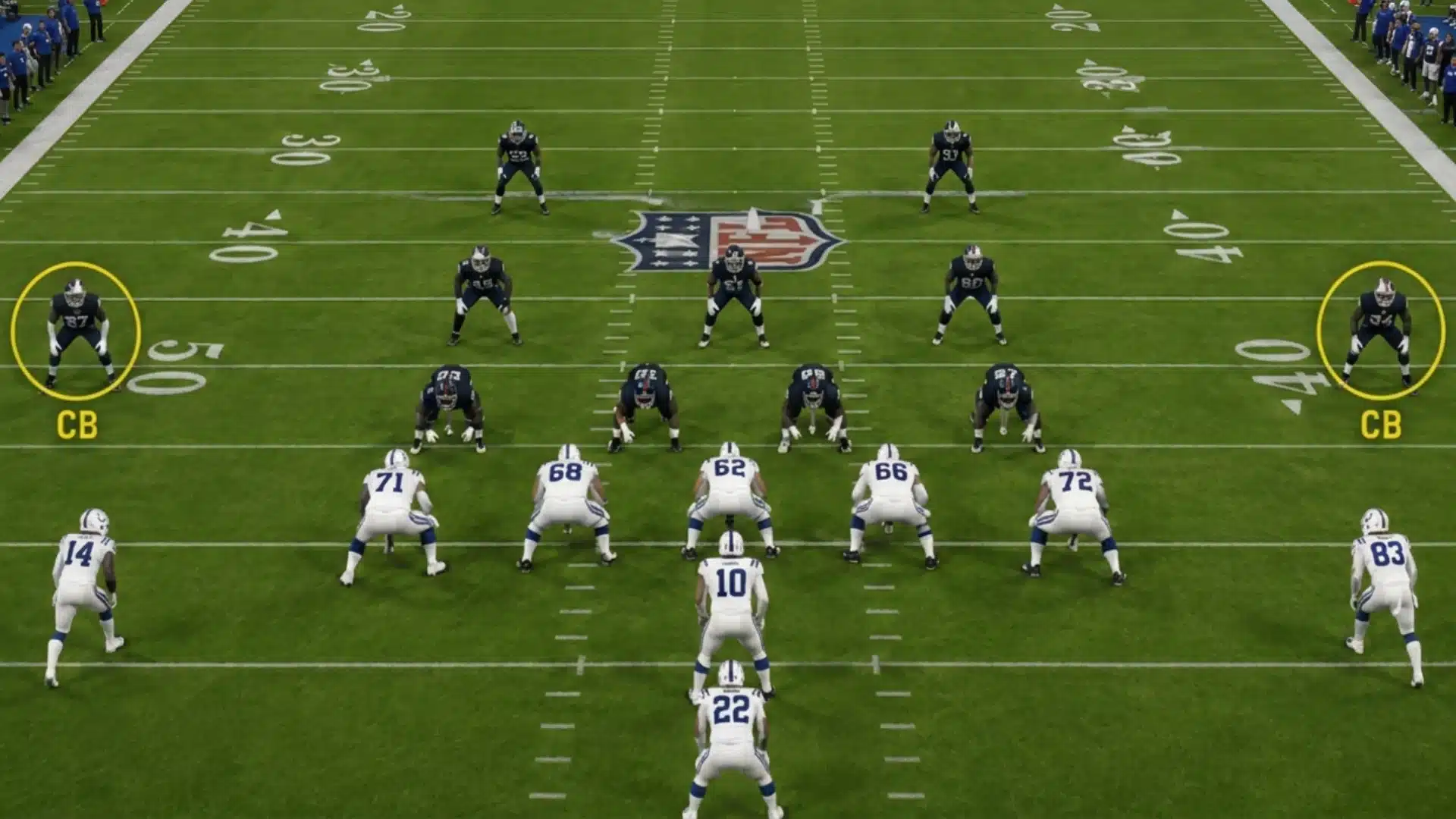
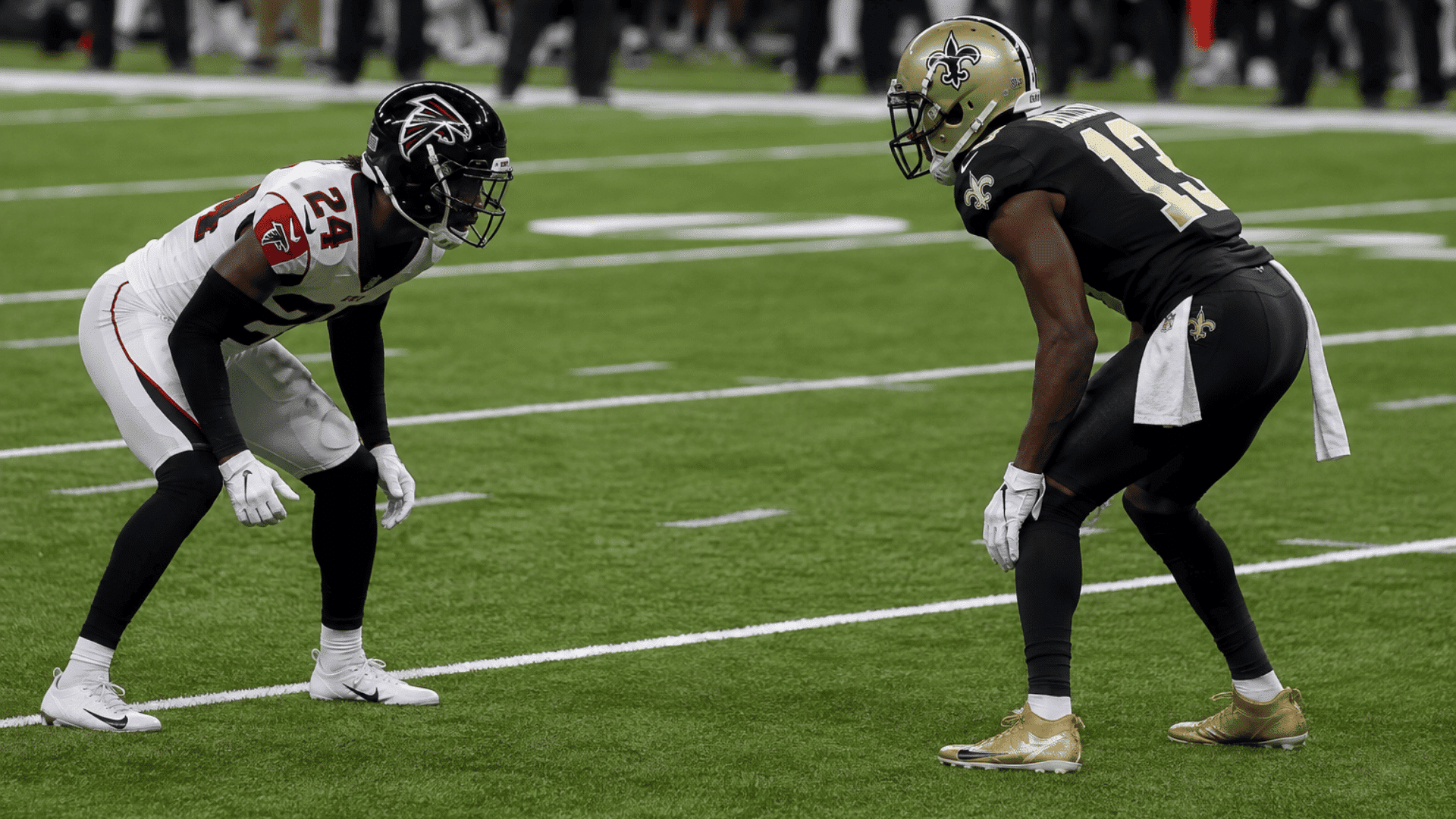
Cornerbacks cover wide receivers, and they’re often the fastest players on defense. The best one on the team usually earns the nickname “lockdown corner” because they get matched up against the opponent’s top receiver.
You’ll also hear the terms weakside and strongside corner, which describe which side of the field they line up on.
Cornerbacks need to play both man and zone coverage, switching styles depending on the call.
2. Free Safety
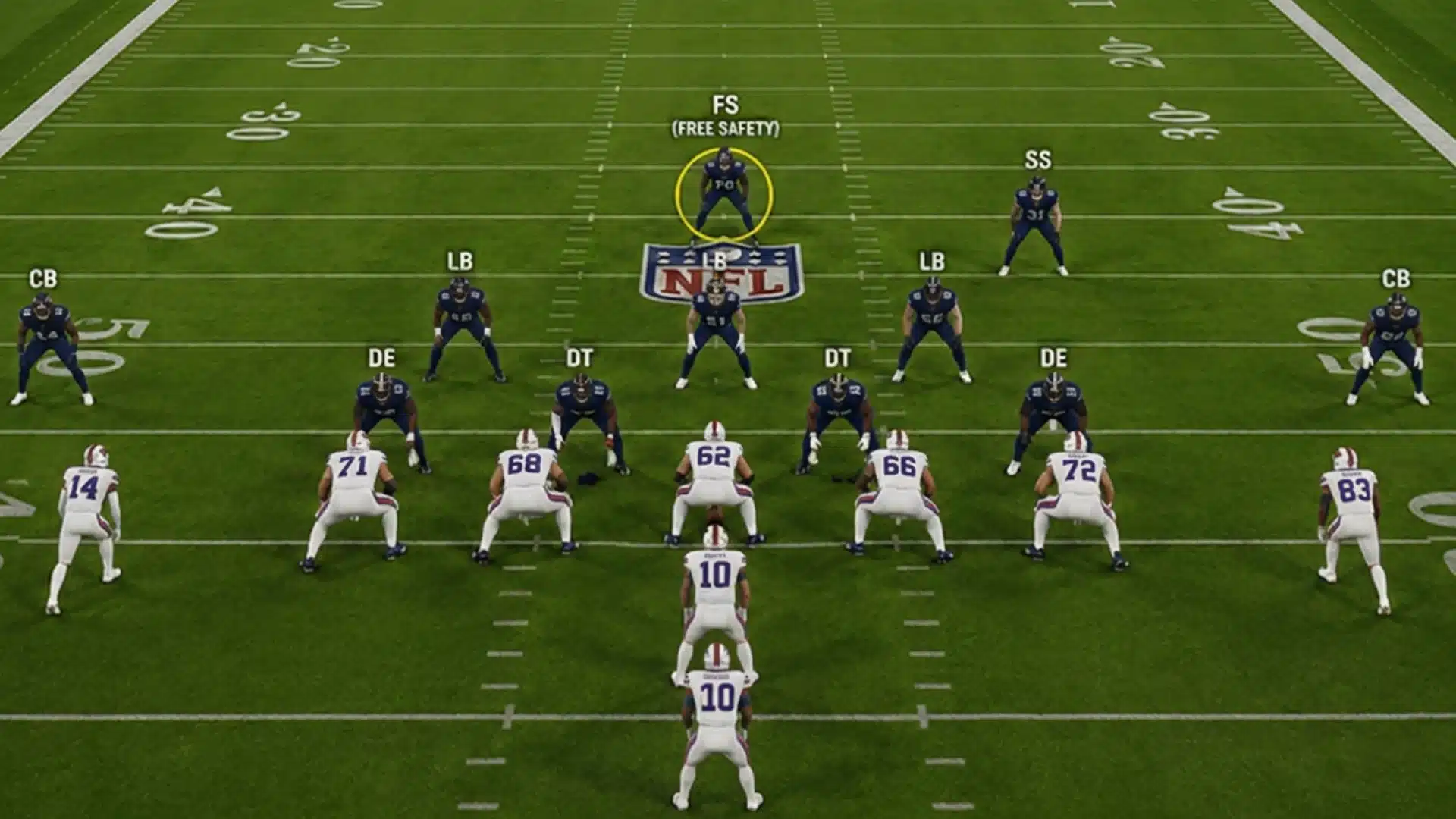
The free safety plays deep, often near the middle of the field, and roams based on where the play is developing.
This is the last line of defense against big plays, since a missed tackle here usually results in a touchdown.
Coaches call the safety position the “safety valve” of the defense because everyone else is counting on them to clean up mistakes. It’s a role that demands instincts and patience.
3. Strong Safety
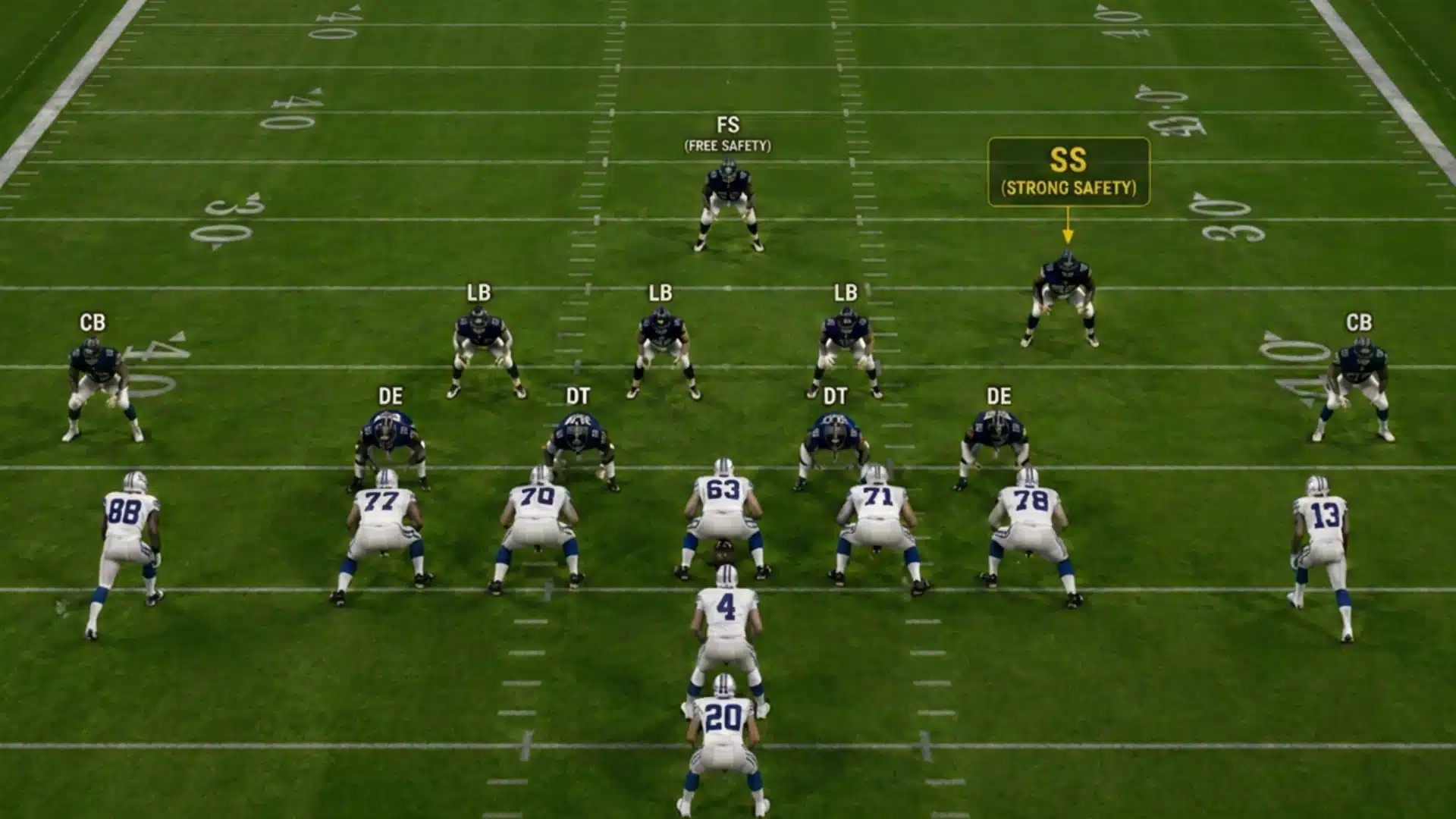
The strong safety splits time between stopping the run and covering the pass, which makes it one of the more physical roles in the secondary.
They usually line up on the strong side of the formation, which is the side with more tight ends or blockers. Because they’re closer to the line than a free safety, strong safeties need toughness and athleticism.
Think of them as part linebacker, part cornerback.
4. Nickelback and Dimeback
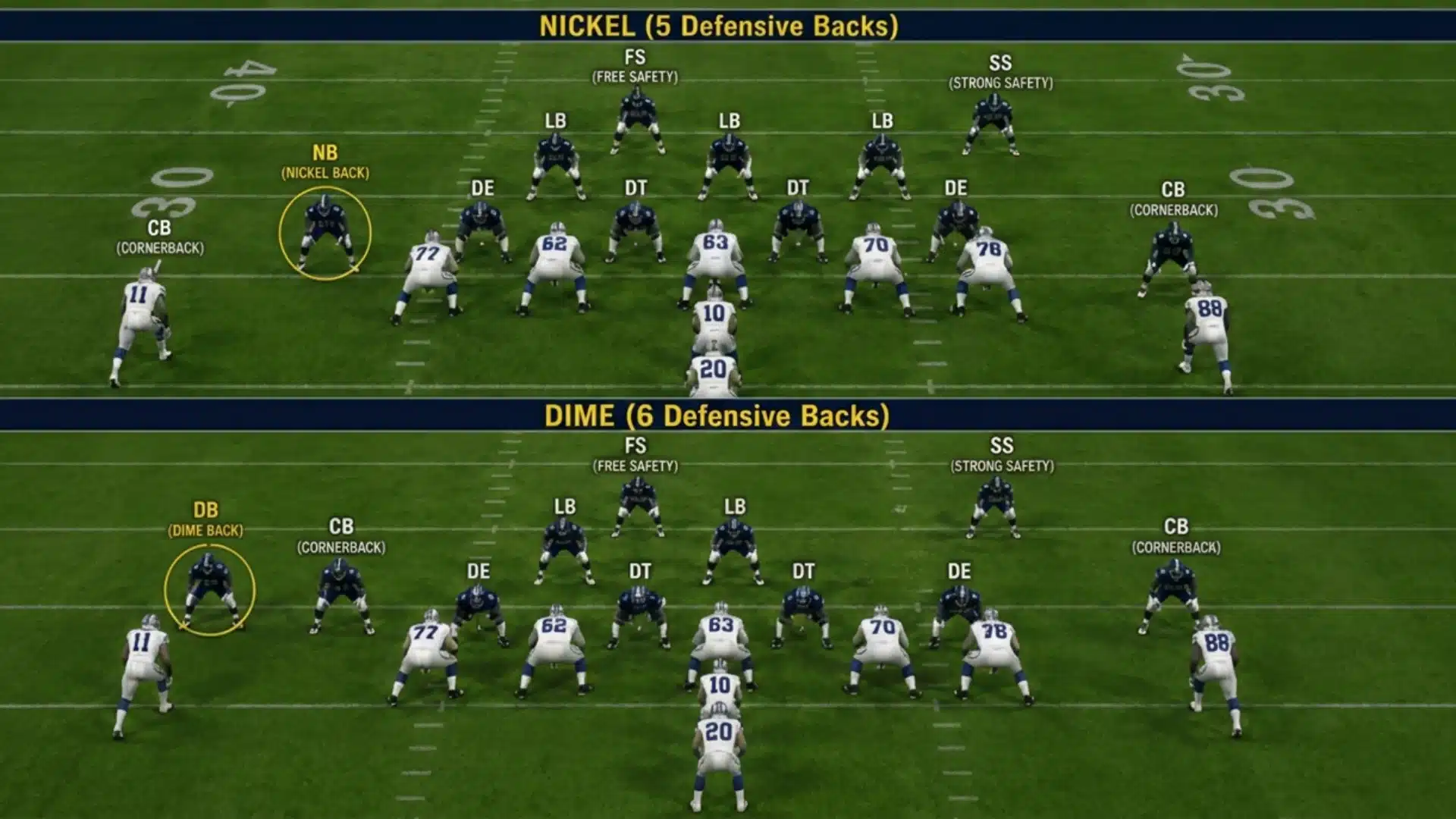
When offenses bring out extra receivers, defenses respond by bringing out extra defensive backs. The nickelback is the fifth DB on the field, usually swapped in for a linebacker on passing downs.
The dimeback takes it a step further and is the sixth DB, used when a team needs even more pass coverage.
There’s also the rover, a hybrid player who can line up as a linebacker, safety, or cornerback.
Skills and Techniques Every DB Needs
According to All Eyes DB Camp, which has trained defensive backs for decades, there are five essential moves every DB has to master to survive in coverage.
Here are the five moves that separate a good DB from a great one.
- Back Pedal: The foundation move for any DB. You run backward while staying square to the receiver, eyes locked forward the whole time. A fast, smooth back pedal lets you react the instant the receiver breaks. Turn your shoulders too early, and you’re beaten.
- Weave: Instead of moving straight back, you shift side to side while staying square to the receiver. Receivers love attacking laterally, and a good weave keeps your hips and eyes under control no matter which way they cut. It takes away that advantage.
- Hip Flip: The hip flip lets you turn your hips to chase the receiver while keeping your eyes on them. Without it, you get stuck with a speed turn, which means losing sight of the receiver. The better your hip flip, the fewer times you go blind in coverage.
- Breaks: At some point you have to change direction. That’s your break. Its speed and cleanness decide if you stay in front of the receiver or watch them run past. Extra steps or sloppy footwork put you on the sideline.
- Kick Slide: Used in press coverage, when you line up right on the receiver at the snap. It’s a lateral move that mirrors the receiver’s release, letting you widen their path and stay physical in the first five yards. This disrupts the route before it starts.
Physical Traits and Measurables Coaches Look For
If you want to play defensive back at a higher level, your height, weight, speed, and strength are all measured and compared against a set of standards.
According to recruiting data from Go Big Recruiting, these benchmarks shift depending on the level of college football you’re aiming for, from Power 5 programs all the way down to Division 3 schools.
1. FBS Power 5 Level
At the Power 5 level, coaches want a defensive back who’s around 6 feet tall and 185 pounds, running the 40-yard dash in about 4.5 seconds.
On top of that, they’re looking for benchmarks like a 270-pound bench and a 405-pound squat.
But the numbers only tell half the story. Coaches also want elite instincts, a natural hip flip, quick feet, and the range to cover sideline to sideline without hesitation.
2. FBS Group of 5 / High FCS Level
One tier down, at Group of 5 and high FCS programs, the numbers ease up slightly, around 180 pounds with a 4.6-second 40-yard dash.
These recruits might not have the same track record as a Power 5 prospect, but coaches see flashes of elite traits, like the ability to flip hips and rarely take false steps.
Coaches at this level are willing to develop a player who shows athletic upside.
3. D2, NAIA and D3 Level
Further down the ladder, at D2, NAIA, and D3 programs, coaches care less about hitting exact numbers and more about how a player competes.
A “good athlete, tough competitor” shows up repeatedly in the coach keys at this level. Willingness to mix it up in run support and decent change-of-direction skills matter more here than a perfect 40 time.
Iconic Defensive Backs Who Defined the Position
Some players took the DB position and turned it into an art form. Here’s a quick look at four names every football fan should know, and what made each of them stand out.
| Player | Position | Signature Achievement | Why They Defined the Position |
|---|---|---|---|
| Deion Sanders | Cornerback | Hit an MLB home run and scored an NFL touchdown in the same week (1989) | Widely considered the best cover corner ever, nicknamed “Prime Time” for his shutdown coverage skills |
| Ed Reed | Free Safety | Holds the NFL record for career interception return yards | Mastered reading quarterbacks before the ball was even thrown, turning instincts into a weapon |
| Charles Woodson | Cornerback | Only primarily defensive player to win the Heisman Trophy (1997) | Proved a DB could be the best player on the field, not just the best defender |
| Ronnie Lott | Safety | Chose to have part of a damaged finger amputated rather than miss playing time | Set the standard for toughness and physicality at the position |
Final Thoughts
Playing DB is not just about being fast. It takes sharp footwork, quick decisions, and the guts to guard a receiver one-on-one with no room for error.
We covered a lot here, from the different types of defensive backs to the five moves every DB relies on, the coverage schemes they run, and the numbers coaches check off during recruiting.
Even the legends like Deion Sanders and Ed Reed built their careers on these same basics before adding their own flair.
A player trying to sharpen their game, a parent trying to understand what their kid does on Friday nights, or a fan who wants to watch smarter, you now know what to look for the next time a DB lines up across from a receiver.”
Try spotting a back pedal or a hip flip in the next game you watch, and let me know what you catch.
Frequently Asked Questions
How Many DBs are on the Field at Once?
Most defenses play 4 defensive backs, but that number jumps to 5 or 6 in nickel and dime packages when the offense brings out extra receivers for passing downs.
What is the Difference Between a DB and a CB?
DB is the umbrella term for the position group. Cornerback is one specific type of DB, along with free safety, strong safety, and nickelback.
Can a Defensive Back Score a Touchdown?
Yes. A DB can score by returning an interception, recovering a fumble, or even lining up on offense in rare goal-line packages, though coverage stays their main job.
What Stats Make a Defensive Back Good?
Interceptions, pass breakups, and tackles are the main stats scouts track. Missed tackles and yards allowed per target also matter for judging coverage consistency.