


Learning how to punt a football starts with control, not power.
Many beginners swing as hard as they can, but the ball still dies early or flies off line because the drop, steps, or point of contact is wrong.
A good punt has rhythm: catch, step, drop, strike, and follow through. When those pieces work together, you can get more height, distance, and control without forcing the kick. In my experience, most bad punts start before the foot ever hits the ball.
You will learn the proper stance, grip, footwork, ball drop, contact point, follow-through, beginner drills, and simple fixes for common punting mistakes.
What is a Punt in Football?
A punt in football is a special-teams kick used when the offense does not expect to get a first down or score.
It usually happens on fourth down, when the team gives the ball away deliberately and tries to force the opponent to start farther from the end zone.
A good punt is not only about distance. It also needs height, direction, and control. Hang time gives the coverage team time to run downfield, while a sideline punt can limit the returner’s space.
Keep these basics in mind:
- Keep the ball close to your body as you move forward.
- Drop the ball flat instead of tossing it upward.
- Let your kicking leg swing straight through the ball.
- Keep your eyes down until your foot makes contact.
- Focus on a clean drop before trying to kick harder.
The drop matters more than raw leg strength.
NFL Football Operations defines a punt as a play where the punter catches the snap, drops the ball, and kicks it before it hits the ground.
How to Punt a Football: Step by Step
A punt has six parts: stance, catch, steps, drop, contact, and follow-through.
Each part matters because one rushed move can affect the whole kick. If your stance is off, your steps may drift. If your drop is messy, your foot cannot strike the ball cleanly.
Before you work on power, learn the order of the movement. A punt becomes easier when each part happens in the same rhythm every time.
| Step | What To Do | Main Goal |
|---|---|---|
| 1 | Stand balanced | Stay controlled before the snap |
| 2 | Catch and secure the ball | Avoid rushing the kick |
| 3 | Take short steps forward | Build rhythm |
| 4 | Drop the ball flat | Set up a clean contact |
| 5 | Strike with the top of the foot | Drive the ball forward |
| 6 | Follow through | Improve distance and direction |
Step 1: Set Your Stance
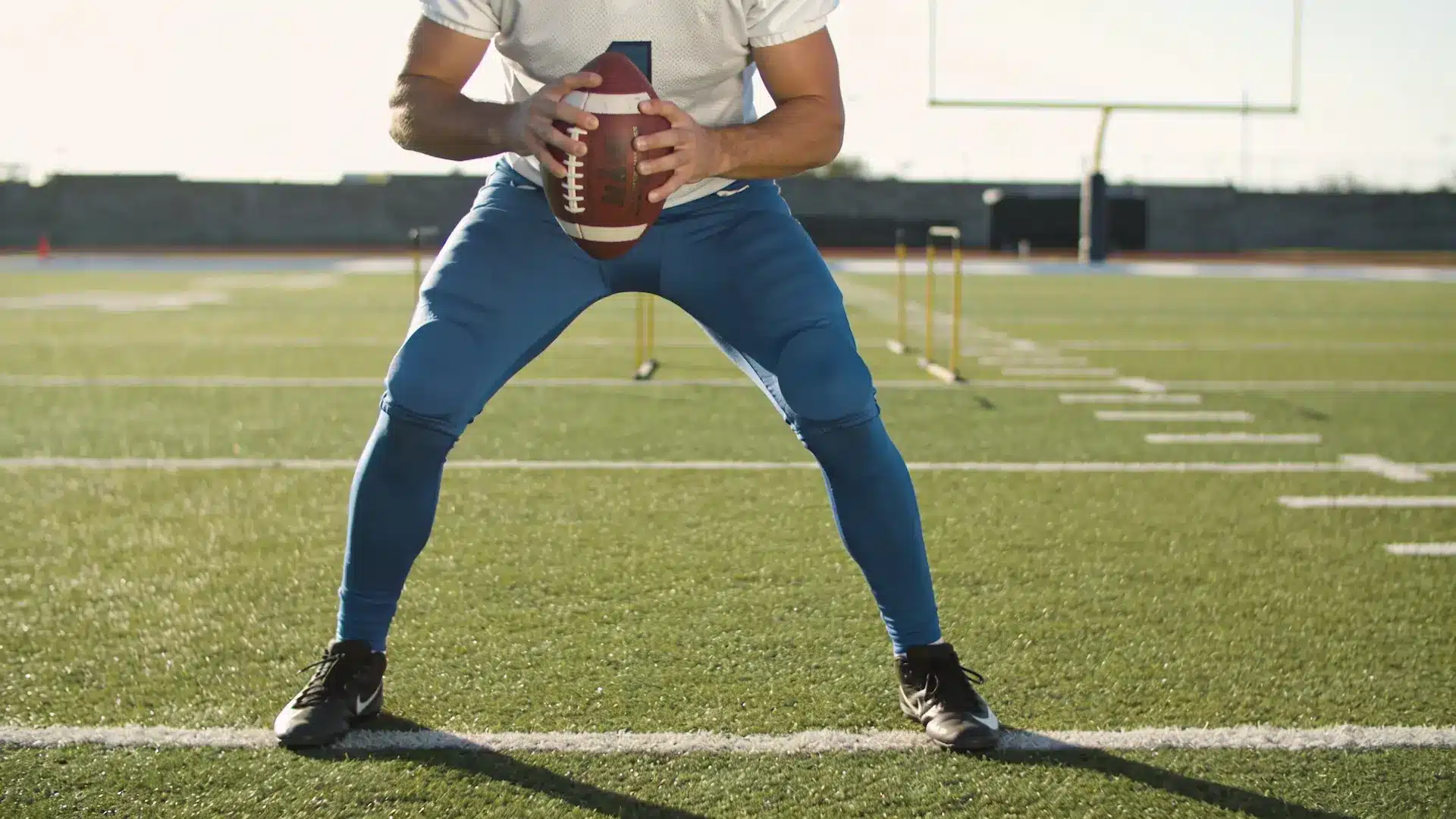
Start with your feet about shoulder-width apart. Keep your knees slightly bent and your weight balanced, not stuck on your heels.
Your kicking foot should sit slightly behind your plant foot so your body is ready to move forward.
Point your shoulders toward the target. Do not lean back too early. A balanced stance makes the rest of the punt feel much easier.
Step 2: Catch And Hold the Ball
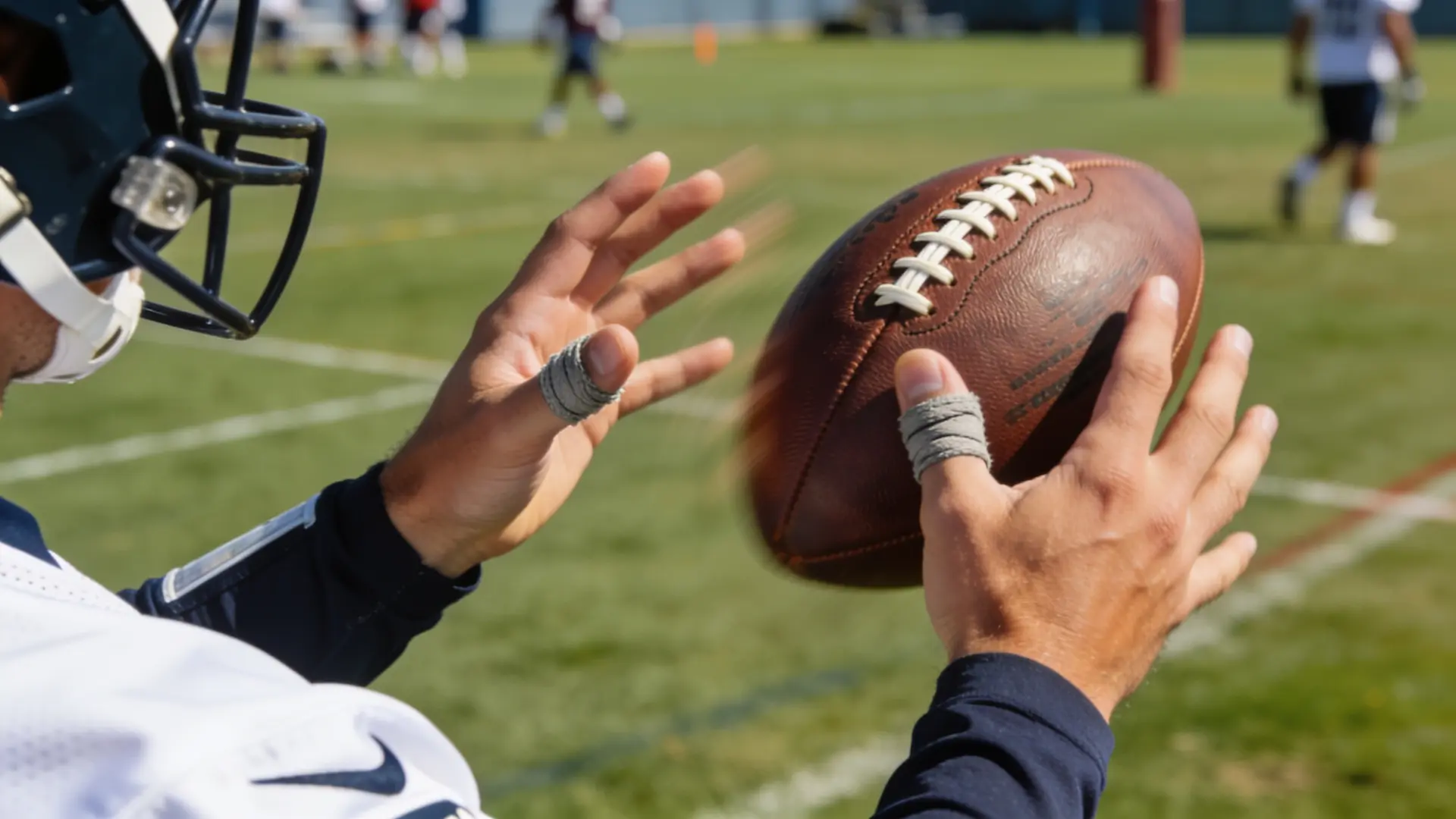
After the snap, secure the ball with both hands before you start the kick. Hold it around waist-to-lower-chest height, close enough that you can control it without reaching.
Do not panic or rush the motion. A clean catch gives you a better drop. If the ball is loose in your hands, the punt usually breaks down right away.
Step 3: Take Controlled Steps
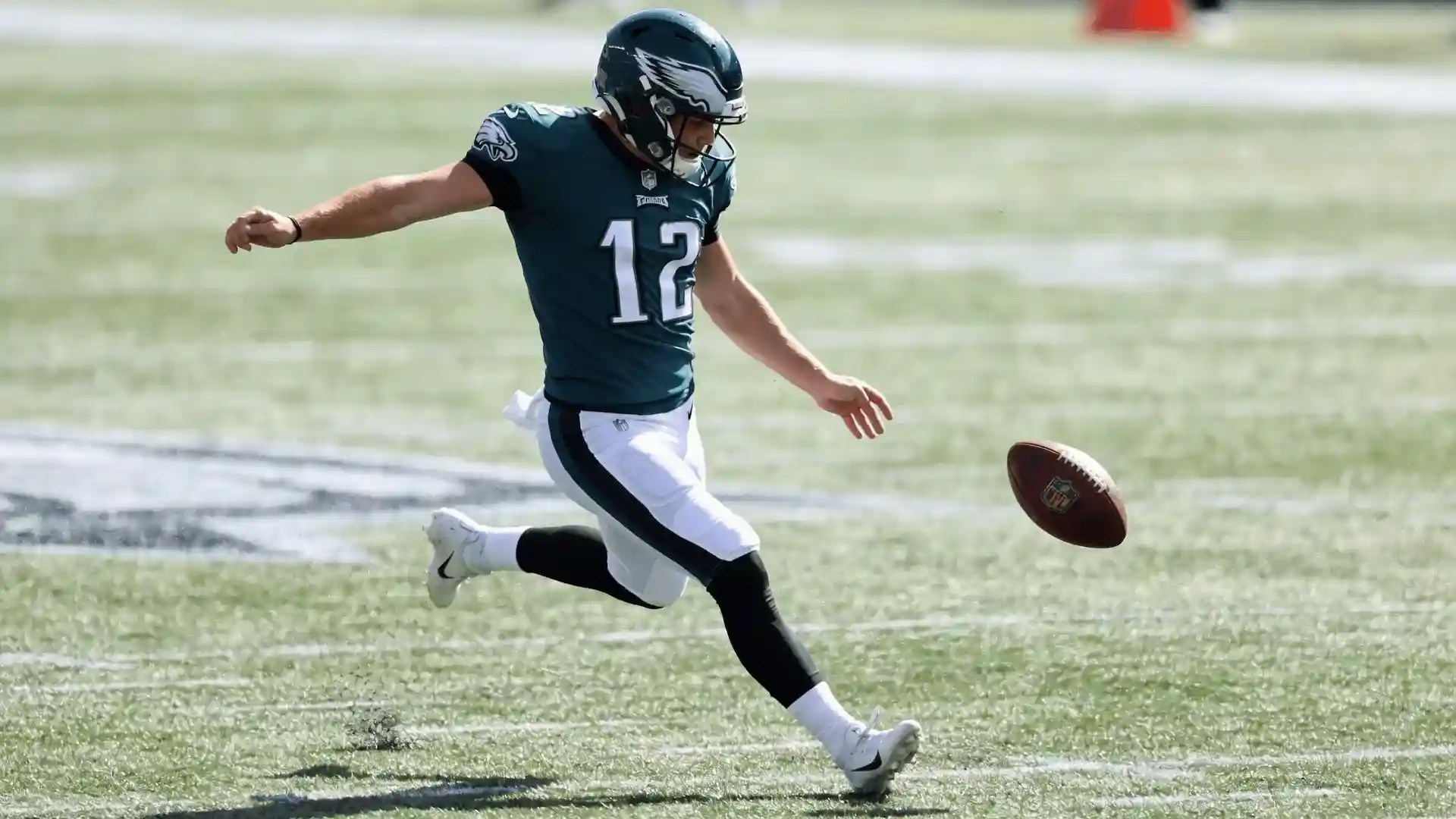
Use a simple two-step or three-step approach. For a right-footed punter, the rhythm often starts with the right foot, then the left plant foot, then the kick. Left-footed punters can reverse that pattern.
Keep your steps short and straight. Long steps may feel powerful, but they make the drop harder to control. Smooth steps are better than fast steps at first.
Step 4: Drop the Ball Correctly
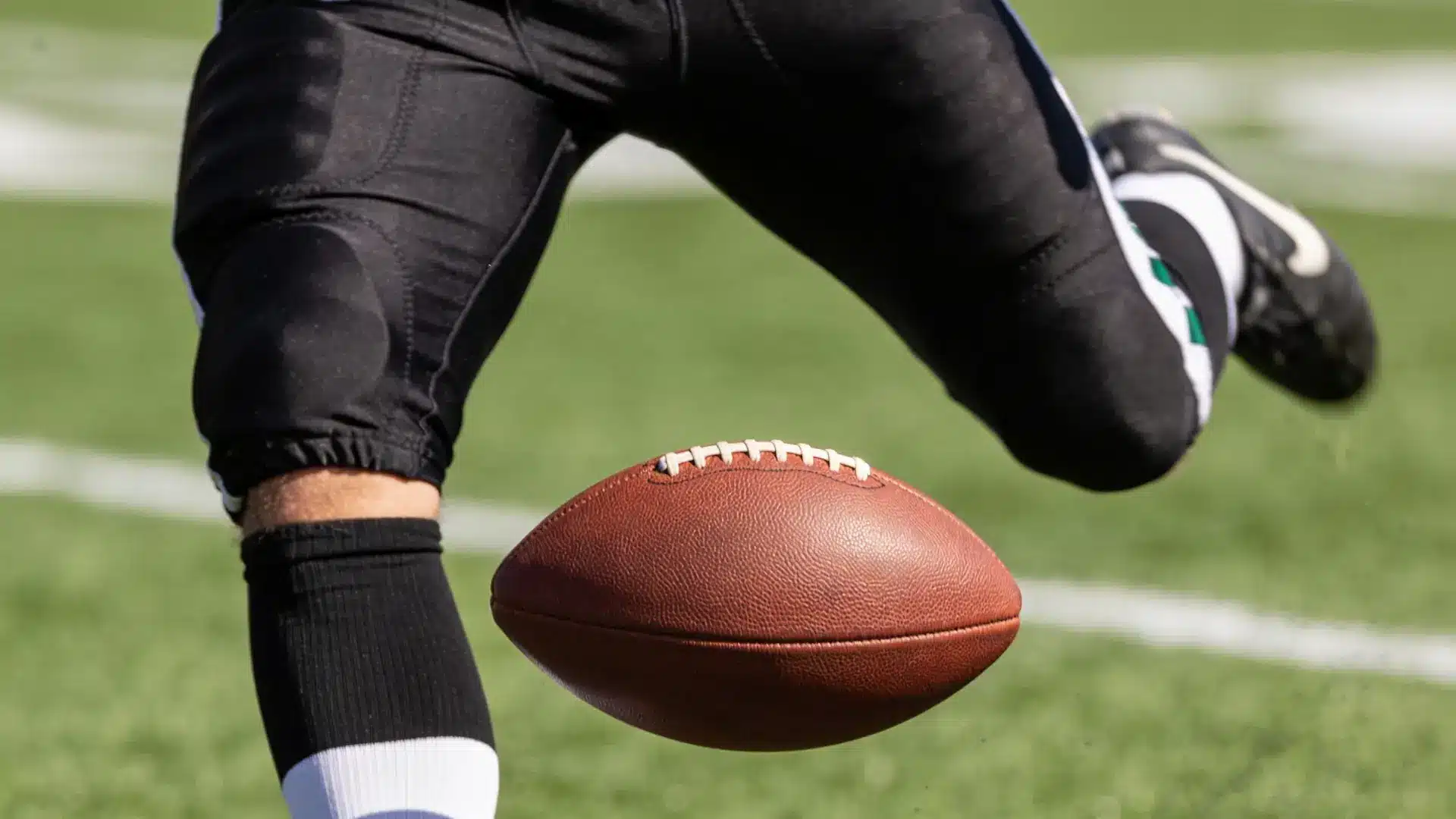
Drop the ball instead of tossing it. The ball should fall in front of your kicking leg, around thigh level, with the nose slightly down or level. Your hands should guide the ball, then let it go. Do not throw it upward or push it across your body.
This is one of the biggest parts of learning how to punt a football. A steady drop gives your foot a clean path to the ball.
Step 5: Make Contact with the Ball
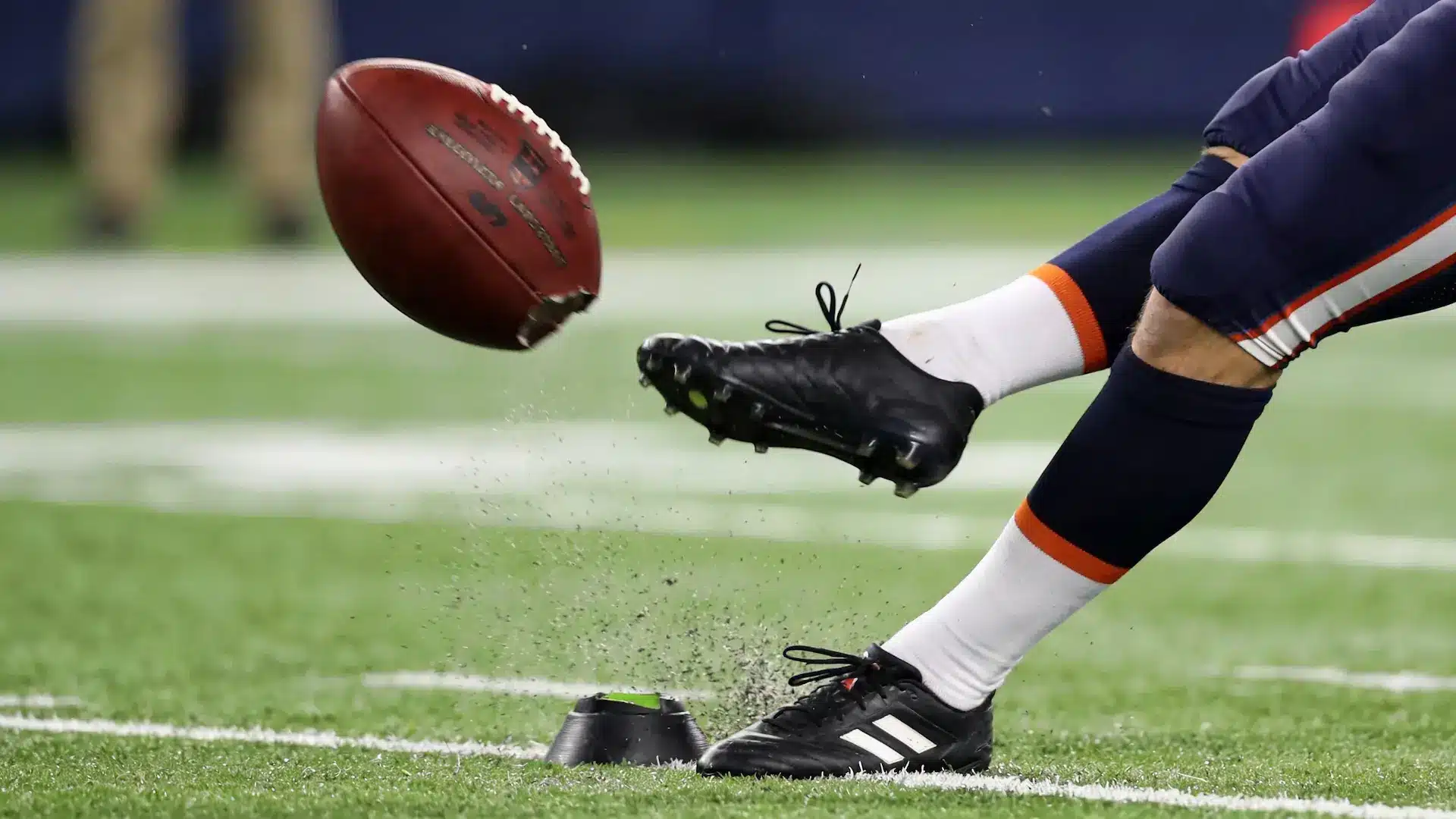
Strike the lower half of the football with the top of your foot, near the laces of your shoe. Keep your ankle locked so your foot does not bend on contact.
Swing straight through the ball and keep your eyes down until contact happens. Do not try to crush the kick. Clean contact will give you better distance than a wild swing.
Step 6: Follow Through Toward the Target
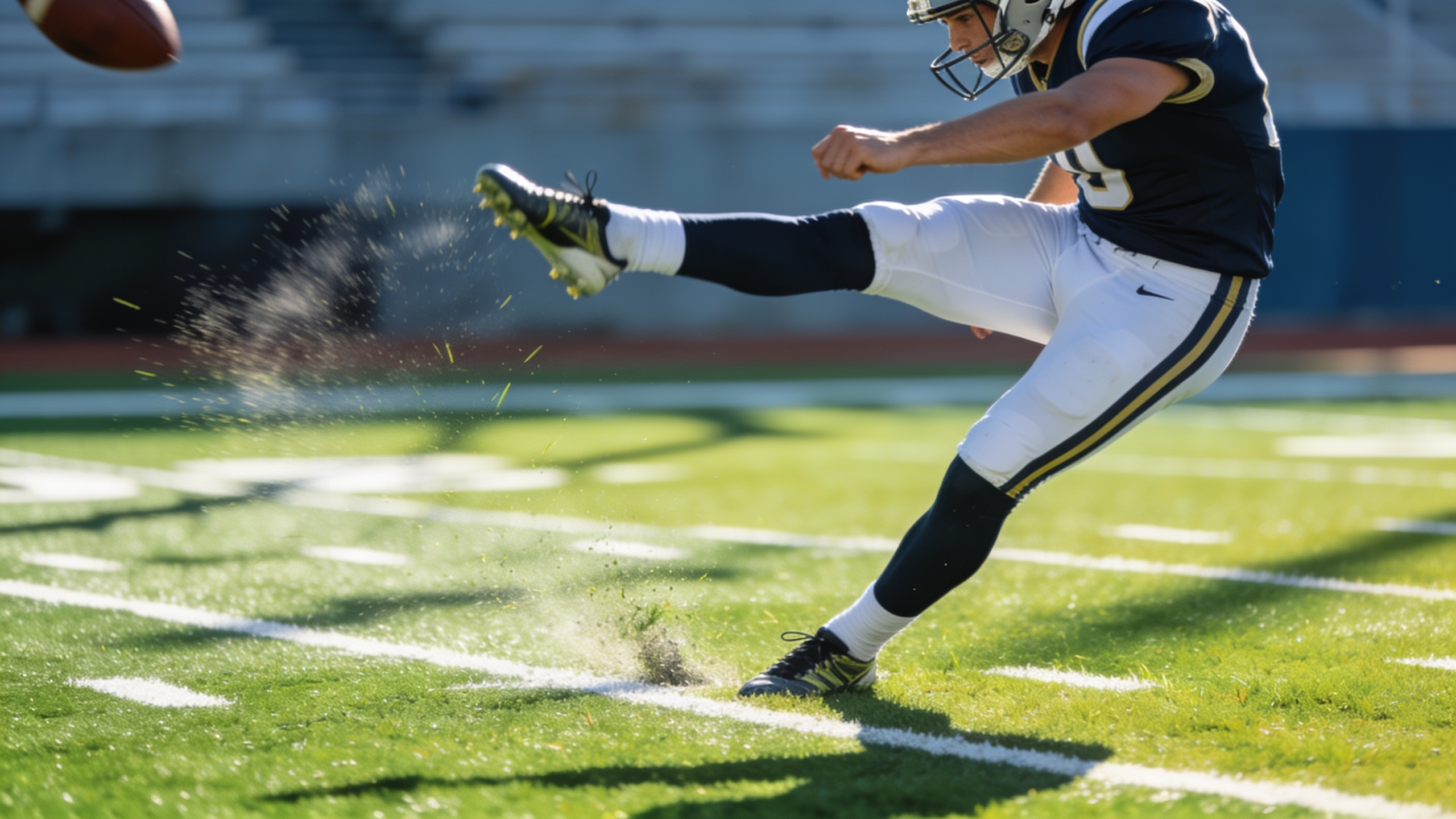
After contact, let your kicking leg continue upward and forward. Your chest should stay tall, and your body should keep moving toward the target line.
Do not stop your leg as soon as you hit the ball. That often causes weak, low punts. A full follow-through helps the ball travel farther and stay on a better line.
Ball Drop And Foot Placement Tips for a Better Punt
The ball drop and foot placement control most of the punt.
A strong leg will not help much if the ball floats, spins, or moves away from your kicking foot. Your plant foot also needs to land in the right spot so your kicking leg can swing straight through the ball.
Plant Foot Position
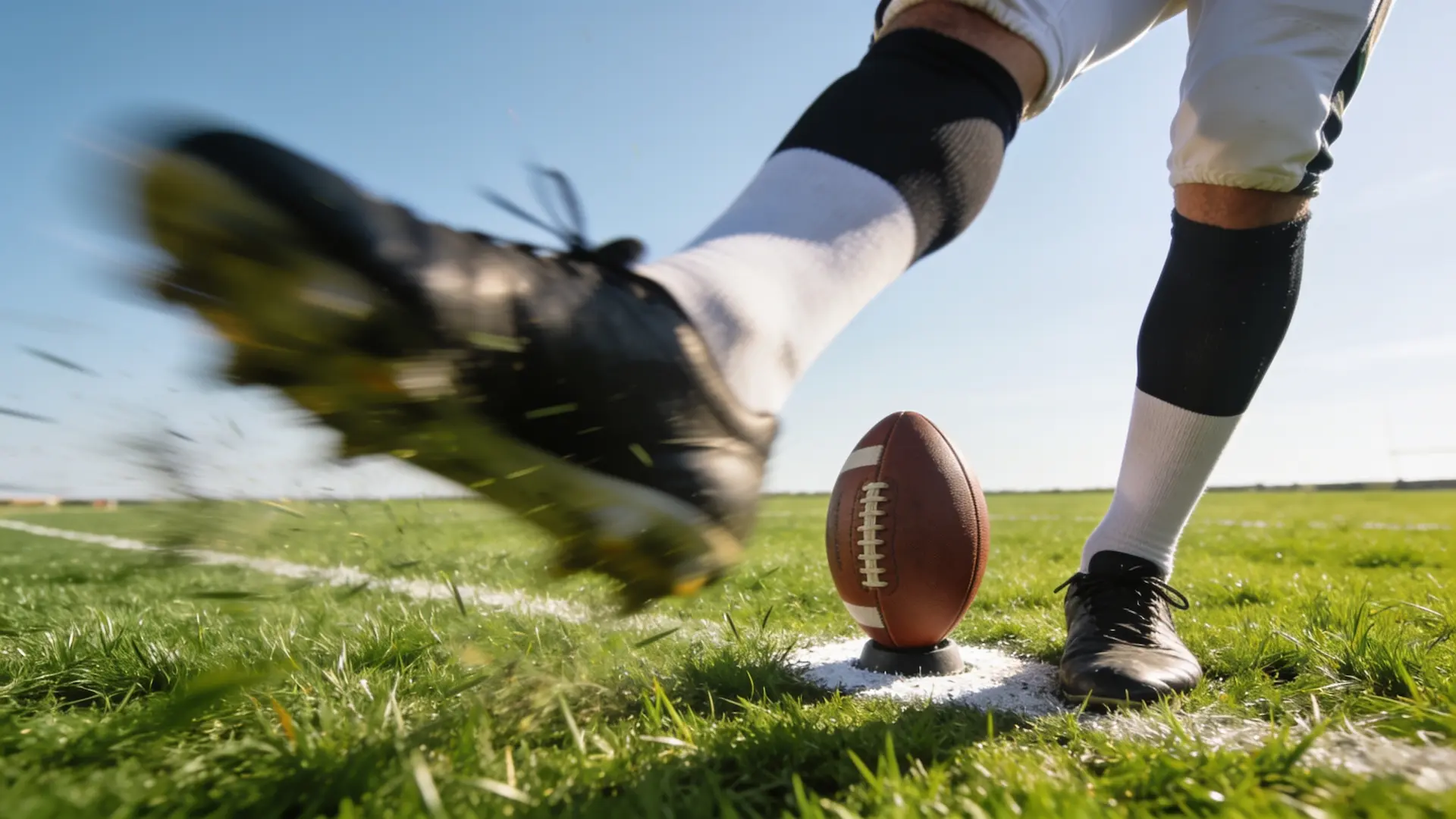
Your plant foot is the foot that lands on the ground before your kicking leg swings through.
- It should land slightly beside and a little behind where the ball drops.
- If your plant foot lands too far away, you may have to reach for the ball.
- If it lands too close, the kick can feel tight and cramped.
- Your plant foot should point mostly toward the target.
- Keep a slight bend in your plant knee so your kicking leg can swing freely through the ball.
Kicking Foot Position
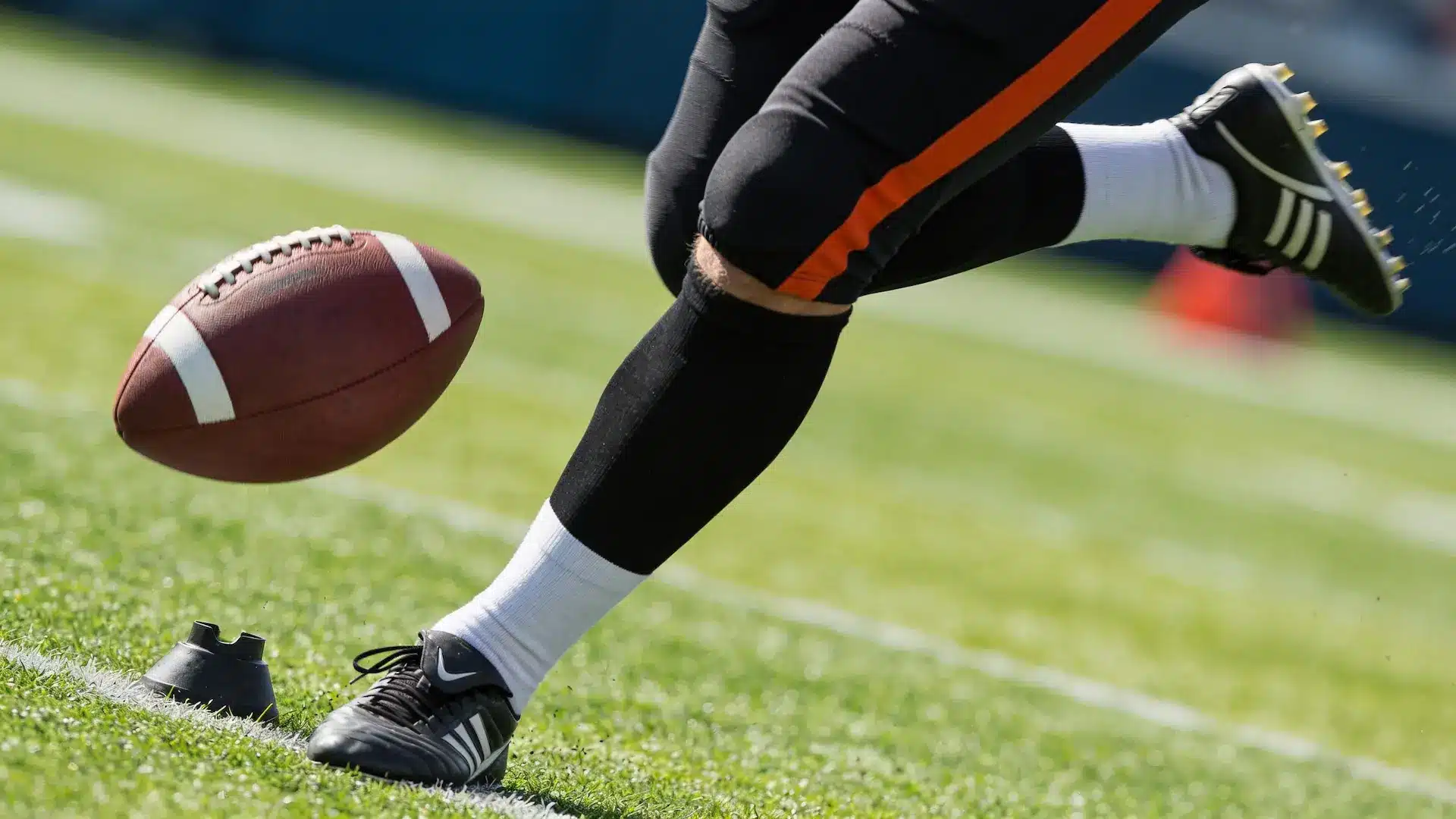
Your kicking foot should stay firm with the toe pointed slightly down.
- Strike the ball with the top of your foot, near the laces of your shoe.
- Do not poke the ball with your toe.
- A loose ankle can cause soft or uneven contact.
- Keep the ankle locked so the foot acts like one solid surface when it meets the football.
Simple Ball Drop Drill
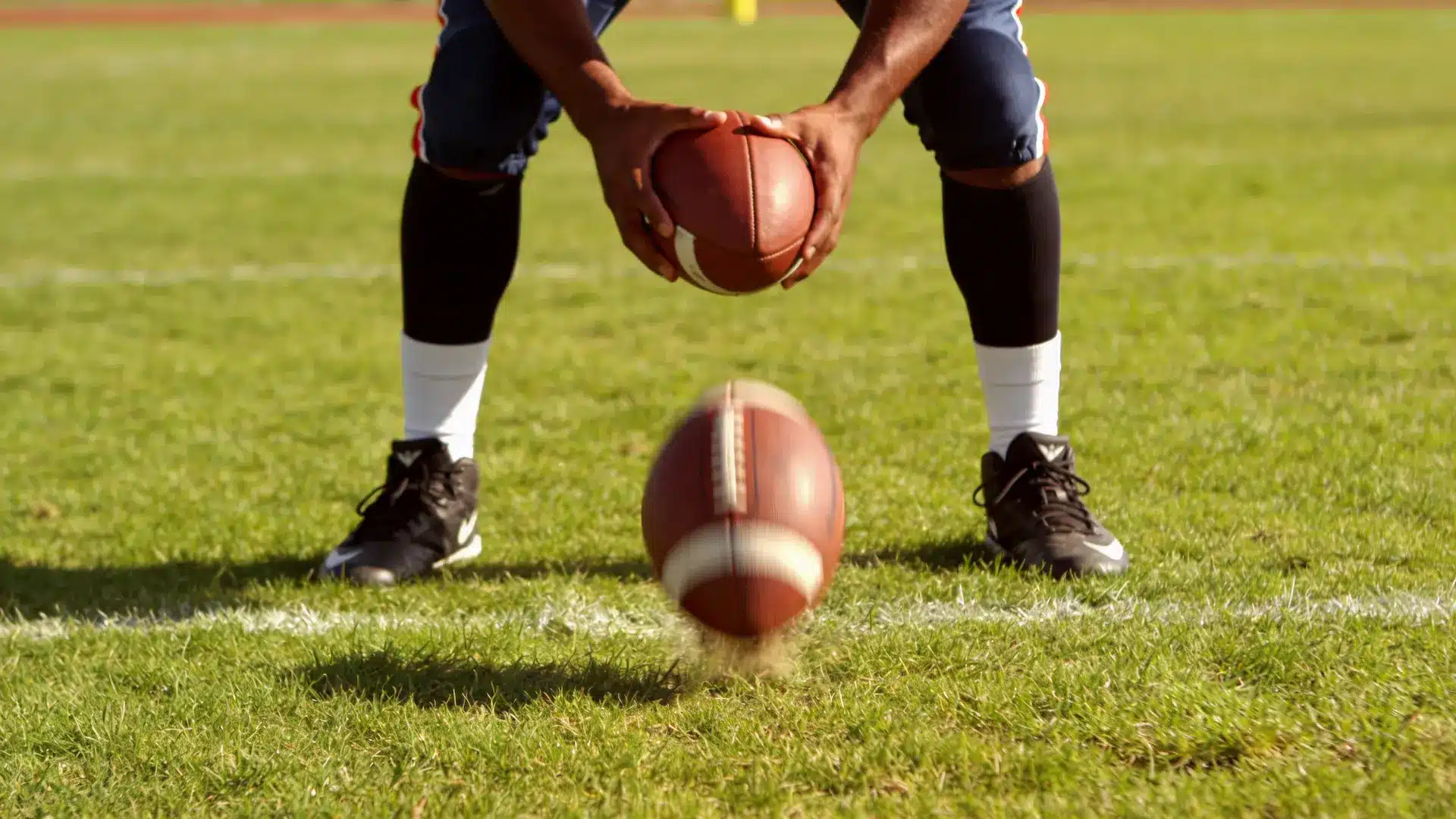
Use this no-kick drill before full punts:
- Hold the ball in front of your body.
- Take one short step forward.
- Drop the ball flat.
- Let it hit the ground without kicking it.
- Check where it lands.
- Repeat until it lands in the same spot each time.
The ball should land consistently in front of your kicking foot. Once that feels easy, add the kick back in.
Common Punting Mistakes and How to Fix Them
Most punting mistakes come from a poor drop, rushed steps, weak plant foot position, or bad contact. Use this table to spot the mistake and make one simple correction at a time:
| Mistake | What Usually Happens | Simple Fix |
|---|---|---|
| Tossing The Ball Upward | Timing changes, and the punt comes out low | Let the ball fall from your hands |
| Dropping Across The Body | The swing moves off line | Drop it in front of your kicking leg |
| Releasing Too Early | The ball falls away before contact | Hold it slightly longer and guide it down |
| Letting The Ball Spin | Contact becomes uneven | Keep both hands steady before release |
| Taking Long Steps | You lose balance before the kick | Shorten the approach |
| Plant Foot Too Wide | The ball slices or drifts sideways | Plant closer to the drop |
| Kicking With The Toe | Contact feels weak or uneven | Strike with the top of your foot |
| Looking Up Early | You miss clean contact | Keep your eyes down until the kick |
| Swinging Across The Body | The punt shanks sideways | Follow through toward the target |
If your punts keep coming out low, check the drop first. Keep the ball close, flat, and in front of your kicking leg. Then strike the lower half of the ball with a firm foot and a straight swing.
If your punts keep shanking sideways, slow the motion down. Aim your shoulders forward, keep your steps straight, and make sure the ball is not drifting across your body before contact.
How to Improve Punt Distance, Hang Time, and Direction
Punt distance comes from timing, clean contact, leg speed, and follow-through.
Many beginners try to kick harder right away, but power only helps when the drop and contact are right. If the ball is too far from your body or your foot hits the wrong spot, extra force can make the punt worse.
In my experience, the best punts usually feel smooth, not forced. Once your motion is clean, you can add more leg speed without losing control.
Use this order when you want to improve:
| Goal | What To Focus On First |
|---|---|
| More Distance | Clean contact and full follow-through |
| More Hang Time | Better ball height and lower-half contact |
| Better Direction | Shoulders, plant foot, and target line |
| More Control | Same drop spot every rep |
| Game Speed | Faster timing without losing form |
Use Your Whole Body: Punting is not only a leg movement. Your steps, hips, core, plant foot, and follow-through all help send the ball downfield.
Stay tall as you move into the kick. Do not lean backward or swing only from your knee. Move through the ball toward your target, then let your kicking leg finish high and forward.
Learn Basic Directional Punting: Directional punting means aiming the ball toward one side of the field instead of always kicking straight down the middle. This can help limit returns because the returner has less open space to use.
To aim a punt, line up your shoulders, plant your foot, and follow through toward the target. Use a cone, yard line, or sideline as a simple aiming point. Do not swing across your body to force the ball sideways. That usually pulls your foot off line.
Punting Safety and Game Awareness
Punting safely matters just as much as punting far.
- Warm up your legs and hips before practice
- Use open space
- Never kick near people standing in front of you.
- Stop if your leg, hip, or groin starts to hurt.
You also need basic game awareness. Know the snap count, catch the ball cleanly, get the kick-off quickly, and protect the ball if the snap is poor.
NFHS defines a scrimmage kick as a kick during a scrimmage down, including a punt, field goal attempt, or drop kick. Here is how to build from practice speed to game speed:
| Stage | What To Practice |
|---|---|
| No Rush | Learn the stance, drop, contact, and follow-through |
| Light Pressure | Have a teammate stand nearby without trying to block |
| Snap Included | Add a real or practice snap before the punt |
| Faster Timing | Speed up the catch, steps, and kick |
| Game-Like Rep | Punt with pressure while keeping your mechanics clean |
Real punts happen with pressure, but beginners should not start there. First, learn the movement without a rush. Once the motion feels steady, slowly add pressure and speed.
The goal is to build the same motion until it can happen quickly. Your steps, drop, contact, and follow-through should stay clean even as defenders close in.
Bottom Line
Learning how to punt a football comes down to rhythm and control. The basic sequence is simple: stance, catch, steps, drop, contact, and follow-through.
When each part happens in order, the punt feels smoother, and the ball travels better.
For most beginners, the ball drop is the biggest thing to fix first. A powerful leg will not help much if the ball floats, spins, or drifts away from your kicking foot. Keep the drop close, flat, and repeatable.
Start with short drills before chasing distance. Practice the drop-only drill, build clean contact with the one-step punt, then add more distance, hang time, and direction as your form improves.
Try the drop-only drill first, then test your one-step punt. Which part of the motion feels hardest for you right now?
Frequently Asked Questions
How Far Should a Beginner Punt?
A beginner punt may travel 20 to 30 yards at first. Focus on clean contact and steady height before comparing your distance to advanced players.
How Often Should You Practice Punting?
Practice two or three times a week with short sessions. Quality matters more than volume, especially when learning footwork, timing, and ball control.
Can You Punt a Football without Cleats?
Yes, you can practice in stable athletic shoes on safe ground. Cleats help with grip on grass, but they are not required for basic drills.