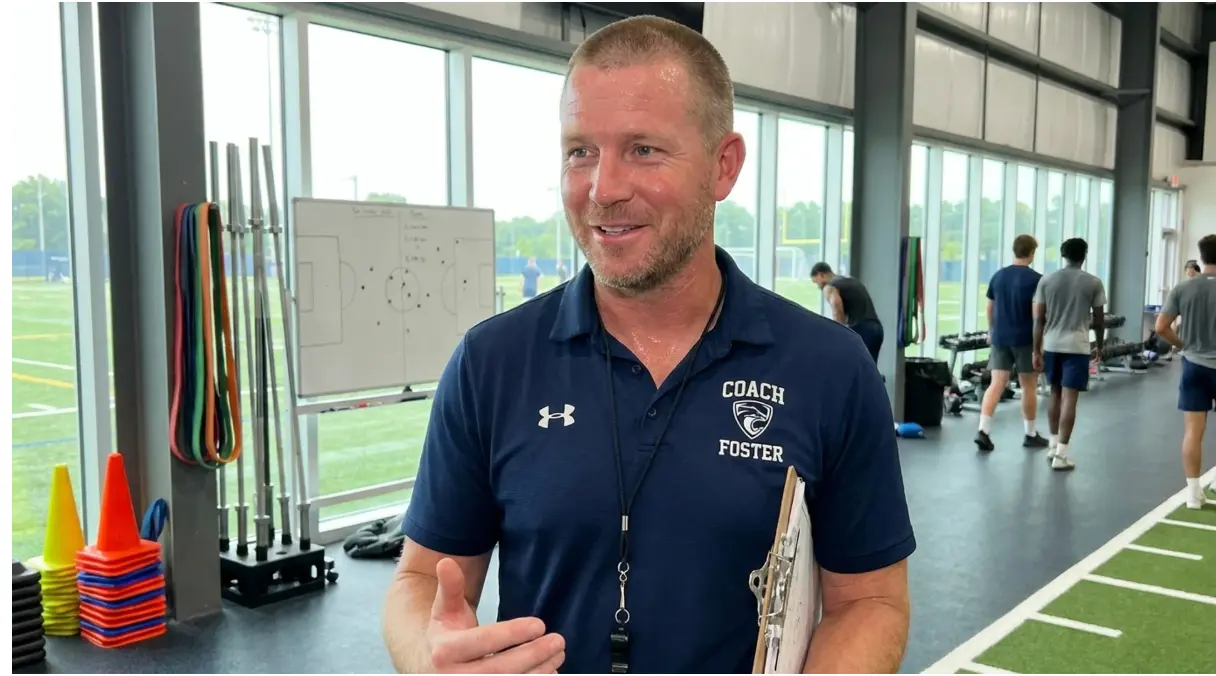



When a sports injury sidelines you, physical pain is only part of the challenge. Recovery can also affect your confidence, routine, and connection with teammates.
I know how frustrating it feels to watch from the sidelines while your teammates compete. You may also worry about reaching your previous performance level.
Learning how to handle sports injuries can help you make safer choices from the first day of recovery. Proper treatment, rehabilitation, nutrition, sleep, and emotional support all play important roles.
I will explain the immediate first-aid steps you can take and the signs that require medical attention. I’ll also cover how to rebuild your strength, manage the fear of reinjury, and prepare for a gradual return to sport.
Understanding Your Sports Injury
When you get hurt during an activity, understanding what happened to your body is the first step toward recovery. Most sports injuries fall into two main categories, and knowing which one you have helps shape your recovery plan:
| Injury Type | Onset | Symptoms | Causes & Examples |
| Acute Injuries | Happen suddenly | Announce themselves loudly with sharp pain, immediate swelling, and the need for quick attention. | A twisted ankle mid-game, a shoulder dislocated during a fall, or a hamstring that tears with one explosive movement. |
| Chronic Injuries | Develop gradually | Minor pain at first that you might ignore for weeks, only to realize months later that the pain has become severe. | It happens when you repeatedly stress the same joints or muscles without proper rest (e.g., minor knee pain). |
Common Sports Injuries by Location
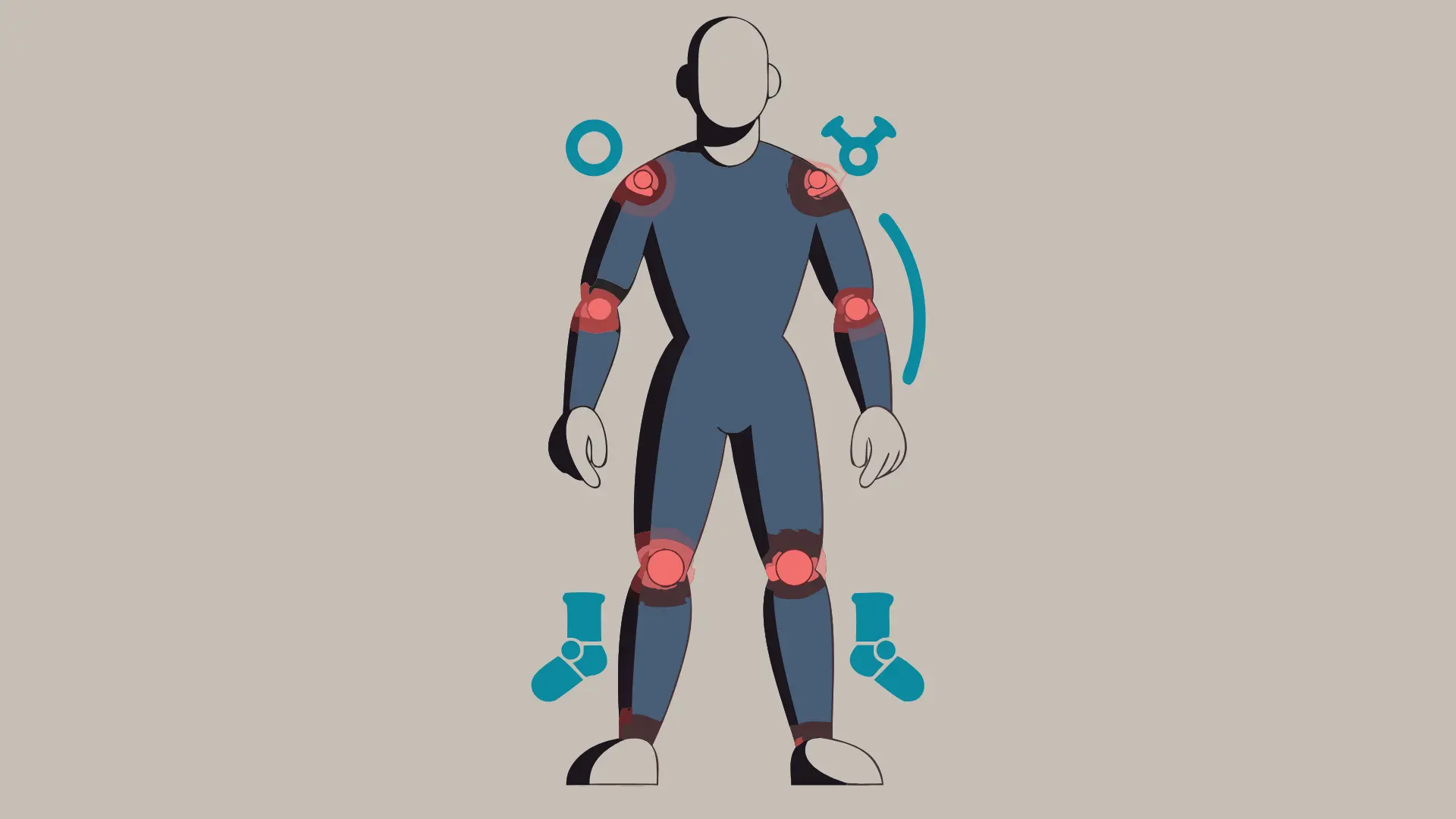
Certain parts of your body experience more stress during sports. Common injury locations include:
- Knees: ACL tears, runner’s knee, and jumper’s knee can cause pain, swelling, or limited movement.
- Ankles: Sprains occur when the ligaments surrounding the ankle stretch too far or tear.
- Shoulders: Rotator cuff injuries affect the muscles and tendons that support and stabilize the shoulder.
- Lower Back: Repeated movement, poor technique, or excess strain can cause pain and muscle injuries.
Identifying the affected area helps you understand the injury and choose an appropriate recovery plan.
| When does a Sports Injury Need Medical Attention? Seek medical attention for severe swelling, numbness, an obvious deformity, or an inability to put weight on the injured area. A suspected sprain may be a fracture, so get a professional diagnosis. |
How the RICE Method Helps Treat Sports Injuries
The first 48-72 hours after an injury are critical. How you treat your injury during this window can speed up or significantly slow your recovery.
| Do | Don’t |
| Ice for 20 min every 2-3 hours | Use heat in the first 72 hours |
| Raise above heart level | Massage the injured area immediately |
| Compress with an elastic bandage | Ignore severe swelling or pain |
| Rest the injured area | Try to exercise through pain |
This is where RICE comes in, a simple framework that’s been proven to work:
1. Rest: Your Most Important Tool
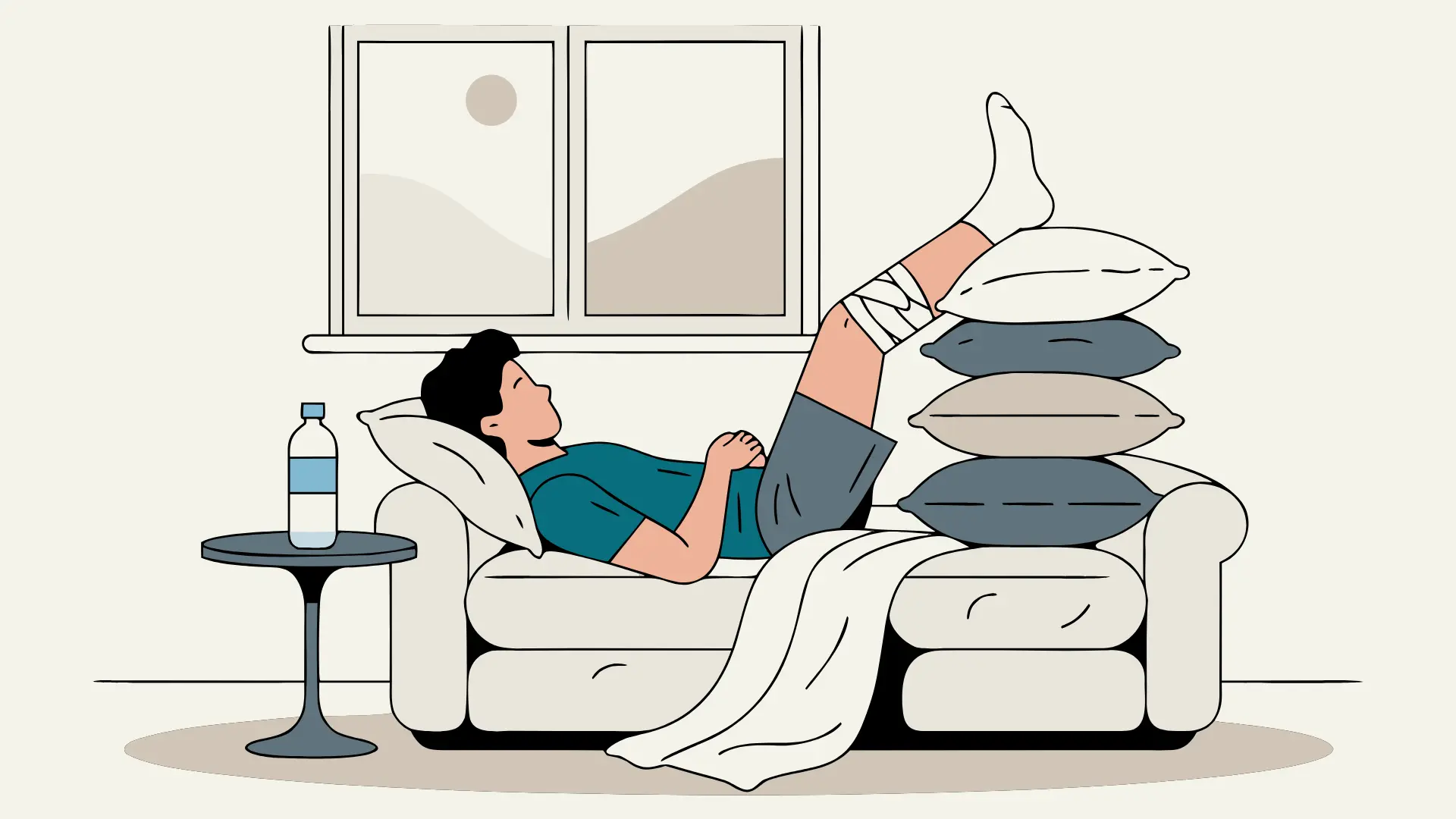
Rest doesn’t mean complete immobility. It means stopping the activity that caused the injury immediately. If you try to “push through” pain, you’re only making it worse.
Your body needs time to begin the healing process. For the first 24-48 hours, minimize any movement of the injured area. If your ankle is injured, use crutches. If it’s your shoulder, wear a sling.
Think of rest as giving your body permission to heal.
2. Ice, Compression, and Elevation
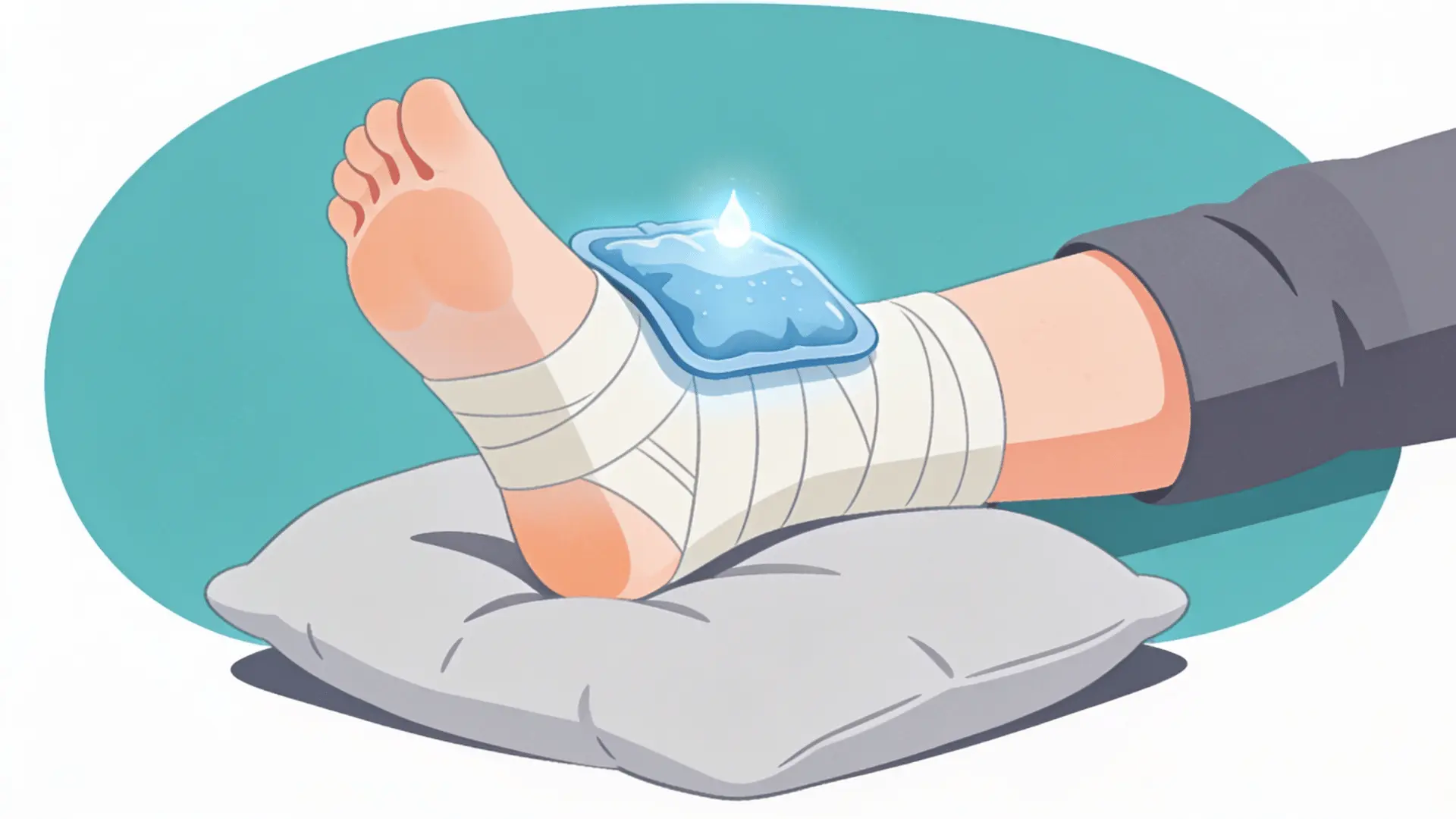
Apply ice for 20 minutes every 2-3 hours for the first 72 hours. This reduces swelling and naturally numbs pain. After ice sessions, wrap the injury with a compression bandage; firm but not so tight that it cuts off circulation.
Then raise the injured part above your heart when possible. This combination reduces inflammation and helps your body manage the injury without medication.
3. When to Skip Heat and What to Avoid
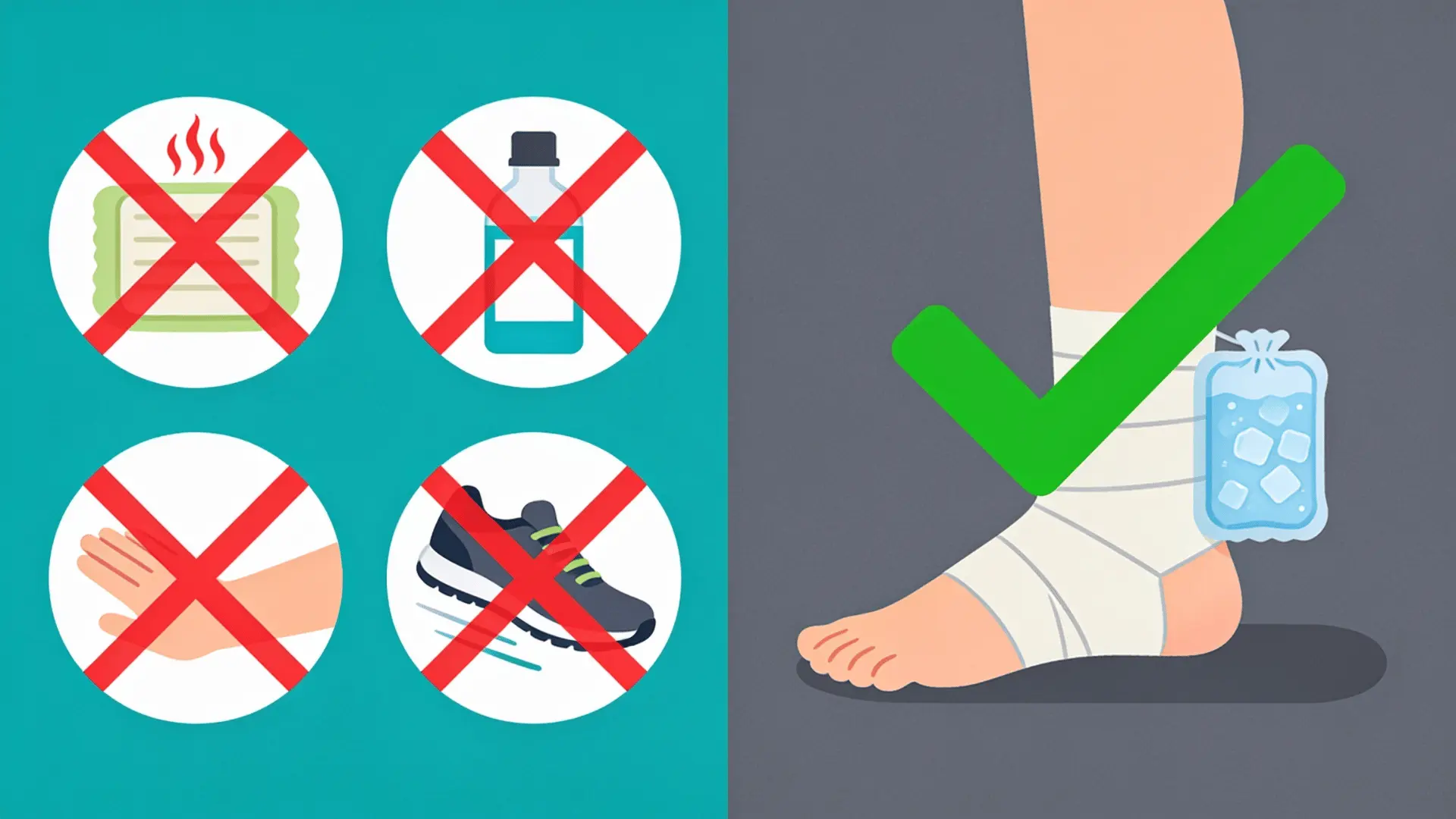
Here’s what stops many people from recovering properly: they apply heat too early. Heat increases blood flow, which increases inflammation and swelling. Wait at least 72 hours before using heat.
Also avoid alcohol, which increases bleeding and swelling. Avoid massage initially for the same reason; it can worsen swelling. And definitely avoid returning to exercise too soon, no matter how tempting it feels.
How Sports Injuries Affect an Athlete’s Mental Health
Here’s what the typical sports injury guide won’t tell you: the mental battle is often harder than the physical recovery.
You’re dealing with frustration, reinjury, isolation from your team, and the deep uncertainty of whether you’ll ever be the same athlete again. I want to address this head-on because it’s where most people struggle.
1. Managing Frustration and Emotional Stages
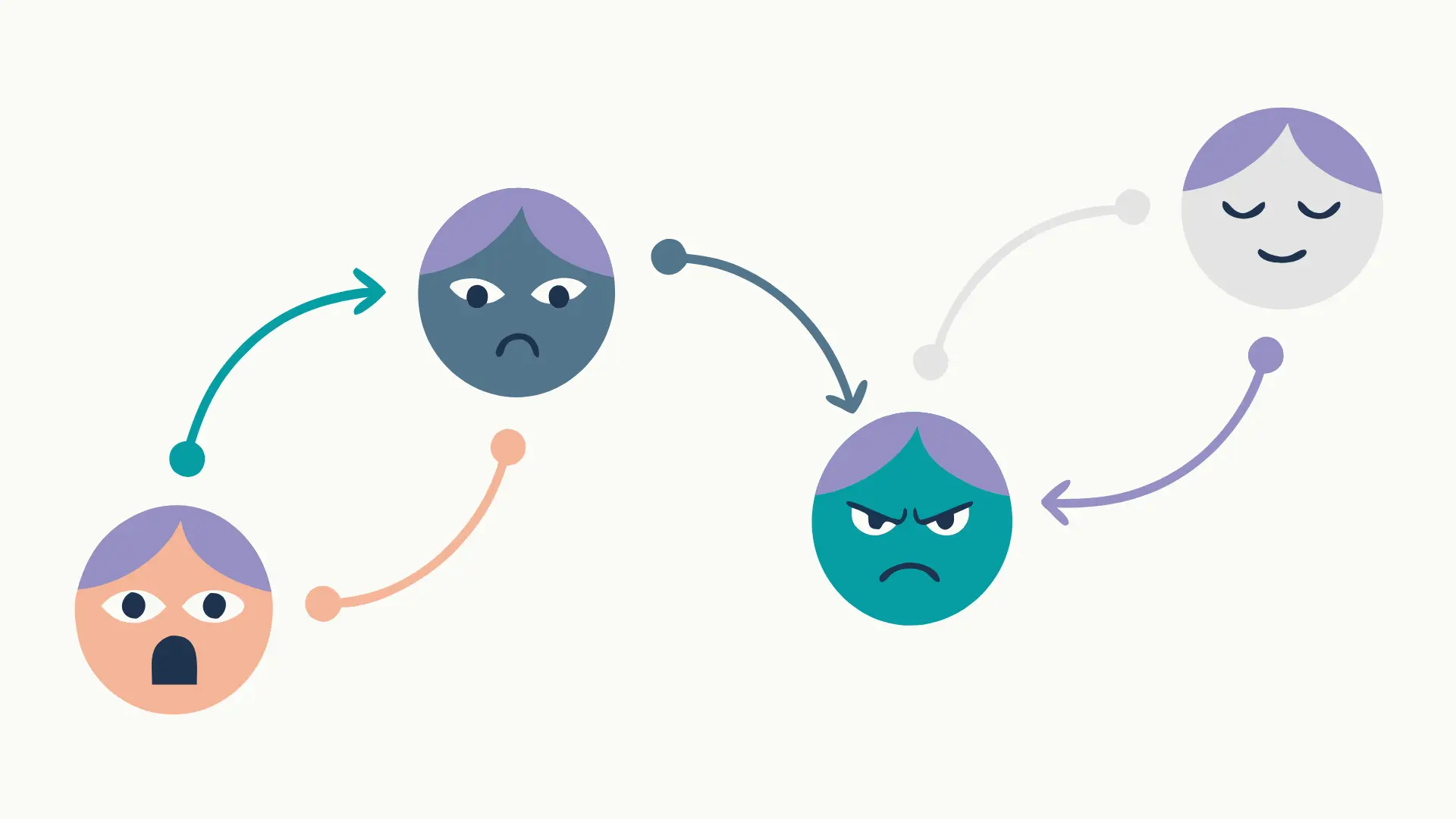
Knowing how to handle sports injuries also means addressing fear, frustration, and isolation during recovery.
Injury triggers real grief. You’ve lost something you love: your sport, your identity as an athlete, your routine, your social connections.
You’ll move through stages: initial shock, denial (“maybe I can still play”), anger (“why did this happen to me?”) and eventually acceptance. Recognizing that these feelings are normal helps you process them rather than fight them.
Let yourself feel frustrated. Cry if you need to. Then move forward.
2. Overcoming Fear of Reinjury
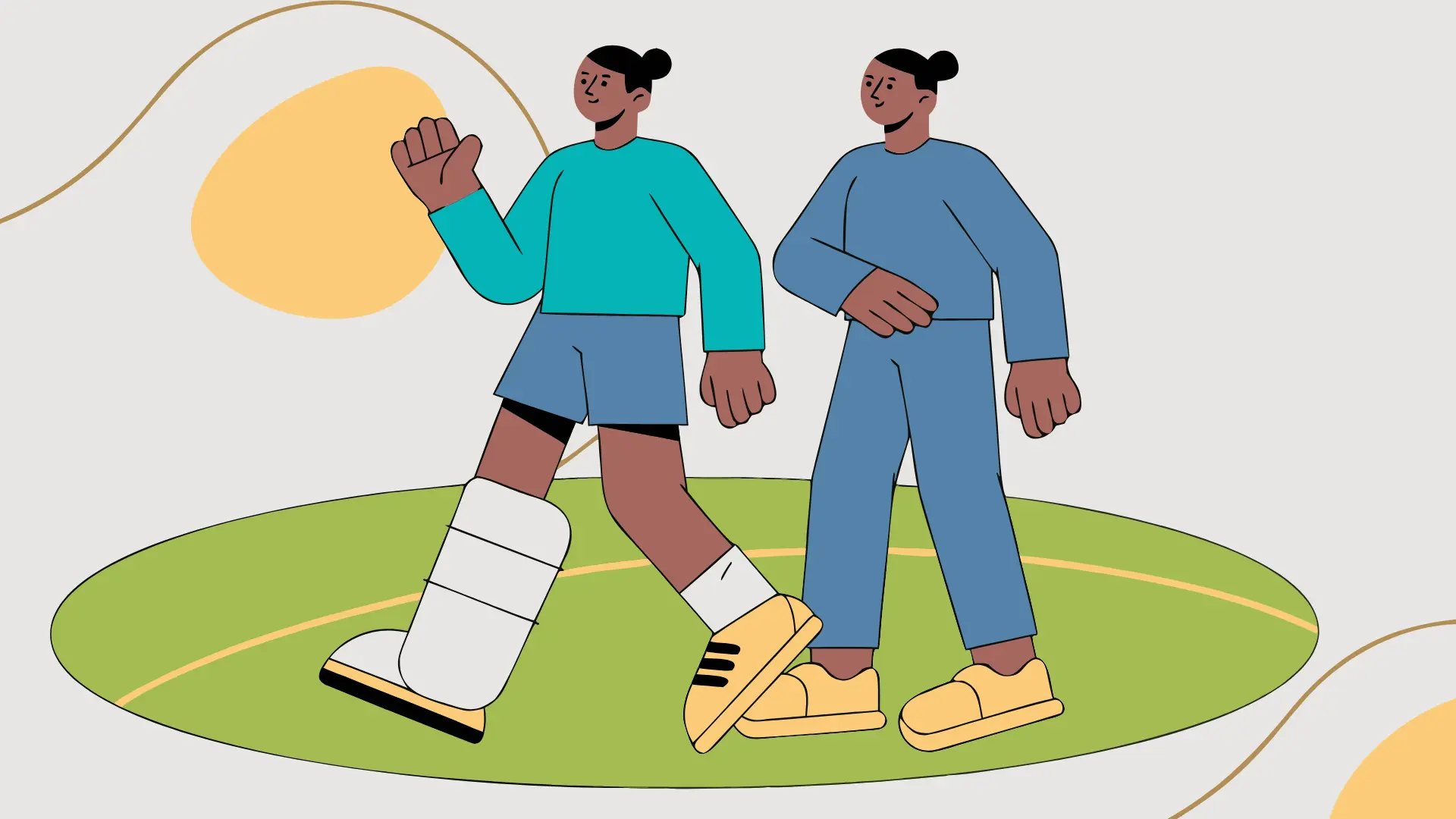
Once you’ve been injured, returning to sport means facing fear. What if you get hurt again? What if it’s worse next time? This fear is rational, but it can also prevent you from ever truly returning.
Start small. Do the exercises your physical therapist recommends, even when they feel scary. Build confidence through tiny wins. Each successful workout proves to your mind that recovery is possible.
3. Staying Connected While Sidelined
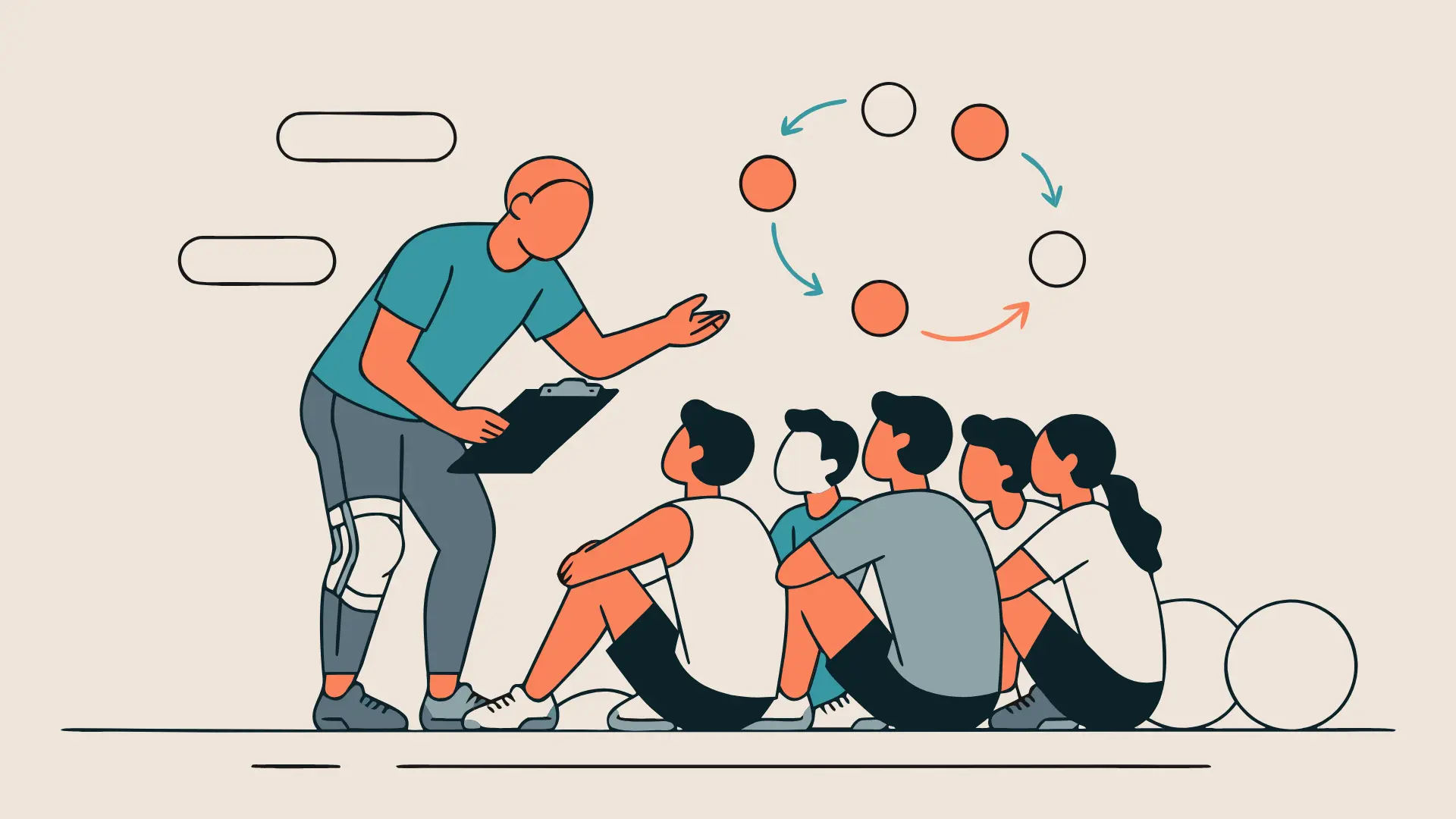
Being away from your team can feel isolating. Stay involved in a different way. Attend practices as a supporter. Help coach younger athletes. Share your recovery process with teammates.
This keeps you part of the team community while you heal. You’re not separate from your sport; you’re in a different phase of your recovery.
4. Setting Milestones and Celebrating Progress
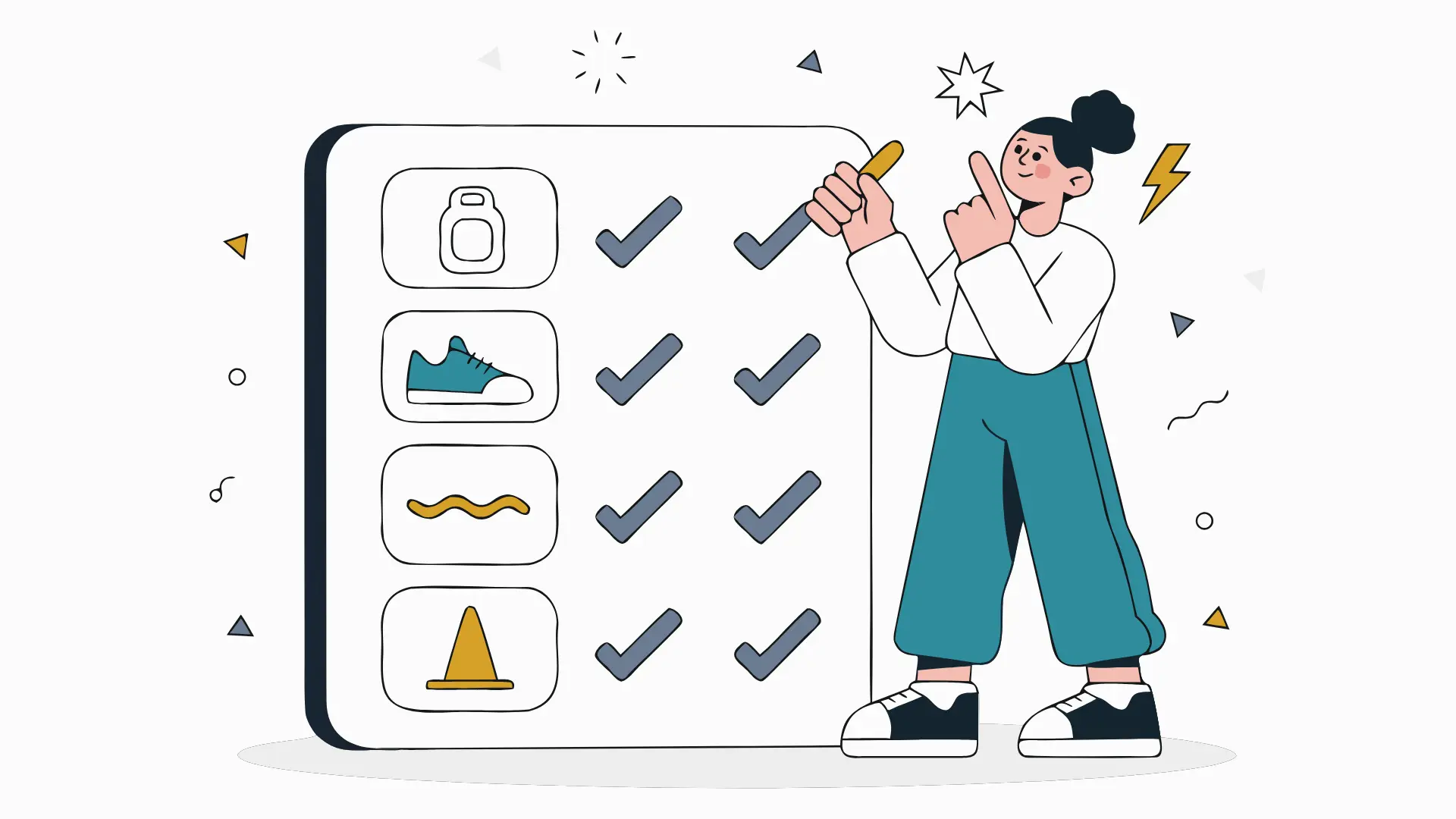
Instead of fixating on “when can I return to competition,” focus on small milestones. First week of pain-free movement. First week of physical therapy completion. The first time you can run for 5 minutes without pain.
Each milestone is a real achievement. Celebrate them. Tell your friends. Write them down. These wins build momentum and maintain your motivation through a long recovery.
How Physical Rehabilitation Rebuilds Strength After a Sports Injury
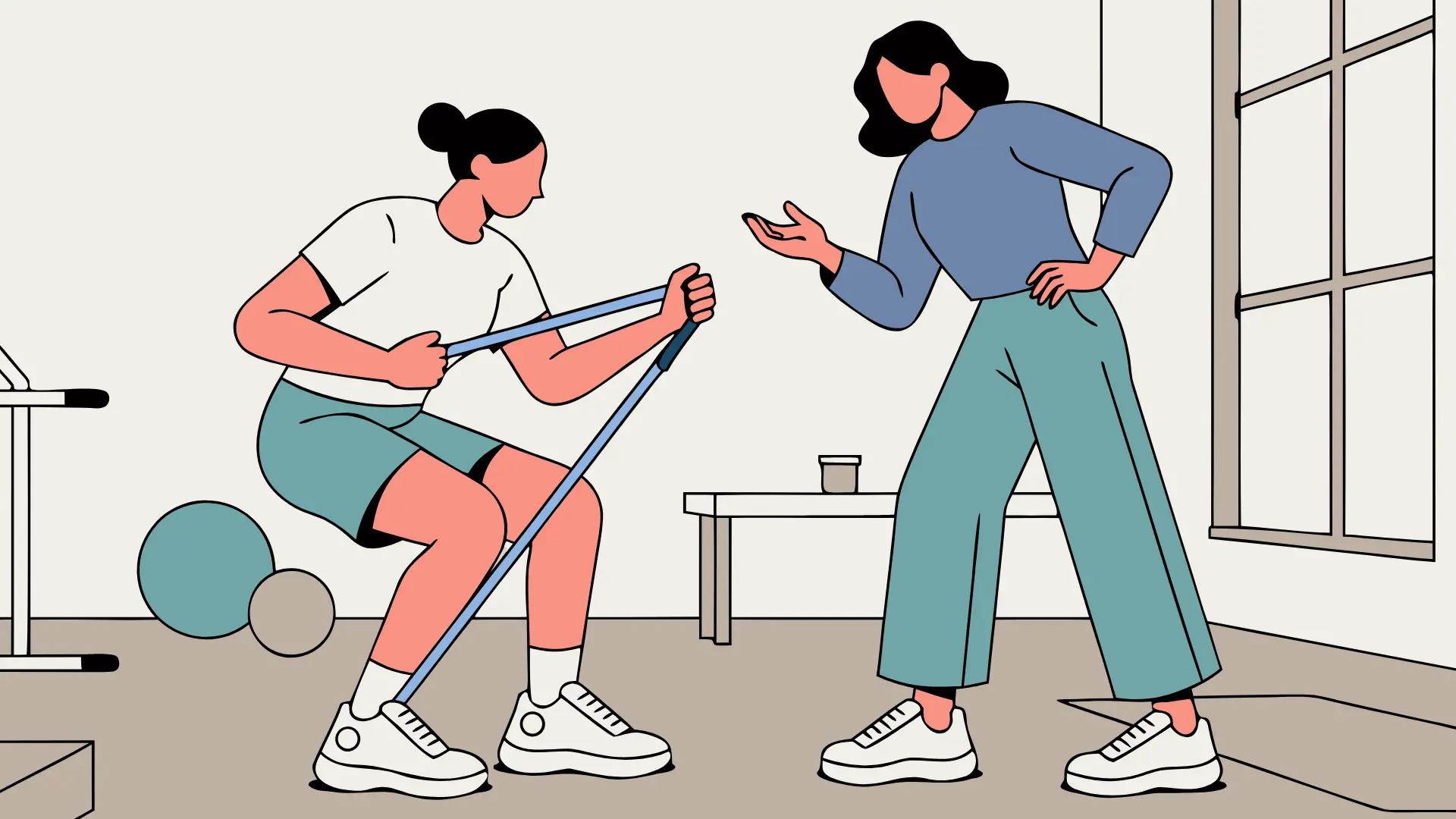
After the initial acute phase (usually 1-2 weeks), rehabilitation begins. This is where you actively rebuild what the injury took away: strength, flexibility, balance, and confidence.
| Rehabilitation Element | Core Concept | Key Details & Importance |
| Initial Rehabilitation Phase | Rebuilding the basics | Begins after the 1-2 week acute phase. This stage focuses on actively regaining the strength, flexibility, balance, and confidence lost to the injury. |
| Working With a Physical Therapist | Guided and safe recovery | A physical therapist designs a recovery plan specific to your injury. They safely advance exercises, modify movements to work around pain, and track your results to prevent early overexertion. This approach leads to fewer reinjuries. |
| Graduated Return-to-Sport Protocol | Phased return to action | Follows a step-by-step process: pain-free movement, basic strength exercises, sport-specific movements, practice participation, and finally competition. Skipping injuries can cause reinjury, so patience is crucial. |
| Cross-Training to Maintain Fitness | Preventing deconditioning | Uses alternative activities such as swimming, cycling, or upper-body work to maintain cardio and strength while the injured area heals. This keeps overall fitness high and makes returning to your sport much easier. |
How Nutrition and Sleep Support Sports Injury Recovery
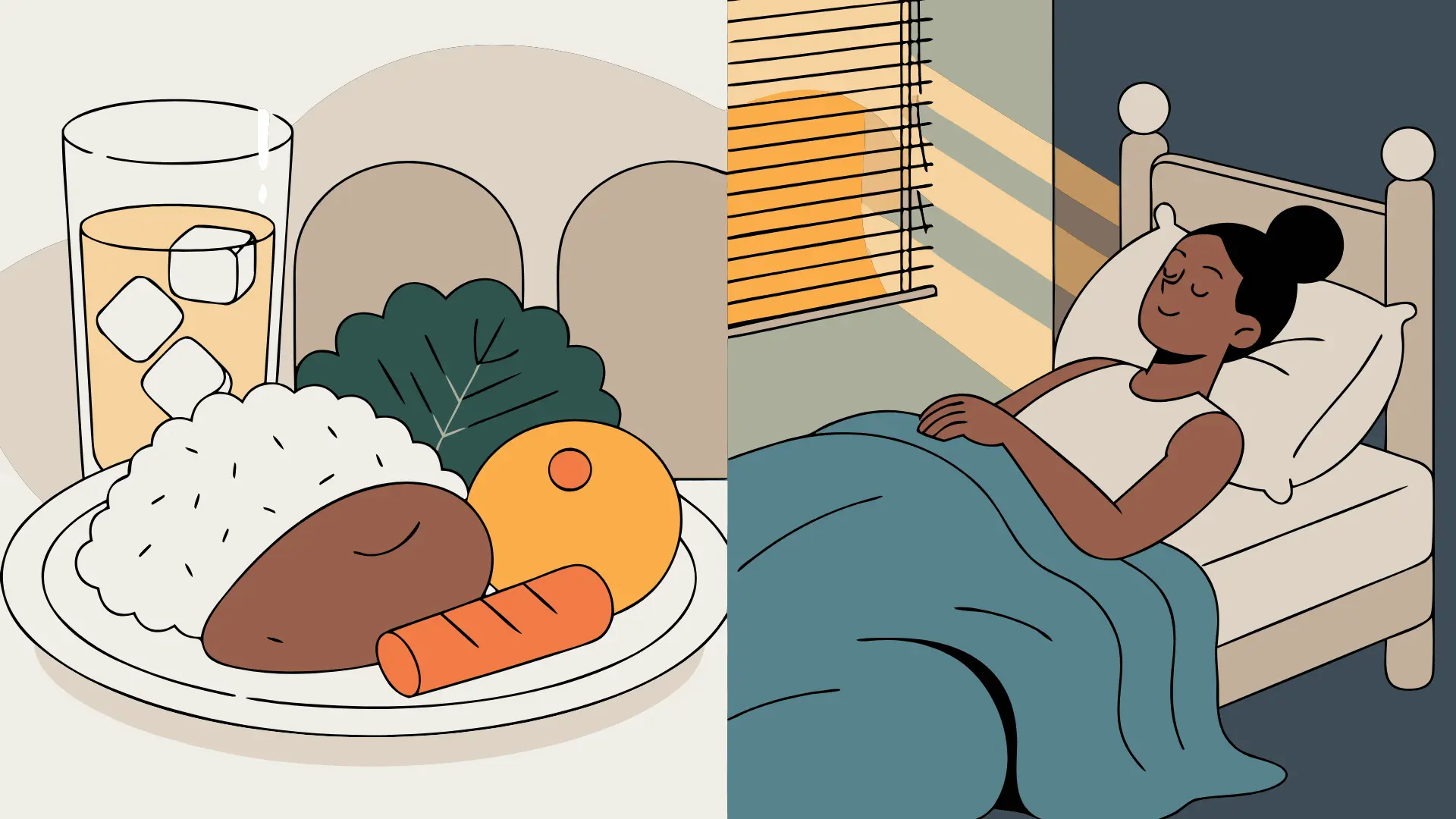
Learning how to handle sports injuries includes supporting tissue repair through balanced nutrition and consistent sleep.
While everyone talks about physical therapy, almost no one talks about what happens outside the therapy room. What you eat and how you sleep are just as important as your exercises for actual tissue healing.
1. Eating to Support Tissue Repair
Injury recovery demands extra resources from your body. Protein helps rebuild damaged muscle and connective tissue. Omega-3 fatty acids fight inflammation naturally.
Vitamin C supports collagen synthesis, the main component of ligaments and tendons. Iron carries oxygen to healing tissues.
Instead of eating less because you’re less active, eat differently to support recovery. Focus on nutrient-dense whole foods.
2. Anti-Inflammatory Eating Strategies
While acute inflammation is part of healing, chronic inflammation slows recovery. Foods like fatty fish, berries, leafy greens, and nuts reduce chronic inflammation.
Alcohol, sugar, and ultra-processed foods increase it. Simple swaps can make a real difference in how quickly you heal.
3. Sleep as Active Recovery
This is where the real magic happens. Deep sleep is when your body releases growth hormone and rebuilds tissues. Aim for 8-9 hours nightly. Sleep deprivation slows healing and increases pain perception.
If you’re not sleeping well, work with your doctor; poor sleep might indicate depression or anxiety related to injury, which is treatable.
4. Foods That Support Injury Recovery
| Nutrient | Why It Matters | Food Sources |
| Protein | Rebuilds muscle, tendons, and ligaments | Salmon, chicken, Greek yogurt, eggs |
| Omega-3s | Reduces inflammation | Sardines, walnuts, flaxseed, chia |
| Vitamin C | Strengthens collagen | Oranges, peppers, broccoli, kiwi |
| Iron | Carries oxygen to healing tissues | Lean beef, lentils, spinach, beans |
Your Return-to-Sport Timeline After a Sports Injury
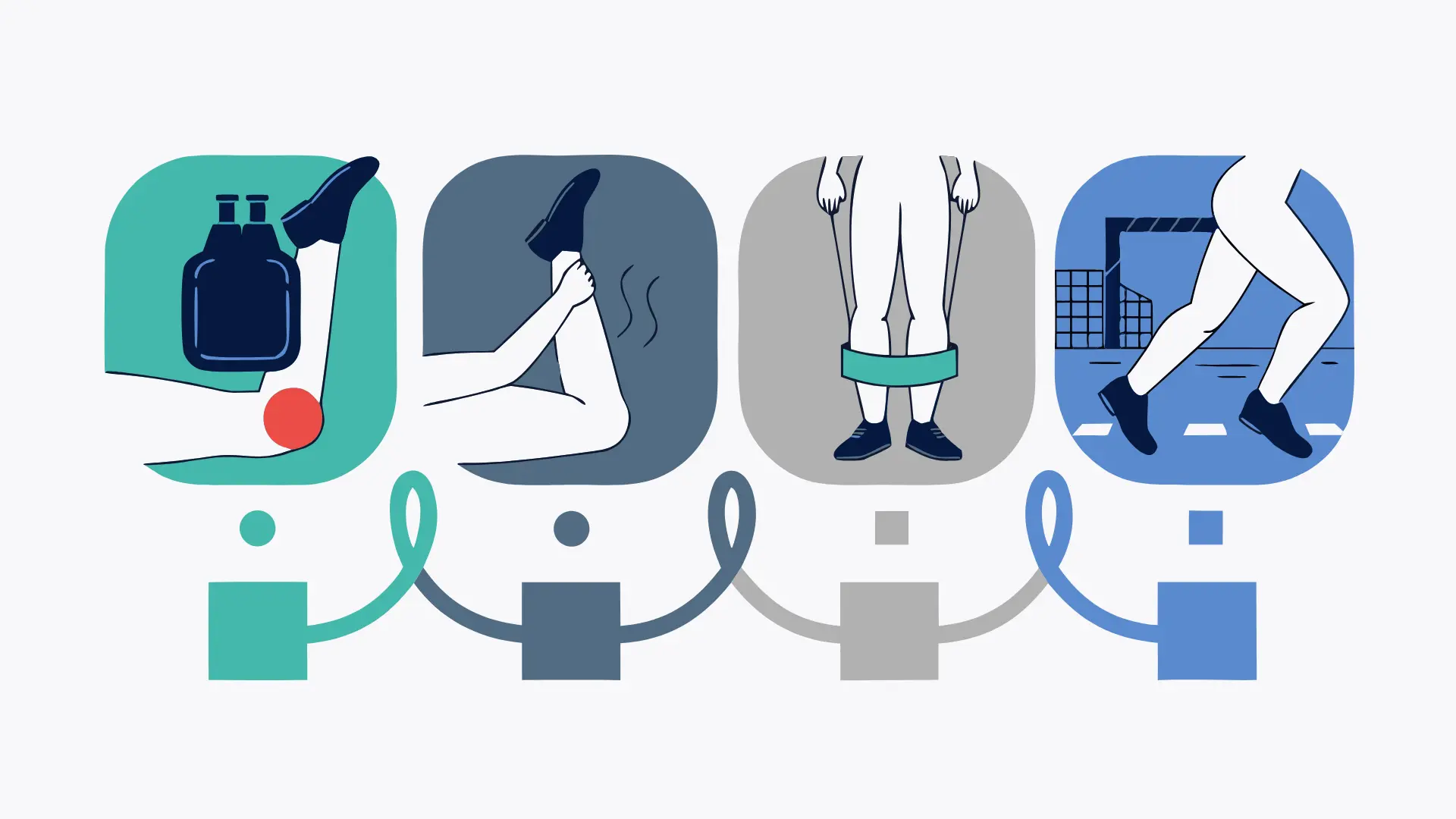
Recovery isn’t a straight line. You’ll have good weeks and frustrating setbacks. Understanding typical timelines helps you know what’s normal.
1. Week 1-2 (Acute Phase): Swelling, pain, immobilization. Focus on RICE and follow medical advice. Minimal activity. This is the foundation phase.
2. Weeks 3- 6 (Early Rehabilitation): Swelling decreases. Pain with gentle movement begins. Physical therapy starts. You might feel frustration here; you’re tired of being limited but not yet ready for full activity.
3. Weeks 7-12 (Strengthening Phase): Pain continues to decrease. Strength exercises increase in difficulty. Sport-specific movements begin. You’re starting to feel like an athlete again.
4. Week 13+ (Return to Play Phase): Graduated return to practice and competition under careful monitoring. This phase can take weeks or months, depending on the severity of the injury and the demands of your sport.
Final Thoughts
Learninghow to handle sports injuries involves healing your body, protecting your mental health, and following a gradual recovery plan.
The frustration you feel is real, but so is your ability to come back.
By addressing the physical side through proper treatment and rehabilitation, the emotional side through mental resilience strategies, and the nutritional side through smart eating and sleep, you give yourself the best chance at a complete recovery.
Remember, athletes who approach injury recovery strategically don’t just return to play; they often come back stronger and smarter. Your injury is temporary. Your comeback is not.
Frequently Asked Questions
How do I Handle Pressure from a Coach to Return Before I’m Ready?
Ask your physical therapist to speak directly with your coach. Returning early to pre-injury often causes reinjury, which sidelines you longer than waiting for proper clearance would.
Does Watching My Sport on TV or Social Media Make Emotional Recovery Harder?
For many athletes, yes, it can trigger frustration or sadness. Consider limiting exposure temporarily if it hurts your mood. Alternatively, use it as motivation by studying a technique you’ll apply once you return to competition.
How can I Support an Injured Teammate While I’m Still Playing?
Include them in team activities beyond the field, such as group chats, meals, and film sessions. Ask about their recovery without pressuring for updates. Small gestures like sitting with them at games help them feel like part of the team.
Why do I Feel Less Motivated the Longer My Recovery Takes?
Motivation naturally dips during long recoveries due to slow, visible Progress and loss of routine. This is common, not a sign of weakness. Setting weekly micro-goals and tracking small wins helps rebuild momentum over time.