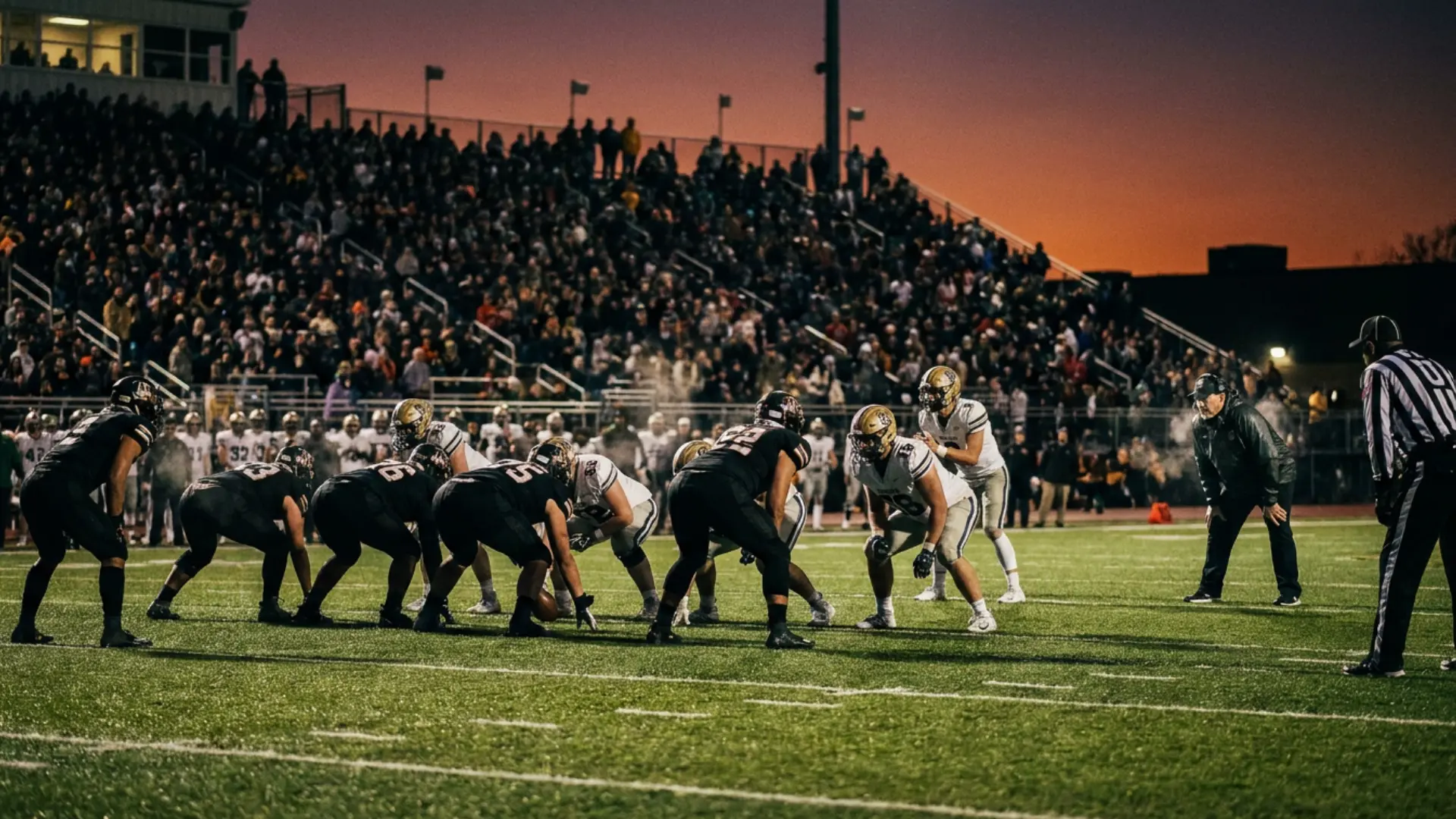



Fantasy football is one of the most popular ways to enjoy the NFL with friends, family, coworkers, and fellow fans throughout the season.
If you are joining your first league, this fantasy football draft guide will help you understand the basics in a simple and easy-to-follow way.
I’ve been drafting fantasy teams since I was a teenager, and I spent a couple of years building player models for a sports data startup before I started writing about the game full time.
Every tip in this guide is something I have either used myself on draft day or watched work (or fail) in a live league.
I will teach you how fantasy football works, how different draft formats operate, which player positions deserve your early picks, and how scoring settings can shape your strategy.
Even if you have never played before, you can build a balanced roster by following a clear plan and avoiding common beginner mistakes.
By the end of this guide, you will feel ready to make smart draft decisions, understand your league’s rules, and begin your fantasy football season with confidence from your very first pick.
Quick Answer for Drafting a Good Fantasy Football Team
To draft a strong fantasy football team, learn your league’s scoring first, focus on running backs and wide receivers early, wait on quarterbacks and tight ends unless valuable, and save kickers and defenses for last.
- Confirm your league type and scoring settings before you touch a single ranking.
- Build a cheat sheet and know your ADP so you are not caught off guard.
- Draft running backs and receivers early, quarterbacks and tight ends later.
- Avoid the common mistakes covered further down, especially drafting on name recognition alone.
What is Fantasy Football?
Fantasy football is a season-long game where participants create virtual teams using real NFL players.
Every week, your selected players earn fantasy points based on their actual NFL performances.
The manager whose roster scores the most points wins the weekly matchup, while season standings determine who reaches the playoffs.
Although the rules may seem confusing at first, the basic concept is surprisingly simple.
Once you understand how points are earned and how lineups work, the game becomes much easier to enjoy.
Learning these fundamentals first creates a strong foundation before moving into draft strategies, player rankings, and roster management.
How Fantasy Football Works
Fantasy football follows the real NFL season, but managers compete with virtual teams rather than actual franchises.
Each week, your starting lineup earns points through touchdowns, passing yards, rushing yards, receptions, field goals, and other statistical categories.
The team with the highest weekly score wins that matchup and improves its position in the league standings.
League Structure
Most fantasy football leagues include ten or twelve managers competing over the regular season before entering a playoff tournament.
Every league has a commissioner who creates league settings, schedules the draft, manages scoring rules, and keeps the competition organized.
Friends, coworkers, classmates, and family members often create private leagues for added competition.
I’ve overseen my home league as commissioner for three seasons. Leagues that remain fun year after year are usually the ones where the commissioner establishes clear scoring rules before the draft, not during a mid-season argument.
Fantasy Football Positions
Every fantasy roster includes several player positions, each contributing points differently.
Running backs and wide receivers often provide consistent weekly production, while quarterbacks score heavily through passing yards and touchdowns.
Tight ends, kickers, and team defenses also play important roles, making roster balance essential throughout the draft.
One term you will often hear once your draft gets going is “handcuff.” That means drafting the backup running back to one of your starters, usually in the last few rounds, so you are protected if your starter gets hurt.
It is a small move that has saved more than one of my fantasy seasons.
Why Fantasy Football is so Popular
Fantasy football keeps every NFL game exciting because your roster usually includes players from multiple teams. Instead of watching only your favorite franchise, you follow games across the entire league.
This is not a niche hobby. The Fantasy Sports & Gaming Association reports that fantasy sports participation among U.S. adults has grown from 13% in 2014 to 19% in 2023, and the vast majority of that growth is driven by football.
This added excitement, combined with friendly competition and strategic decision-making, has made fantasy football one of America’s most popular fantasy sports.
Now that you understand the basic rules, the next step is learning how league settings influence player values and your overall fantasy football draft strategy.
Understand League Types and Scoring
Every fantasy football league has different settings, and these rules directly influence player values before the draft begins.
Understanding your league’s scoring system helps you use the right rankings and build a stronger roster. A player who performs well in one scoring format may become less valuable in another.
Before studying rankings or creating a draft strategy, review your league settings carefully.
Knowing your draft format, scoring system, roster size, and starting lineup requirements allows you to prepare more effectively and avoid common beginner mistakes that happen before the first player is even selected.
1. Snake Draft
A snake draft is the most common draft format because it fairly balances the selection order.
Managers draft one player each turn, and the order reverses after every round. If you select first during the opening round, you will pick last during the second.
This alternating order gives every manager equal opportunities throughout the draft.
2. Auction Draft
An auction draft allows every manager to bid on any player within a fixed budget, rather than following a draft order. Since everyone has access to every player, success depends on spending wisely rather than on draft position.
While this format offers flexibility, it usually requires more planning than a traditional snake draft.
In my first auction draft, I blew almost half my budget on two running backs in the opening ten minutes and spent the rest of the night scrambling for value picks.
A better approach is to set a rough budget cap for each position before you start bidding, so one exciting name does not wreck your whole roster.
3. PPR Scoring
PPR scoring, short for Points Per Reception, awards one fantasy point every time a player catches a pass.
This scoring system increases the value of dependable wide receivers, receiving running backs, and pass-catching tight ends.
Before using fantasy football rankings or a fantasy football cheat sheet, always confirm whether your league uses PPR scoring because player values change significantly.
4. Standard Scoring
Standard scoring does not reward receptions, so touchdowns and total yardage become much more important.
Running backs with goal-line opportunities and wide receivers capable of producing long gains often become stronger draft targets.
Using rankings created specifically for standard scoring helps you avoid selecting players whose value depends mainly on receptions.
Prepare Before Draft Day

Preparation separates successful fantasy managers from those who rely entirely on luck.
Spending a few hours before your draft studying rankings, reviewing player values, and practicing different draft scenarios improves your confidence and decision-making.
Good preparation also reduces panic when another manager selects your preferred player. Instead of making rushed decisions, you can quickly adjust your strategy and continue building a balanced roster.
Using the right preparation tools before draft day helps beginners avoid mistakes and improve their chances of selecting valuable players in every round.
1. Use Fantasy Football Rankings
Fantasy football rankings organize players according to projected performance throughout the season.
They help you compare players across different positions and identify the strongest available options during every round. Always choose rankings that match your league’s scoring settings for the most accurate player values.
Most experienced managers, myself included, work off tiers rather than a strict 1-to-200 list.
A tier groups players of similar value together, so you can see at a glance when a whole group of comparable players is about to run out, instead of fixating on the exact order of two names that are close in value anyway.
2. Build a Fantasy Football Cheat Sheet
A fantasy football cheat sheet keeps your favorite players organized before the draft begins.
Highlight priority targets, group players by position, and cross names off as they are selected.
Having one organized list helps you make quicker decisions without constantly switching between different websites or rankings.
3. Learn ADP
ADP, or Average Draft Position, estimates where fantasy managers usually select each player. It does not predict performance, but it helps you understand when players are likely to be off the board.
Using ADP prevents unnecessary reaches while helping you maximize value throughout every round.
4. Practice With Mock Drafts
A mock draft simulates a real fantasy football draft without affecting your league.
Practicing several mock drafts teaches player values, improves decision-making under time limits, and shows how different draft positions affect your strategy.
Many experienced managers complete multiple mock drafts before every fantasy football season.
Most major platforms, including ESPN, Yahoo, Sleeper, and NFL.com, offer free mock draft tools, so there is no reason to walk into your real draft without a few practice runs first.
Fantasy Football Draft Strategy for Beginners
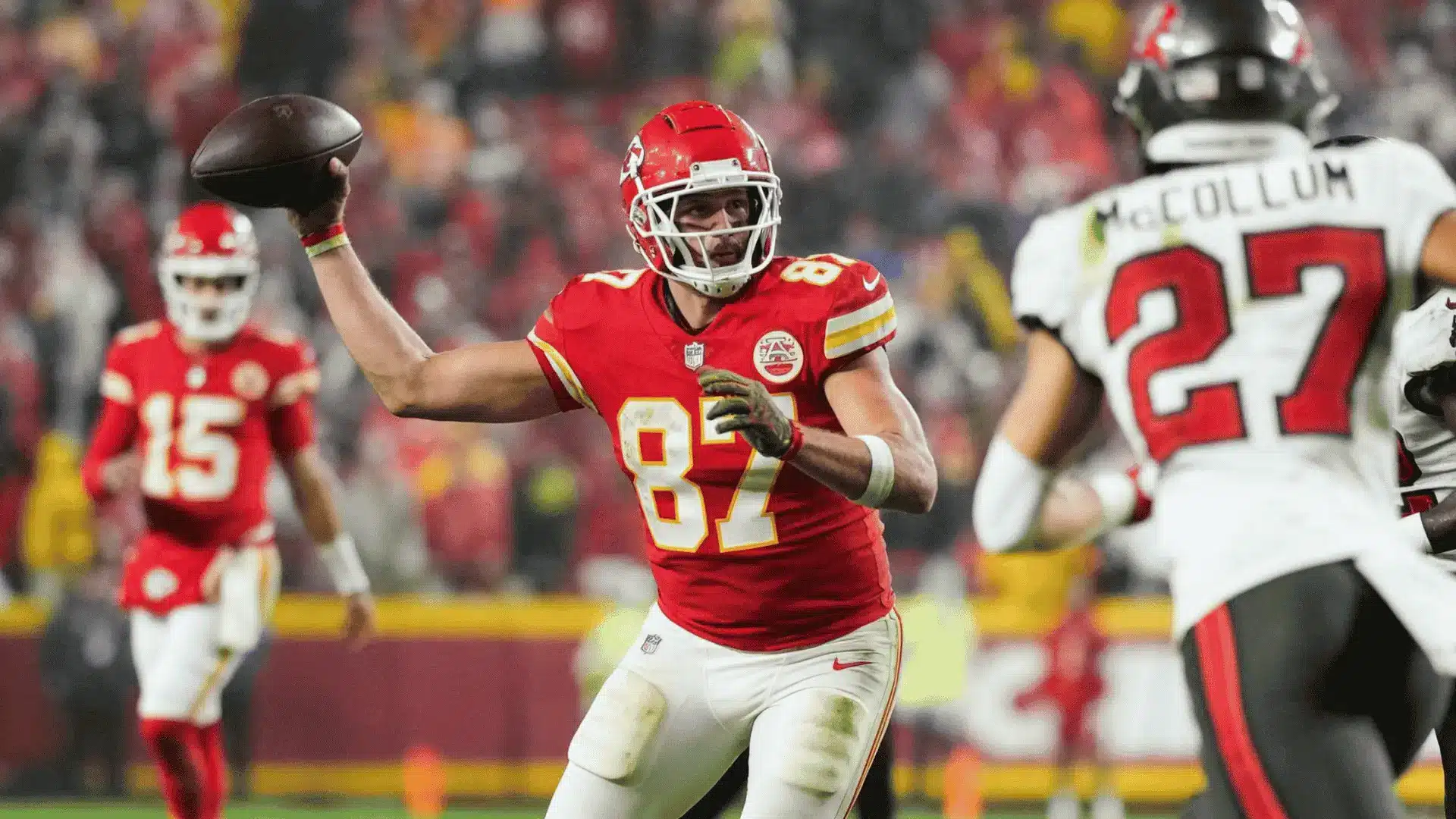
A successful draft is about more than selecting famous players. Building a balanced roster requires patience, flexibility, and understanding positional value.
Many beginners make the mistake of drafting emotionally or following outdated rankings instead of reacting to the draft board.
A smart strategy focuses on value instead of simply filling positions. Every selection should strengthen your roster as you prepare for later rounds.
Staying calm when your preferred player is drafted by someone else also helps you avoid costly mistakes. Following a simple strategy gives beginners a much better chance of building a competitive fantasy football team.
The data backs up the early emphasis on running backs and receivers.
Over the past five seasons, 88% of the top 50 wide receivers in fantasy points per game were drafted in the first three rounds of the NFL draft, and draft pedigree has shown a similar pattern at running back. (ESPN)
In plain terms, the players who get picked early by NFL teams are, on average, the ones who deliver fantasy production early in their careers too.
- Draft Running Backs Early:
Running backs get many touches each game, so dependable options are valuable. Drafting one or two early helps build a strong foundation for the roster. - Prioritize Quality Wide Receivers:
Wide receivers offer steady weekly scoring, especially in PPR leagues. A strong mix of running backs and receivers creates better balance in the lineup. - Wait Before Drafting a Quarterback:
Good quarterbacks are often available in later rounds. Build depth at running back and wide receiver before choosing your quarterback. - Draft Tight Ends Wisely:
Elite tight ends can give you an advantage, but only draft one early if the value is right. Otherwise, wait for the middle rounds. - Draft Your Bench Carefully:
Bench players help during injuries and bye weeks. Choose high-upside players who could earn bigger roles later in the season. - Draft Kickers and Defenses Last:
Kickers and defenses change often during the season. Save these picks for the final rounds instead of losing roster depth. - Stay Flexible During the Draft:
No draft goes exactly as planned. Trust your rankings, avoid panic picks, and choose the best available player each round.
Common Fantasy Football Draft Mistakes to Avoid
Every fantasy manager makes mistakes, especially during a first draft. Fortunately, many of these errors are easy to avoid with proper preparation and patience.
Drafting emotionally, ignoring league settings, or chasing last year’s statistics often leads to disappointing results.
Instead of focusing only on star players, think about roster balance and long-term value. Smart managers remain patient, trust their preparation, and adjust their strategy as the draft develops.
Avoiding these common mistakes gives beginners a better opportunity to compete throughout the fantasy football season.
1. Drafting Favorite Players Too Early
Supporting your favorite NFL team is exciting, but fantasy football rewards production rather than loyalty.
Selecting favorite players several rounds early often reduces roster value. Always compare players using rankings instead of personal preference.
2. Ignoring Bye Weeks Completely
Bye weeks should not control your early picks, but ignoring them completely can create lineup problems later.
Avoid drafting too many starters who share the same bye week because replacing several key players at once becomes difficult.
3. Chasing Last Season’s Statistics
A player who performed well last year may not repeat the same success.
Coaching changes, injuries, new teammates, and changing roles all affect production. Focus on current opportunity instead of previous statistics alone.
4. Reaching Too Far Above ADP
Selecting a player slightly earlier than Average Draft Position (ADP) is acceptable when you strongly believe in their value.
However, drafting someone several rounds early often means passing on stronger players who provide better overall roster value.
5. Ignoring Positional Depth
Some positions have greater depth than others.
Reaching for a quarterback too early may cause you to miss talented running backs and wide receivers who become much harder to replace later in the draft.
What to do After Your Draft
After the draft, your job is not finished because weekly moves, smart lineup checks, and patience keep your fantasy team competitive all season.
- Set your lineup every week: Check your starters before games begin. Injuries, weather, bye weeks, and late changes can affect player performance.
- Watch the waiver wire: Look for free agents who are performing well. Adding breakout players can improve your team during the season.
- Make smart trades: Trade to fix weak positions, not just to collect popular names. A good trade should improve roster balance.
- Monitor injuries: NFL injuries occur often, so stay up to date and replace injured players quickly when needed.
- Stay patient: Do not drop talented players after one bad week. Fantasy football rewards smart long-term decisions.
- Stay active all season: The draft matters, but weekly roster management often decides who reaches the fantasy playoffs.
At the End
Your first fantasy season does not have to feel overwhelming.
By following this fantasy football draft guide, you can understand league rules, prepare with rankings and mock drafts, and make smarter decisions throughout every round.
Focus on building depth at running back and wide receiver, wait for value at quarterback, and avoid reaching for kickers or defenses too early.
Most importantly, stay flexible when your draft does not go exactly as planned. Successful fantasy managers keep learning, adjust their strategy, and manage their rosters every week after the draft.
With preparation, patience, and consistent lineup decisions, you can enjoy the season while giving your team a real chance to compete.
Start preparing today, trust your plan, and make every draft pick count.
Frequently Asked Questions
How Long does a Fantasy Football Draft Usually Take?
Most fantasy football drafts last between one and three hours, depending on league size, draft format, and the time allowed for each pick.
Can I Play Fantasy Football Without Watching Every NFL Game?
Yes. Following player news, injury updates, and weekly rankings is enough to manage a competitive fantasy football team.
Is It Better to Join a Public or Private Fantasy Football League?
Private leagues are usually better for beginners because friends or family can explain the rules and make the experience more enjoyable.
Which league format is Best for Beginners?
A snake draft is best for beginners because it is simple, fair, and easy to follow.