



At first glance, the go route looks like one of the simplest routes in football. A receiver takes off downfield, the quarterback launches the ball, and everyone watches to see who wins the race.
Watching enough All-22 film makes it look that simple. The go route rarely shows up as the intended target on most calls. A lot of the time, its real job is to move a safety and open grass for someone else.
But I have always liked this route because it shows how much detail can lie within a single straight path. Speed matters, but so do the release, timing, spacing, ball tracking, and trust between the receiver and quarterback.
A well-run go route can stretch the defense, pull safeties deeper, and make room for other routes underneath.
In this article, I will break down the route-tree number, how the route works, how to run it properly, when offenses use it, and the mistakes players should avoid.
What is a Go Route in Football?
A go route in football is a deep passing route where a receiver runs straight downfield to stretch the defense and attack open space behind the cornerback.
It is often called a 9 route in the route tree, which helps coaches and players identify routes quickly by number.
The receiver usually runs near the sideline or outside numbers, trying to win with speed, release technique, and ball tracking. The quarterback throws the ball ahead of the receiver, often before he is fully open.
The route can create a long completion, draw a safety deeper, or clear space for short and intermediate routes underneath. That is why offenses use it even when the receiver is not the primary read.
Why is It Called a Go Route?
It is called a go route because the instruction is simple: release off the line and go deep. The receiver runs vertically instead of breaking inside, curling back, or stopping.
Teams may use different names for the same idea, such as fly, streak, or 9 route. The 9 route name comes from the route tree, which helps coaches, quarterbacks, and receivers communicate routes quickly.
Go Route, Fly Route, Streak Route, and 9 Route
These route names often refer to the same deep vertical concept, but each term can carry a slightly different coaching meaning.
The exact wording depends on the playbook, level of football, and how a coach teaches the route.
| Route Name | Basic Meaning | Main Difference |
|---|---|---|
| Go Route | Straight deep route | Most common coaching term |
| Fly Route | Deep vertical route | Often used the same way as go |
| Streak Route | Full-speed vertical route | Emphasizes speed downfield |
| 9 Route | Route-tree number | Playbook or route-tree term |
In many offenses, go, fly, streak, and 9 route point to the same basic route. The difference usually comes from coaching language, not the actual path. That is why players should learn their team’s terms first.
Where the Go Route Fits in the Route Tree
The route tree is a simple system that gives passing routes numbers, so coaches, quarterbacks, and receivers can communicate faster. In many route trees, the go route is the 9 route.
That means the receiver runs straight downfield instead of breaking inside, outside, or back toward the quarterback. It sits at the top of the route tree because it attacks the deepest part of the field.
Short routes attack underneath coverage, intermediate routes challenge linebackers and safeties, and the go route forces defensive backs to protect vertical space.
Even when the ball does not go deep, the route can still push coverage backward and open room for other receivers.
How a Go Route Works in a Passing Play
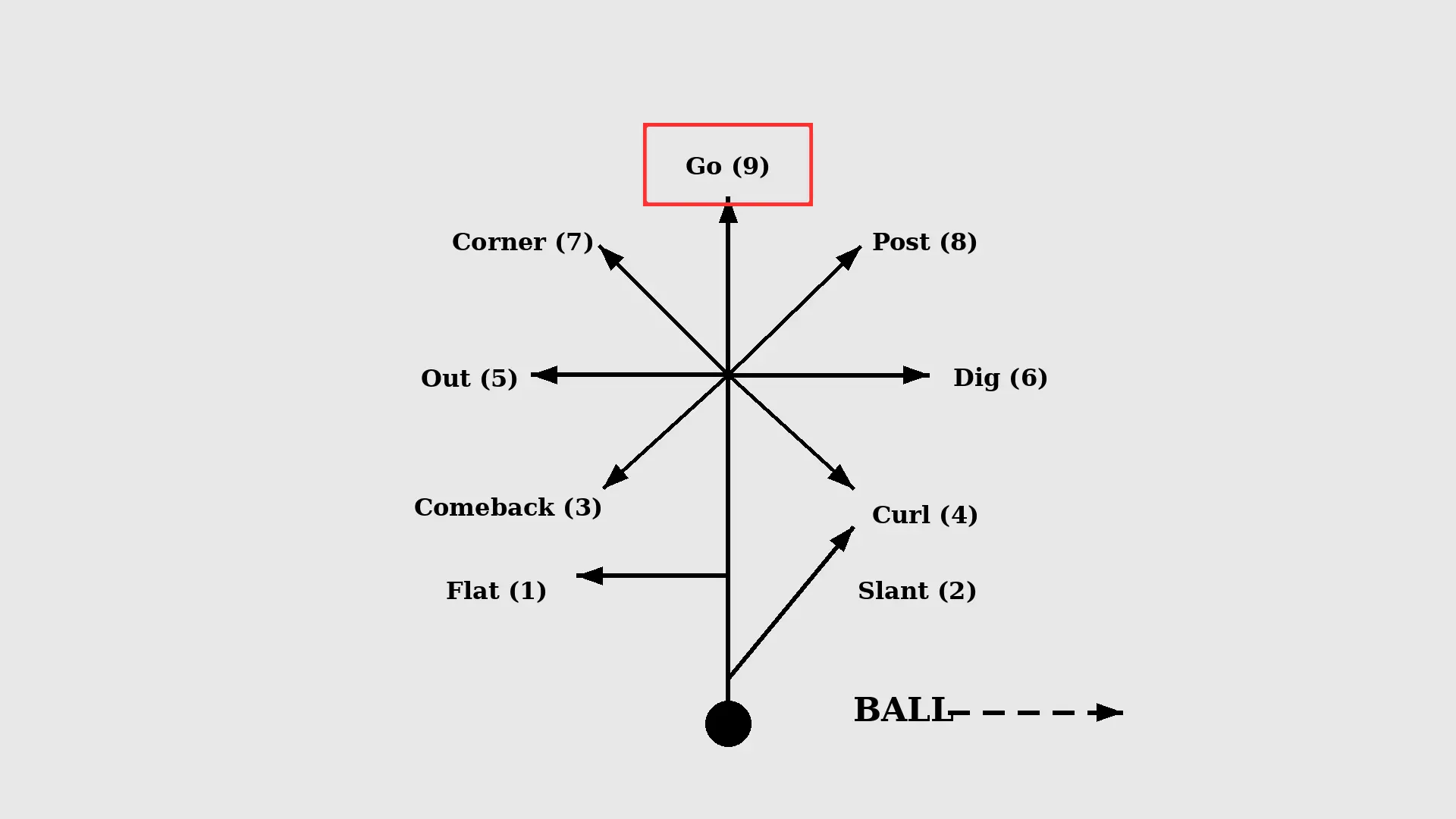
A go route works through timing, spacing, and trust. In the route tree, it is usually the 9 route, which means the receiver runs vertically instead of breaking inside, outside, or back to the quarterback.
The receiver has to win early, stay on a straight path, and give the quarterback enough space to place the ball away from the defender. The play usually develops in three clear steps.
1. The Receiver Releases Off the Line
The receiver first needs a clean release off the line of scrimmage. Against press coverage, that may mean using a foot fake, hand swipe, or outside release to avoid getting jammed.
Against off coverage, the receiver can build speed right away and threaten the defender vertically. A slow release can ruin the timing before the quarterback even finishes his drop.
2. The Receiver Stacks the Defender
After the release, the receiver tries to stack the defender. This means getting back on top of the defender’s path instead of staying beside him.
Once stacked, the defender has a harder time cutting off the throw. It also gives the quarterback a cleaner lane to place the ball over the outside shoulder or out in front of the receiver.
3. The Quarterback Throws into Space
The quarterback usually throws the go route before the receiver looks fully open. Instead of aiming at the receiver’s current spot, he throws into open grass where the receiver can run under the ball.
This is why timing matters so much. If the ball is late, the defender can recover. If it is placed well, the receiver can catch it in stride. One thing that stands out when you chart deep completions is that plenty of them are not wide-open throws at all.
The receiver is only even with the defender, and “even” becomes separation the moment the ball is in the air and placed to his outside shoulder.
How Players and Coaches Should Handle a Go Route
A go route works best when the receiver, quarterback, and play caller all understand their role. It may look like a straight sprint, but the route depends on timing, spacing, leverage, and smart decision-making.
How to Run a Go Route as a Receiver
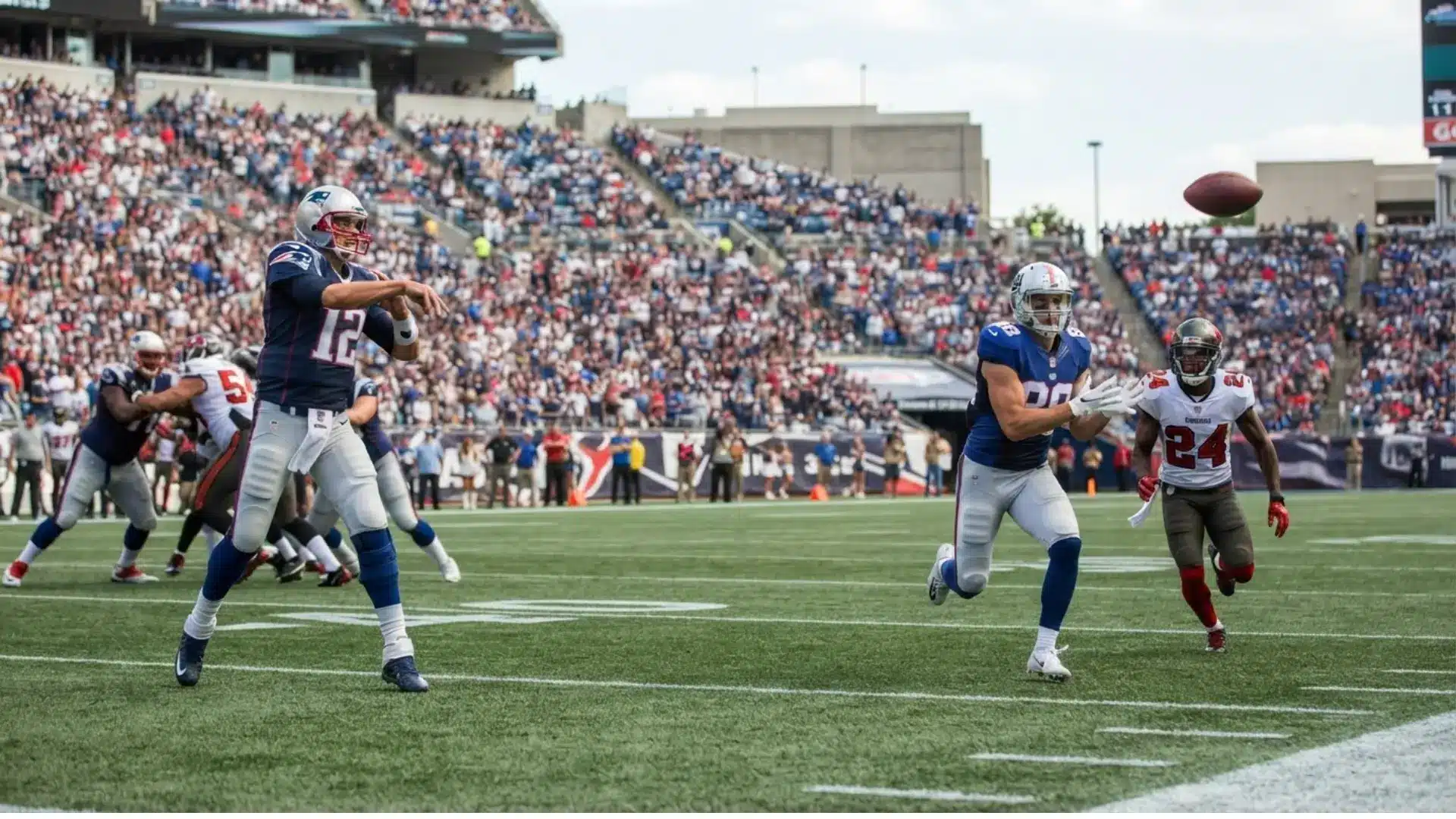
A good go route is not just running fast. It is running fast on the right line, staying vertical, and giving the quarterback enough space to place the ball away from the defender.
- Start with a fast, controlled release so the defender cannot disrupt the route early.
- Keep your stem vertical and avoid drifting too close to the sideline.
- Look for the ball late and track it without losing stride.
How Quarterbacks Throw the Go Route
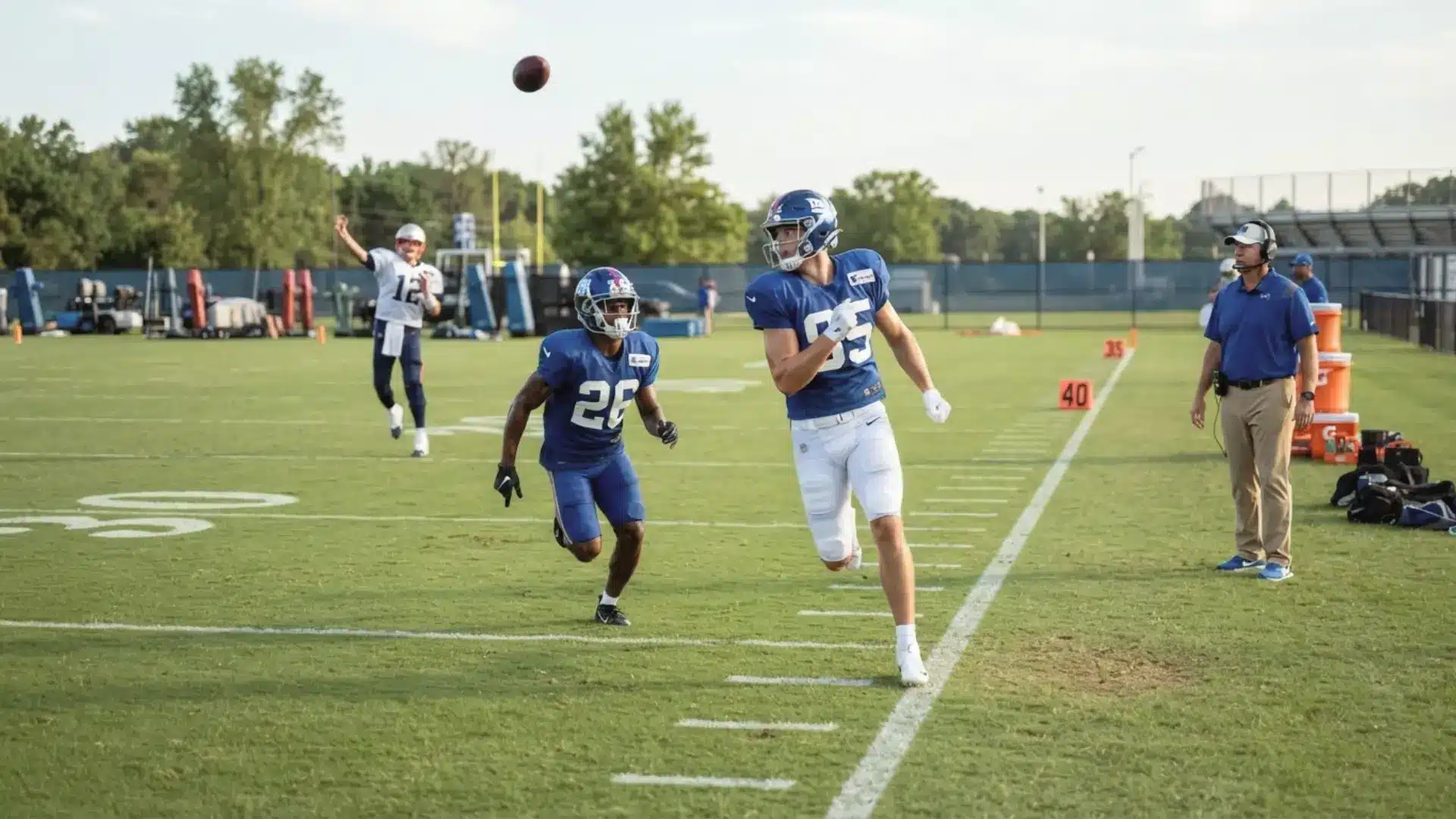
The quarterback’s job is to read the coverage, trust the timing, and throw the ball where the receiver can run under it. A perfect deep ball is not always needed; the safest throw is often away from the defender.
- Read the cornerback and safety before the snap.
- Confirm the receiver’s leverage after the snap and throw with anticipation.
- Lead the receiver into open grass using outside-shoulder or back-shoulder placement.
How the Play Caller Uses the Go Route
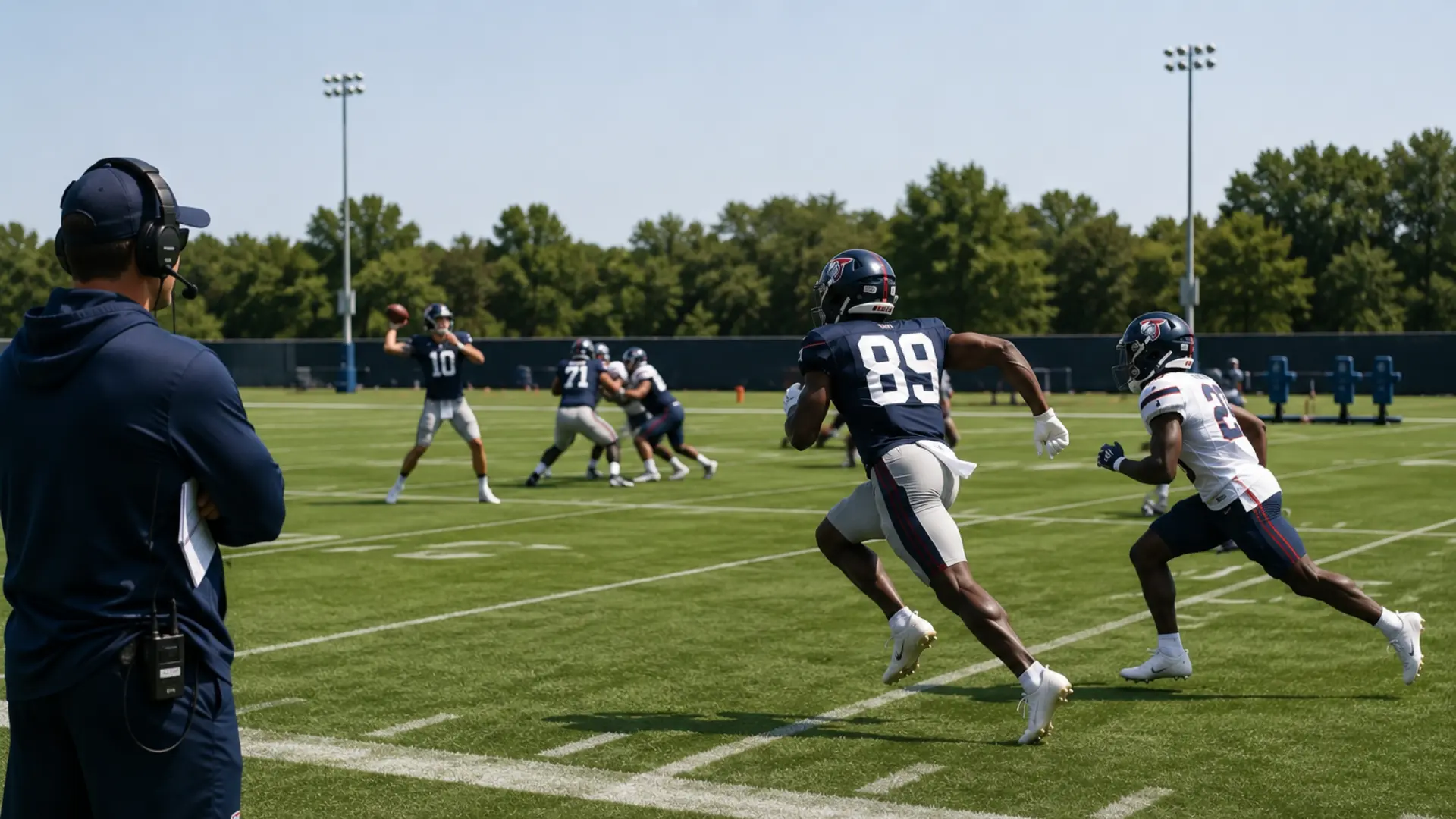
The play caller often gets more value from a go route than the box score shows. Even an incompletion can be a win if it drops a safety 15 yards deep and takes him out of the run fit or an underneath throwing window on the next snap.
- Pair it with a shorter route on the same side so the serious threat clears space underneath.
- Call it early to test how the safety reacts, then attack the space he vacates later.
- Use it against a defense that has been jumping short routes all game.
The Back-Shoulder Throw on a Go Route
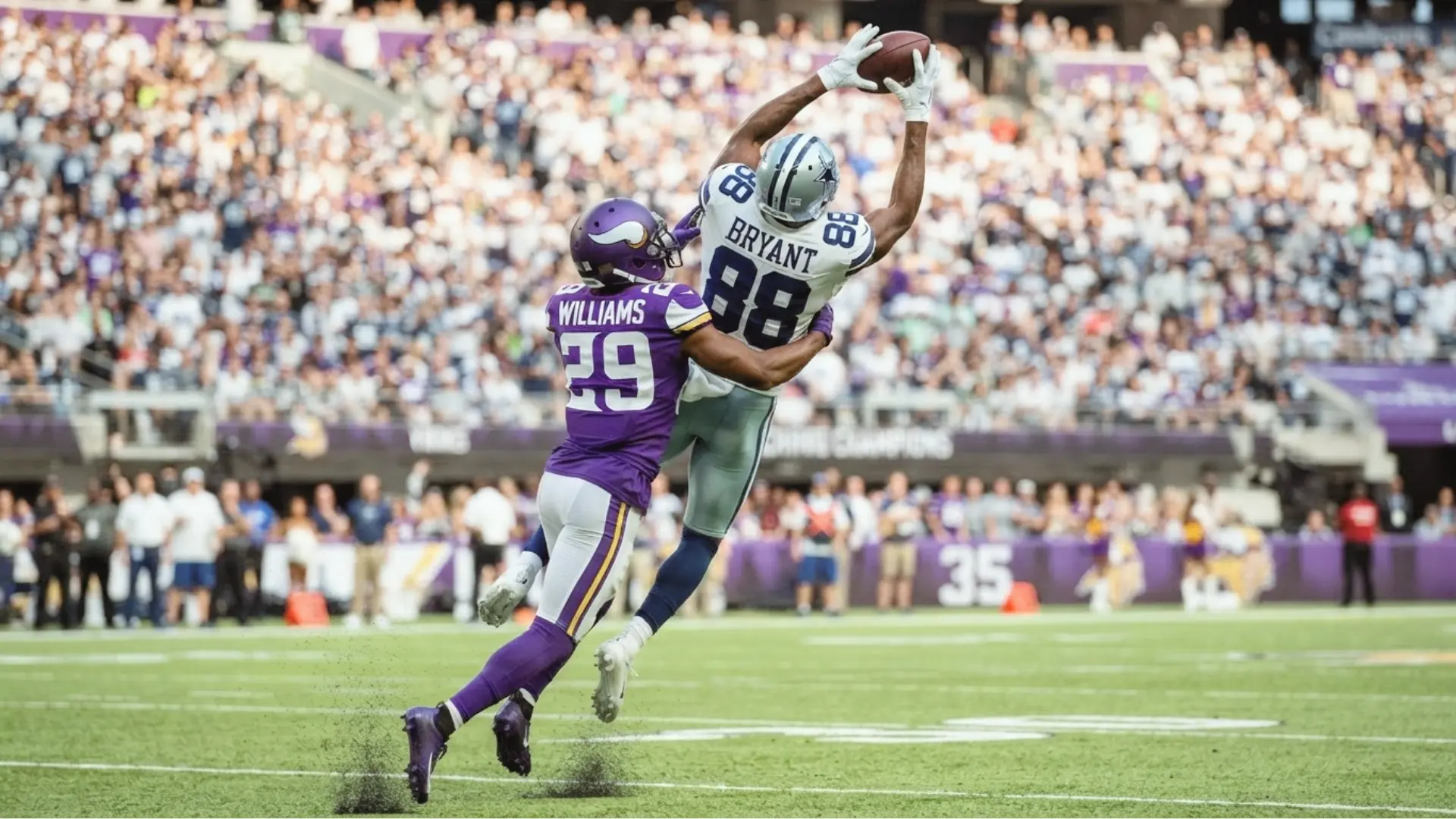
The back-shoulder throw is an advanced adjustment on a go route. It works when the cornerback runs tight with the receiver and takes away the deep ball.
Instead of leading the receiver forward, the quarterback places the throw slightly behind him, near the sideline, where only the receiver can turn and adjust.
The receiver must keep selling vertical speed, then turn his hips and hands late. The defender’s momentum often carries him downfield, making the ball harder to play.
This throw depends on timing, trust, and accurate placement. It is usually not a separate route. The go route is called, and the quarterback chooses over-the-top or back-shoulder placement by reading the cornerback’s leverage and body position after release.
What Coverage does a Go Route Beat?
A go route can beat coverage in different ways. The main factors are release, leverage, timing, and ball placement.
1. Against Man Coverage
Against man coverage, the receiver must win with release, speed, and ball tracking. If he gets even with the defender, the quarterback may treat him as open because even can become separation downfield.
The throw should lead the receiver into space instead of forcing him to slow down. A clean release is important because the defender has no zone help underneath.
2. Against Cover 3
Against Cover 3, the go route challenges the outside deep-third defender. The cornerback is responsible for deep space, so the receiver must threaten him vertically and avoid drifting too wide.
If another route holds the flat defender underneath, the quarterback may find a window near the sideline. Timing matters because that window can close quickly once the corner gains depth.
3. Against Cover 2
Against Cover 2, the go route can attack the space between the cornerback and safety. The receiver may need to stay near the sideline to keep the throwing lane open.
The quarterback has to place the ball before the safety gets over the top. This throw is harder than it looks because poor placement can bring both defenders into the play.
4. Against Press Coverage
Against press coverage, the release is the most important part of the route. If the defender jams the receiver at the line, the timing of the deep throw breaks down.
The receiver needs a clean first move, active hands, and strong balance through contact. Once he clears the defender, he must get vertical quickly and avoid being pushed toward the sideline.
How Go Routes Show Up in Passing Plays
Go routes are not used only for deep shots. Coaches also use them to stretch the field, move defenders, and create cleaner throwing lanes for other routes. Even when the quarterback does not throw deep, the go route can still change how the defense reacts.
- Four Verticals: Several receivers run deep routes at the same time, forcing the defense to protect the full width of the field.
- Dagger: An inside receiver runs a go to carry the safety deep while an outside receiver runs a dig underneath into the vacated space.
- Comeback Setup: The receiver sells vertical speed first, then breaks back toward the quarterback as the defender starts to protect deep space.
- Drag Route Underneath: The go route pulls the cornerback deep while the drag route gives the quarterback a shorter, safer option underneath.
- Decoy Route: The receiver runs deep to pull coverage away from the main read and open space for another route.
Common Mistakes When Running a Go Route
Small mistakes can ruin a go route because the play depends on timing, speed, and space. The receiver has to stay fast, stay vertical, and keep the quarterback’s throwing window open.
| Mistake | Why it Hampers the Play | Better Habit |
|---|---|---|
| Looking Back Too Early | Slows the receiver down | Build speed first |
| Drifting To The Sideline | Shrinks the throwing window | Stay on a vertical stem |
| Poor Release | Ruins timing | Win the first two steps |
| Not Stacking The Defender | Let the defensive back control space | Get back on top |
| Slowing Before The Ball Arrives | Allows the defender to recover | Track without breaking stride |
Go Route Coaching Tips for Beginners
Beginners should learn the shape of the go route before they work on advanced releases. The route looks simple, but young receivers often drift, look back too early, or lose speed while tracking the ball.
Coaches can fix this by first teaching clear landmarks, clean spacing, and simple ball-tracking habits.
- Teach the route path before adding advanced press-release moves.
- Use field landmarks, such as the numbers or sideline spacing, to keep the receiver vertical.
- Practice tracking deep throws over both shoulders.
- Pair go routes with short throws in practice, so players learn how the route clears space.
- Teach receivers not to fade too wide unless the play design calls for it.
- Show different defensive looks so players understand when the go route is truly open.
Simple Go Route Drills
Go route drills should teach receivers how to release, run vertically, track the ball, and protect field space. Keep the drills simple at first so players can focus on rhythm and body control.
Once they can run the route smoothly, coaches can add defenders, timing throws, and different coverage looks.
1. Release and Sprint Drill
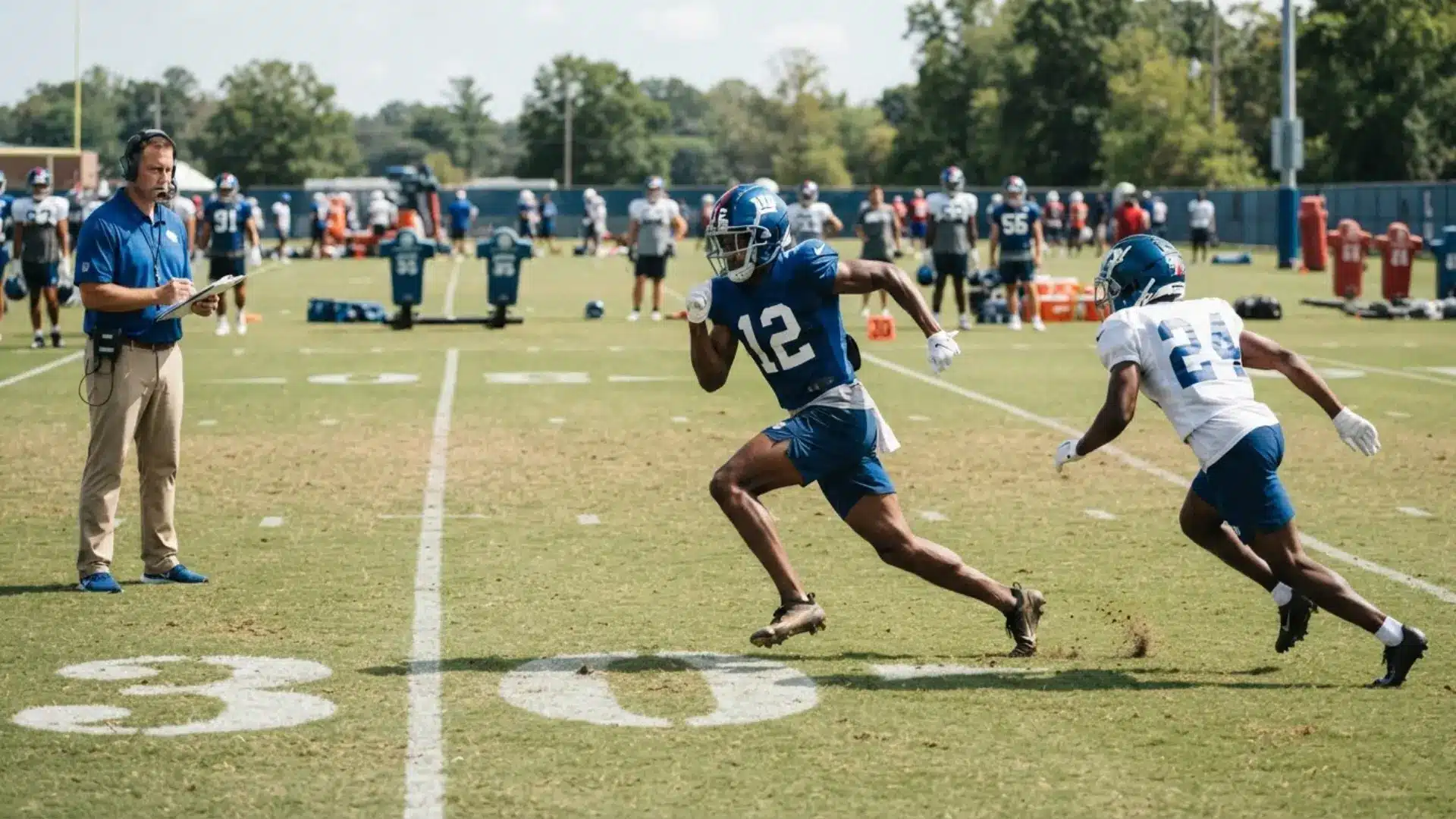
The release and sprint drill teaches the receiver how to beat contact and get vertical quickly. The receiver lines up across from a coach or defender, uses a simple release move, and then sprints straight downfield.
The goal is not just speed. The receiver must stay balanced, avoid drifting, and reach full stride without wasting steps. This drill is useful against press coverage because the first few yards often decide the route.
- Keep the first step sharp.
- Do not drift after release.
- Build speed without losing balance.
2. Over-the-Shoulder Tracking Drill
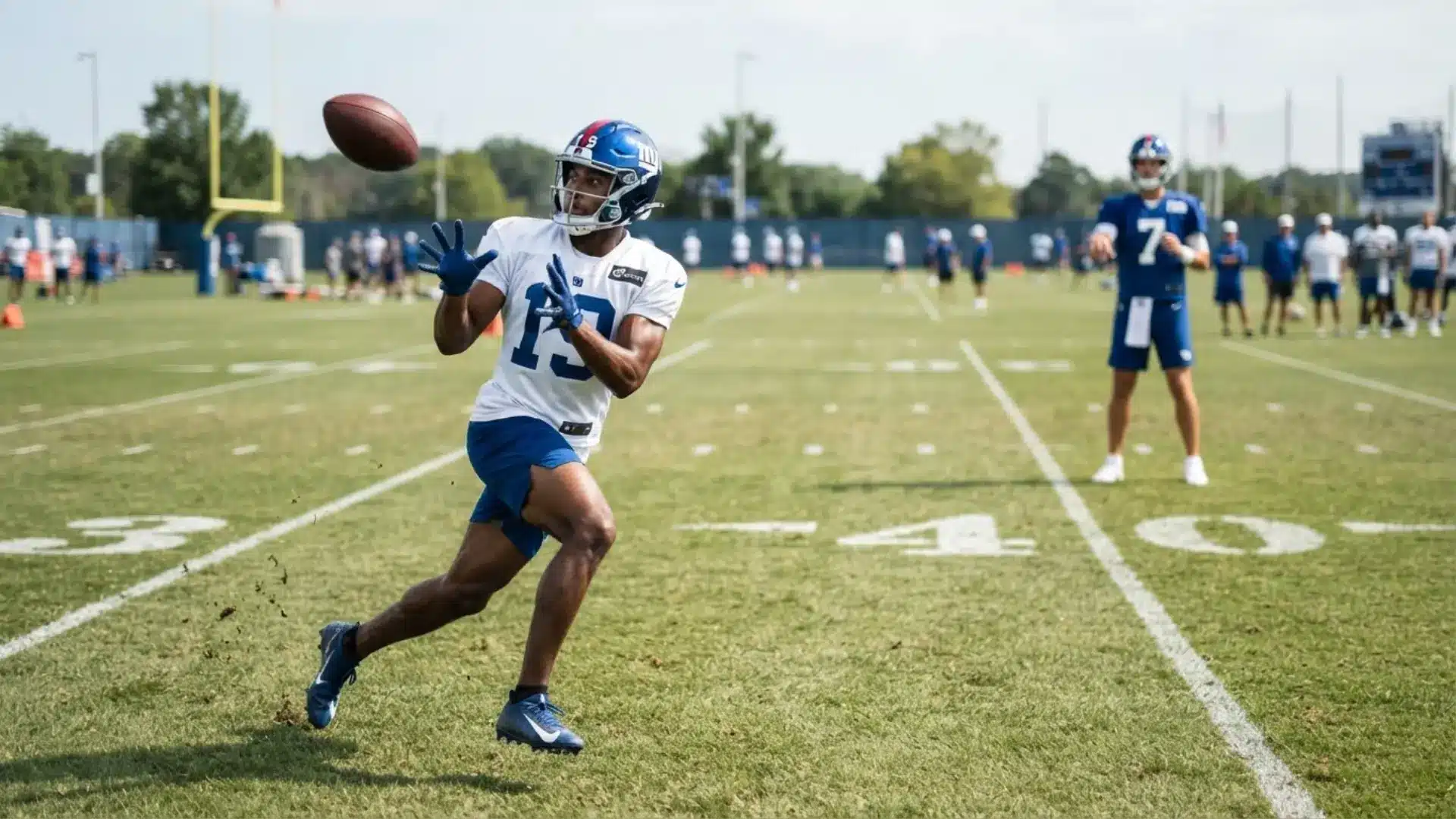
The over-the-shoulder tracking drill helps receivers catch deep throws without slowing down. The receiver starts on a vertical path while the quarterback or coach throws the ball over one shoulder.
The receiver should track the ball late, keep his stride, and finish through the catch. This drill should be practiced from both sides of the field because players need to get comfortable tracking the ball over either shoulder.
- Look late, not early.
- Keep running through the catch.
- Practice both shoulders.
3. Stack the Defender Drill
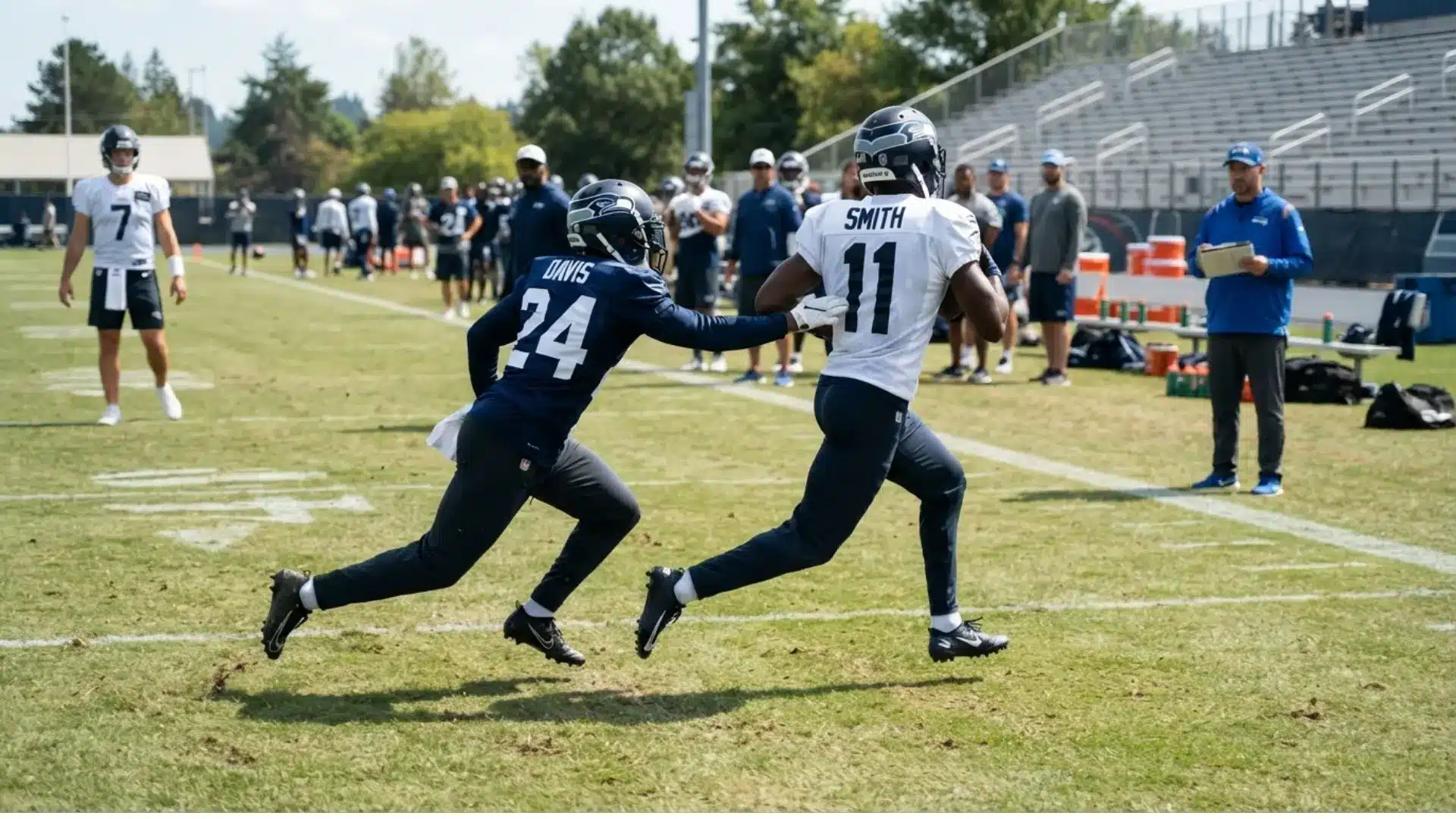
The stack the defender drill teaches the receiver how to regain position after the release. After beating the defender inside or outside, the receiver works back onto the defender’s path.
This makes it harder for the defensive back to cut off the throw or play through the receiver. The drill also helps receivers understand body position, spacing, and how to create a cleaner deep-ball lane for the quarterback.
- Get back on top quickly.
- Keep your body between the defender and the ball.
- Stay vertical after stacking.
4. Sideline Landmark Drill
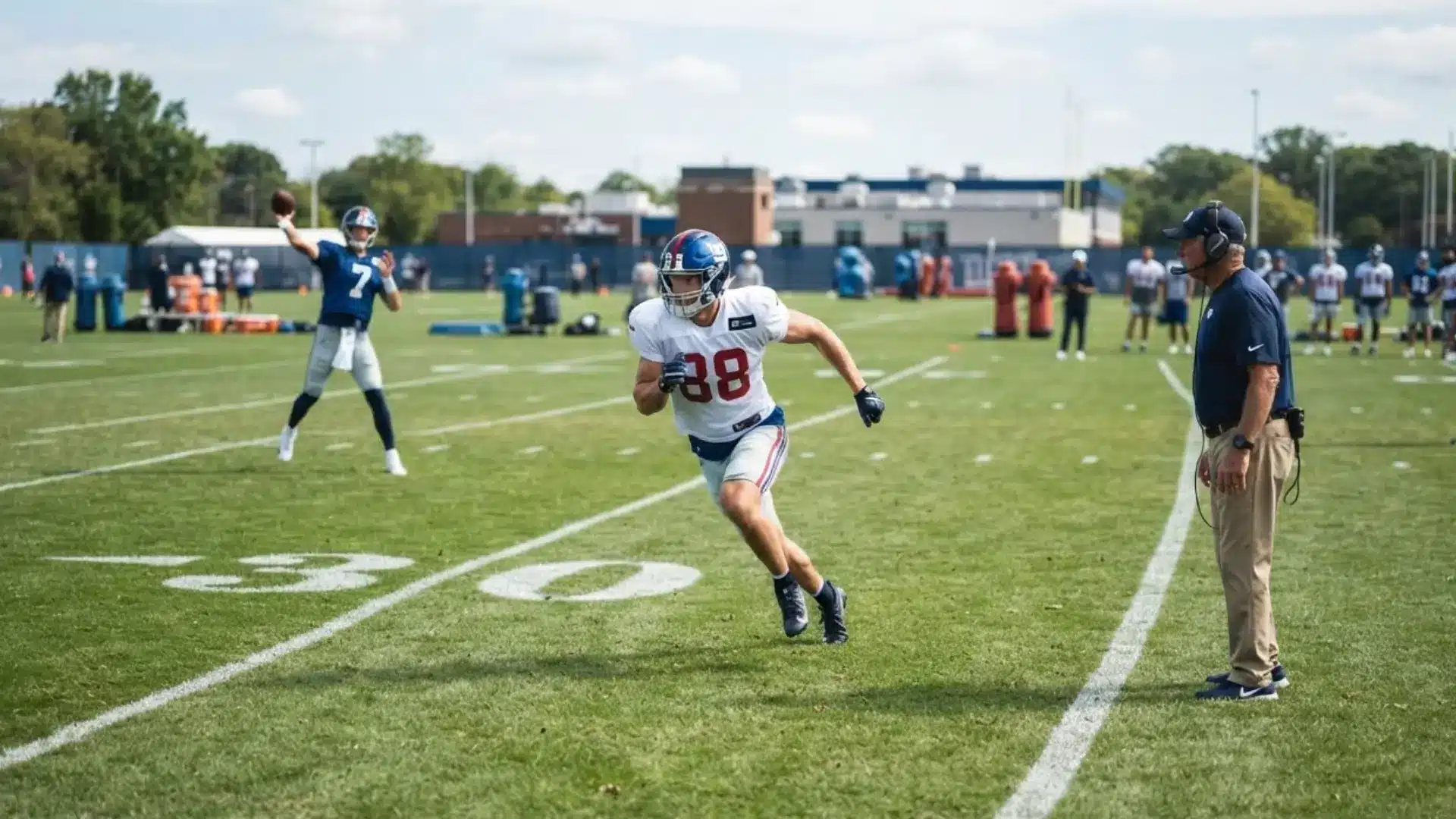
The sideline landmark drill helps receivers stay deep without running out of space. The coach gives the receiver a landmark, such as the numbers, hash, or a point near the sideline.
The receiver runs the go route while keeping enough room for the quarterback’s throw. This drill is important because drifting too wide can shrink the throwing window and make the sideline act like an extra defender.
- Use the numbers as a guide.
- Leave room for the throw.
- Do not fade too wide.
Best Player Traits for Running a Go Route
A good go-route receiver does not have to be the fastest player on the field. Speed helps, but leverage, timing, body control, and ball tracking matter just as much.
- Straight-Line Speed: Closes the defender’s cushion quickly and creates a clear deep threat.
- Clean Release Technique: Beats press coverage and gets vertical without losing momentum.
- Strong Ball Tracking: Locates deep throws without slowing down or drifting off the route.
- Late Hands: Waits until the final moment to show the catch point to the defender.
- Body Control: Adjusts to off-target throws while staying balanced and maintaining speed.
- Over-the-Shoulder Confidence: Tracks the ball naturally while running away from the quarterback.
- Sideline Awareness: Stays vertical and leaves enough space for the quarterback to place the throw.
How a Go Route Differs from Other Deep Routes
Not every deep route attacks the defense the same way. A go route sends the receiver straight downfield, while other deep routes change the angle to attack different coverage weaknesses.
| Route | Route Path | Best Used to Attack |
|---|---|---|
| Go Route | Straight downfield | A cornerback beaten vertically |
| Post Route | Vertical stem, then inside break | Open space behind linebackers or near the middle safety |
| Fade Route | Vertical path with outside angle | Sideline space or end zone matchups |
| Seam Route | Vertical route from inside alignment | Space between safeties or linebackers |
The go route is the most direct deep route because it avoids a major break. A post bends inside, a fade works toward outside space, and a seam usually comes from the slot or tight end area.
Keeping this difference clear helps receivers run the correct angle rather than treating every deep route as the same sprint.
Final Takeaway
The go route is simple in shape, but it takes detail to run well. A receiver is not just sprinting downfield.
He has to release cleanly, keep his stem vertical, protect the throwing lane, track the ball, and leave enough space near the sideline.
The route stretches the field, pressures defensive backs, and can create explosive plays when the timing is right.
It also helps the offense even when the ball is not thrown deep because it can pull coverage away from shorter routes. The quarterback needs timing and trust because the throw often comes before the receiver looks open.
If you are learning football routes, start with the go route because it teaches speed, spacing, timing, and ball tracking in one simple path.
Frequently Asked Questions
Can Tight Ends Run Go Routes?
Yes. Tight ends can run go routes, especially from the slot or detached alignments. They usually win with size, body control, and matchups against linebackers or safeties.
Is a Go Route Useful Near the End Zone?
Yes, but the throw changes because there is less field behind the defense. Quarterbacks often use higher, wider placement so the receiver can adjust safely.
How do Defenders Stop a Go Route?
Defenders try to disrupt timing, stay over the top, use sideline leverage, or get safety help. Their goal is to stop the receiver from winning vertically.
Does Wind Affect Go Route Throws?
Yes. Wind can push deep throws off line or make the ball hang too long. Quarterbacks may need a flatter throw or safer placement.
Should Young Receivers Learn Go Routes First?
Yes, but only after learning stance, release, and catching basics. The go route teaches speed control, spacing, tracking, and trust with the quarterback.