


Running back is one of the most demanding positions on the field, requiring a rare blend of vision, burst, and body control that separates good rushers from great ones.
In this guide, I will break down the best running back drills built to sharpen the exact skills that show up on weekends.
Quick footwork through tight spaces, explosive change-of-direction, and rock-solid ball security under pressure.
Each drill includes clear step-by-step instructions, the specific body parts it targets, and a recommended intensity rate so coaches can structure sessions with purpose instead of guesswork.
Beyond the drills themselves, you’ll find guidance on equipment setup, dynamic warm-up routines, and age-specific training progressions for youth, high school, college, and pro-level backs.
A coaching cues section offers simple verbal fixes for common technical breakdowns, while the performance tracking section shows how to measure real progress over time.
Doesn’t matter if you are building a season-long program or refining a single practice, this framework covers every stage of running back development.
The Foundation of Running Back Training
These core skills give running backs the base they need before moving into drills equipment and daily practice work.
- Every successful rusher relies on specific positional traits. Targeted running back training focuses on building short-area quickness and elite change-of-direction ability.
- These two physical skills allow players to find small openings in the defensive front. Regular practice reduces simple mental errors during live games.
- Athletes who build these habits see a massive jump in their production. Developing these skills helps backs maximize their yards after contact.
- Coaches must understand how to organize a structured workout routine. The next step involves gathering the necessary equipment for daily field practice.
Essential Equipment and Session Preparation
High-quality training requires the right tools to simulate live action. Coaches should gather standard marking cones, an agility ladder, and heavy blocking bags.
Using unique items like tennis balls can also help improve hand-eye coordination. Before starting any high-intensity movements, players must complete a proper dynamic warm-up.
This routine should include high knees, butt kicks, and carioca patterns. These exercises open the hips and activate the hamstrings.
A thorough warm-up prepares the joints for sudden lateral movements. The training session can then advance directly into technical footwork sequences.
Elite Running Back Drills
A comprehensive field protocol requires structured, repeatable routines. This master list details fifteen essential routines to elevate your game.
Each entry provides clear guidance on building elite traits.
This numbered breakdown covers footwork, agility, safety, and explosive power. Let us begin with basic foot swiftness patterns.
1. The Classic Ladder Icky Shuffle
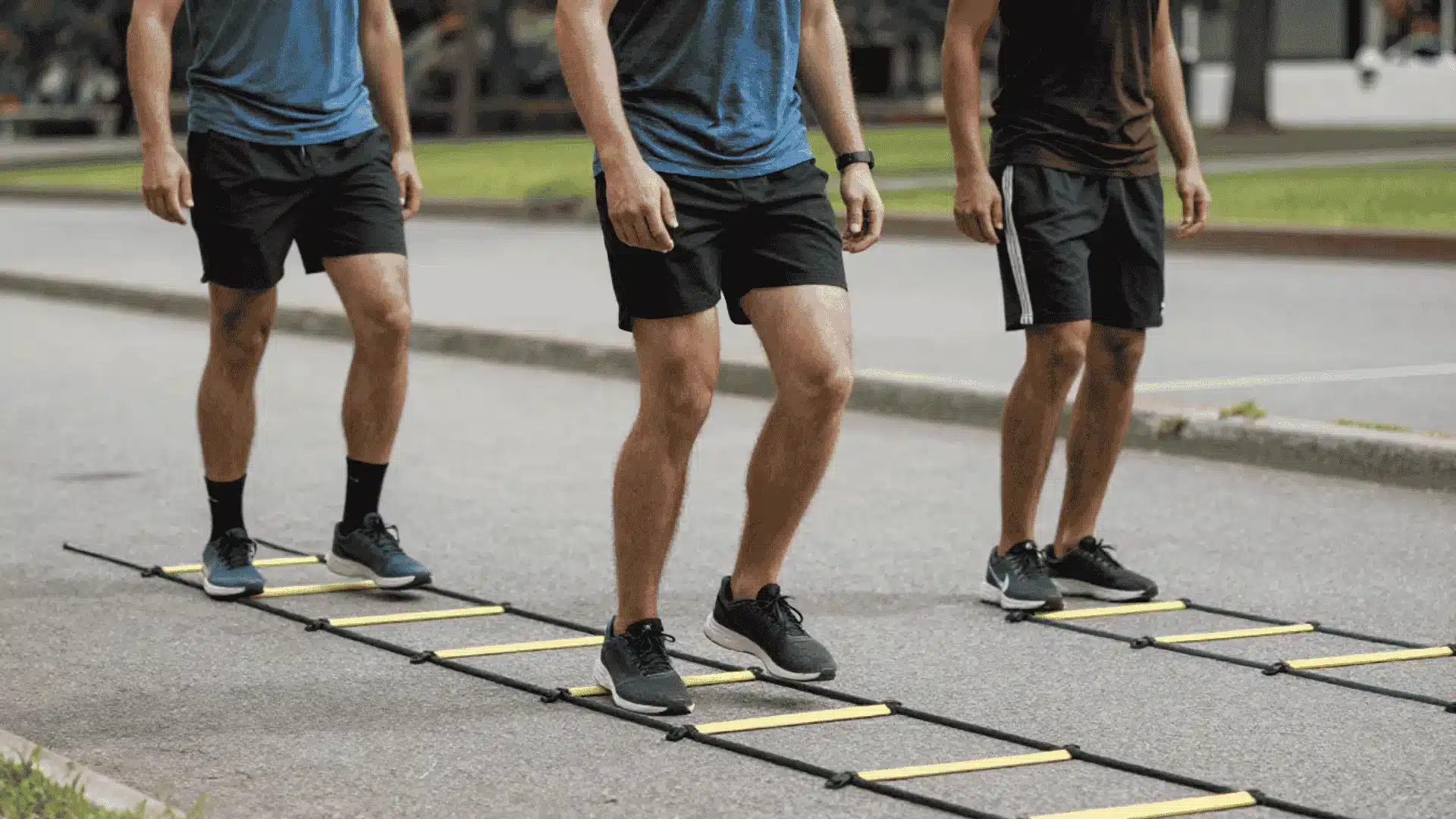
The ladder is an excellent tool for building basic coordination.
Players should perform the classic Icky Shuffle by placing two feet inside each square and one foot outside. Keep the upper body relaxed.
Gradually increase the speed as the movement patterns become comfortable. This baseline agility prepares the athlete for more complex cutting sequences.
- Target Body Part: Ankles, calves, and hip flexors.
- How to Do It: Step into the first square with your left foot, follow with your right foot, then step your left foot outside the ladder. Repeat this sequence moving forward down the entire grid.
- Intensity Rate: 45%
This foot pattern builds rapid coordination. The next step involves intense lateral movements along a line.
2. Lateral Line Response Chopping
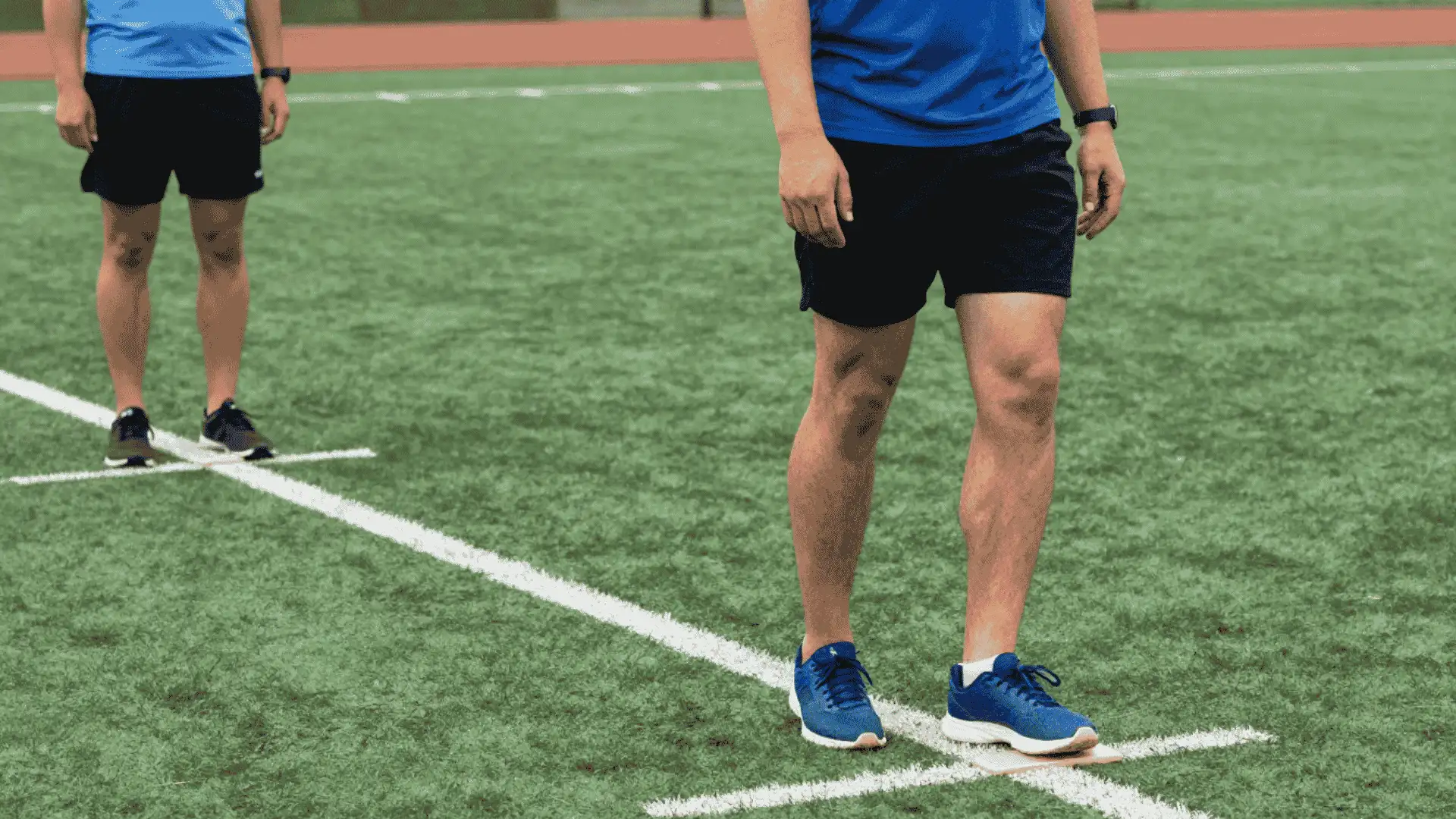
The line response drill improves immediate reaction time. Players stand across a yard line and quickly chop their feet back and forth over the marker. This builds rapid foot recycling.
Always finish this specific routine with a hard five-yard sprint. This transition ensures that quick footwork translates directly into downfield acceleration.
- Target Body Part: Quadriceps and lower leg tendons.
- How to Do It: Stand sideways next to a white yard line. Chop your feet back and forth over the line as fast as possible for exactly ten seconds.
- Intensity Rate: 65%
This routine emphasizes rapid foot placement. We can now look at advanced ladder progressions with a football.
3. High Squeeze Ladder Hops

This routine forces the athlete to complete ladder drills while maintaining ball security.
Hold the ball tight while executing rapid single-leg hops through every square. This builds ankle strength.
Keep your chin up throughout the exercise. This practice ensures you can navigate traffic while protecting the ball.
- Target Body Part: Core abdominal muscles, hamstrings, and biceps.
- How to Do It: Hold a football firmly against your ribcage with both hands. Hop forward through each square of the ladder on a single leg without breaking your upper body posture.
- Intensity Rate: 70%
This drill combines quickness with possession security. The next exercise introduces linear speed restrictions.
4. The One Cut Forty-Five Degree Routine
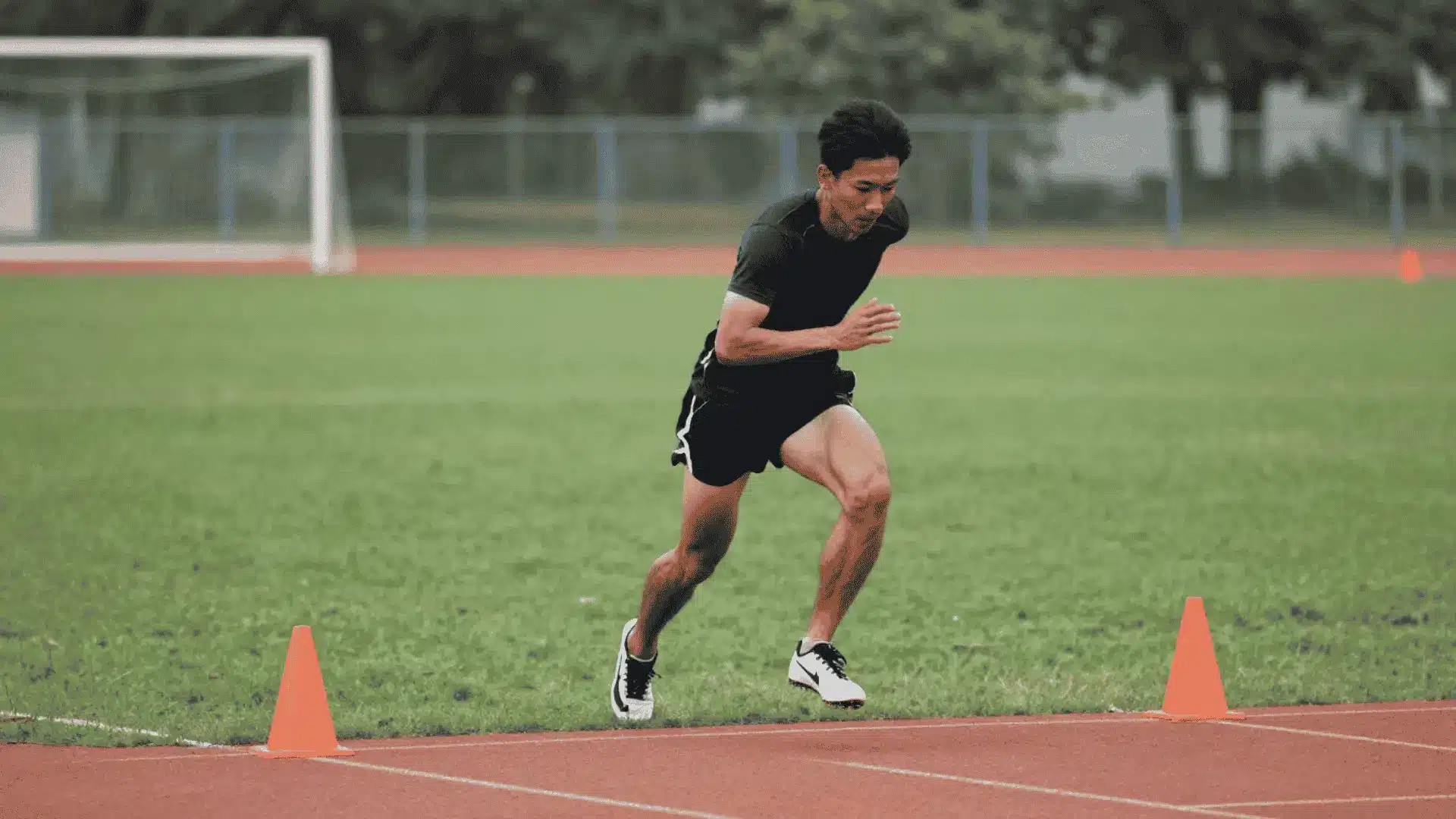
Set up three marking cones to form a precise forty-five-degree angle on the field. The athlete sprints toward the vertex, plants their outside foot, and drives forward. This teaches proper hip sink.
Sink the hips to lower your center of gravity before making the turn. This low body position prevents wasted movement and stops slipping.
- Target Body Part: Gluteus maximus and knee stabilizing ligaments.
- How to Do It: Sprint ten yards straight toward an orange cone. Plant your outside foot hard at a forty-five-degree angle and explode forward into an open lane.
- Intensity Rate: 75%
This angle drill refines your open-field cutting. The next method utilizes a tighter layout for agility.
5. The Five Ten Five Shuttle Cut

This routine utilizes standard cone patterns to improve short-area burst. Sprint five yards to the right, plant hard, and run ten yards across to the left cone.
This builds lateral acceleration. Maintain a low pad level when changing directions. Keeping low allows you to transition your weight smoothly.
- Target Body Part: Lateral hip abductors and lower back muscles.
- How to Do It: Start in a three-point stance, sprint five yards right, touch the line, turn and sprint ten yards left, then finish by sprinting five yards back past the center point.
- Intensity Rate: 85%
This shuttle builds exceptional lateral acceleration. The next section details spatial awareness inside crowded spaces.
6. The Agility Hole Grid System
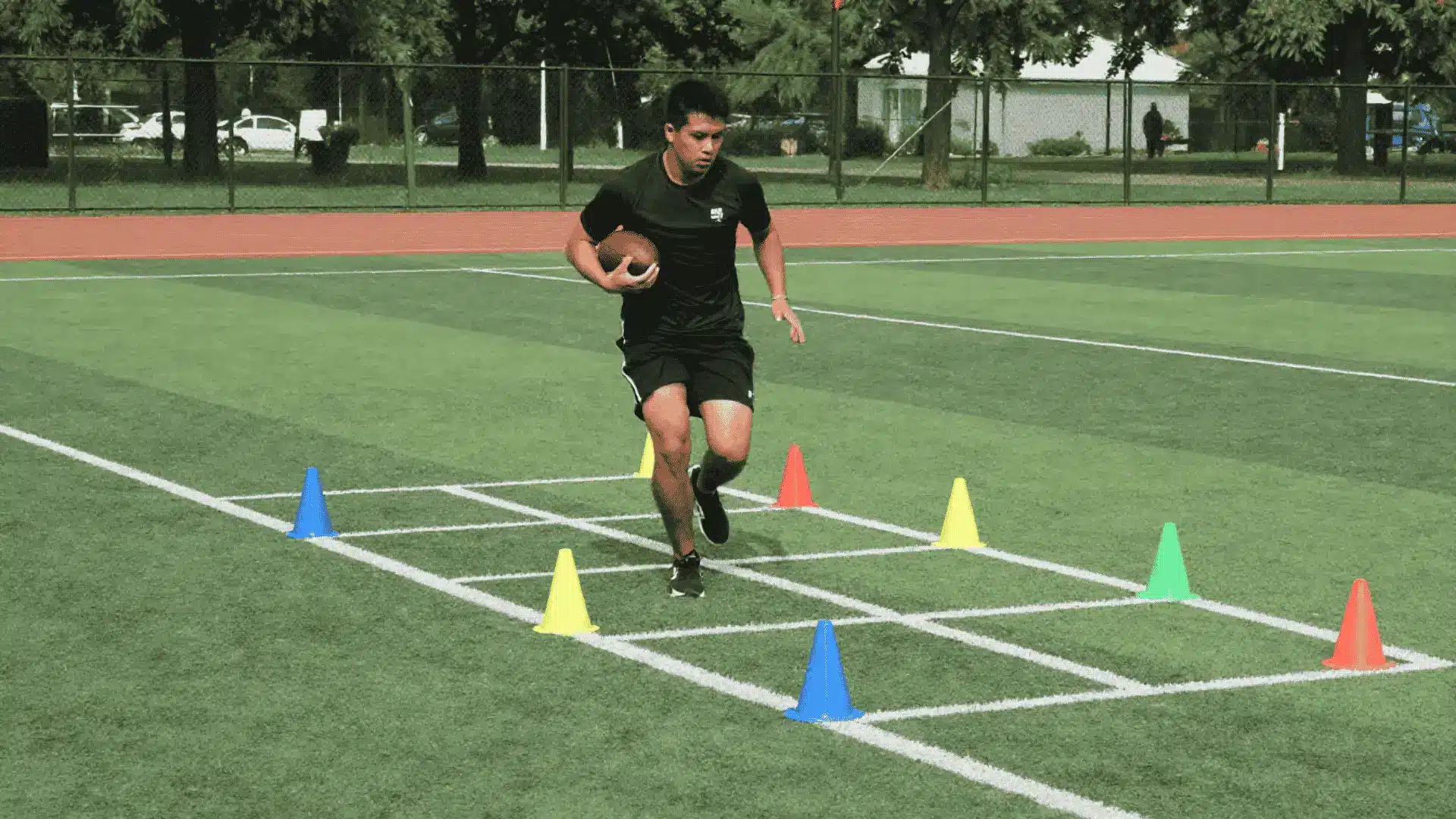
Arrange multiple cones to simulate the natural gaps in an offensive line.
The ball carrier must sprint through the designated spaces based on sudden verbal commands. This trains spatial awareness.
Keep the eyes focused up on the secondary level instead of looking down. This vision allows players to spot oncoming linebackers early.
- Target Body Part: Neck muscles, eyes, and groin adductors.
- How to Do It: Run through a grid of six cones spaced two yards apart. Alter your path instantly whenever a coach calls out a specific color or number during your approach.
- Intensity Rate: 60%
This grid setup improves situational field vision. The following entry adds heavy physical restrictions.
7. The Three Cone L Drill
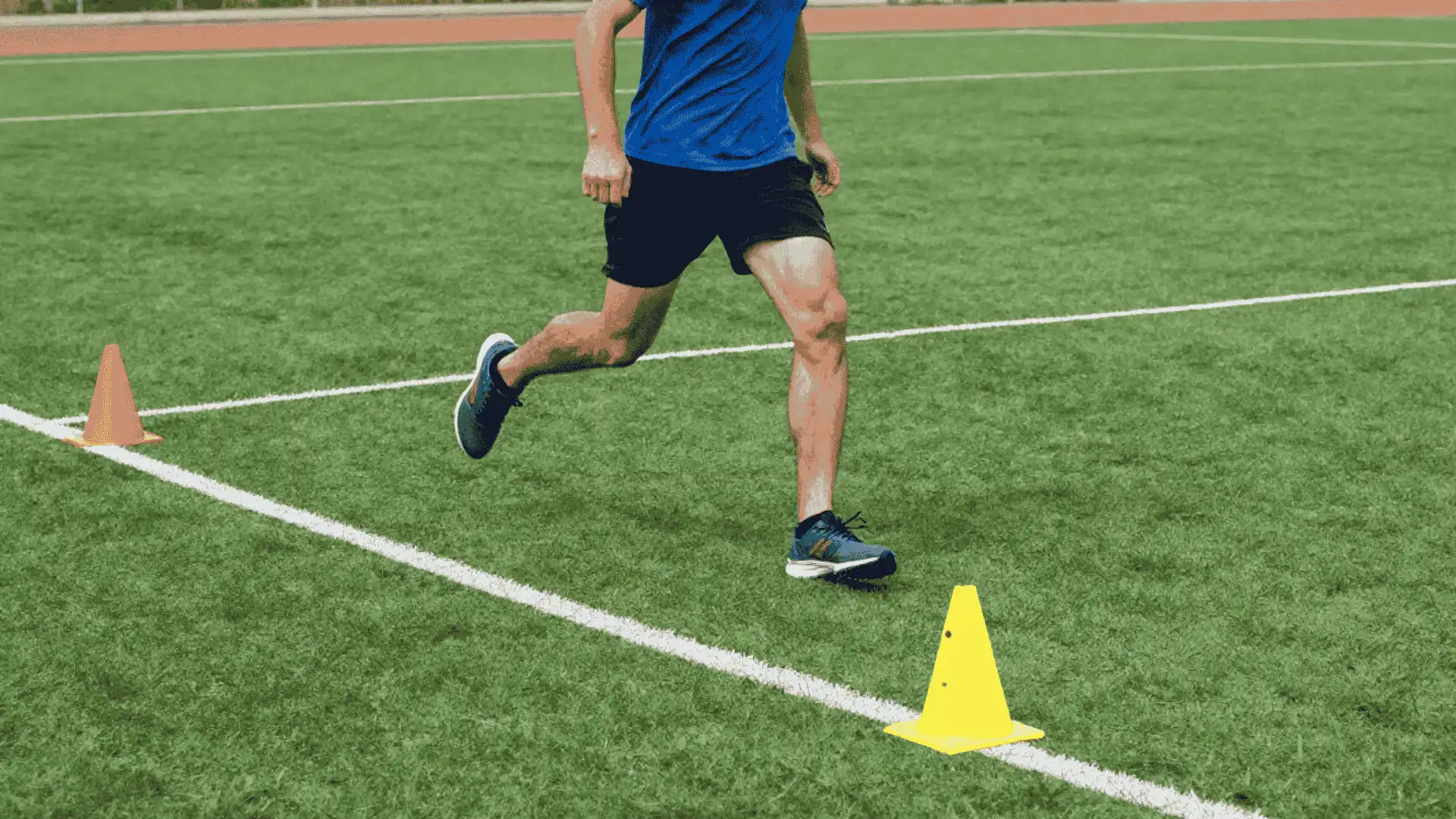
Position three markers in an L shape exactly five yards apart. The player must loop around the corner marker and weave through the final path smoothly.
This builds cornering agility. Lean your body toward the inside cone to fight centrifugal force. This technique keeps your path tight.
- Target Body Part: Front shin muscles and lower body joints.
- How to Do It: Run five yards forward, touch the line, return to the start, then sprint around the second cone to loop around the third marker in an L shape.
- Intensity Rate: 80%
This classic evaluation drill sharpens tight cornering mechanics. Next, we move to protecting the football.
8. The Gauntlet Friction Run

This classic routine requires an athlete to run through a tight space. Teammates line up to swipe and punch at the football.
This forces the carrier to maintain a lock-tight grip. Always keep the ball secured against your ribcage using the four points of contact.
This tight technique prevents defenders from ripping it away.
- Target Body Part: Pectorals, forearms, and hands.
- How to Do It: Sprint through a straight five-yard alley while four teammates stand along the borders trying to rip the football out of your tight grip with foam pads.
- Intensity Rate: 75%
The gauntlet is perfect for eliminating costly fumbles. The next drill introduces airborne distractions.
9. Tennis Ball Avoidance Sprints
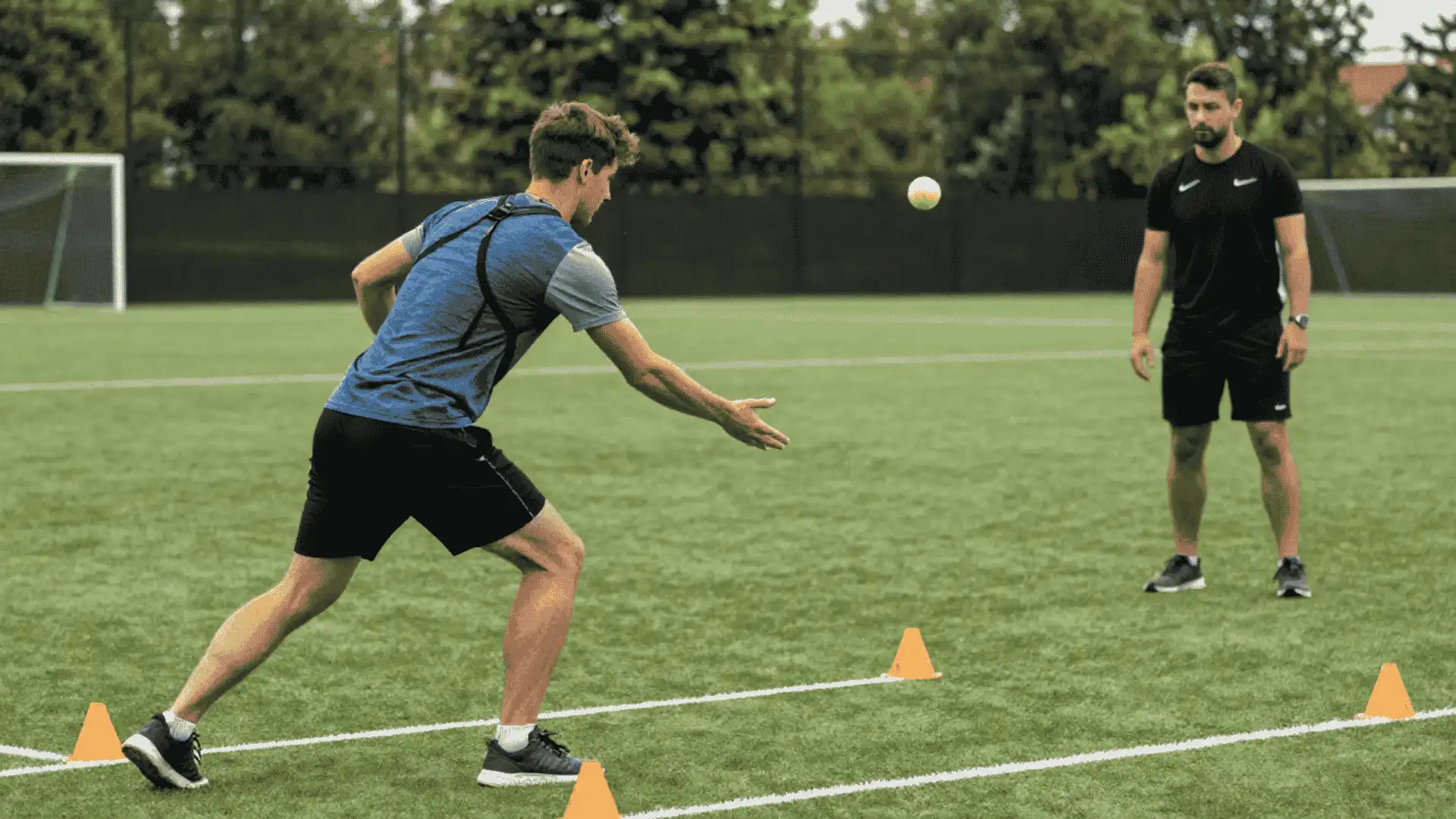
Trainers toss yellow tennis balls at the player while they navigate an agility course.
The carrier must dodge the objects without lowering their weapon arm. This forces extreme mental focus.
Never let your arms drift away from your torso during the dodge. Keep the grip tight.
- Target Body Part: Upper back, shoulders, and core.
- How to Do It: Move laterally through a maze of small cones. Protect the ball while avoiding light tennis balls tossed at your midsection by a trainer standing five yards away.
- Intensity Rate: 55%
This tracking exercise sharpens coordination under pressure. Next, we look at escaping closing defensive groups.
10. The Pop Up Bag Collision
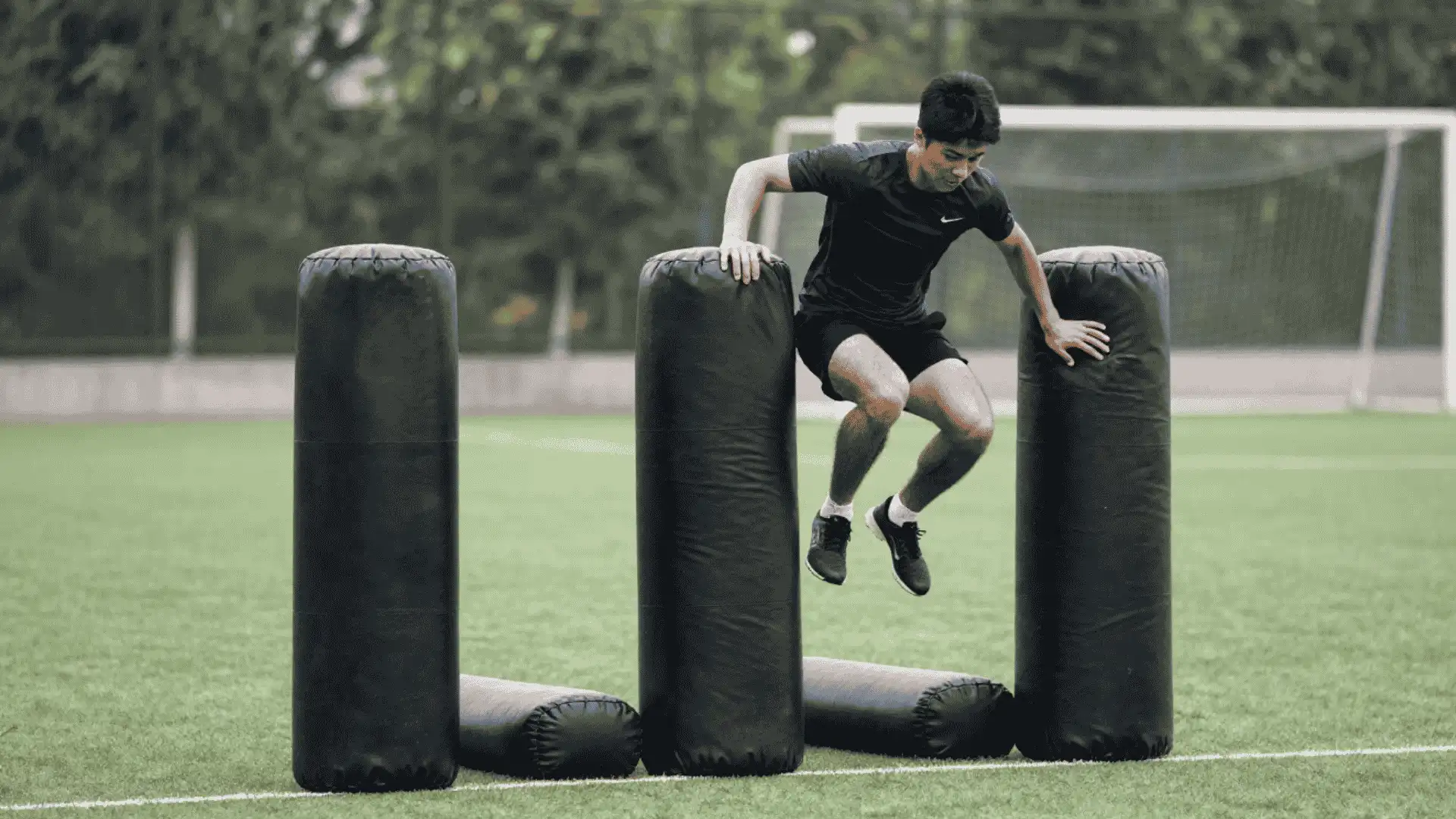
Place three large foam dummies in a tight row on the turf. The athlete must execute a violent jump cut directly over the obstacle without dropping momentum.
This trains contact balance. Absorb the heavy force by flexing your knees and hips upon impact. This keeps your base stable.
- Target Body Part: Whole body, specifically shoulders and thighs.
- How to Do It: Sprint full speed at a heavy foam dummy, strike it with a low shoulder pad level, then immediately execute a lateral jump cut to clear the space.
- Intensity Rate: 90%
This heavy bag work builds immense lower body toughness. The next routine introduces unpredictable movement commands.
11. The Sudden Drop Cone Choice
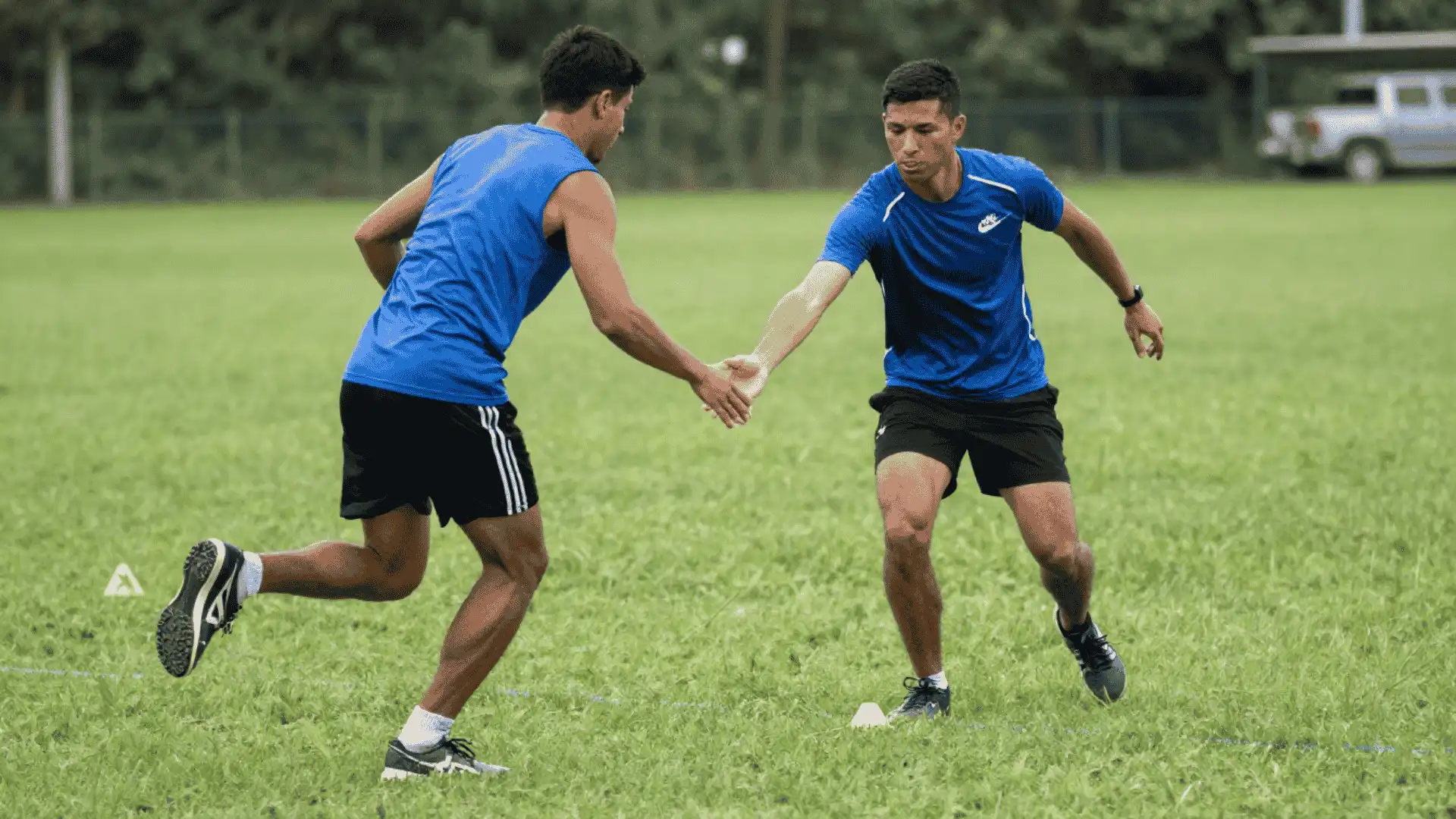
The drop-cone drill requires a coach to run alongside the athlete. The coach drops a marker without warning, and the player must instantly cut toward it. This builds sudden responsiveness.
This high-speed decision training sharpens the player’s natural peripheral vision.
Once vision is established, coaches can focus on developing raw linear top speed.
- Target Body Part: Nervous system and ankle ligaments.
- How to Do It: Run forward alongside a coach at a moderate speed. The moment the coach drops a marker onto the grass, plant your feet and cut hard in that exact direction.
- Intensity Rate: 70%
This reactive movement mimics live defensive pursuits. Next, we move to reading block developments.
12. The Numbered Gap Simulation
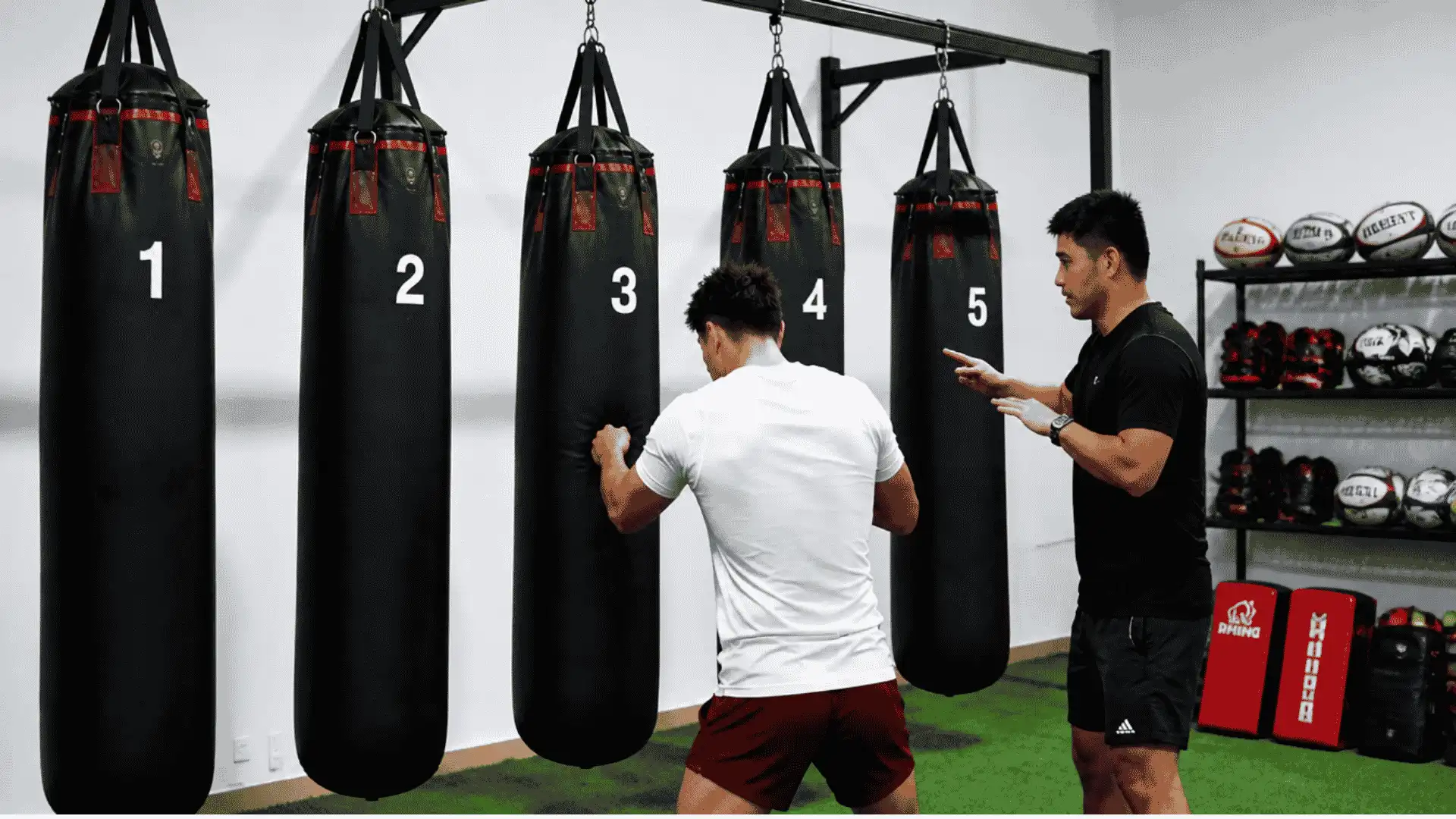
Set up five lanes representing standard offensive running zones. A trainer flashes a numbered card, and the player must explode through that exact lane.
This builds rapid decision skills. Do not hesitate when the visual cue appears. Commit to the hole instantly.
- Target Body Part: Hips and visual processing centers.
- How to Do It: Approach a wall of five distinct agility bags. A trainer will yell a target lane number at the very last second, forcing an immediate movement correction.
- Intensity Rate: 75%
This simulation connects mental reading with physical execution. The next technique focuses on resisting gravity.
13. Steep Incline Hill Sprints

Execute six sets of twenty-yard hill sprints with full recovery periods between reps.
The steep incline forces proper forward body lean and powerful knee drive. This builds acceleration mechanics.
Drive your arms aggressively to clear the steep incline. This movement increases lower-body force.
- Target Body Parts: Calves, hamstrings, and glutes.
- How to Do It: Find a grassy hill with a steep slope. Sprint upward at maximum speed for twenty yards, then walk slowly back down to recover completely.
- Intensity Rate: 95%
Hill training builds elite starting acceleration. The next method uses mechanical resistance on flat turf.
14. Weighted Sled Towing
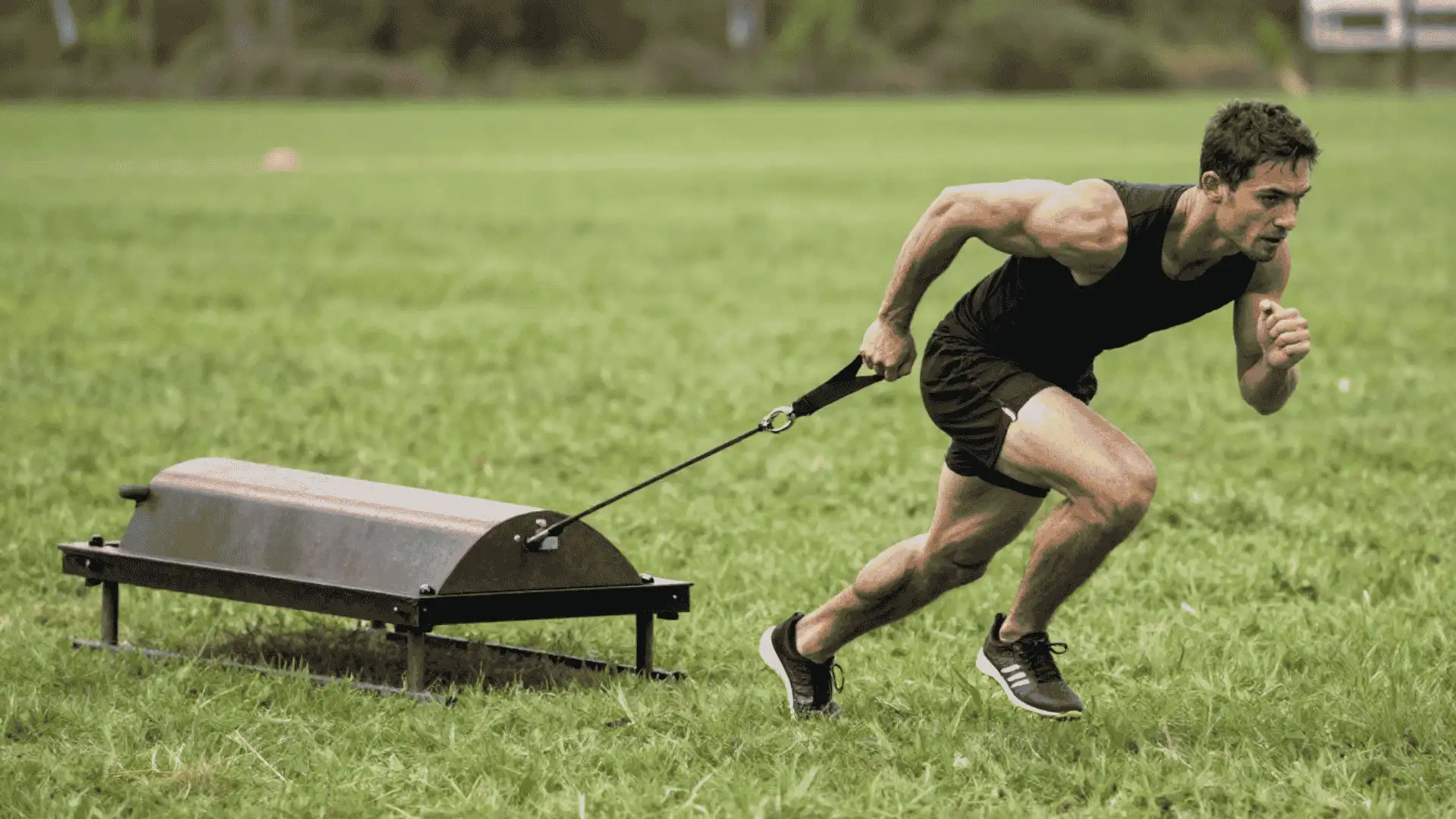
Strapped to a heavy iron sled, the player executes fifteen-yard maximum-effort bursts. This heavy load forces the body to exert massive pressure on the ground. This builds starting strength.
Keep your head down during the first five steps of the pull. This angle maximizes drive.
- Target Body Part: Entire posterior lower-body muscle chain.
- How to Do It: Attach a harness connected to a sled loaded with forty pounds of iron. Sprint fifteen yards across the grass using low, powerful drive steps.
- Intensity Rate: 90%
Sled pulling creates unmatched power out of the backfield. Our final routine targets elastic power.
15. Continuous Forward Bound Jumps
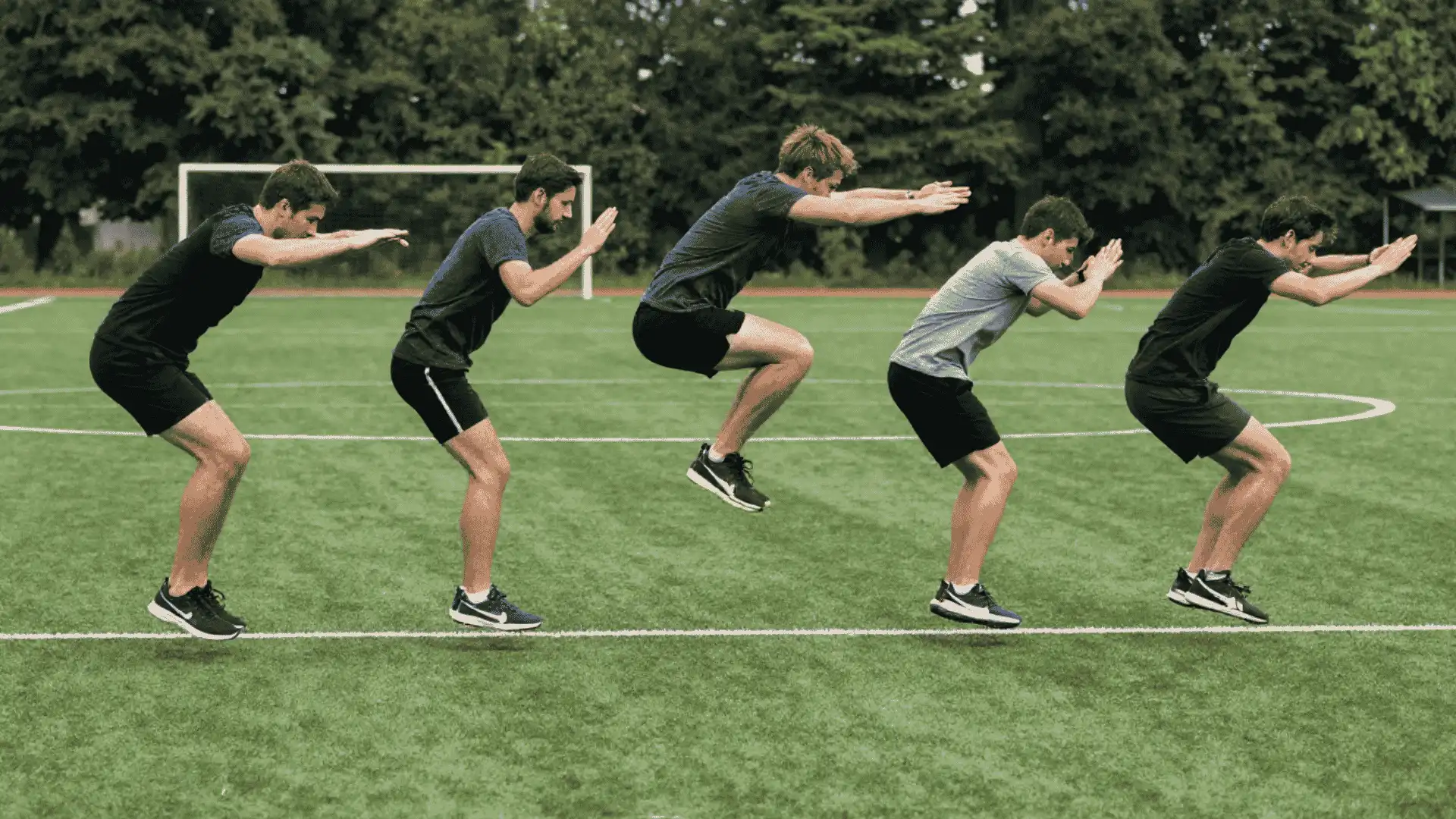
The athlete executes five consecutive double-leg broad jumps across the turf. This plyometric exercise conditions the nervous system to fire rapidly.
This builds explosive change-of-direction power. Land softly on the balls of your feet to protect your knees. Immediately explode upwards again.
- Target Body Part: Calves and hip flexor tendons.
- How to Do It: Stand with feet together, bend your knees deeply, and leap as far forward as possible. Immediately jump forward again the moment your feet hit the turf.
- Intensity Rate: 80%
This final routine completes our comprehensive field performance framework. Let us now examine level-specific coaching applications.
Age-Specific Training Progressions
Coaches must modify their instructional intensity based on player maturity.
Youth running back drills should prioritize basic movement mechanics and fun repetition.
Avoid heavy collision work with young athletes to keep them safe. High school players can transition into high-intensity reaction training and measured testing.
College running back drills require advanced film analysis and the integration of specific strength work. These older athletes focus on complex defensive reads.
Elite pro running back drills feature highly customized plans to fix individual weaknesses.
The following table compares these different training categories for easy reference.
Summary of Positional Training Categories
| Training Type | Primary Target | Sample Exercise | Recommended Reps |
| Quick Footwork | Step Frequency | Ladder Icky Shuffle | Four Sets |
| Lateral Cutting | Sharp Angles | One-Cut Forty-Five | Six Reps |
| Ball Protection | Zero Turnovers | The Gauntlet Run | Five Sets |
| Power Burst | Top Acceleration | Steep Hill Sprints | Six Repeats |
This visual breakdown helps coaches choose the right focus for their next session. To get the best results, you must use proper coaching phrases.
Effective Coaching Cues and Technical Fixes
Using clear, brief phrases helps players correct technical mistakes instantly. When instructing a cut, tell the athlete to step, sink, and explode. This cue reminds them to lower their hips.
Remind players to keep their eyes focused on the second level of the defense. Do not let them look down at the grass while running.
This bad habit ruins field vision. Fixing these small body mechanics will quickly improve overall execution.
Teams can track this technical growth by monitoring specific performance testing scores.
Measuring Performance and Tracking Progress
To evaluate the success of your training, coaches must establish clear baseline metrics. Regular testing allows you to see exactly how drills transfer to live games. Track these key numbers every six weeks.
Use a standard stopwatch to measure the three-cone drill and the short shuttle.
These specific times show improvements in lateral agility and burst. You can look at data to see how agility impacts the passing game.
Compare these field times against seasonal game tape to check overall player production. Consistent tracking ensures that your training program delivers real results over time.
Analyzing these physical metrics keeps your training accurate and efficient. For more guidance on managing athletic programs, check out the youth coaching strategies listed on the website.
Final Thoughts
Mastering comprehensive running back drills is the most efficient way to secure victory on the football field.
These structured field exercises build the essential habits of elite ball protection, lightning footwork, and explosive short-area quickness.
By progressing from basic ladder patterns to complex reaction sequences, dedicated athletes prepare themselves to handle the chaos of real-game situations seamlessly.
Remember to maintain the secure four-point contact on every single play to prevent costly team turnovers.
Consistency during the grueling off-season training will yield massive physical rewards when the game clock starts ticking.
Commit to the daily grind, perfect your tactical cutting mechanics, and lead your football team directly to a championship victory.
Start your updated positional training program today to completely outrun the competition. Your path to elite athletic production begins with these disciplined habits on the turf.
Frequently Asked Questions
How Often Should Football Players Practice Positional Drills Each Week?
Athletes should complete these position workouts two to four times per week during the off-season. Reduce this schedule to one or two sessions during the competitive game season.
What is the Most Effective Way to Fix Fumbling Problems?
The best remedy is practicing the gauntlet routine daily. Force the player to secure the football tightly against their ribcage using the four standard points of contact.
Can Younger Athletes Safely Execute Agility Ladder Workouts?
Yes, youth players can safely use ladders because these patterns do not involve physical contact. These movements are excellent for developing basic coordination, balance, and foot speed.
Which Physical Metrics are Most Important For Evaluating New Rushers?
Coaches should prioritize short-area tests like the three-cone drill and short shuttle. These specific times show an athlete’s ability to plant, change direction, and accelerate instantly.