
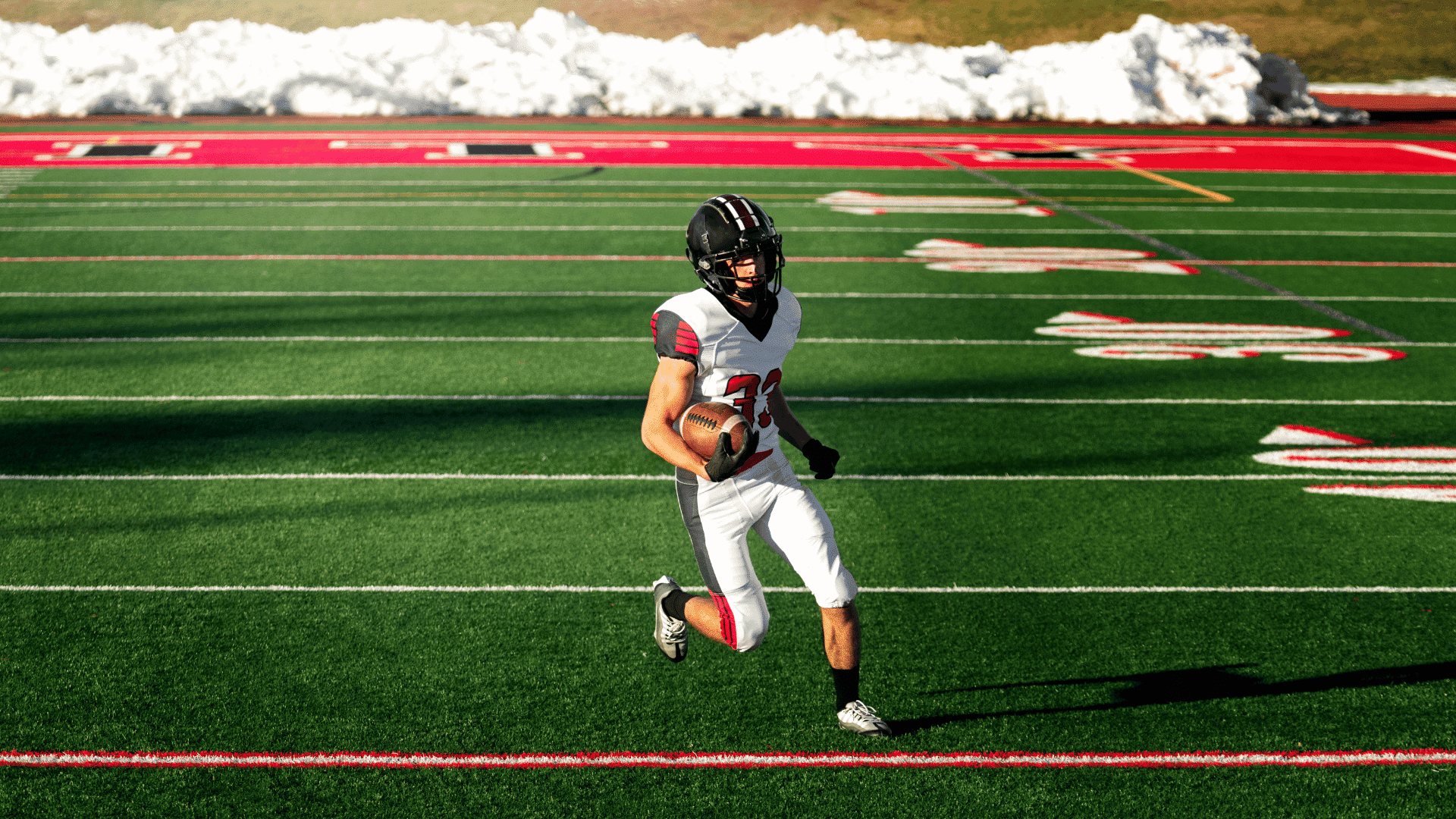

Have you ever been watching a football game when the commentator mentions a statistic you’ve never heard before?
Maybe a defender knocks away a pass, the broadcast team praises the play, and suddenly you hear the term “PBU” without much explanation.
It’s one of those football terms broadcasters use all the time, yet many casual fans never learn what it actually measures.
PBU stands for Pass Breakup, a defensive statistic recorded when a player deflects or knocks away a forward pass, causing an incomplete pass.
While interceptions often receive the most attention, pass breakups are another important measure of defensive impact.
They show how effectively a defender can disrupt passing plays and prevent completions.
To understand why this stat matters, let’s take a closer look at how PBUs are recorded and what they reveal about a player’s performance.
What Actually Counts as a PBU in Football?
I’ve seen fans argue about this one more time than I can count, especially when a pass falls incomplete, and everyone assumes the nearest defender gets credit for a PBU. The reality is a little more specific.
A PBU doesn’t get recorded just because a pass fell incomplete near a defender. Three specific things have to happen on the same play:
1. The QB throws a catchable pass: It has to be within the receiver’s realistic reach. A ball thrown five yards out of bounds doesn’t qualify, no matter how close the defender was.
2. The defender makes physical contact with the ball: A swat, a tip, a fingertip deflection, even a batted ball at the line of scrimmage. Contact is non-negotiable.
3. The pass falls incomplete as a direct result: If the receiver still catches it after a tip, no PBU. The incompletion must be due to the defender’s contact.
Miss any one of those three, and the official scorer doesn’t touch the stat book.
When the Play Looks Like a PBU, But Isn’t
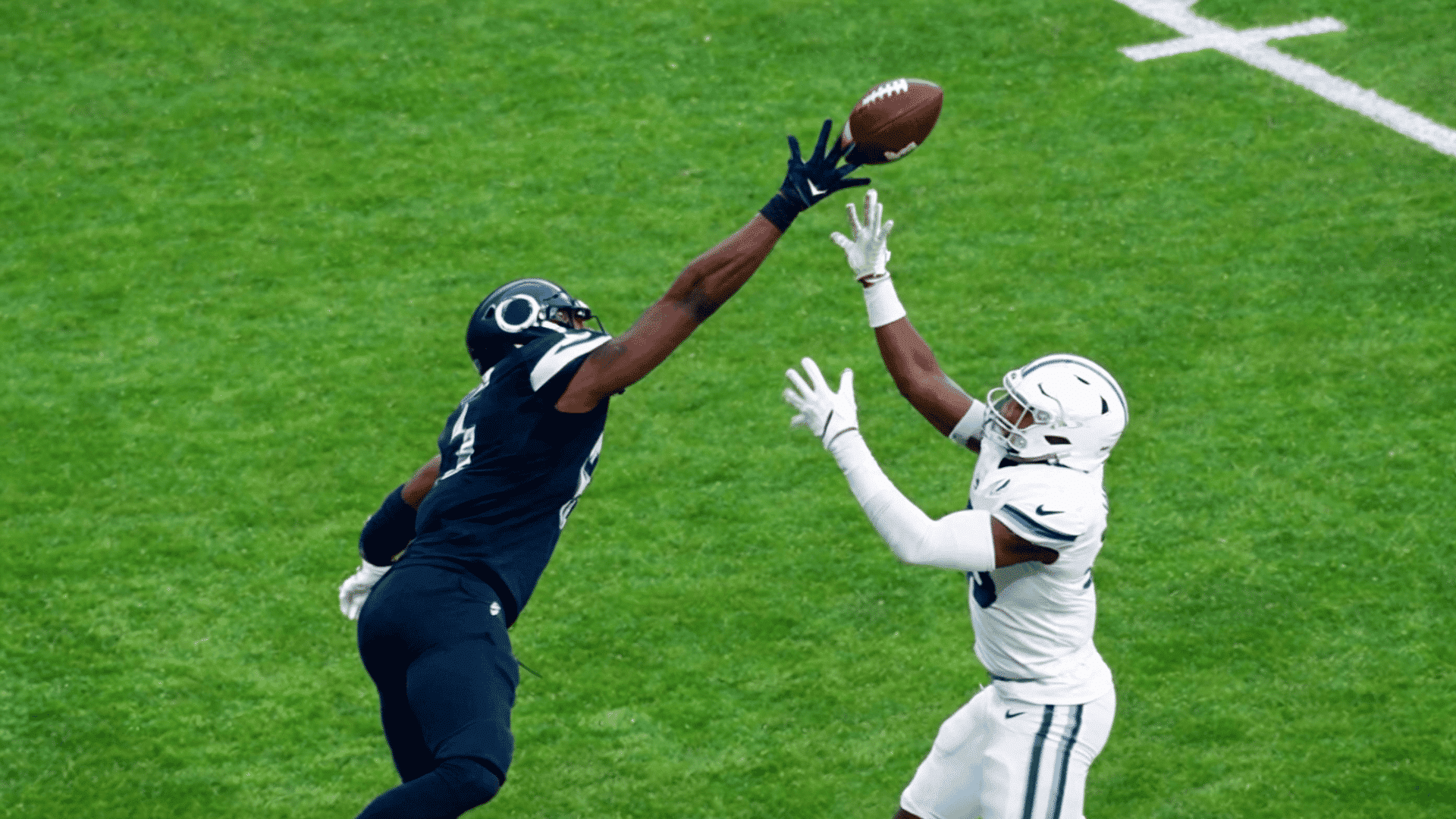
This is where it gets interesting. A lot of incompletions look like PBUs but don’t qualify at all:
- A receiver who simply drops a clean pass with no defender nearby; that’s a drop, not a PBU
- A QB who fires the ball three feet over everyone’s head; that’s an overthrow, not a defensive play
- Any play where a penalty flag comes out; Defensive Pass Interference wipes the PBU entirely, even if the defender genuinely got the ball
The official scorer is asking one question: Did the defender directly cause this incompletion? If the answer isn’t a clear yes, it doesn’t count.
I’ve broken this down into the clearest possible terms so there’s no grey area left. Here’s a summarized table of exactly what earns a PBU and what doesn’t:
| Counts as a PBU | Does Not Count |
|---|---|
| Defender swats the ball clean to the turf | The receiver drops the ball with zero defender contact |
| A fingertip at the line of scrimmage causes an incompletion | QB overthrows by 5+ yards, and the pass is completely uncatchable |
| Safety reads the QB, breaks on the ball, and deflects it mid-flight | Penalty flag thrown on the play, DPI wipes the stat entirely |
| Defensive lineman bats the pass down at the snap point | The ball is tipped, but the receiver still pulls it in for the completion |
A PBU can be awarded on the very first yard of the field or 50 yards downfield; the distance from the line of scrimmage is completely irrelevant. What matters is contact and the incompletion, nothing else.
PBU vs. PD: The Difference Most Fans Get Wrong
Here’s something I notice constantly in football conversations: people use PBU and PD like they mean the same thing. They don’t.
PBU is the specific act. A defender knocks the ball away, the pass falls incomplete, and he earns a Pass Breakup. That’s the play itself.
PD (Passes Defended) is the stat category on every official box score. It is a combined number that rolls two things together:
PD = PBU + Interceptions
So when you open NFL.com or ESPN and see a cornerback listed with 20 Passes Defended, that number includes both his breakups and his interceptions added together.
The PBU is the action. The PD is the scoreboard.
Two different things, one clean formula.
Which Football Positions Record the Most PBUs?
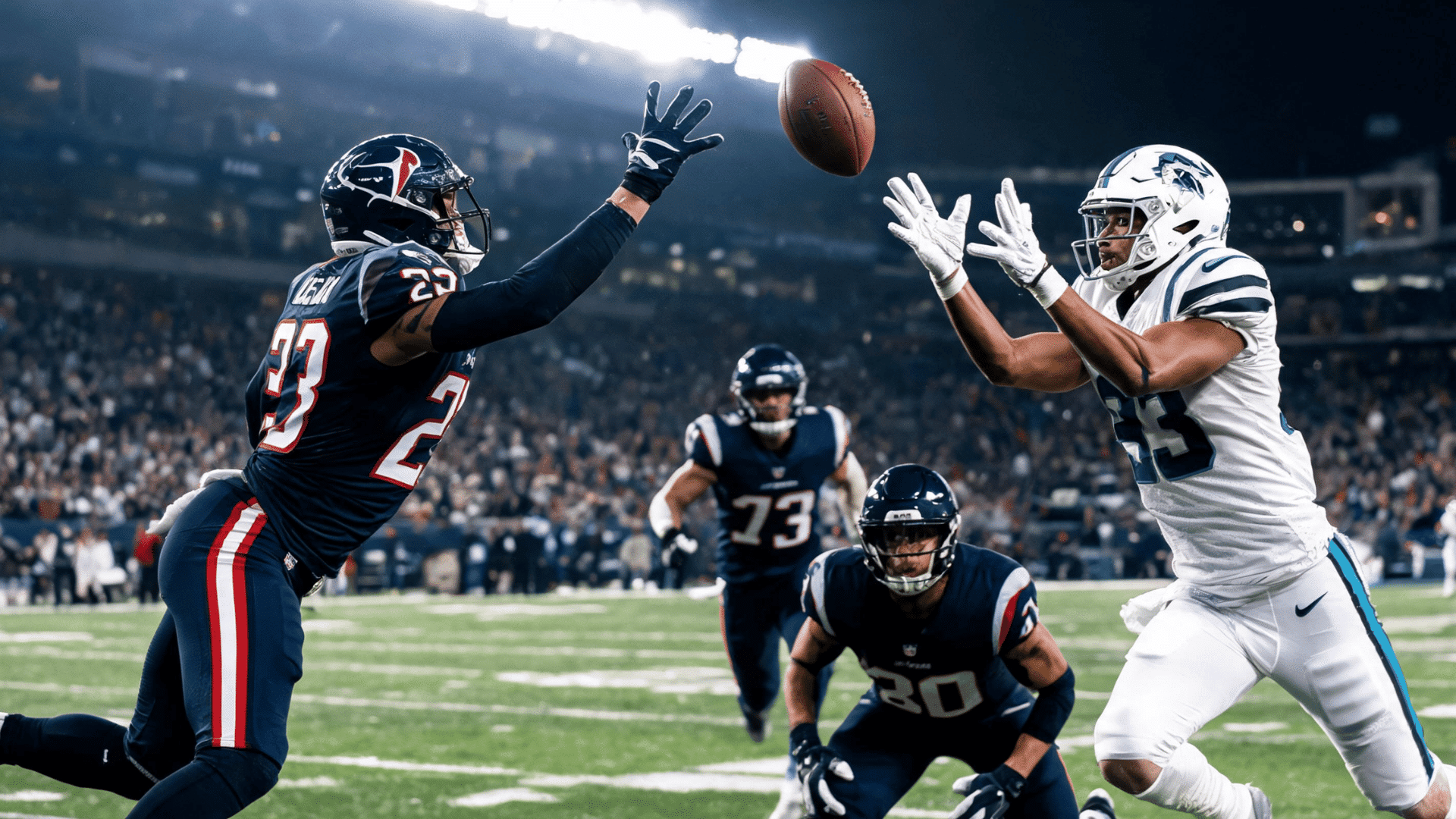
While any defender can earn a pass breakup, some positions naturally generate more opportunities than others based on their coverage responsibilities and field location.
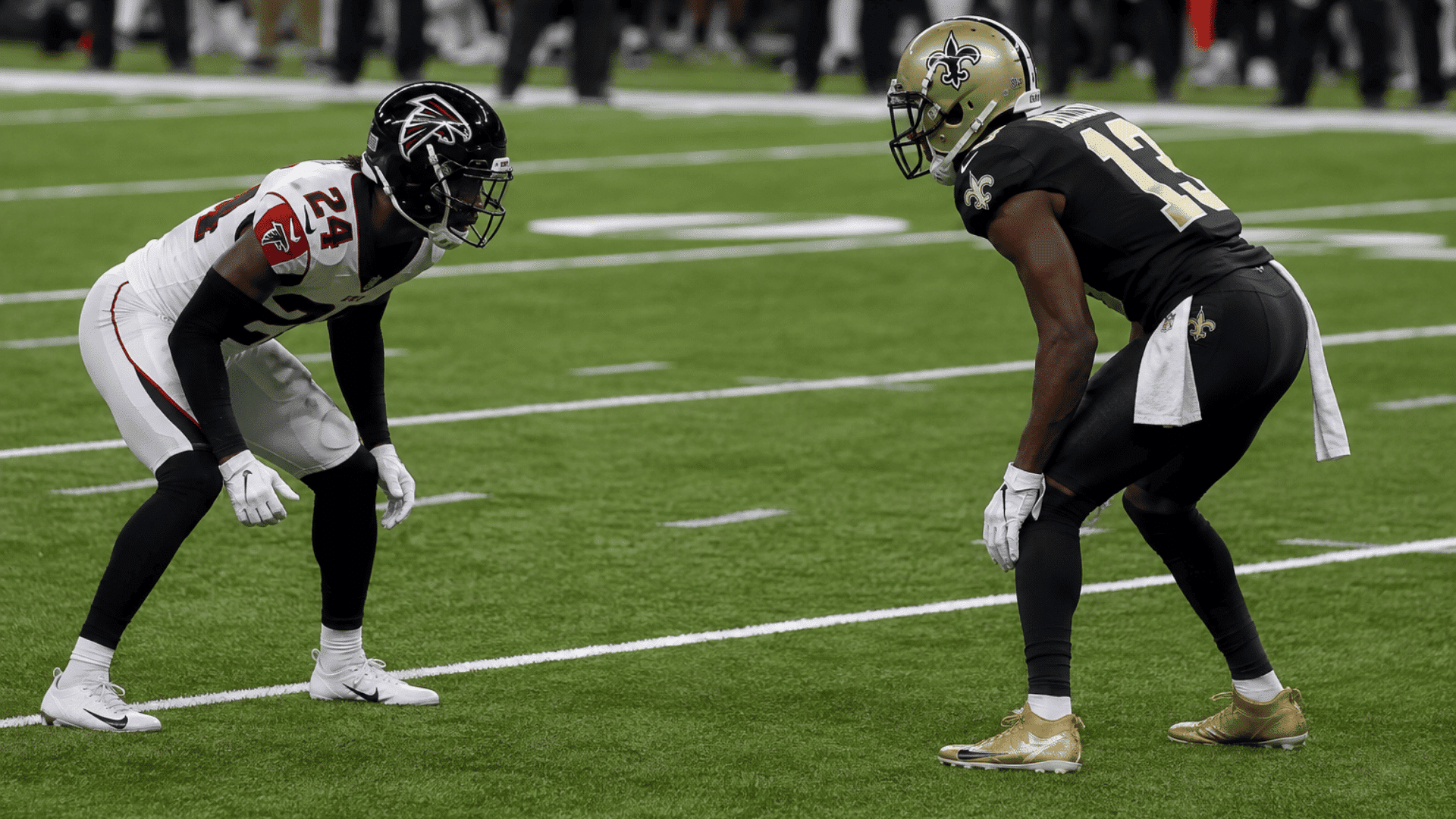
- Cornerbacks (CB): The true PBU specialists. Because they cover receivers on most passing plays, cornerbacks contest more throws and consistently lead teams in pass breakups.
- Safeties (S): Deep coverage responsibilities allow safeties to read quarterbacks, break on passes, and deflect throws that fall just outside interception range.
- Linebackers (LB): Zone coverage drops place linebackers directly in passing lanes, making them especially effective at disrupting crossing routes and short middle throws.
- Defensive Linemen (DL): Most people forget about the d-line angle, but I find these among football’s most underappreciated defensive plays. Long-armed linemen can bat down passes at the line and still earn PBUs.
Fun Fact: A defender can record a PBU without being anywhere near the receiver. If they tip a pass at the line of scrimmage, it still counts.
PBU vs. Interception: Which Play Is Actually Better?
At first glance, the answer seems obvious: interceptions are better.
A pass breakup prevents a completion, but an interception ends the play and gives the ball to the defense. Few defensive plays have a bigger impact on a game.
So why is this even a debate?
Because defenders don’t always have a clean choice between a guaranteed PBU and a guaranteed interception.
In real-game situations, aggressively attacking the ball can increase the risk of dropping the catch altogether.
Sometimes the smartest play is simply making sure the receiver doesn’t come down with the football.
The Case for the PBU
If you ask me which play a coach would prefer on a critical third or fourth down, the answer isn’t always the interception.
Imagine it’s 3rd-and-10 late in the game. A defender gets a hand on the ball and knocks it away. The offense now has to punt. Mission accomplished.
The same logic applies on fourth down or near the goal line. Once the pass hits the ground, the drive is over.
In those moments, a PBU delivers the exact outcome the defense needs without the added risk of trying to secure the interception.
That’s why many defensive coaches teach players to “finish the incompletion” rather than gamble for a turnover that might never materialize.
So, Which One Is Better?
Over the course of a season, interceptions are unquestionably more valuable. They create turnovers, steal possessions, and often lead directly to points.
If a defender can safely make the interception, that’s almost always the preferred outcome.
But on individual plays, context changes the answer. When the priority is simply getting off the field, a pass breakup can be every bit as effective.
The interception is the bigger reward, but the PBU is often the more reliable way to guarantee the stop.
That’s why the best defensive backs don’t chase interceptions on every snap. They focus on preventing completions first and take the turnover when the opportunity truly presents itself.
2025 NFL PBU Leaders
I always find this the most satisfying section to read because the numbers cut through every highlight reel debate and just tell you who actually showed up every single week.
Riley Moss and Mike Jackson shared the league lead in 2025 with 19 passes defended each.
Here is the full top-five breakdown, verified against ESPN’s official 2025 regular season defensive stats:
| Rank | Player | Team | Position | Passes Defended (PD) |
|---|---|---|---|---|
| 1 | Mike Jackson | Carolina Panthers | CB | 19 |
| 1 | Riley Moss | Denver Broncos | CB | 19 |
| 3 | Tyson Campbell | Cleveland Browns | CB | 18 |
| 3 | Emmanuel Forbes Jr. | Los Angeles Rams | CB | 18 |
| 3 | DJ Turner II | Cincinnati Bengals | CB | 18 |
One important note before you read this table: these numbers represent total Passes Defended (PD), which, as we covered earlier, combines PBUs and interceptions together.
Mike Jackson‘s 19 passes defended included four interceptions, meaning he recorded 15 standalone pass breakups on top of those picks, an elite season by any measure.
For career context, Darius Slay leads all active NFL players with 163 career passes defended, a number that took over a decade of elite cornerback play to build, and one that puts a single 19-PD season into sharp perspective.
The Rule that Separates a PBU from a Penalty
I’d argue this is the most misunderstood rule in football; the margin between a beautiful PBU and a 15-yard penalty gift to the offense is literally one head turn.
That’s why understanding the rules behind PBUs makes watching defensive backs much more interesting.
Turn Your Head, Find the Football
One of the first things I watch on a deep pass is whether the defender turns to locate the ball.
When a cornerback looks back and makes a play on the football, officials are more likely to view the contact as part of a legitimate attempt to defend the pass.
Problems arise when the defender plays through the receiver’s body without looking for the ball.
That can quickly lead to a defensive pass interference call instead of a PBU.
In many cases, the difference between a celebrated breakup and a costly penalty is simply whether the defender showed he was trying to play the ball.
The 5-Yard Rule Every Fan Should Know
Physical coverage is legal, but only within limits. NFL defenders are allowed to make contact with receivers within five yards of the line of scrimmage, a tactic often called a “jam” or “chuck.”
Once the receiver moves beyond that area, the defender must be much more careful about initiating contact.
If he continues restricting the receiver downfield, officials can call illegal contact or defensive holding before the ball even arrives.
I think this is why elite cornerbacks look so smooth: they understand exactly how aggressively they can play and where the legal boundary is.
When a Penalty Erases the Whole Stat
The harsh reality for defensive backs is that statistics don’t reward almost-great plays.
A defender might knock the pass away perfectly, but if officials determine he committed defensive pass interference, defensive holding, or illegal contact first, the PBU disappears from the stat sheet.
Instead, the offense receives a penalty and often an automatic first down. That’s a painful swing because the defense goes from celebrating a stop to extending the drive.
Whenever I see a defender celebrate a breakup before looking for a flag, I understand why, because sometimes the difference between success and failure is measured in a fraction of a second.
At the End
A PBU may not be the statistic that grabs headlines, but the more football I watch, the more I appreciate how much it reveals about a defender’s skill.
As we’ve covered, a pass breakup is more than an incomplete pass.
It has specific criteria, differs from a PD, can come from multiple defensive positions, and can disappear entirely if a penalty is involved.
What I find fascinating is how often these plays come down to the smallest details. A defender’s positioning, timing, or even a split-second decision to turn and locate the football can completely change the outcome of a play.
The next time I watch a game, I know I’ll be paying closer attention to those moments before the ball arrives.
If you do the same, you’ll start noticing the techniques and decisions that often separate great coverage from a costly mistake.
Frequently Asked Questions
Can a Defensive Lineman Record a PBU?
Yes. If a defensive lineman tips or bats down a pass, the play qualifies as a pass breakup.
Do Interceptions Count as Passes Defended?
Yes. Official Passes Defended statistics combine pass breakups and interceptions into a single coverage metric.
Does Every Incomplete Pass Count as a PBU?
No. A defender must make contact with the football and directly cause the incompletion for a PBU.