

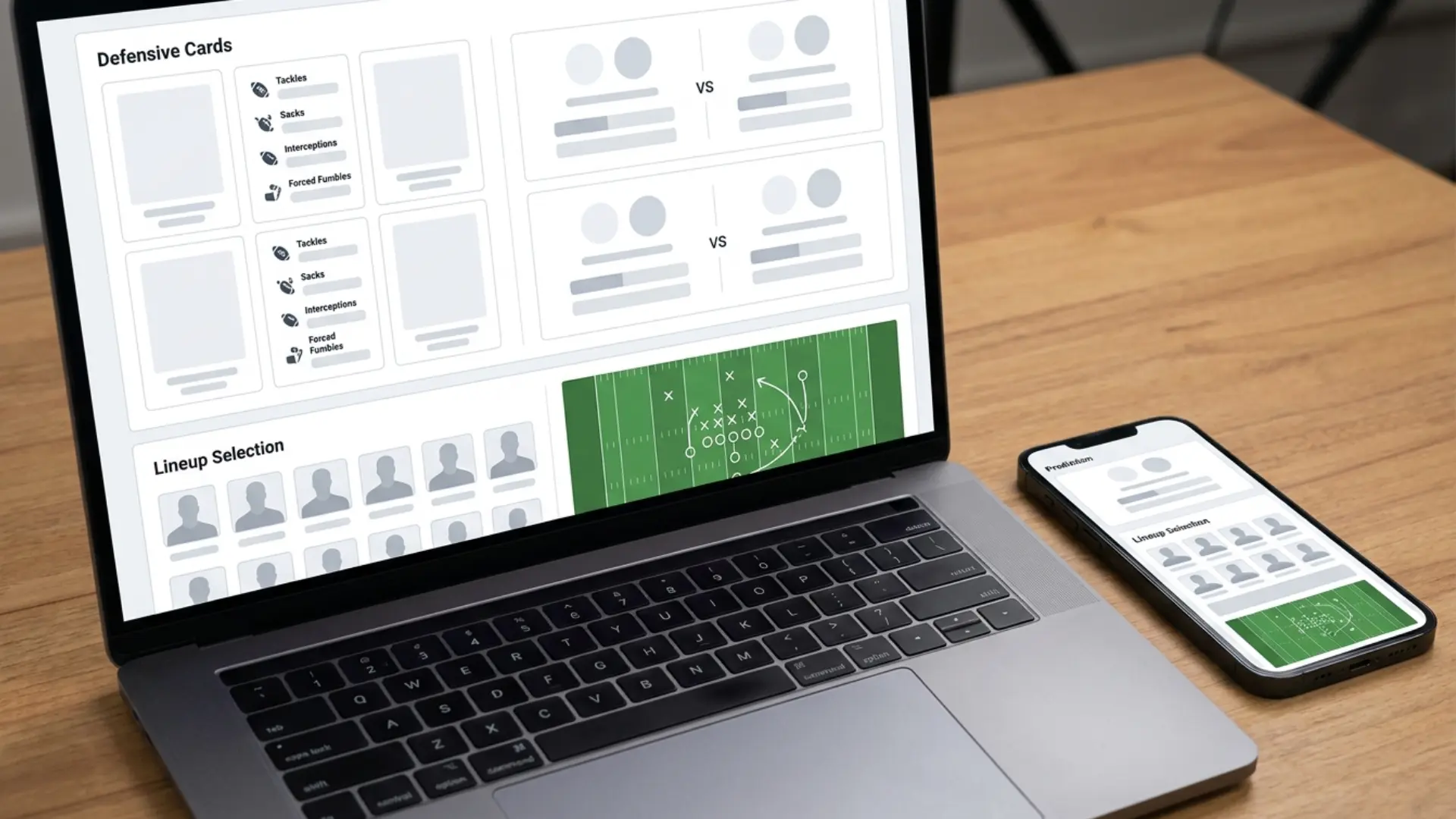

IDP fantasy football adds a new layer to standard fantasy football by allowing you to draft individual defensive players rather than a single team defense.
I like this format because it makes tackles, sacks, interceptions, forced fumbles, and defensive touchdowns feel important every week.
It also gives managers more players to follow, from linebackers and edge rushers to safeties and cornerbacks.
At first, IDP can seem confusing because scoring rules, positions, and snap counts matter a lot. But once you understand the basics, it becomes much easier to draft, set lineups, and use waivers.
This blog explains what IDP fantasy football is, how scoring works, which positions matter, and how beginners can get started without feeling overwhelmed.
What is IDP Fantasy Football?
IDP fantasy football means individual defensive player fantasy football. Instead of using only one team defense, you draft real defensive players, such as linebackers, defensive linemen, cornerbacks, and safeties.
These players score points for tackles, sacks, interceptions, forced fumbles, and other defensive plays. This makes the game feel deeper because defense becomes part of your weekly lineup decisions.
Team defense is simpler, but IDP gives managers more control and more players to follow.
Many fantasy fans like IDP leagues because they add strategy, reward football knowledge, and make defensive stars matter just like running backs, wide receivers, and quarterbacks, too.
How IDP Prediction Games Work
IDP prediction games work by asking you to pick defensive players or outcomes based on weekly matchups, scoring rules, and player roles.
I like this format because it makes defense feel active, not just something in the background. Instead of only guessing winners or offensive stars, you look at tackles, sacks, interceptions, forced fumbles, snap counts, and matchup chances.
A linebacker facing a run-heavy team may be a safer pick, while an edge rusher can be better against a weak offensive line.
NOTE: choose players with strong roles, steady playing time, and scoring chances each week.
How IDP Scoring Works in Fantasy Football

IDP scoring in fantasy football depends on your league settings. Common stats include solo tackles, assisted tackles, sacks, interceptions, forced fumbles, fumble recoveries, passes defended, and defensive touchdowns.
In tackle-heavy scoring, steady players like linebackers often have strong value because they make many tackles each week.
In big-play scoring, pass rushers and defensive backs can rise because sacks, turnovers, and touchdowns are worth more. Before draft day, managers should read the scoring rules carefully.
A player who looks average in one format may become a top starter in another based on points. That makes settings the real starting point early.
IDP Scoring Settings to Check Before Draft Day
Before draft day, I always check IDP scoring settings because they can change player value fast. Some leagues reward tackles heavily, so steady linebackers become safer picks.
Other leagues give more points for sacks, tackles for loss, quarterback hits, interceptions, and forced fumbles, which can boost edge rushers and defensive backs.
I also look at lineup spots because one IDP flex is very different from separate DL, LB, and DB positions.
In my opinion, beginners should not draft defenders until they understand these settings. The right scoring rules make rankings, draft timing, and weekly lineup choices much easier.
To put a number on it: in one common IDP scoring setup, a two-way player like Travis Hunter averaged 12.5 fantasy points per game once his defensive snaps were counted alongside his offensive ones, a rate that would have led all defensive backs that season.
A standard league with only a team defense slot would have credited him for defensive touchdowns and nothing else (ESPN). That is the clearest real-world case for why individual scoring matters.
Main IDP Positions You Need to Know
IDP positions are easier to understand when you know how each defensive role usually scores.
- Linebackers: They are often the safest IDP starters because they make steady tackles and stay close to the ball.
- Defensive linemen and edge rushers: They matter most when they force sacks, register tackles for loss, and generate pressure on the quarterback.
- Defensive backs: Safeties usually have better value than cornerbacks because they can add tackles, coverage plays, and turnovers.
- Position labels: A player listed as linebacker, defensive end, or edge can gain or lose value based on league settings.
Always match player roles with your scoring format before drafting.
Best IDP Fantasy Football League Formats for Beginners

For beginners, I think the best IDP fantasy football format is a small lineup with one or two defensive players. It keeps the game simple while still adding a new layer of strategy.
Once managers feel comfortable, a balanced setup with defensive linemen, linebackers, and defensive backs works better because every position gets attention.
Deep IDP leagues are better for experienced players who enjoy tracking snap counts, roles, and waiver moves.
Redraft leagues are easiest to learn, while dynasty leagues add long-term planning. Best ball can also be fun because it removes weekly lineup stress and rewards strong drafting.
How to Start Playing IDP Fantasy Football
Starting IDP fantasy football becomes easier when you check the basics before joining or drafting.
- Review league rules first: Look at scoring for tackles, sacks, turnovers, and defensive touchdowns before ranking players.
- Understand lineup spots: Check how many DL, LB, DB, flex, and bench spots your team needs.
- Compare scoring balance: Make sure defensive players are weighted enough relative to quarterbacks, running backs, and receivers.
- Use matching rankings: Pick rankings made for your exact scoring and format.
A little prep helps you draft smarter and avoid confusing IDP mistakes early. It also makes weekly waivers and lineup choices much easier later.
When Should You Pick IDP Players in Prediction Games?
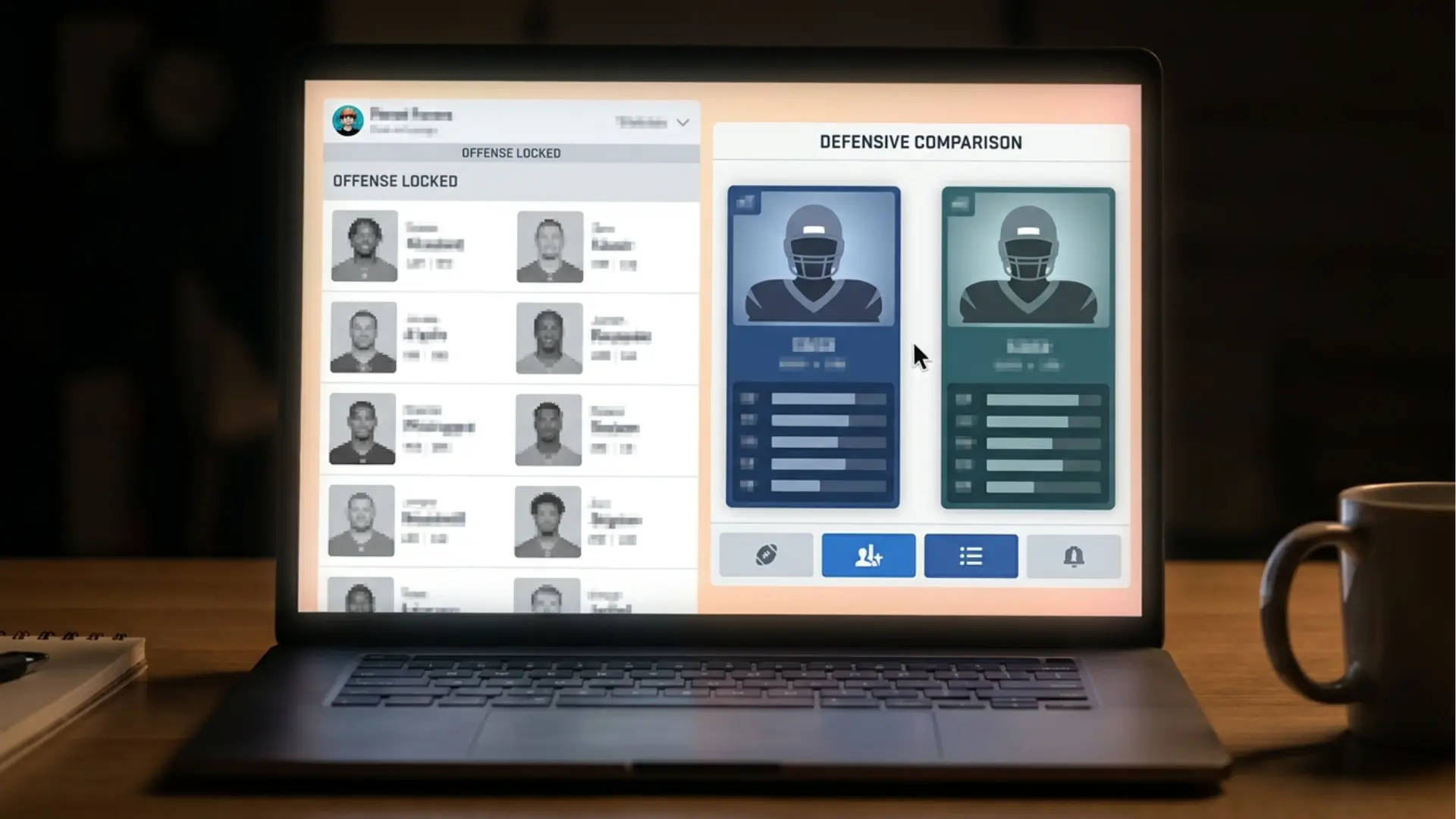
IDP fantasy football draft strategy should start with your scoring rules, not big player names. In most beginner leagues, wait until your main offensive starters are built before taking your first defensive player.
Linebackers are often safer early IDP picks because they usually get steady tackle chances each week. Defensive linemen and edge rushers become more valuable when sacks, tackles for loss, and quarterback hits are weighted heavily.
Avoid drafting only famous NFL defenders, because some stars do not get enough fantasy volume. Focus on role, snaps, position need, and scoring fit so your IDP picks help every week too.
When Should You Pick IDP Players in Prediction Games?
When you draft IDP players depends on your league scoring and lineup size.
- In most beginner leagues, fill your main offensive starters first because running backs, receivers, quarterbacks, and tight ends usually carry more weekly value.
- Draft your first linebacker: before other defenders if tackles score well.
- Take defensive linemen or edge rushers earlier only if sacks, tackles for loss, and quarterback hits are worth strong points.
- Wait longer in shallow IDP leagues because useful defenders are often available late.
The smart move is to draft IDP players when their role and scoring fit are better than the offensive value left on the board.
Weekly IDP Fantasy Football Strategy

Weekly IDP fantasy football strategy should focus on role, matchup, and opportunity, not only big names. Start by checking snap counts, because a defender who plays 80 percent of snaps has more chances to score than a part-time player.
Target linebackers and safeties with steady tackle chances, especially players near the ball on most downs. Matchups matter too.
Defenders facing run-heavy offenses often see more tackle volume, while pass-heavy teams may help edge rushers and defensive backs.
Use waivers every week for injuries, role changes, and bye weeks because IDP values can shift quickly after a starter leaves the field.
How Snap Counts Affect IDP Fantasy Value
Snap counts are among the easiest ways to gauge IDP fantasy value. A defender who plays most of the game has more chances to make tackles, rush the passer, break up passes, or force turnovers.
A part-time player may have talent, but fewer snaps often mean fewer scoring chances. That is why every-down linebackers, box safeties, and starting edge rushers are usually more useful than rotational defenders.
Before making waivers or start-sit decisions, check recent snap shares, role changes, injuries, and matchups. If a player keeps gaining snaps, his fantasy value can rise quickly each week in IDP for beginners.
Best IDP Fantasy Football Resources and Strategy Hubs
The best IDP fantasy football resources make weekly decisions much easier, especially when rankings alone are not enough.
- FantasyPros: I like using FantasyPros for IDP rankings and draft tiers because it gives a quick view of player value before drafts.
- IDP Guru: Useful for weekly rankings, projections, snap counts, waiver tips, and role-based IDP strategy.
- The IDP Center: Beginners can use it for rankings, trade value charts, simple advice, and community-style help.
- Footballguys Forum: Helpful for start-sit questions, trades, keeper choices, and team feedback.
Using a few trusted hubs helps you make smarter IDP moves.
Best IDP Fantasy Football Communities for Advice
The best IDP fantasy football communities can help when rankings feel too basic. I like Reddit threads for quick player opinions, especially after injuries or depth chart news.
Discord groups are better for league-specific help because you can share scoring rules, lineups, and roster needs. Fantasy football forums are useful for long-term strategy, such as dynasty trades, keeper calls, and draft planning.
To get better answers, ask clear IDP questions with your scoring format, starting spots, matchup options, and the players you are comparing.
Good communities save time, but your final move should still match your league rules and team needs.
Common IDP Fantasy Football Mistakes to Avoid
Avoiding common IDP fantasy football mistakes can save your team from weak weekly scores.
- Drafting big defensive names: Do not pick a famous defender only because he is a star. Fantasy value requires tackles, sacks, snaps, and consistent opportunities.
- Ignoring snap share: A part-time player can disappear quickly, even with talent.
- Wrong rankings: Always match rankings to your scoring system, because tackle-heavy and big-play leagues value players differently.
- Bye weeks and injuries: Keep replacements ready before the problem hits your lineup.
Smart IDP managers focus on role, volume, scoring rules, and weekly availability, not just name value.
Is IDP Fantasy Football Right for Your League?

IDP fantasy football is right for your league if managers want more control, deeper strategy, and a reason to follow defensive players each week.
I like adding IDP spots because tackles, sacks, interceptions, and snap roles make the league feel more active than using only team defense.
Still, a simple team defense format may be better for casual leagues or managers who do not want extra weekly research.
Commissioners can make IDP easier by starting small with one or two defensive spots, simple scoring, and clear lineup rules. The best setup is one that adds fun without making the league feel too heavy.
Final Thoughts
IDP fantasy football can feel confusing at first, but it gets much easier once you understand scoring, positions, snap counts, and weekly roles.
I have found that the biggest mistake beginners make is chasing famous defensive names instead of steady fantasy volume.
Linebackers often give a safer weekly floor because they collect tackles, while defensive linemen can swing matchups with sacks.
Defensive backs, especially safeties, need closer matchup review because their value can change by role and opponent.
If you are new, start with simple IDP settings before moving on to more advanced formats.
Save your favorite resource list, compare your league scoring, and keep checking roles each week. Comment below with your IDP lineup questions before draft day.
Frequently Asked Questions
What does IDP Mean in Fantasy Football?
IDP means individual defensive player. Instead of using only one team defense, managers draft real defenders who score points from tackles, sacks, interceptions, forced fumbles, and defensive touchdowns.
What Positions are Used in IDP Fantasy Football?
Most IDP fantasy football leagues use linebackers, defensive linemen, and defensive backs. Some formats also separate edge rushers, safeties, and cornerbacks to make defensive scoring more detailed.
Who Should I Draft First in IDP Fantasy Football?
A reliable linebacker is usually a safe first IDP pick. Linebackers often play many snaps, stay near the ball, and collect steady tackles, which helps your weekly fantasy score.
What is the Best IDP Scoring Format?
Balanced IDP scoring is best for beginners because it fairly rewards tackles, sacks, turnovers, passes defensed, and touchdowns. It keeps linebackers, defensive linemen, and defensive backs useful.