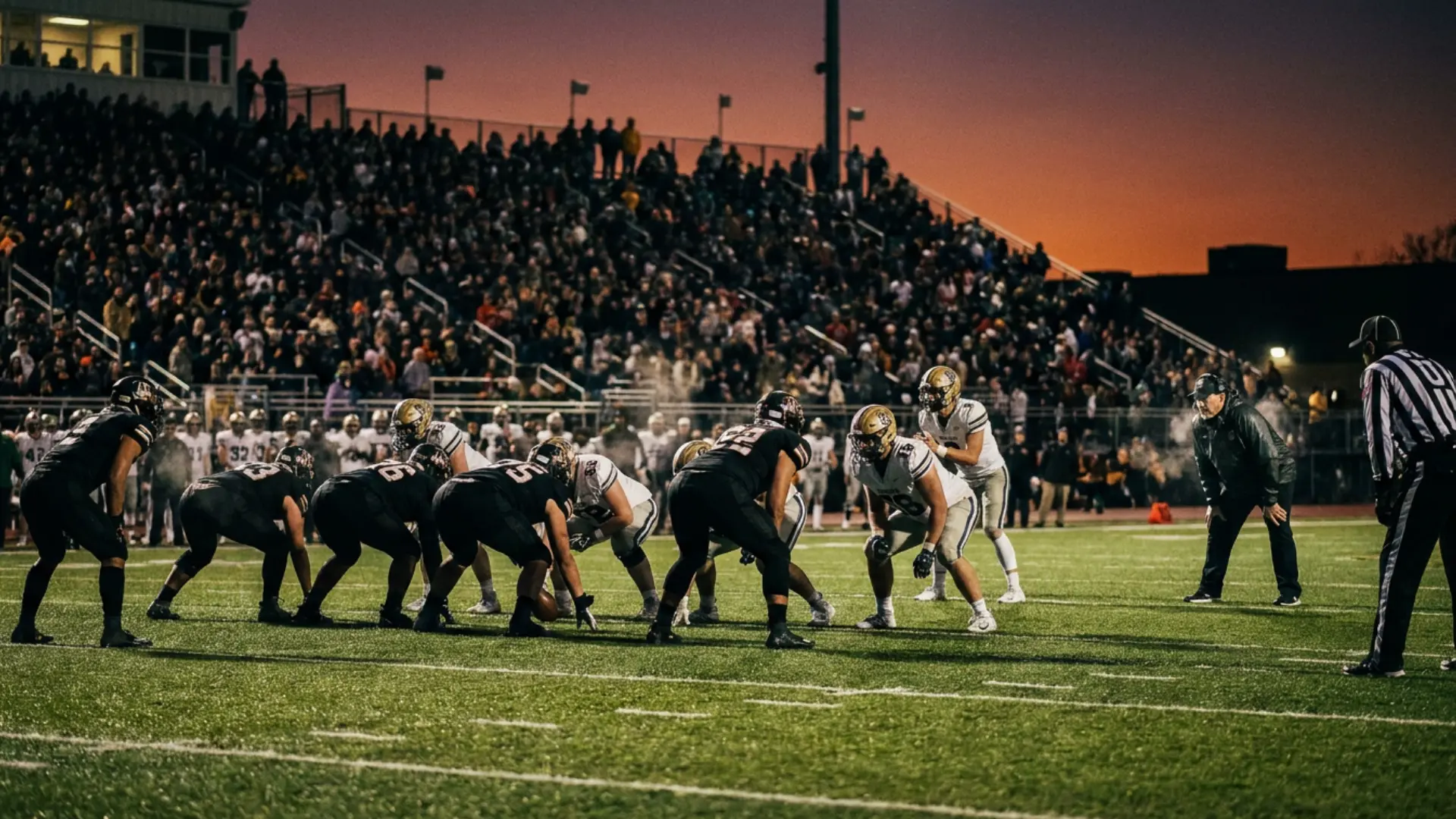



Fantasy football strength of schedule shows how easy or difficult a player’s upcoming matchups look based on the opponents they face.
It’s a useful planning tool, not a magic ranking system, since it works alongside player talent, role, volume, injuries, and team context rather than replacing any of them.
Managers turn to SOS before drafts, during waiver-wire decisions, when comparing trade targets, and again as the fantasy playoffs approach.
Since the NFL announced the 2026 regular season as an 18-week, 272-game schedule, updated matchup data matters more than ever for this season’s analysis.
Quick Answer: Fantasy football strength of schedule measures how favorable a player’s upcoming opponents are for scoring at his position. Use it as a tiebreaker after considering role, volume, talent, and injuries.
What is Fantasy Football Strength of Schedule?
Fantasy football strength of schedule measures how favorable or difficult a team’s upcoming opponents are for fantasy scoring.
It’s broken down by position because a defense can be soft against quarterbacks while shutting down running backs, so one overall grade doesn’t tell the full story.
FantasyPros defines SOS as a comparison of matchup ease based on the fantasy points a team’s opponents allow to each position. This distinction matters most when two players carry similar projections.
For example, if two wide receivers have similar weekly projections, the one facing an easier run of opposing cornerbacks becomes the better start in a close call.
Why Does Fantasy Football Strength of Schedule Matter?
Before using these points, remember that the fantasy football schedule only works when paired with player role, weekly volume, league format, injuries, and team context, so treat it as support, not proof alone.
- Draft Tiebreakers: Use SOS to break ties between players in the same tier.
- Trade Planning: Buy players before their schedule opens up.
- Waiver Adds: Stream players before a soft two- or three-week run.
- Playoff Prep: Check Weeks 15–17 before holding bench players.
- D/ST Streaming: Target weak offenses, backup quarterbacks, and turnover-prone teams.
How is Fantasy Football Strength of Schedule Calculated?
Use this table to quickly compare each SOS method, so readers can understand what the data measures, when it helps, and where it can mislead fantasy decisions during drafts and trades.
| Method | What it Uses | Best for | Weakness |
| Fantasy Points Allowed | Past points allowed by position | Simple position matchups | Can lag behind roster changes |
| Projected Win Totals | Market-based team strength | Full-team schedule view | Not position-specific |
| Defensive Grades | Player/unit quality | Early-season projection | May be paywalled |
| Recent Form | Last 3–5 games | Weekly decisions | Small sample risk |
Fantasy Football Strength of Schedule by Position
Break Strength of Schedule down by position before making any fantasy move, since each spot faces a different matchup. This keeps you from overvaluing a team just because its schedule looks easy.
1. Quarterback SOS

Quarterback SOS depends on pass defense, pressure rate, game script, and opponent scoring ability.
Look at passing yards allowed, passing touchdowns, sack rate, interceptions, and whether the matchup could turn into a shootout. A pocket passer is safer against a weak rush, while a rushing QB can survive tougher defenses.
Named example (sleeper): Titans QB Cam Ward shows how a soft slate can turn a volatile QB2 into a streaming option.
2. Running Back SOS
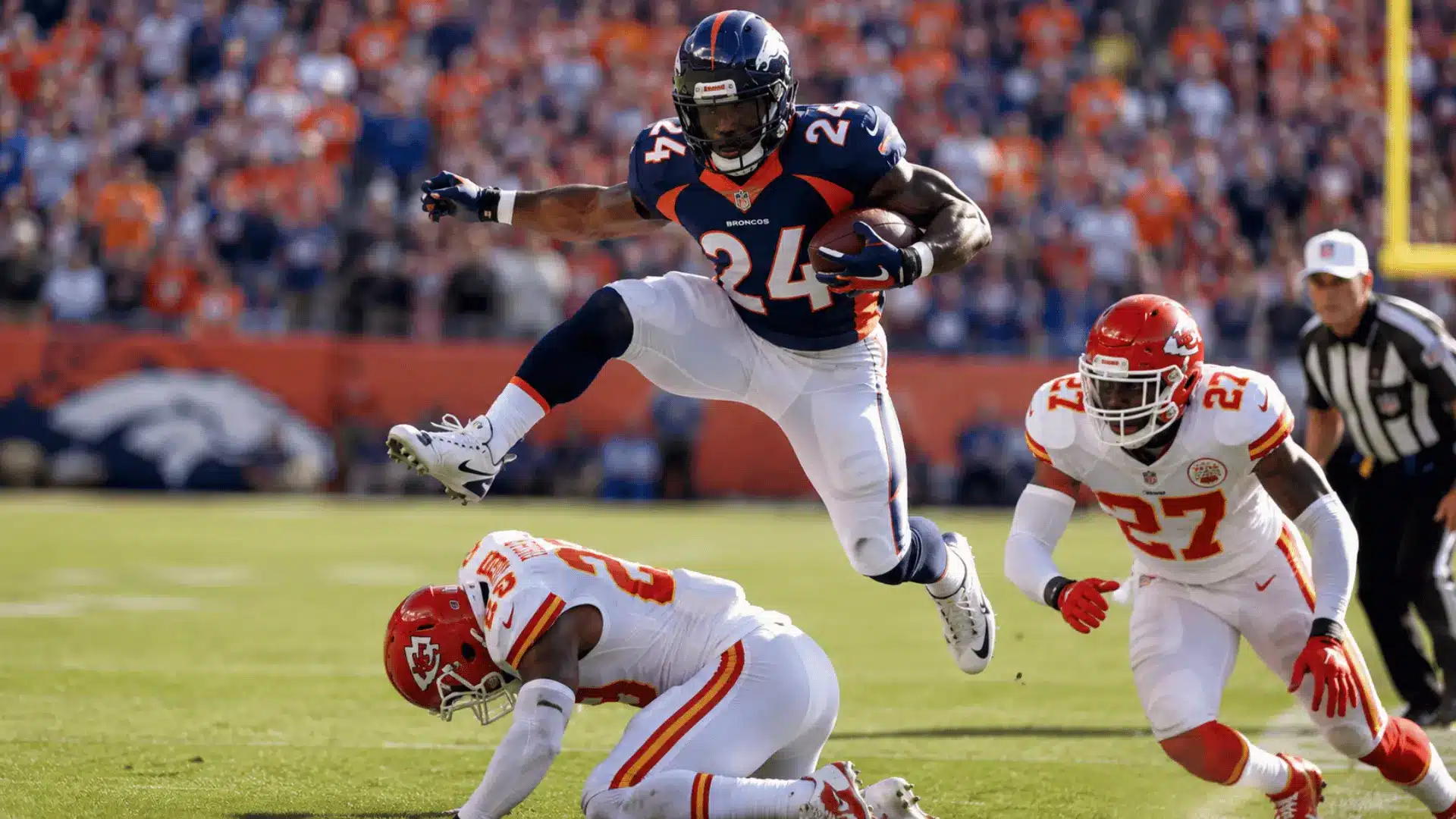
Running back SOS depends on rushing efficiency allowed, goal-line chances, defensive line strength, and game script.
Rushing and receiving matchups should be judged separately because pass-catching backs have more ways to score. A volume back with steady touches can survive tough matchups better than a touchdown-only flex.
Named examples (starter vs. caution): Jahmyr Gibbs gets a boost from Detroit’s friendly run slate, while Ashton Jeanty carries game-script risk with a tougher schedule.
3. Wide Receiver SOS
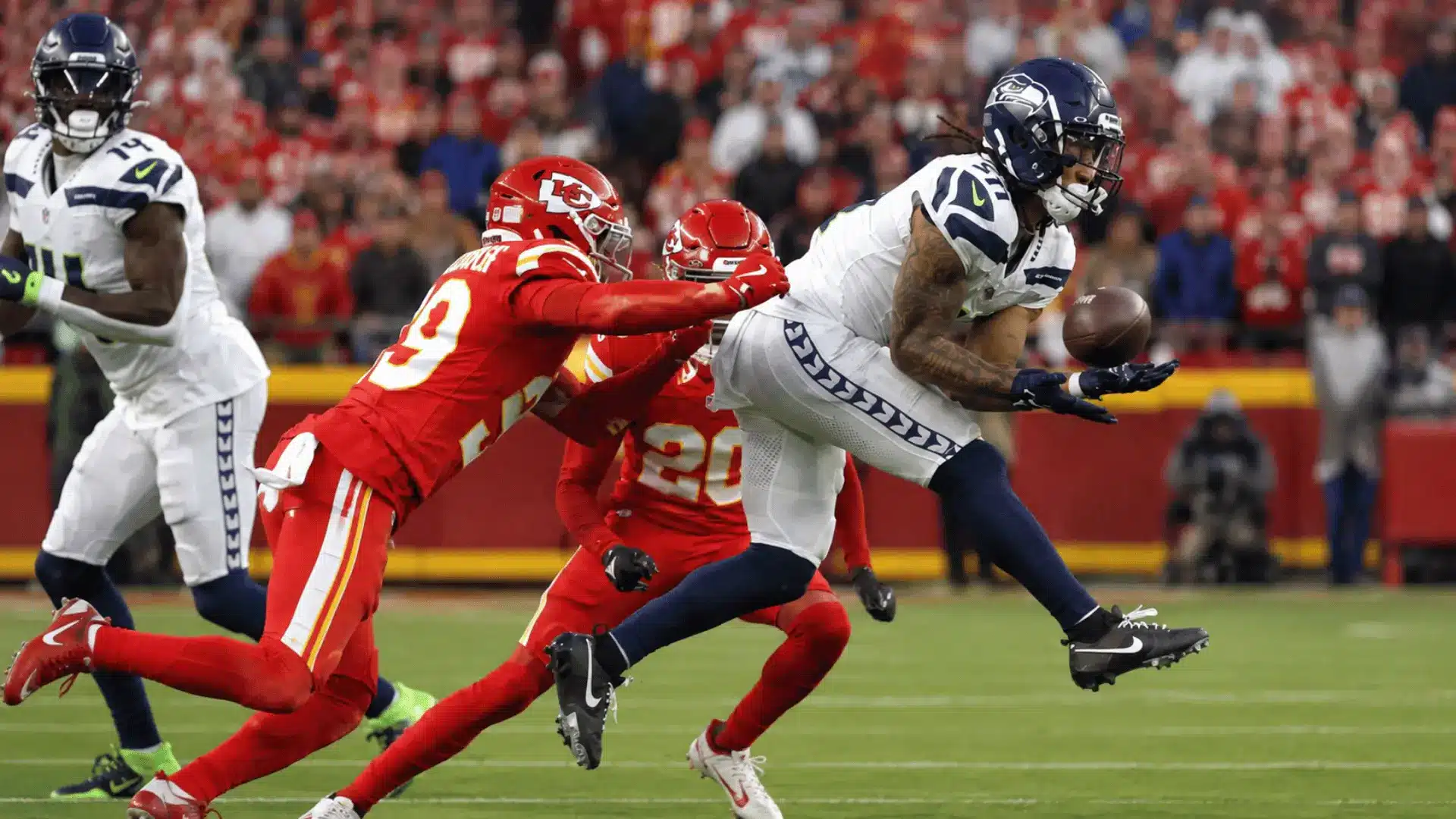
Wide receiver SOS should weigh pass defense, cornerback matchups, target share, and team passing volume.
A WR1 facing tough outside coverage has a different matchup than a slot receiver working against zone. High target volume can beat a hard schedule, but quarterback play still matters.
Named example (with a caveat worth teaching): Justin Jefferson may have an easy receiver slate, but QB uncertainty can still limit his floor.
4. Tight End SOS
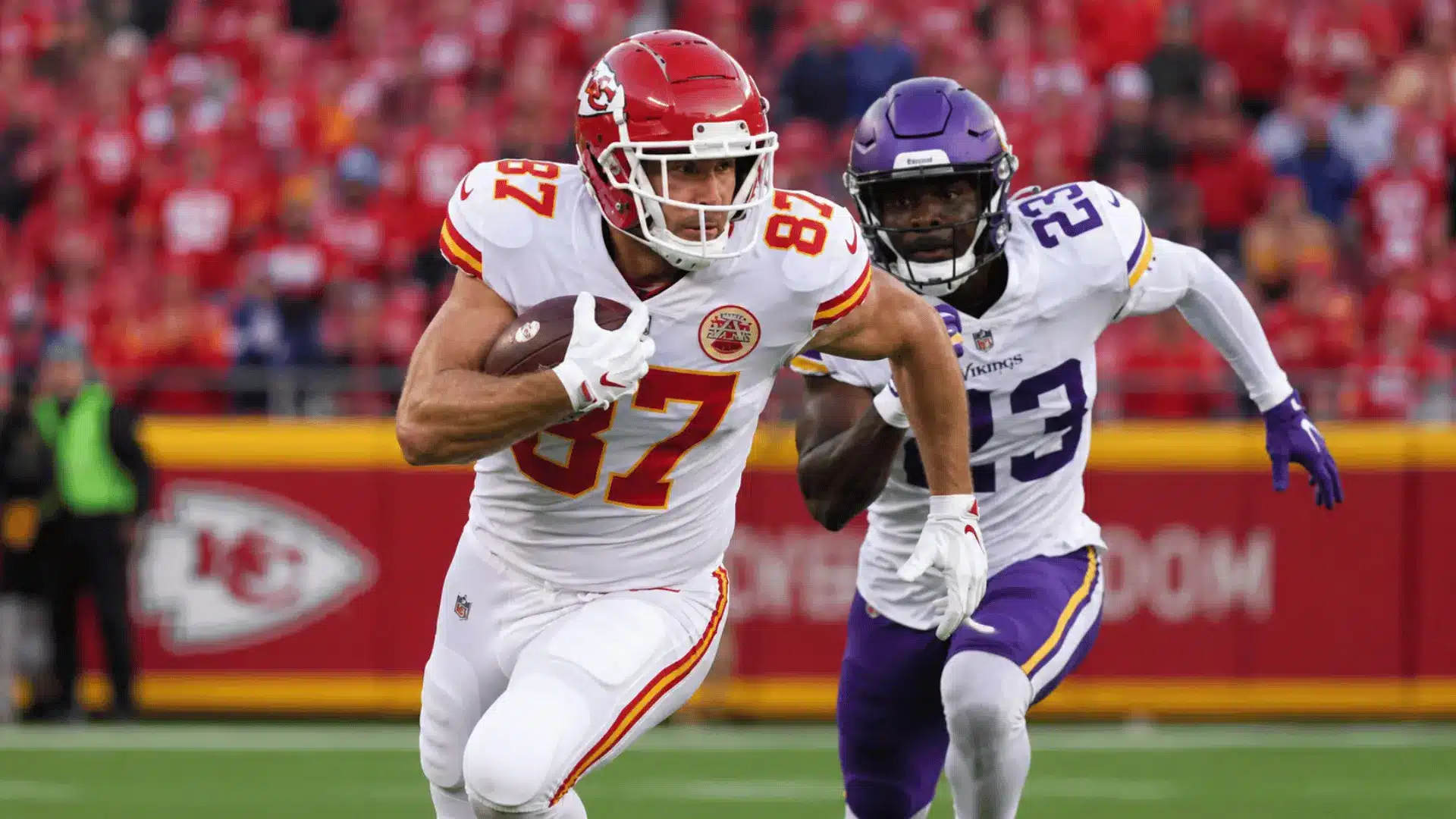
Tight end SOS matters most for streamers and low-volume players. Some defenses allow production over the middle, while others limit tight-end targets and red-zone chances. Targets still matter more than schedule, especially for elite options.
Named example (why elite > schedule): Trey McBride may face one of the harder tight end schedules, but his target role keeps him in lineups. Volume beats matchup for true fantasy starters.
5. D/ST SOS
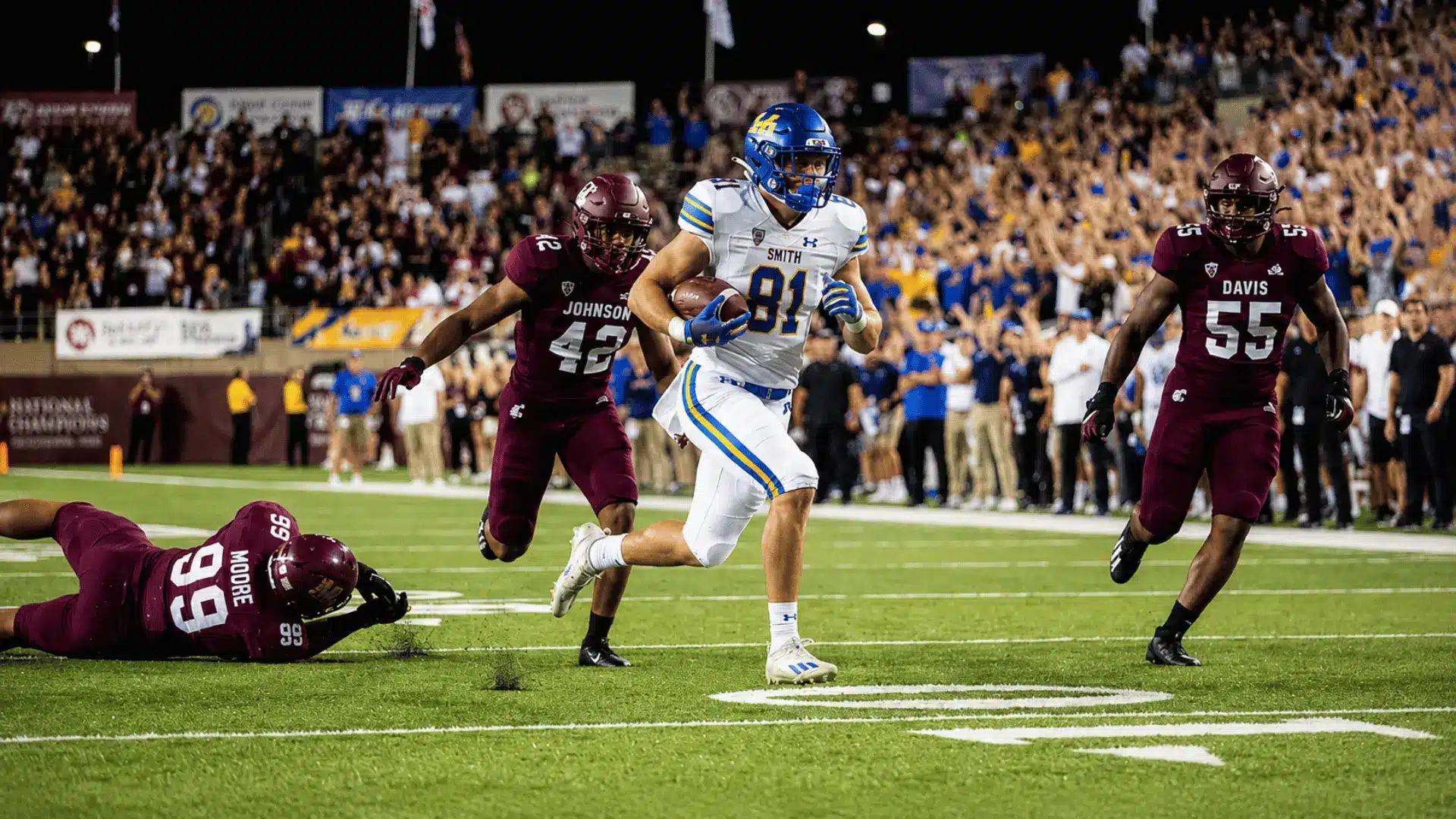
D/ST SOS works best when it focuses on sacks, turnovers, low-scoring offenses, offensive line injuries, and quarterback pressure rather than season-long rank.
This position is built for streaming decisions, so look ahead 1 or 2 weeks rather than the full schedule. Rookie and backup quarterbacks tend to turn the ball over more and take more sacks, making them prime streaming targets.
Avoid relying solely on a full-season D/ST rank, as it can obscure short-term opportunities created by injuries.
Named example: Trey McBride shows why I value role over schedule. Even if he faces one of the harder tight end slates, his steady target volume keeps him in fantasy lineups.
Easiest Fantasy Football Schedules to Target
Easy fantasy schedules are useful because they show where players may have better scoring chances over a stretch of games. They matter most when two players are close in role, talent, and weekly volume.
Before using the table, remember that SOS should support your decision, not make it alone. Start with the player role first, then use Sharp and Athlon data to break close calls.
| Team | Position to Target | Why it Helps | Best Fantasy Use |
| Philadelphia Eagles | QB/WR/TE | Sharp ranks Philadelphia No. 1 for full-season passing SOS, while Athlon ranks the Eagles No. 1 for QB, WR, and TE schedules. | Draft tiebreaker |
| Detroit Lions | RB | Sharp ranks Detroit No. 1 for full-season rushing SOS and No. 1 for playoff rushing SOS. | Draft value or trade target |
| New Orleans Saints | RB | New Orleans ranks No. 2 for RB schedule in Athlon and No. 2 for full-season rushing SOS in Sharp’s model. | Trade target |
| Cleveland Browns | TE/D/ST | Athlon ranks Cleveland No. 2 for the TE schedule and No. 2 for the defensive team schedule. | Streaming value |
| Denver Broncos | D/ST | Athlon ranks Denver No. 1 for the defensive team schedule. | Waiver or late-round target |
One caution on the Eagles: their fantasy playoff schedule is the opposite of their regular season, with the Seahawks, Texans, and 49ers in Weeks 15 to 17. Great for draft-day value, risky if you lean on them in December
Hardest Fantasy Football Schedules to Avoid Overvaluing
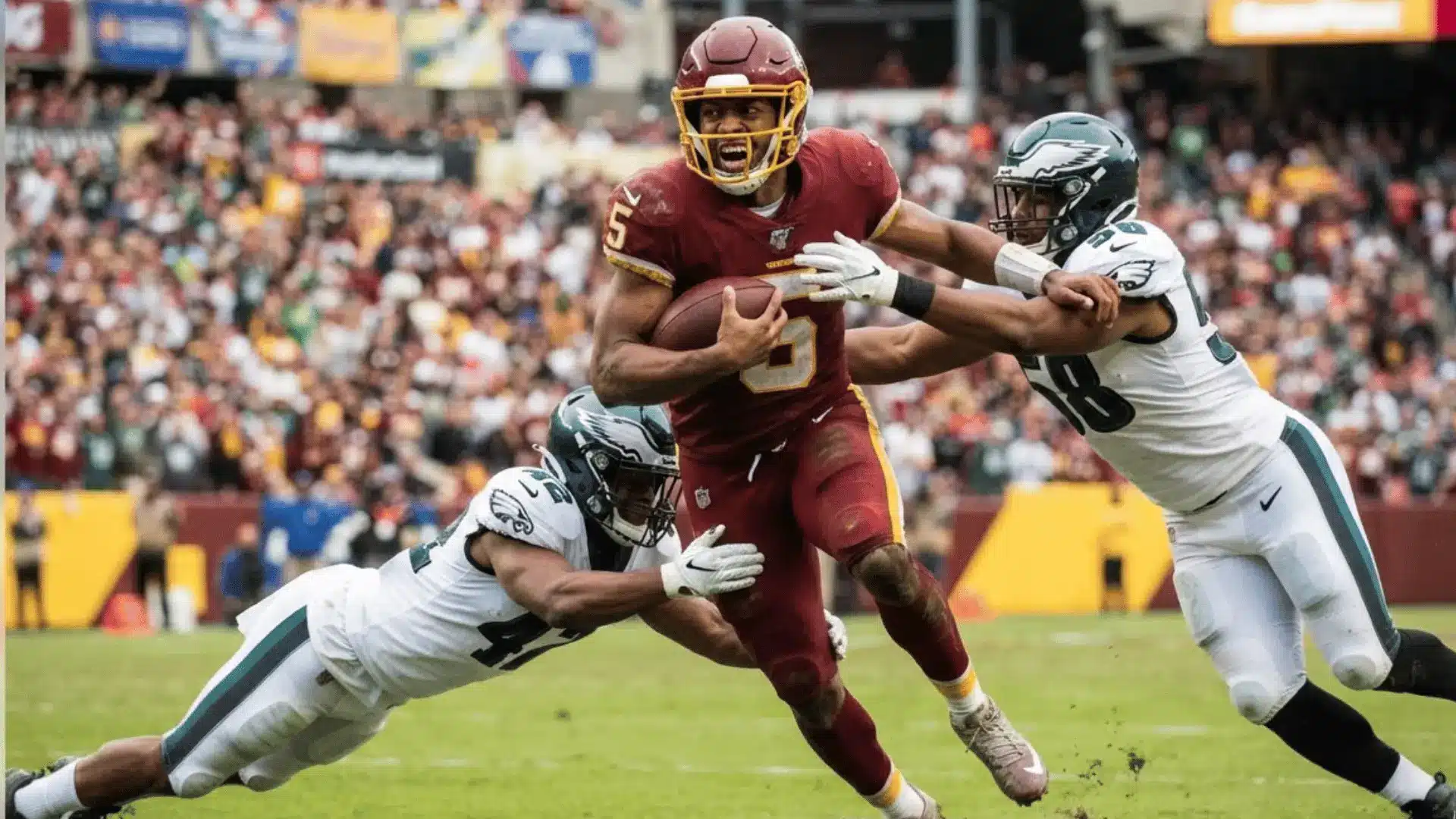
A hard schedule does not mean every player is a fade. Use these teams as caution spots when comparing close options, especially streamers, committee players, and low-volume fantasy starters.
For context, the Chicago Bears drew the league’s toughest overall schedule for 2026, so their skill-position players carry extra matchup risk across the board.
- Quarterbacks: Raiders, Jets, and Bears have tough QB schedules. Do not draft them up unless the role and weekly upside are clear.
- Running Backs: Raiders, Panthers, and Bills face harder RB matchups. Be careful with committee backs or touchdown-only runners. The Panthers, specifically, project for the single hardest running back schedule in 2026, worth knowing before you invest in that backfield
- Wide Receivers: Raiders, Bears, and Jets have tough WR schedules. Check the target share before trusting fringe starters.
- Tight Ends: Buccaneers, Jets, and Bears face harder TE matchups. Stream low-volume tight ends around bad weeks.
- Defenses: Vikings, Giants, and Eagles have tough D/ST schedules. Do not hold a struggling defense too long.
How to Use Strength of Schedule for Fantasy Decisions

Strength of schedule works best when it supports decisions you are already close to. Use it after checking talent, role, volume, ADP, injuries, and team context.
That keeps SOS useful without pushing you toward weaker players.
1. Use SOS as a Draft-Day Tiebreaker
On draft day, SOS should be a tiebreaker, not the main reason you pick a player. A strong player with steady volume can still score against tough defenses.
A weak player will not become safe just because his schedule looks easy. Build your player tiers first. Then use schedule strength to choose between players who already sit close in value.
- Use It In Close Calls: Pick the player with the better early schedule when two options feel even.
- Target Early Openings: Soft Weeks 1-4 can help you start the season strong.
- Trust Volume First: A full-time starter is safer than a part-time player with easy matchups.
- Check Bye Weeks: Avoid stacking too many key starters with the same week off. Byes run Weeks 5 through 14 this year, so map them early.
- Plan Bench Spots: Draft one bench player with a clear path to early-season playing time.
2. Check Upcoming SOS Before Trades and Waivers
SOS can help more during the season than on draft day. Most managers react to last week’s box score, but the schedule lets you look ahead.
In my experience watching waiver activity, this is where the real edge lives: the league reacts to what already happened, so the manager reading two weeks ahead grabs the streamer before the run of soft matchups, not after.
- Buy a WR Early: Trade for a receiver before a run of pass-friendly matchups.
- Stash a Backup RB: Add a handcuff before a weak run-defense stretch.
- Sell High on a TE: Move a touchdown-only tight end before tougher matchups arrive.
- Beat The Wire: Pick up a D/ST one week before the best matchup.
- Check Live SOS Tools: Use FantasyPros or LeagueStation for position-based matchup data.
3. Prioritize Weeks 15–17 for Fantasy Playoff SOS
Fantasy playoff SOS matters most in Weeks 15-17, depending on your league settings. Use it to decide which bench players, handcuffs, streaming quarterbacks, tight ends, and D/ST options are worth holding.
Your best players still start, but your final roster spots should help you win the weeks that matter most.
- Weeks 15 to 17: Hold players with soft playoff matchups and real roles.
- Matchup-Dependent Players: Check SOS for boom-or-bust WRs, TEs, QBs, and D/ST.
- Elite Starters: Do not overthink stars with steady volume.
- Week 14 Byes: Watch players off right before the playoffs. Week 14 is the last bye of the 2026 season, so a bye there lands right at the fantasy-playoff doorstep.
- Week 18 Leagues: Plan for Week 18 only if your league uses it.
Simple Fantasy Football Strength of Schedul Decision Formula
You do not need a spreadsheet to put the strength of schedule to work. A quick mental checklist gets you there. Run each player in the same order every time, and the schedule will stay in its proper place near the end. Here is the formula:
Player Role + Team Offense + Position SOS + Timing + League Format = Better Fantasy Decision
A quick example makes it clear: A wide receiver with a 25 percent target share and a hard schedule is still safer than one with a 12 percent target share and an easy schedule. Volume wins the tie, and schedule only nudges the players who are already close.
Common Fantasy Football Strength of Schedule Mistakes
Fantasy Football Strength of schedule is most useful when paired with role, volume, and fresh matchup data. It becomes risky when you treat it as a guarantee rather than a planning tool.
These common mistakes can make SOS less useful during drafts, trades, waivers, and playoff planning.
| Mistake | Why it Hurts | Better Move |
| Drafting Only by SOS | A soft schedule does not fix a weak role. | Use SOS as a tiebreaker after checking talent, workload, and team offense. |
| Trusting Last Year Too Much | Defenses change quickly due to injuries, coaching shifts, and roster moves. | Recheck updated matchup data during the season. |
| Ignoring Position Splits | Team-level SOS can mislead you. | Check QB, RB, WR, TE, and D/ST matchups separately. |
| Overrating Playoff SOS in August | Too much can change between Weeks 15 and 17. | Recheck playoff matchups again in November. |
| Holding a D/ST too Long | Name value can waste a useful bench spot. | Stream defenses by matchup, sacks, turnovers, and opponent quality. |
Final Thoughts
Fantasy football strength of schedule is a planning tool, not a guarantee. It can help you spot easier slates, harder stretches, sleepers, trade targets, and useful D/ST streamers. Still, SOS should never be the only reason behind a move.
The best fantasy decisions start with role, volume, offensive quality, injuries, league format, and weekly projections. Talent and usage should lead the call. The schedule should help when two players feel close.
Defenses also change during the season, so a soft matchup in August can look very different by November. Before your next draft, trade, or waiver move, compare the player’s role to the upcoming schedule.
Which matters more in your league: finding playoff matchups early or streaming the right weekly starter?
Frequently Asked Questions
Does Strength of Schedule Matter More in Redraft or Dynasty?
SOS matters more in redraft because weekly matchups affect short-term decisions. In dynasty, player age, talent, role, and long-term value matter more.
Can an Easy Schedule Still Produce Bad Fantasy Results?
Yes. A player still needs snaps, touches, targets, and scoring chances. A soft schedule cannot fix a weak role or poor offense.
Should I Use SOS for Kickers too?
Yes, but only as a small tiebreaker. Favor kickers on good offenses in dome games, with stable weather and strong scoring chances.
Is Team Strength of Schedule the Same as Fantasy SOS?
No. Team SOS looks at overall opponent difficulty. Fantasy SOS looks at how opponents defend specific positions, such as QB, RB, WR, TE, or D/ST.
When Should I Stop Trusting Preseason SOS?
Start rechecking after Weeks 4-6. By then, injuries, coaching changes, defensive trends, and offensive roles are easier to judge.