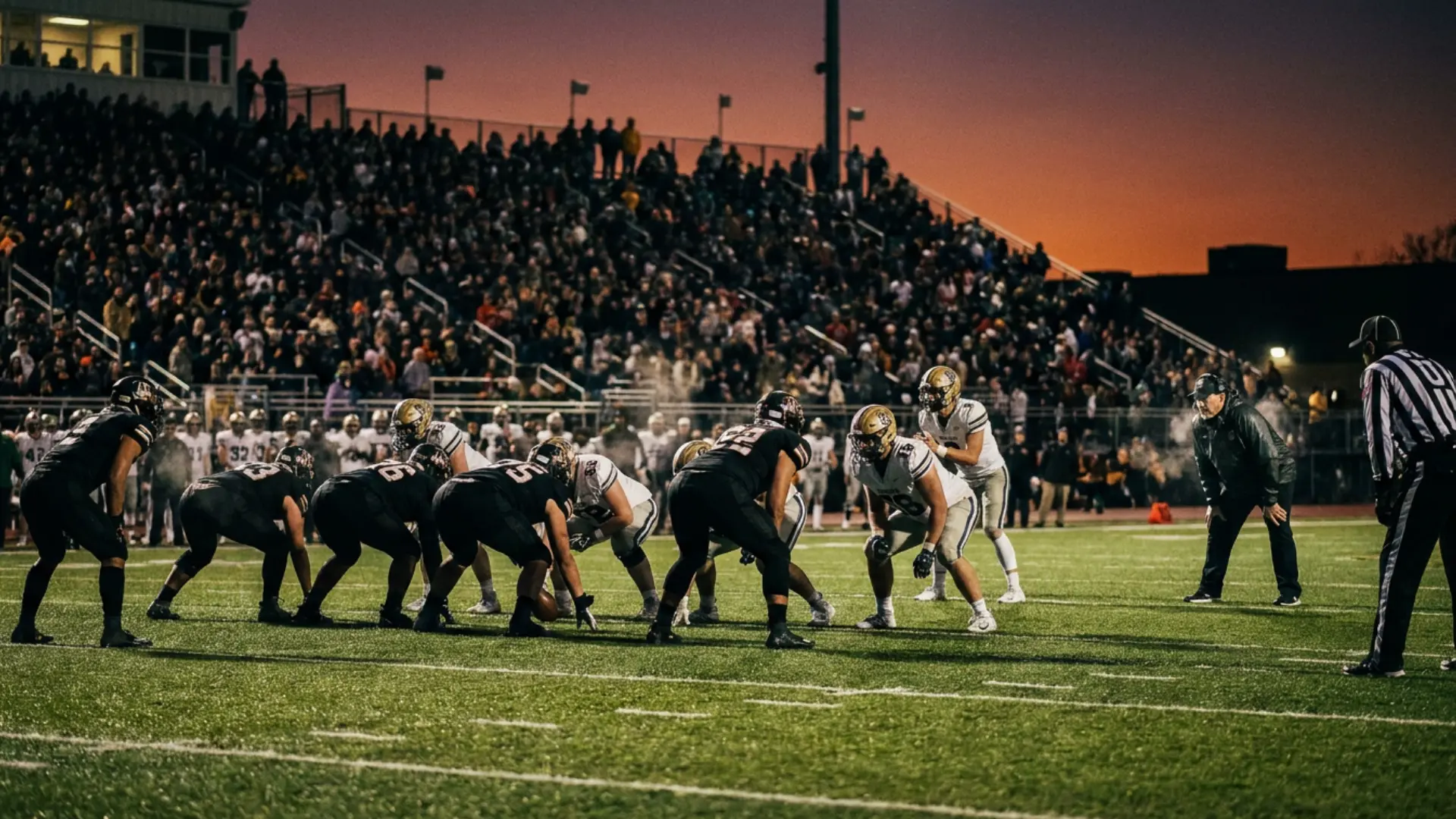



Draft position shapes the first few rounds, but the best slot is not always the earliest one.
The draft position is the numbered spot from which a manager selects players in each round. In a snake draft, the order reverses after every round, so the first manager picks last in Round 2.
The best draft position in fantasy football is not always the earliest slot. An early pick provides access to leading players, a middle pick creates steadier spacing, and a late pick places two opening selections closer together.
For 2026, I rank pick 1.02 as the strongest position in a standard 12-team snake draft.
It secures one of the first two players and provides an earlier Round 2 selection than the 1.01 pick.
In my experience, the full pick sequence matters more than one first-round choice. Managers must consider the available player tiers and how long they will wait before selecting again.
What Is the Best Draft Position in Fantasy Football?
Pick 1.02 is the best fantasy football draft position for a standard 12-team snake league in 2026.
The second position guarantees one of the first two players on your personal draft board. It also removes some of the pressure that comes with deciding between two closely ranked options at 1.01.
After selecting second overall, you return at picks 23 and 26 . That gives you two choices within four selections around the Round 2 and Round 3 turns.
The manager at 1.01 receives picks 24 and 25 , so the difference is small, but 1.02 gets the first chance to select from the remaining second-round group.
My top two players are close enough in value that I would be comfortable drafting either one. That makes pick 1.02 more attractive because I can accept the player left on the board and return one place earlier in Round 2.
In a standard 12-team league, draft positions are grouped into: early picks 1.01–1.04, middle picks 1.05–1.08, and late picks 1.09–1.12 . |
Ranking Every 2026 Fantasy Football Draft Position
This ranking considers access to the leading player tiers, the distance between selections, and the possible combinations across the first three rounds.
| Rank | Draft position | Main reason |
| 1 | 1.02 | Top-two access with an earlier Round 2 pick than 1.01 |
| 2 | 1.06 | Best balance between first-round quality and pick spacing |
| 3 | 1.01 | Complete control over the opening selection |
| 4 | 1.08 | Can secure the final player from a deep opening tier |
| 5 | 1.03 | High-end first pick with close Round 2 and Round 3 selections |
| 6 | 1.07 | Balanced spacing with several possible opening plans |
| 7 | 1.09 | Best late position for pairing early-round value |
| 8 | 1.04 | Strong first-round access with a later second selection |
| 9 | 1.05 | Good spacing, but may land between tier breaks |
| 10 | 1.10 | Useful turn position after several leading players are gone |
| 11 | 1.11 | Close opening picks with limited first-round control |
| 12 | 1.12 | Possible tier loss followed by a long wait until Round 3 |
This order reflects the current 2026 player pool. Injuries, training-camp reports, depth-chart changes, and ADP movement can shift the tier boundaries before most home leagues draft.
Draft position affects your opening choices, but a clear fantasy football draft strategy helps you handle tier breaks and positional runs.
What Are the Early Fantasy Football Draft Positions?

Early fantasy football draft positions are picks 1.01 through 1.04 in a standard 12-team league. These slots provide access to leading first-round players but create longer waits before the next selection.
Here is what each early draft position offers:
1. Pick 1.01 Provides the First Overall Choice
The first position gives managers complete control over their opening selection:
- First Three selections: Picks 1, 24, and 25
- Main Advantage: Access to any player on the board
- Best Situation: One player clearly leads the rankings
- Main Concern: A 22-player wait follows the opening choice
Pick 1.01 works best when there is a clear top-ranked player.
2. Pick 1.02 Provides a Top-Two Player
The second position offers leading talent with a slightly earlier Round 2 choice:
- First three selections: Picks 2, 23, and 26
- Main advantage: One of the top two players is guaranteed
- Best situation: The first two players have similar value
- Main concern: Managers still face a long wait after selecting the second
I rank 1.02 as the strongest overall position for 2026.
3. Pick 1.03 Provides More Round 2 Control
The third position moves slightly away from the opening pick but returns earlier:
- First Three selections: Picks 3, 22, and 27
- Main Advantage: An earlier second-round choice than picks 1.01 and 1.02
- Best Situation: Three players belong in the highest tier
- Main Concern: The leading group may end after two players
Its value depends on the depth of the opening tier.
4. Pick 1.04 Closes the Early Draft Group
The fourth position provides the quickest Round 2 return among the early slots:
- First Three Selections: Picks 4, 21, and 28
- Main Advantage: Earlier access to the second-round player pool
- Best Situation: Four players carry similar first-round value
- Main Concern: The first major tier may end before pick four
Pick 1.04 works well when the opening tier remains deep.
Which Middle Draft Position Is Best?

Middle selections provide the most consistent draft rhythm. Managers can react to positional runs, unexpected selections, and falling players without waiting for the board to pass through the entire league.
Managers who recognize fantasy football sleepers can still find value when their preferred early targets are unavailable.
Among these positions, 1.06 offers the strongest balance, while 1.07 and 1.08 gain value when the opening player tier runs deeper.
1. Pick 1.05 Provides Strong First-Round Access
Here is what managers receive from the fifth draft positions:
- First three selections: Picks 5, 20, and 29
- Main advantage: Greater control over the remaining first-round players
- Best situation: At least five players belong in the highest tier
- Main concern: The pick may fall immediately after a four-player tier
Pick 1.05 is useful when securing the earliest possible first-round player remains the priority.
2. Pick 1.06 Offers the Best Overall Balance
The opening sequence and main benefits of pick 1.06 are:
- First five selections: Picks 6, 19, 30, 43, and 54
- Main advantage: Strong first-round access with manageable gaps
- Longest early wait: Only 12 selections
- Best situation: Six or more players have similar opening-round value
I rank 1.06 second overall because it combines player quality, consistent spacing, and flexibility across the early rounds.
3. Pick 1.07 Gains Value With a Deeper Tier
Here is how pick 1.07 compares with the surrounding middle positions:
- First Three Selections: Picks 7, 18, and 31
- Main Advantage: An earlier Round 2 selection than picks 1.05 and 1.06
- Best Situation: Seven players belong in the opening tier
- Main Concern: The leading group may end before pick seven
This position works best when first-round projections remain close through the seventh player.
4. Pick 1.08 Provides the Earliest Round 2 Selection
The value and limitations of pick 1.08 are:
- First Three Selections: Picks 8, 17, and 32
- Main Advantage: The earliest Round 2 choice among the middle positions
- Best Situation: Eight players carry similar first-round value
- Main Concern: A tier drop occurs before the eighth selection
Pick 1.08 sacrifices first-round control for a quicker return and stronger access to the second-round player pool.
What Are the Late Fantasy Football Draft Positions?

Late draft positions give managers less control over which first-round players remain, but they make it easier to build a planned opening pair.
A manager near the turn might begin with a running back and a wide receiver, two receivers, or two running backs. The right combination depends on the remaining tiers rather than on a fixed positional formula.
1. Pick 1.09 Offers the Best Late-Round Balance
The ninth position combines first-round access with a relatively quick second selection:
- First Three Selections: Picks 9, 16, and 33
- Main Advantage: Strong opening pair without reaching the final Round 1 choices
- Player Options: Lamb, Jefferson, Cook, Jeanty, London, and Achane
- Draft-run Benefit: Positional runs may push another valuable player down
I rank 1.09 as the best late position.
2. Pick 1.10 Brings the Opening Choices Closer
Pick 1.10 provides less first-round control but an earlier return than 1.09:
- First Three Selections: Picks 10, 15, and 34
- Main Advantage: Only four players are selected between the first two choices
- Best Situation: At least ten players belong in the top tiers
- Main Concern: Preferred first-round targets may already be gone
Managers should compare which positions are likely to return at pick 15.
3. Pick 1.11 Supports a Planned Two-Player Start
The eleventh position places the first two selections close to the turn:
- First Three Selections: Picks 11, 14, and 35
- Main Advantage: Only two opposing managers pick before the board returns
- Best Situation: At least 11 players carry similar opening-round value
- Main Concern: Limited control over the first selection
Managers should study what the teams at 1.12 and 1.01 may need.
4. Pick 1.12 Creates Consecutive Opening Choices
The final position allows managers to select twice without another team picking between their choices:
- First Four Selections: Picks 12, 13, 36, and 37
- Main Advantage: Complete control over the opening two-player combination
- Best Situation: At least 12 players belong in the leading tiers
- Main Concern: A 22-player wait follows the second selection
Managers should take the strongest available pair rather than forcing an RB-RB or WR-WR.
Is Pick 1.12 the Worst Draft Position? Pick 1.12 is the most difficult position in my 2026 ranking because 22 players are selected between picks 13 and 36. However, consecutive opening picks still allow managers to secure the two strongest available players without being forced into a fixed positional combination. |
How Do Early, Middle, and Late Draft Positions Differ?
Draft positions are commonly grouped into early, middle, and late slots . Each group changes depending on which managers are selected, how long they wait between turns, and which players may remain available.
Here is the main advantage and concern for each draft area:
| Draft Area | Picks | Main Advantage | Main Concern |
| Early | 1.01–1.04 | Access to leading first-round players | Long waits before the next selection |
| Middle | 1.05–1.08 | Balanced spacing between picks | May fall near the end of a player tier |
| Late | 1.09–1.12 | Two opening selections close together | Top-ranked players may already be selected |
I prefer the latest position that still guarantees someone from my highest tier. If eight players have similar value, 1.08 may be stronger than 1.05 because it provides an earlier Round 2 selection.
Best Draft Position by League Size
The best draft position in fantasy football changes with league size because adding teams creates longer waits between selections.
- 10-team League: I prefer picks 1.02-1.04. With only nine opponents selecting between turns, an early position still gives access to a top player without creating an excessive wait. Pick 1.02 receives selections 2, 19, and 22.
- 12-team League: Pick 1.02 is my preferred position because it gives me one of the first two picks and sets up picks 23 and 26 around the next turn. Pick 1.06 is a strong alternative for managers who prefer steadier spacing.
- 14-team League: I prefer picks 1.06-1.09. Managers near the ends can wait through 26 selections, while a middle slot reduces the risk of losing an entire player tier.
Does Scoring Format Change the Best Draft Position?
The scoring format can change which players belong at the top of your rankings.
Here is how the main formats affect player value:
- Full PPR: Pass-catching running backs and high-target receivers gain value because each reception earns one point. This supports the early rankings of Nacua and Smith-Njigba.
- Half PPR: Receptions still provide value, but rushing production and touchdowns matter more than they do in full PPR.
- Standard or non-PPR: Touchdown-heavy runners gain value because catches receive no bonus. A productive runner can outscore a pass-catching back despite recording fewer touches.
Pick 1.02 remains my top choice because my first four players have similar value across these formats.
The best draft position in fantasy football should therefore be judged against your league’s scoring rules and personal player tiers.
Still, check your league’s settings before drafting. A scoring change can affect which player you prefer at 1.02 or 1.03.
Final Verdict on the Best Draft Position
For a standard 12-team snake league in 2026, pick 1.02 is the best draft position in fantasy football . It guarantees one of the first two players while providing an earlier Round 2 selection than 1.01.
Pick 1.06 is my strongest alternative because its balanced spacing makes it easier to respond as the draft changes.
Pick 1.08 becomes valuable when eight players belong in the opening tier, while 1.09 is my preferred late position for building a strong opening pair.
League size and scoring format can change player order, so check your settings and rankings before selecting a slot. Find where the first major tier ends, then choose the latest position above that drop.
Which draft position would you choose in 2026? Share your pick in the comments.
Frequently Asked Questions
What Is the Best Pick in a 10-Team Fantasy Draft?
Picks 1.02 through 1.04 provide a strong balance by securing an early player without creating the long waits found in larger leagues.
What Is the Best Pick in a 12-Team Fantasy Draft?
Pick 1.02 is my preferred overall position. Pick 1.06 is the strongest alternative for managers who value evenly spaced selections.
Is the First Pick Always the Best Fantasy Draft Position?
No. The first pick gives complete control, but pick 1.02 may offer similar first-round quality with an earlier second-round selection.
Why Is Pick 1.08 Valuable?
Pick 1.08 can secure the last player in an eight-player tier while providing an earlier second-round choice than managers selecting from positions 1 through 7.