


If you are wondering, “What is a running back in football?” it is an offensive position that lines up behind or beside the quarterback.
His main job is to carry the ball on running plays and gain yards for his team. A running back does much more than just run with the ball, though.
He also catches passes out of the backfield and blocks to protect the quarterback on passing downs.
Coaches use different types of running backs, such as halfbacks, tailbacks, fullbacks, and third-down specialists, to fill specific roles on the field.
Understanding what a running back does helps fans follow the game closely and gives new players a clear starting point for learning the position.
What Is a Running Back in Football?
A running back is an offensive player who lines up behind or beside the quarterback before the snap. His main job is to carry the football on running plays and find open space behind the offensive line.
Running backs also catch passes, run routes, and block defenders when the quarterback drops back to throw. Because they handle responsibilities, they must combine speed, vision, balance, strength, and reliable hands.
A running back can help an offense stay balanced by creating yards on the ground and providing an option in the passing game.
Teams may also build parts of their game plan around the position. Learning what a running back is in football makes it easier to understand where the player lines up and how coaches use the position.
Where Does a Running Back Line Up?
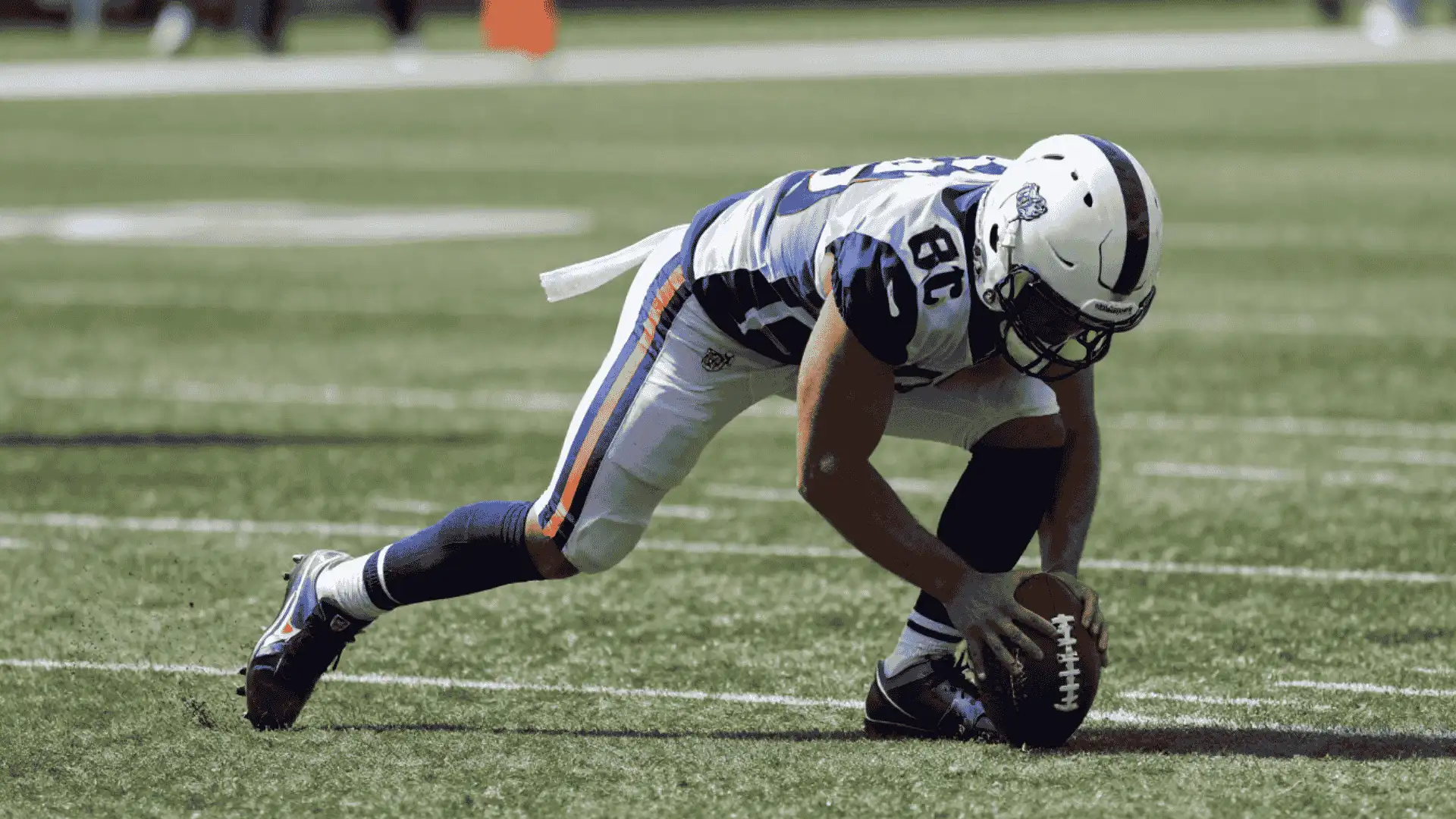
Where a running back stands before the snap tells you a lot about the play that is coming next. Most running backs line up a few steps behind the quarterback, facing the line of scrimmage directly.
Some line up beside the quarterback in shotgun sets, while others stand deeper in formations like the classic I-formation. The spot a back chooses often signals what kind of play is about to happen on that down.
Defenses study this alignment closely, since it can hint at a run or a pass before the ball is even snapped.
That small hint gives smart defenders a real edge on every single play they face during a long, physical game each week of the season. A single wrong step can tip off a sharp defense.
Types of Running Backs Explained
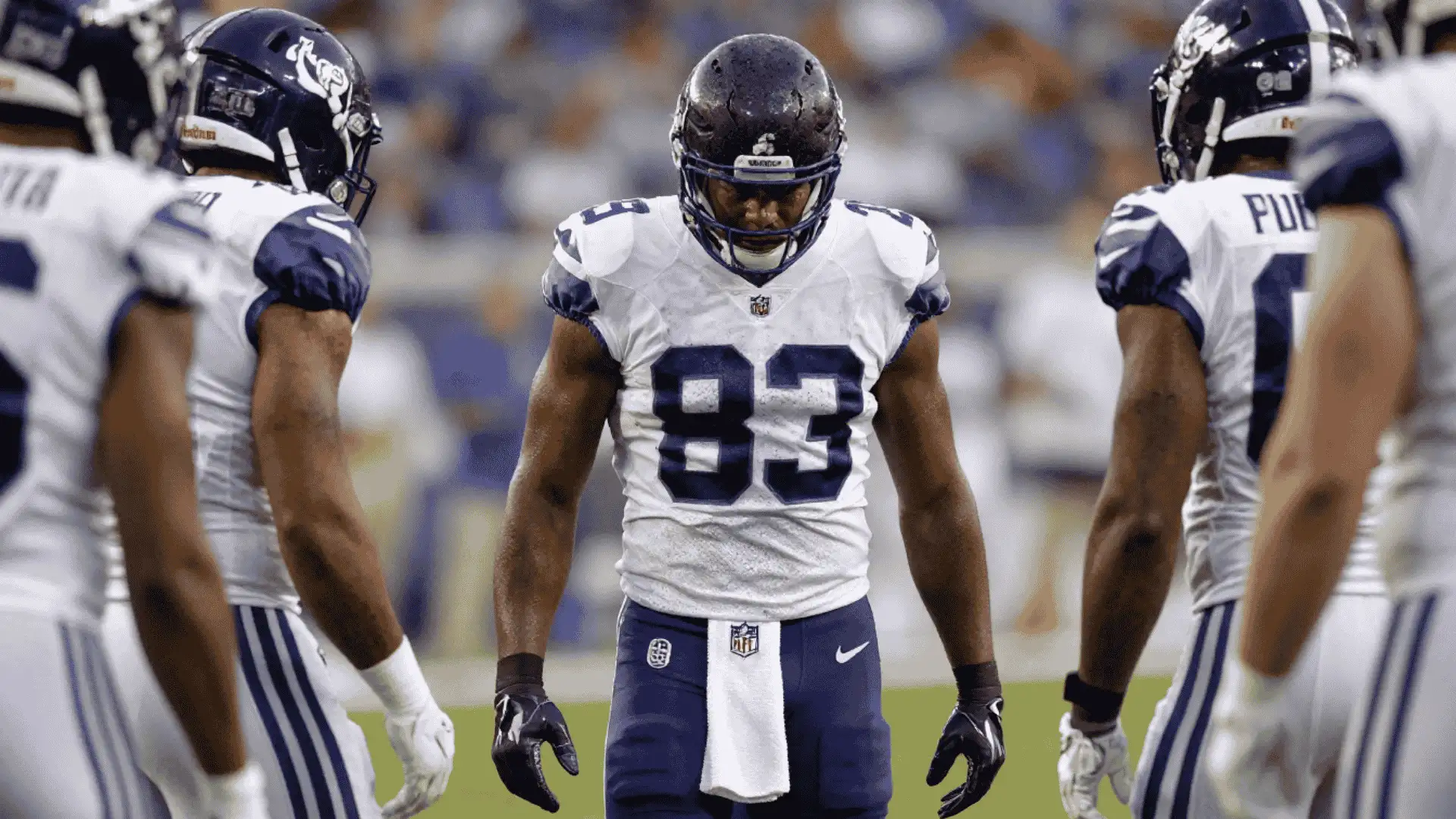
Running backs can be grouped by where they line up and the specific job they perform during a play.
| Category | Running Back Type | Main Role | Typical Alignment or Use | Key Traits |
|---|---|---|---|---|
| Main backfield role | Halfback | Serves as the primary ball carrier and may also catch passes | Usually lines up beside or behind the quarterback | Vision, speed, balance, and receiving ability |
| Main backfield role | Tailback | Runs behind blockers and handles many rushing attempts | Lines up as the deepest back in formations such as the I formation | Patience, acceleration, and open-field movement |
| Main backfield role | Fullback | Blocks for the main runner and supports short yardage plays | Often lines up between the quarterback and tailback | Strength blocking technique and toughness |
| Specialty role | Third down back | Catches passes and protects the quarterback during passing situations | Enters mainly on third downs and obvious passing plays | Reliable hands, quickness, and pass protection |
| Specialty role | Goal line back | Gains difficult yards near the end zone or on short yardage downs | Used when the offense needs only one or two yards | Power balance and strong leg drive |
| Specialty role | Change of pace back | Replaces the lead runner and gives the offense a different running style | Rotates into the game to provide speed or shiftiness | Agility burst and open field ability |
Halfback and running back mean the same thing in today’s game.
“Tailback” mostly survives in I-formation and single-back schemes, where the lead rusher lines up deepest in the backfield behind the fullback; that depth is the actual origin of the halfback/tailback split, not a difference in skill set.
How to Spot a Running Back’s Role During a Game
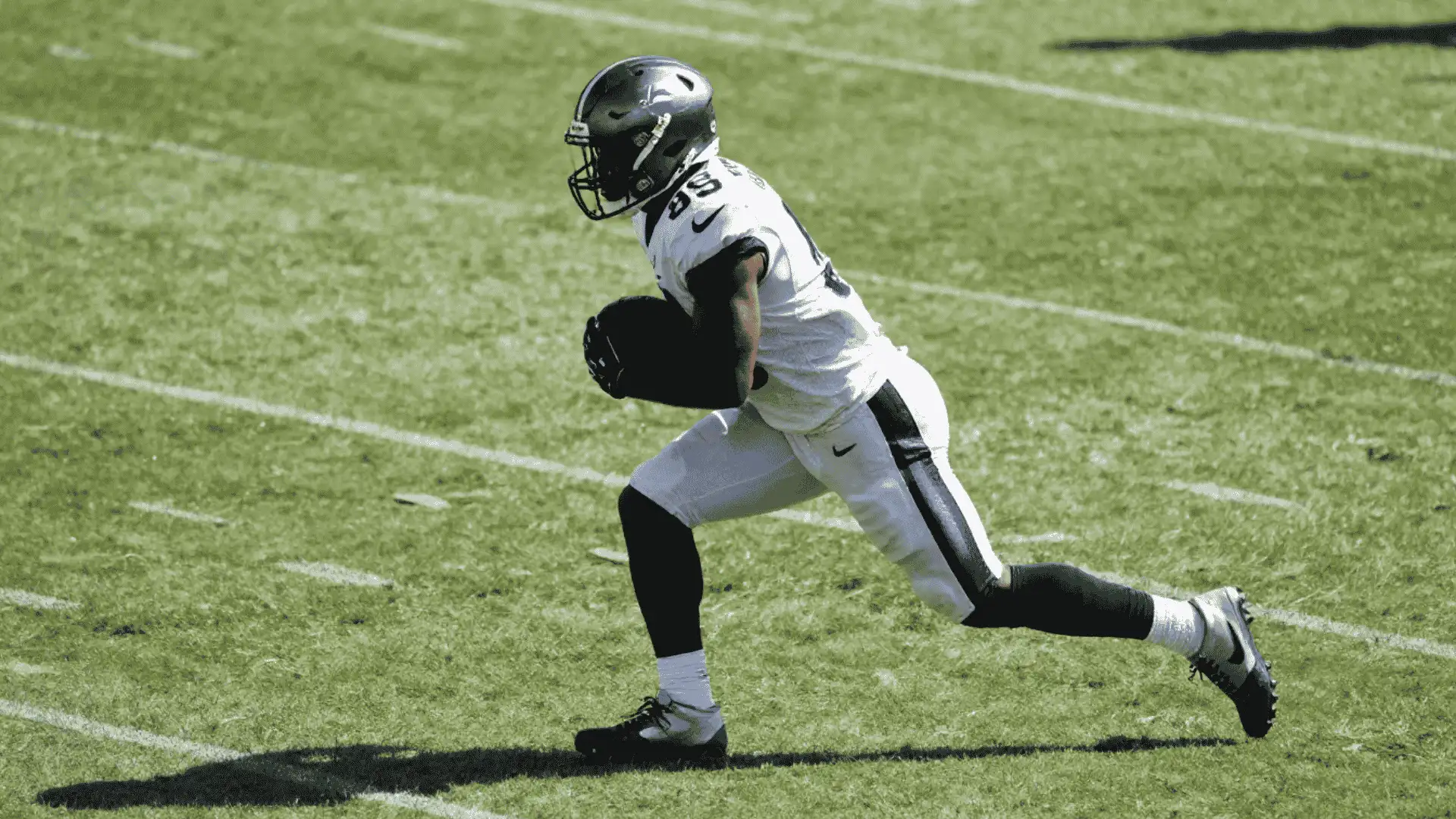
Once you understandwhat a running back is in football, you can start identifying each back’s role by watching their alignment and assignments.
Fans and new viewers can identify a running back’s role by watching a few plays each week closely. Start by looking at where the back lines up before the snap.
His depth, alignment, and position beside the quarterback can offer clues about his assignment.
Next, watch who receives the ball most often on early downs. That player is usually the team’s lead back or primary runner.
Pay attention to who remains on the field during obvious passing situations, as that back may be trusted mainly for pass protection or receiving.
These clues become easier to recognize with practice, even from your couch. Understanding these roles also helps clear up common myths fans often repeat about running backs.
What Does a Running Back in Football Do
A running back contributes as a runner, receiver, and blocker on offensive plays.
- Runs the ball: Takes handoffs from the quarterback, reads the blocks, and looks for open running lanes.
- Protects the football: Maintains a secure grip while moving through contact to reduce the risk of fumbles
- Catches passes: Runs short routes and provides the quarterback with a safe passing option.n
- Creates yards after the catch: Uses speed, balance, and agility to turn short receptions into longer gains
- Blocks for the quarterback: Stays in the backfield to stop blitzing defenders during passing plays
- Supports different situations: Adjusts his role depending on the formation, down distance, and defensive setup
Running backs who perform all three main duties well are more likely to stay on the field during both rushing and passing situations.
How Running Back Roles Have Changed in the NFL
These changes explain why modern teams value versatile running backs who can share carries, catch passes, and protect the quarterback.
| Area | Traditional Approach | Modern Approach |
|---|---|---|
| Workload | One lead back handled most carries | Two or three backs often share the workload |
| Backfield structure | Teams relied on a workhorse runner | Committee backfields use players with different strengths |
| Receiving role | Catching passes was a secondary duty | Receiving ability can determine playing time |
| Player health | Lead backs absorbed heavy contact each week | Rotations help reduce fatigue and repeated hits |
| Skill demands | Running between the tackles was the main focus | Backs must catch passes and protect the quarterback |
| Draft approach | Top running backs were often selected early | Teams may wait longer and build depth with several players |
| Player development | Young backs trained mainly as runners | Coaches prepare backs for rushing, receiving, and blocking roles |
These changes help teams manage player health while creating more options for both running and passing plays.
Skills Every Running Back Needs
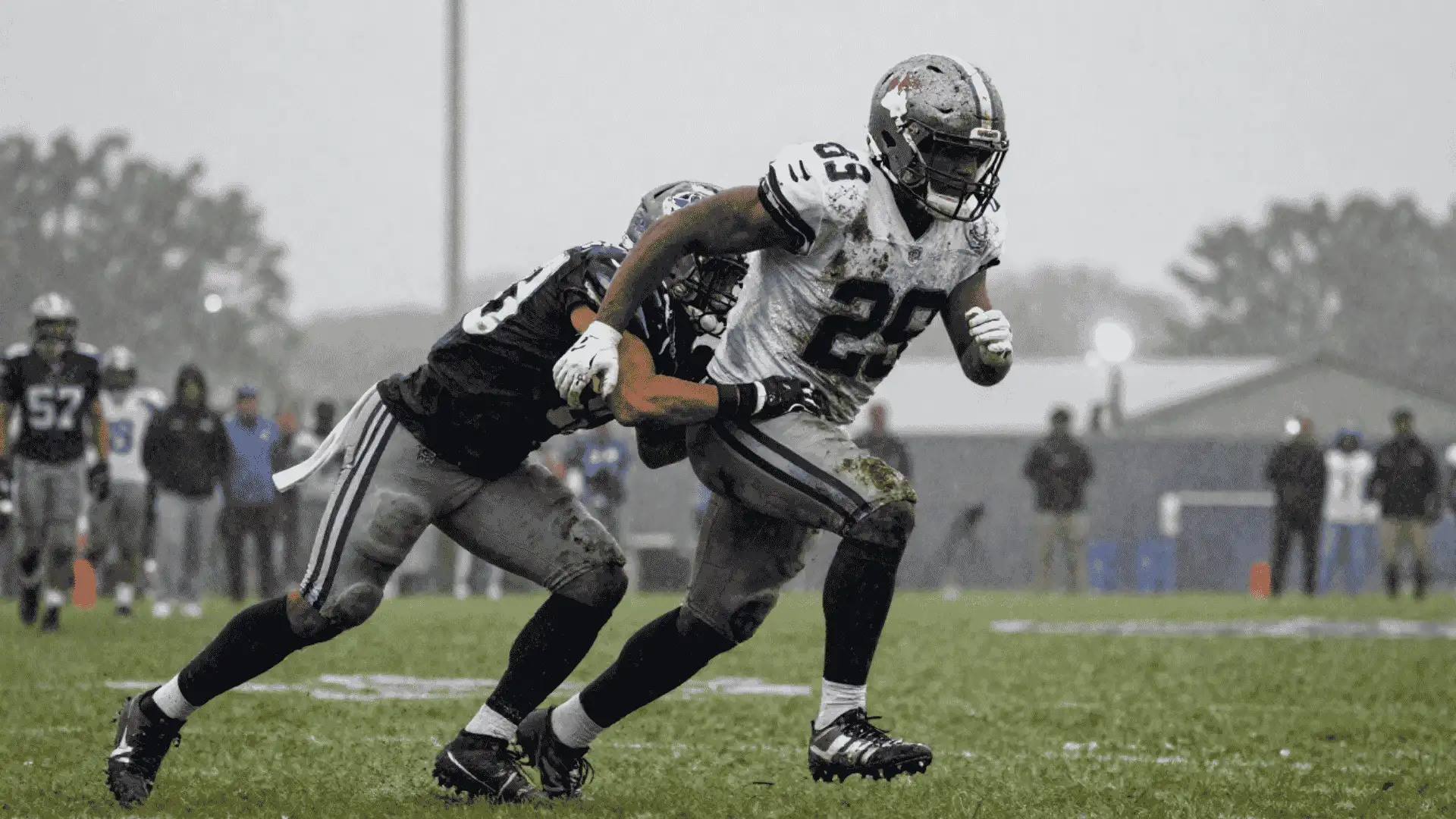
Developing these skills helps a running back contribute on rushing, passing, and blocking plays throughout the game.
- Vision: Reads blockers and identifies the best running lane as the defense shifts
- Speed: Reaches open space quickly and creates separation from defenders
- Balance: Stays upright after contact and keeps moving through tackles
- Agility: Changes direction smoothly without losing control or momentum
- Ball security: Protects the football while running through crowded areas
- Receiving ability: Catches passes reliably and adds value on passing downs
- Pass protection: Blocks blitzing defenders and helps keep the quarterback safe
Running backs who develop all these skills usually offer more long-term value than players who depend on only one physical strength.
Running Back Roster Numbers Every Fan Should Know
A standard NFL roster carries 53 active players, and teams usually keep about four or five running backs.
This group may include a lead back, change-of-pace runner, pass-catching specialist, and sometimes a fullback for power packages.
Teams can add or release backs throughout the season based on injuries, matchups, and performance.
Understanding this roster structure helps explain why running back committees are common, as teams often prefer keeping several players healthy rather than relying on one back every week.
College teams typically carry a similar mix, although roster limits can vary by program and competition level. Practice squads provide additional depth during the season.
These numbers help explain shared carries and lead into the traits that make running backs valuable.
Greatest Running Backs in NFL History
The NFL has produced many outstanding running backs, but these six stand out for their remarkable talent, dominance, and lasting impact on the game:
- Jim Brown: A powerful and dominant runner widely regarded as one of the greatest running backs ever.
- Walter Payton: Known as “Sweetness,” Payton combined power, speed, toughness, and excellent receiving ability.
- Barry Sanders: Famous for his incredible elusiveness, quick cuts, and ability to make defenders miss.
- Emmitt Smith: The NFL’s all-time leading rusher, known for his consistency, vision, and durability.
- LaDainian Tomlinson: A versatile star who excelled as both a runner and receiver while scoring touchdowns at an elite rate.
- Adrian Peterson: A powerful and explosive runner who became one of the most dominant backs of his generation.
Common Running Back Misconceptions
Clearing up these misconceptions helps fans understand how running backs contribute as runners, receivers, and blockers in different offensive situations.
| Misconception | What Is Actually True |
|---|---|
| Halfback and tailback always describe different players | In modern football,l these terms often overlap and may refer to the same running back |
| Running backs only run the football | They also catch passes, block defenders, and support the quarterback in passing situations. |
| Every team depends on one feature back. | Many teams divide carries and responsibilities among two or three running backs. |
| Running back roles are easy to identify. | Alignment, down-distance formation, and substitutions often reveal what each back is expected to do. |
Conclusion
The simplest answer to “what is a running back in football?” is a versatile offensive player who contributes as a runner, receiver, and blocker.
A running back carries the ball, catches passes, and blocks for the quarterback, making him one of football’s most versatile players on the field.
Roles like halfback, tailback, and fullback describe where a back lines up and which job he handles most on a given play during a game.
Specialty backs, including third-down and goal-line backs, show how coaches match specific players to specific game situations throughout a season.
The position keeps changing as NFL offenses pass more often and share carries among several skilled backs each week.
Want to understand more about the strategy behind every offensive snap this season? Check out our other football guides and learn how each position fits into a winning game plan on Sunday.
Frequently Asked Questions
Why Do Some Teams Use Two Starting Running Backs Instead of One?
Sharing keeps both backs fresher over a long season and lets coaches match each player’s strength to the right situation, such as short yardage or open space.
How Long Does a Typical Running Back Career Last?
Running back careers tend to be shorter than those at many other positions because of frequent contact. Many backs have their most productive seasons early in their careers.
Do High School Teams Use the Same Running Back Roles as the NFL?
High school teams often use simpler labels and fewer specialty roles. Coaches still value the same core skills of running, catching, and blocking at every level.
Why Do Some Running Backs Wear Padding on Their Arms or Hands?
Extra padding helps protect against the repeated contact running backs absorb on many plays and may reduce bruises and minor injuries during the season.
Why Do Some Offenses Barely Use a Running Back at All?
Some offenses rely heavily on passing and spread formations, which can limit rushing attempts. The running back may still block, catch passes, and run routes frequently.