



One loose football can flip an entire game in seconds. A team can be close to scoring, only to watch the ball roll into the end zone and lose both the touchdown and possession.
It is one of football’s most surprising moments, often leaving fans, players, and broadcasters debating what just happened.
End zone football plays follow some of the sport’s trickiest rules because they decide points, possession, and momentum all at once.
The outcome depends on where the ball comes loose, who recovers it, and whether it stays in bounds. Get ready to see the end zone in a whole new way.
What Makes the End Zone a High-Stakes Area in Football
The end zone is where every yard matters most. An offense is just steps away from scoring, while the defense has one last chance to stop the drive.
That is why plays near the goal line often carry more pressure than anywhere else on the field.
A small mistake, especially a fumble, can completely change the outcome.
Instead of celebrating a touchdown, the offense could lose possession or even give up points, depending on where the ball ends up.
The NFL’s Official Playing Rules include specific end zone rules because these plays directly affect both scoring and possession.
That unique combination makes the end zone one of the most important and closely watched areas in football.
Basic Scoring Rules Involving the End Zone
Before looking at end zone fumbles, here’s a quick refresher on the four rules that matter most near the goal line.
| Rule | What It Means | Result |
|---|---|---|
| Touchdown | A player in possession of the ball breaks the plane of the opponent’s goal line. | 6 points for the offense, followed by a try for 1 or 2 points. |
| Safety | The offense is downed, commits certain fouls, or loses the ball out of bounds in its own end zone. | 2 points for the defense, which also receives the ensuing free kick. |
| Touchback | The ball becomes dead in a team’s own end zone under specific situations, such as a fumble out of the opponent’s end zone. | The receiving team starts its next drive at the 20-yard line after a scrimmage touchback (or the 30-yard line on most kickoffs in the NFL). |
| Ball Crossing the Goal Line | The ball must break the plane of the goal line while the player still has possession. If control is lost first, the outcome changes. | Can result in a touchdown, fumble, touchback, or safety, depending on where and how the ball becomes loose. |
What Happens When a Player Fumbles the Ball in the End Zone?
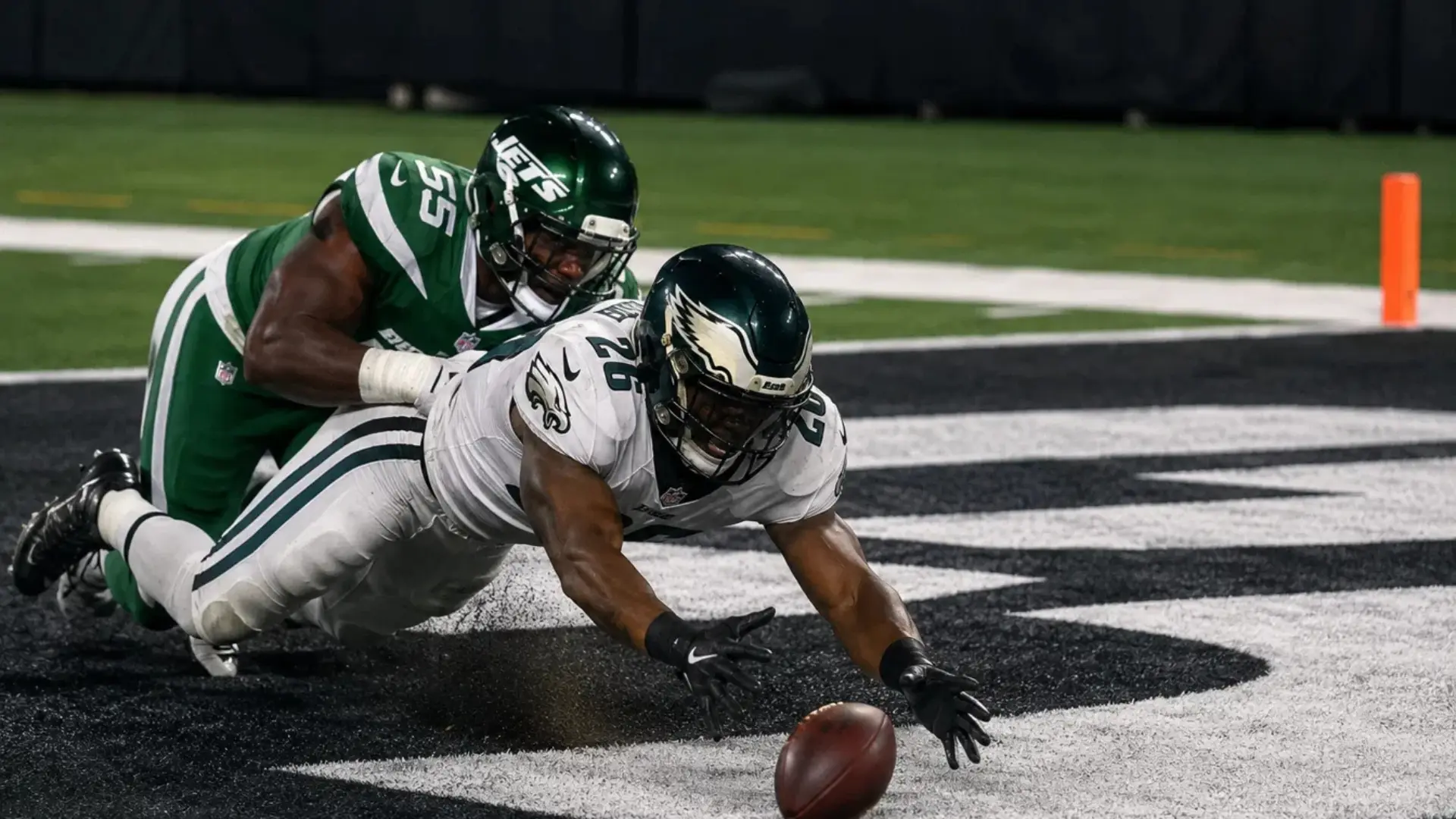
The outcome of an end zone fumble depends on three things: where the ball comes loose, who recovers it, and if it stays in bounds. Here’s how the most common situations are ruled:
Offensive Player Fumbles Into the Opponent’s End Zone
A runner may stretch for the goal line but lose control before completing the play. In that case, the result depends on what happens next.
| Situation | Outcome |
|---|---|
| Offense recovers the loose ball in the opponent’s end zone | Touchdown |
| Defense recovers the loose ball in the end zone | Touchback; defense takes possession |
| The ball goes out of bounds through the opponent’s end zone | Touchback; defense takes possession at the 20-yard line (NFL) |
The offense only scores if it regains possession before the play ends.
Offensive Player Fumbles in their Own End Zone
A fumble in the offense’s own end zone can quickly turn into points for the other team. The ruling depends on where the loose ball finishes.
- Defense recovers in the end zone: Touchdown for the defense (6 points).
- Ball goes out of bounds in the offense’s own end zone: Safety (2 points for the defense).
- Offense recovers before the play ends: The offense keeps possession, and the ball is spotted according to the recovery and applicable rules.
Protecting the football is especially important this close to your own goal line.
Defensive Player Causes a Fumble in the End Zone
A defender does not have to recover the ball personally for the play to matter. Simply forcing the fumble can change the entire result if the loose ball ends up in the end zone.
- If the offense recovers in the opponent’s end zone, it scores a touchdown.
- If the defense recovers in its own end zone, it earns a touchback and starts a new possession.
- If the ball goes out of bounds in the opponent’s end zone after an offensive fumble, it is ruled a touchback.
One forced fumble near the goal line can erase a scoring chance and give the defense the ball instead.
These outcomes may seem harsh at first, but they all follow one basic principle: possession at the end of the play determines who scores, who keeps the ball, and where the next drive begins.
The “Fumble Into the End Zone” Rule Explained
This is one of football’s most debated rules because the result can change with a single bounce of the ball.
In both the NFL and NCAA, a loose ball in the end zone remains live until the play ends or an official rules it dead.
What matters most is who finishes the play with possession. If the offense recovers in the opponent’s end zone, it scores a touchdown.
If the defense recovers or an offensive fumble goes out of bounds through the opponent’s end zone, possession changes.
That is why players are taught to protect the ball rather than reach forward unless they are sure they can maintain control.
What is a Touchback in End Zone Fumble Situations?
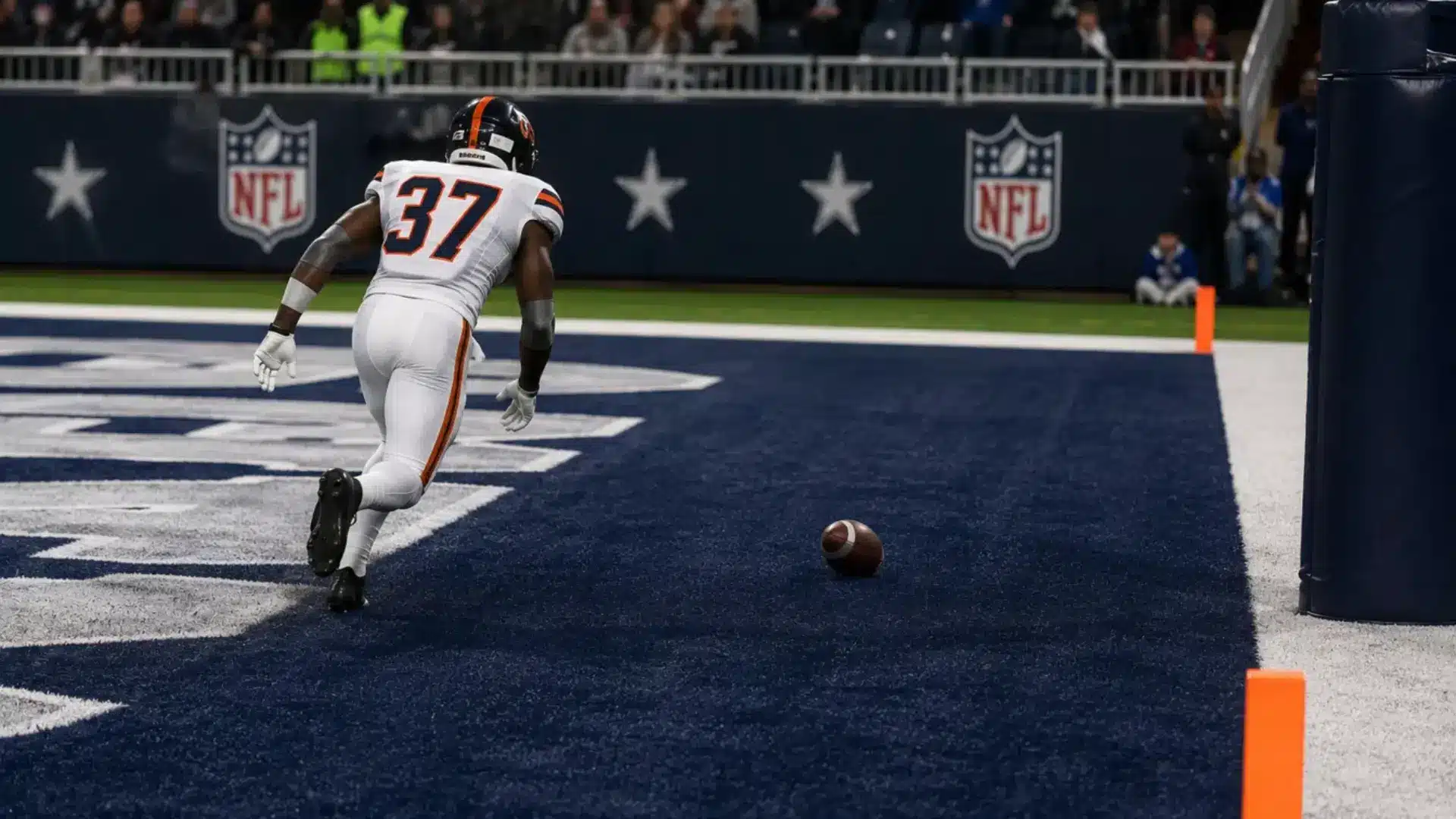
A touchback can be frustrating for the offense because a play that looked like a touchdown ends with the other team taking over. Here’s how the rule works.
| Situation | What Happens |
|---|---|
| What Is a Touchback? | A touchback awards possession to the defense when an offensive fumble becomes dead in the opponent’s end zone under specific conditions. |
| Ball Placement (NFL) | After an end zone fumble touchback, the defense begins its next offensive drive at the 20-yard line. |
| End Zone Fumble vs. Kickoff Touchback | A fumble touchback happens when the offense loses the ball into the opponent’s end zone. A kickoff touchback occurs when a kickoff lands in or travels through the receiving team’s end zone. |
| Why the Offense Loses Possession | If the offense fumbles the ball into the opponent’s end zone and it goes out of bounds, the defense is rewarded with possession. The rule encourages ball security near the goal line instead of risky reaches for extra yards. |
Safety and Touchdown: End Zone Fumble Outcomes
A fumble near the goal line does not always end the same way. Where the ball comes loose changes everything about the outcome. If the offense loses the ball in its own end zone, the defense can score a safety.
That play alone gives the defense 2 points on the spot. If the offense fumbles into the other team’s end zone, the outcome looks different.
The offense can lose the ball without handing over any points. Sometimes the ball goes out of bounds, and the defense gets a touchback. Other times, the offense recovers its own fumble and still scores a touchdown.
Everything depends on where the ball dies and who controls it.
NFL vs. NCAA End Zone Fumble Rules
If you watch both NFL and college football, you’ve probably noticed that similar fumble plays can end with different rulings.
The biggest differences come down to recovery rules and how each rulebook treats loose balls.
NFL Rule: Possession Decides the Outcome
In the NFL, possession at the end of the play is the biggest factor.
If the offense fumbles into the opponent’s end zone and the defense recovers or the ball goes out of bounds there, the defense gets a touchback.
If the offense recovers in the end zone, it scores a touchdown. The rule rewards the team that finishes the play with the football.
NCAA Rule: Forward Fumbles Have Extra Limits
College football follows many of the same end zone rules, but it places extra limits on forward fumble recoveries.
On fourth down or during a try, only the player who fumbled can recover and advance the ball.
If a teammate recovers instead, the ball is returned to the spot of the fumble. This prevents offenses from gaining an advantage through accidental forward fumbles.
Common End Zone Fumble Scenarios
These are the end zone plays that create the most confusion. While each one looks different on the field, the final ruling always comes down to where the ball ends up and which team finishes the play with possession:
| Scenario | What Happens | Ruling |
|---|---|---|
| Running Back Fumbles at Goal Line | The ball comes loose before breaking the plane. | Offense recovers in end zone: touchdown. Defense recovers or ball exits end zone: touchback. |
| QB Sack Fumble in End Zone | QB is hit and loses the ball in his own end zone. | Defense recovers: touchdown. Ball exits end zone: safety. |
| Kickoff Return Fumble | The ball comes loose in the end zone during a return. | Touchback, safety, or return team keeps ball, depending on the play. |
| Pylon-Related Fumble | Ball touches or passes outside the pylon before the goal line. | Ruled out of bounds: touchback, defense gets possession. |
The pylon and end zone boundary lines decide more scoring plays than most fans realize. Knowing these rulings ahead of time makes confusing replay situations much easier to follow.
Famous End Zone Fumble Plays in Football History
Some end zone fumbles are remembered for years because they changed games, seasons, and even NFL rules.
One of the most famous is the “Holy Roller” play in 1978, when the Raiders intentionally advanced a loose ball to score in the final seconds.
The controversy led the NFL to change its fumble rules.
More recently, Derek Carr’s goal-line fumble against the Cowboys in 2017 reignited debate after the ball rolled out of the opponent’s end zone, resulting in a touchback.
Plays like these show why officials carefully review end zone fumbles and why every close call continues to spark discussion among fans, players, coaches, and rules analysts.
How Officials Decide End Zone Fumble Calls
Officials do not rely on a single angle when ruling on an end zone fumble. Here’s what they check before making the final call:
- Instant Replay Review: Every scoring play and turnover is automatically reviewed to confirm the ruling or correct any obvious mistakes.
- Possession at the Time of the Fumble: Officials verify that the player had clear control before losing the ball and identify the exact point where possession ended.
- Goal Line and Pylon Cameras: Multiple camera angles help determine whether the ball crossed the goal line, stayed in bounds, or went out through the end zone.
- Referee Judgment: If video evidence is clear, the ruling may be changed. If there isn’t enough evidence to overturn the original decision, the call on the field stands.
These checks work together rather than in isolation, which is why officials can take extra time on close plays. The goal is always to get the ruling right, even if it means a longer delay.
Final Thoughts
End zone football can change a game in one play, but the rules get easier to follow once you know what officials look for.
The outcome always depends on where the ball comes loose, who gains possession, and where the play ends. That is why two similar-looking plays can lead to completely different results.
The next time you see a goal-line fumble, you’ll know why it was ruled a touchdown, touchback, or safety instead of relying on the broadcast explanation. Football is full of close calls and split-second decisions.
Drop a comment with another NFL rule you want explained. Your question might help another fan understand the game a little better, too.
Frequently Asked Questions
Can Instant Replay Create a Touchback?
No. Replay cannot create a new outcome. It only confirms or corrects the original ruling using clear video evidence from all available camera angles.
Does The Goal Post Count as the Goal Line?
No. The goal line extends across the entire field, while the goal posts sit beyond the end line and are not part of the scoring plane.
Can an End Zone Fumble be Challenged By Coaches?
Yes. Coaches may challenge eligible end zone fumble rulings if they have a challenge available and the play is not already subject to automatic replay review.
Does the Pylon Count as in Bounds?
Yes. The pylon is considered part of the end zone. If the ball touches the pylon while in player possession, it can affect the ruling near the goal line.