



If you are new to fantasy football, you have probably seen the word flex on your team roster page. So what is flex in fantasy football, and why does it matter so much?
The flex spot is a starting lineup slot that lets you plug in a running back, a wide receiver, or a tight end, instead of locking you into one fixed position.
Most leagues use this rule to give managers more choices and more strategy each week.
In this guide, I will walk you through what flex means in fantasy football, who can fill that slot, and how to pick the smartest option for your lineup every single week.
Understanding this simple rule can help you win more games today.
What does Flex Mean in Fantasy Football
The word flex simply means flexible. In fantasy football, this term describes a lineup spot that is not locked to one single position. A flex spot usually lets you start a running back, a wide receiver, or a tight end there each week.
This gives you more options when you set your lineup, since you do not have to leave a strong player sitting on your bench. Many leagues use this rule because player value can shift fast during the season due to injuries, matchups, and bye weeks.
So when someone asks what flex means in fantasy football, the simple answer is one extra starting spot with several position choices, not a single fixed rule.
Now that you understand the basic idea, it helps to look closely at which positions actually qualify for the flex spot in most leagues today.
Which Positions Qualify for Flex
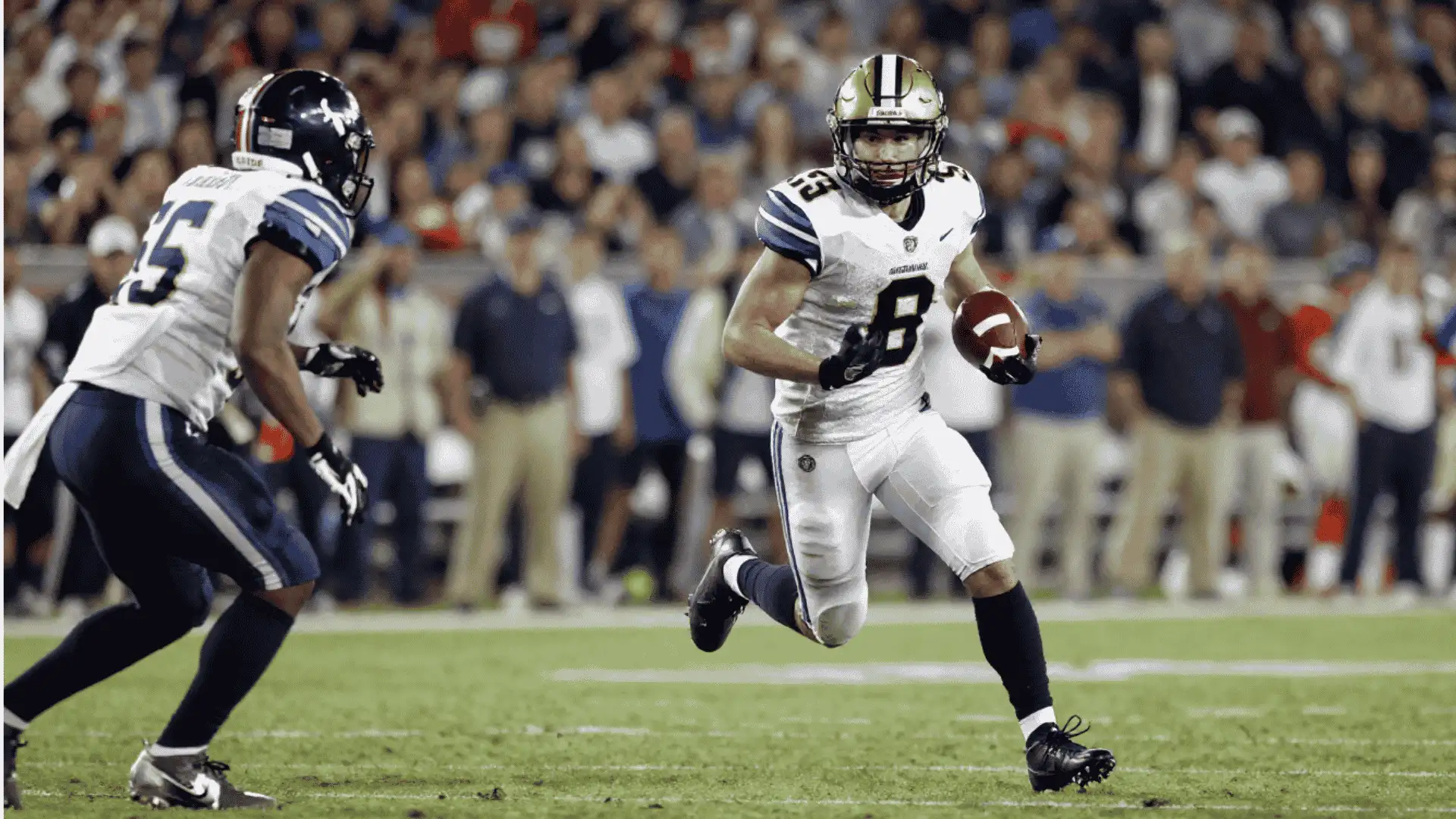
Standard flex spots usually accept three positions: running back, wide receiver, and tight end. This is the most common rule across fantasy football leagues today.
Some leagues narrow this down, allowing only running back and wide receiver, or only wide receiver and tight end. A different format called superflex is broader and can allow a quarterback in that same slot.
Because rules can change from league to league, always check your league settings before you set your weekly lineup.
This step only takes a minute, but it can save you from an illegal or incomplete lineup on game day.
Standard Flex vs Superflex
The main difference is quarterback eligibility, which directly affects draft priority, roster depth, weekly scoring potential, and how managers use the extra lineup spot throughout the season.
| Feature | Standard Flex | Superflex |
|---|---|---|
| Eligible positions | Running back, wide receiver, and tight end | Quarterback, running back, wide receiver and tight end |
| Quarterback value | Quarterbacks keep their usual draft value | Quarterbacks become much more valuable because they can fill the extra flex spot |
| Draft strategy | Managers can wait longer on quarterbacks and focus on skill positions | Managers often draft quarterbacks earlier to secure strong weekly scoring |
| Lineup decisions | Flex choices usually depend on matchups, volume, and injuries | Starting a quarterback is often the best option when one is available |
| League impact | Creates more depth decisions at running back, wide receiver, and tight end | Increases quarterback demand and makes backup quarterbacks important |
| Best preparation | Check which skill positions are allowed and how many flex spots must be filled | Confirm how many superflex spots are available and how many quarterbacks can start each week |
How to Choose the Right Flex Starter Each Week
Picking a flex starter comes down to expected points, not just position labels. Look at matchups, recent performance, and injury reports before every game day.
If two players seem close in value, favor the one facing a weaker defense that week. Bye weeks also matter, since a missing starter can force you to rely on your flex spot.
Keep an eye on waiver wire pickups too, since a hot new player might outperform a bigger name. Many fantasy football fans treat flex as their most important weekly decision, since it often decides close matchups.
Set your flex lineup right, and you give your team a real edge over less careful opponents.
Choosing a smart starter each week matters, but it also helps to understand why the flex rule exists in fantasy football leagues today.
Why the Flex Spot Matters for Your Roster

The flex spot exists to give managers more strategy and more roster depth. Instead of forcing you to bench a strong player, it lets you use your best available talent.
This matters most when injuries hit your running backs or wide receivers during the season. A flexible bench also helps you handle bye weeks without leaving an empty roster spot.
Fantasy football rewards managers who build deep rosters at running back and wide receiver, since those extra players often become flex starters.
This is one reason draft strategy and flex strategy are closely connected. Building a strong roster matters, but league settings also determine exactly how your flex spot works during the season.
Flex vs Bench Key Differences
The flex spot affects your weekly score, while the bench stores inactive players for injuries, bye weeks, and future matchups, making regular lineup reviews important.
| Flex Spot | Bench Spot |
|---|---|
| Part of the starting lineup and contributes points to the weekly team total. | Holds reserve players whose points do not count toward the weekly team total. |
| Usually accepts eligible running backs, wide receivers, or tight ends. | Can hold players from any position allowed by the league roster rules. |
| Requires weekly decisions based on matchups, injuries, workload, and scoring potential. | Provides injury cover, bye week replacements, and players with possible future value. |
| Starting the right player can directly affect the matchup result. | Strong performances remain unused unless the player enters the starting lineup. |
| Review before every game day or lineup deadline. | Check for better flex options before setting the final lineup. |
Flex Strategy for Different League Formats

Flex strategy can shift depending on your league’s scoring format. In point per reception leagues, wide receivers often gain extra value in the flex spot.
Standard scoring leagues without reception points tend to favor running backs more heavily. Tight ends usually offer the least flex value unless your league uses tight end premium scoring.
Knowing your scoring format before the draft helps you build a roster suited to your flex needs.
- PPR Leagues and Flex Value
In point per reception leagues, every catch adds extra fantasy points regardless of yards gained. This boosts pass-catching running backs and high-volume wide receivers in the flex spot.
Managers in these leagues often prioritize target share over raw touchdown potential when picking a flex starter. - Standard Scoring Leagues and Flex Value
Standard scoring leagues do not award points for catches, only for yards and touchdowns. This often makes running backs more valuable in the flex spot compared to PPR formats. Touchdown-dependent players carry more risk here, so consistent volume matters most.
Scoring format shapes flex value, and that same logic carries over directly into how you should approach your draft day plan.
Flex and Draft Strategy
Smart flex decisions actually start on draft day, not just during the season. Drafting extra depth at running back and wide receiver gives you strong flex options each week.
Tight end depth matters less, since most leagues only need one reliable starter there. Managers who ignore flex depth often struggle when injuries or bye weeks hit their roster.
Building bench depth at flex-eligible positions pays off across a long fantasy season.
- Drafting Depth at Running Back
Running backs face the highest injury rates of any fantasy position, so depth matters greatly.
Drafting a backup runner with real workload potential protects your flex spot during tough weeks. This strategy also gives you trade leverage if another team needs running back help. - Drafting Depth at Wide Receiver
Wide receivers offer more weekly consistency than running backs in most scoring formats. Drafting three or four startable receivers gives you strong, flexible flex options all season.
This depth also protects you against bye weeks and unexpected target share changes.
Good draft depth sets up your season, but the waiver wire is where many flex spots get filled during the year.
Flex Spot and Waiver Wire Pickups
The waiver wire is one of the best tools for improving your flex spot. New starters can emerge overnight due to injuries, trades, or a coaching change.
Checking waivers every week helps you find hidden flex value before your opponents notice. A strong waiver pickup can outperform a bigger name sitting on your bench.
Treat your flex spot as a rotating door, not a fixed, permanent starting job.
Waiver pickups only help if you actually set your lineup correctly, which brings us to your weekly flex routine.
Setting Your Flex Lineup Week to Week
Your flex decision should never feel automatic, since matchups change constantly during the season. Compare projected points, recent target share, and opponent defense rankings before locking your lineup.
Always check injury reports one final time before kickoff on game day. A few extra minutes of research each week can make a real difference in close matchups.
Weekly research matters, but injuries and bye weeks are still the biggest forces shaping your flex decisions overall.
Flex Spot Injuries and Bye Week Planning
Injuries and bye weeks are the two biggest reasons your flex spot becomes important fast. When a starter gets hurt or takes a scheduled week off, your flex spot fills that gap.
Planning ahead by checking the bye week schedule early in the season helps you avoid empty lineup spots.
Smart managers stagger their roster so multiple starters do not share the same bye week. Once you have your planning basics covered, a few advanced tips can help in tighter, more competitive leagues.
Common Fantasy Football Flex Terms

Understanding these common fantasy football terms makes it easier to compare players manage roster depth and choose the strongest flex option each week.
- Startable Player: A player worth using in your active lineup.
- Bye Week: A week when an NFL team does not play.
- Bench Player: A rostered player left outside the starting lineup.
- Matchup: The defensive opponent a player faces that week.
- Target Share: The percentage of passes directed toward one player.
- Snap Count: The number of offensive plays a player joins.
- Touches: A player’s combined rushing attempts and receptions.
- PPR: A format that awards points for each reception.
- Standard Scoring: A format that gives no points for catches.
- Waiver Wire: The pool of unrostered players available to add.
- Sleeper: A player expected to outperform current expectations.
- Boom or Bust Player: A risky player with high scoring potential.
- Floor: The lowest reasonable score expected from a player.
- Ceiling: The highest realistic score a player may produce.
Common Flex Mistakes to Avoid
Avoiding these mistakes helps your lineup, but it also helps to understand exactly how flex differs from a normal bench spot, especially for beginners.
| Common Mistake | How to Avoid It |
|---|---|
| Assuming flex accepts any position | Check your league rules first. Standard flex only allows a running back (RB), wide receiver (WR), or tight end (TE). |
| Confusing flex with superflex | Confirm if your league uses a superflex spot before drafting or setting your lineup, since only superflex typically allows a quarterback (QB). |
| Setting a lineup without checking league settings | Review your league settings each week, as roster rules and scoring formats can vary between leagues. |
| Forgetting to update flex after injury news | Check your lineup shortly before kickoff to avoid starting an inactive or injured player. |
Key Takeaways
Now you know what flex in fantasy football is and why this one rule matters so much. The flex spot gives you extra lineup flexibility by allowing a running back, wide receiver, or tight end in one slot.
It rewards managers who build deep rosters and pay close attention to matchups, injuries, and bye weeks each week. Avoiding common flex mistakes, like confusing it with superflex, keeps your lineup legal and competitive all season long.
Understanding flex rules also helps you draft smarter from the very first round. Ready to put this knowledge to work?
Check your league settings today, review your roster, and set a stronger flex starter before your very next matchup kicks off. Do it right now.
Frequently Asked Questions
Can You Put Two Flex Players in One Lineup?
Yes, some leagues include two or more flex spots in their scoring settings. Always check your league page first, since this rule changes from league to league.
Does Flex Score Points Like a Regular Starter?
Yes, flex counts as a real starting spot. Any points your flex player earns during the game add directly to your total weekly score.
What Happens if I Forget to Set My Flex Spot?
Most platforms lock your last valid lineup automatically. That means an empty or unset flex spot could score zero points for that entire week.
Is a Kicker or Defense Ever Eligible for Flex?
No, kickers and defenses almost never qualify for a flex spot. Standard flex spots only accept running backs, wide receivers, and tight ends.
How Often Should I Change My Flex Starter?
You can change your flex starter every single week. Many managers adjust it based on matchups, injury news, and updated player performance each week.