


Somewhere in the later rounds of your draft, there’s a guy nobody’s fighting you for, and he’s about to make your league mates very upset in Week 10. That’s a sleeper.
He costs you almost nothing on draft day, and he’s got a real shot at making everyone who passed on him regret it.
This blog is my 2026 sleeper list: the players you can grab late and still beat the guys who spent early picks on “safe” names.
I’ll give you my top picks by position first, using real numbers instead of a hunch and a prayer.
I’ll also stack each sleeper against the bigger name going in the same round, flag which picks are safe and which could blow up, and call out where the experts disagree.
By the end, you’ll know exactly when to grab them.
What Makes a Player a True Sleeper
A sleeper isn’t just a random late-round pick you got lucky with. It’s the gap between where a player gets drafted and what he’s actually capable of doing on the field.
If his average draft position (ADP) puts him in round 10, but his talent and opportunity put him in round 5, that gap is where sleepers live. The bigger that gap, the more valuable he becomes to your roster.
How do I measure that gap for every player on this list? Here’s the exact filter I use.
The Draft-Cost Litmus Test
Before any player makes this list, I run him through one simple test. I compare his ADP tier to his realistic points projection for the season.
If the numbers say he should outscore guys going two or three rounds ahead of him, he passes.
If it’s just wishful thinking with no data to back it up, he’s out. This keeps every pick honest, whether he’s a rookie or a veteran changing teams.
2026 Sleeper Rankings at a Glance
Here’s my starting list, no scrolling required. Each of these players is going later than his actual talent and situation deserve.
| Player | Position | ADP/Round | Why He’s a Sleeper |
|---|---|---|---|
| Malik Willis | QB | Round 11 (~pick 131) | His rushing floor and real shot at starting snaps make him a QB2 you get for free. |
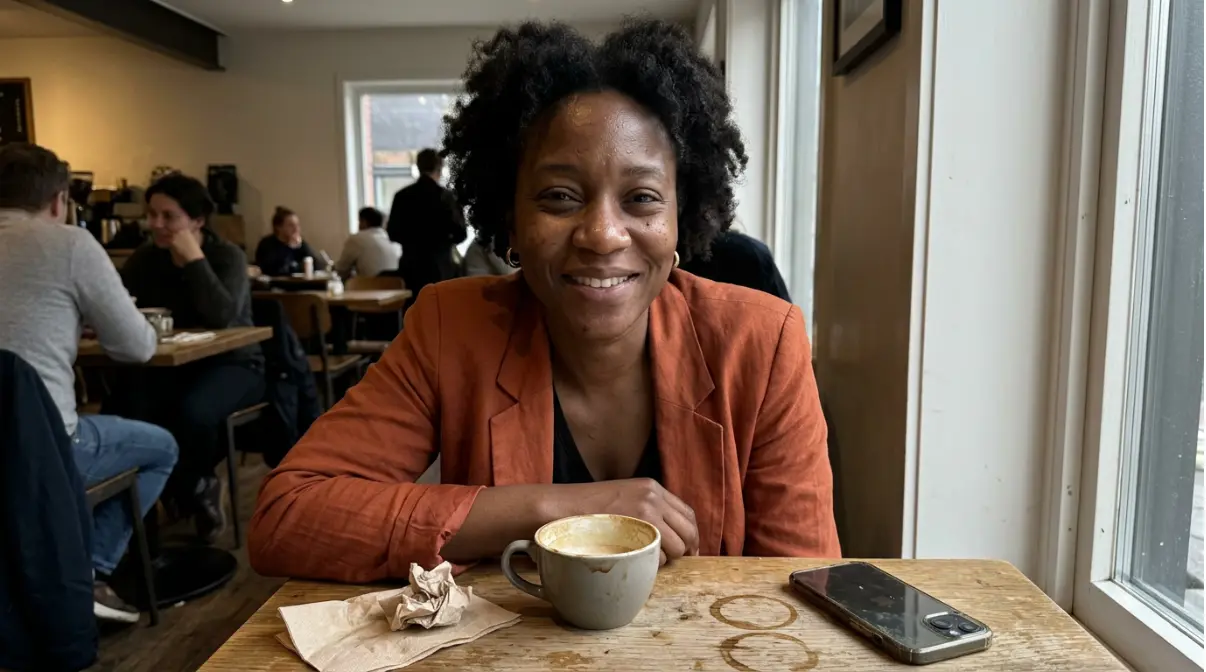
| Kyler Murray | QB | Outside QB12 range | A move to Minnesota’s run-friendly offense under Kevin O’Connell could push him back into weekly QB1 numbers. |
| Chuba Hubbard | RB | ADP 97.8 overall | His top competition just left in free agency, clearing his path to early down work. |
| Jonathon Brooks | RB | ADP 125.4 overall | Fully healthy and praised by his coaching staff, he’s a former first-round pick going like an afterthought. |
| Rashid Shaheed | WR | Round 13 (~pick 148) | A full offseason with his quarterback and a fading veteran ahead of him opens up more targets. |
| Jayden Reed | WR | Mid-to-late rounds | With Romeo Doubs and Dontayvion Wicks both gone from Green Bay, Reed inherits a much larger share of a talented passing offense. |
| T.J. Hockenson | TE | TE23 | Two years past his knee injury and paired with better quarterback play, he’s priced well below his ceiling. |
| Isaiah Likely | TE | ~TE15 | A fresh start with a young quarterback gives him a real shot at being a top target, not just a backup. |
TE5 / TE15 / TE23: A tight end’s ranking relative to others at his position; TE5 means the 5th-best fantasy tight end, and so on.
Now, here’s exactly how I landed on these eight names.
How These Sleepers Were Identified
Every name on that list passed through the same two-step check before it made the cut. First, I looked at the numbers that actually predict future production, not just last season’s box score.
Then I looked at each player’s situation this year, since talent alone doesn’t win you a starting job. A player can grade out well and still get buried on a bad depth chart.
The Efficiency Numbers that Expose Value
Box score stats lie. A player can rack up empty yards in garbage time and look better than he is. So I lean on efficiency numbers instead: YPRR (yards per route run), target share, PFF (Pro Football Focus) grade, and expected touchdowns.
These strip out the noise and show who’s actually earning their production versus who got lucky. A high-efficiency player buried on the depth chart is exactly the kind of sleeper worth grabbing.
- Target share: The percentage of a team’s total passes thrown to one specific receiver or tight end; a key sign of real involvement in an offense.
- Yards per route run (YPRR): A receiver’s yards gained divided by the number of pass routes he ran, showing efficiency independent of how often he was targeted.
- PFF grade: A performance score from Pro Football Focus that rates how well a player executed on each play, regardless of the box score result.
- Expected touchdowns (xTD): A model that estimates how many touchdowns a player should score based on his usage and the situations he’s in, used to spot over- or underperformers.
Situation and Opportunity Signals
Efficiency alone doesn’t guarantee playing time. So I also track the situation: new coaching hires, scheme fit, and depth chart competition. A great player stuck behind two others won’t help your team.
But a talented player who just landed in a wide-open role under a coach who likes his skill set is exactly the kind of sleeper who outplays his draft cost by December.
Quarterback Sleepers
Quarterback is where I found the cheapest paths to real weekly upside this year. Both names below are a bit questionable, which is exactly why they’re still available late.
1. Malik Willis

Willis spent four years buried on backup depth charts before Miami handed him a three-year deal and the starting job this offseason.
He’s never had a real shot to prove himself, but his rushing ability alone gives him a fantasy floor most late-round quarterbacks don’t have.
A full season of live reps could boost his passing numbers, too. At a backup-tier price, you’re getting a full-time starter with legs.
2. Kyler Murray
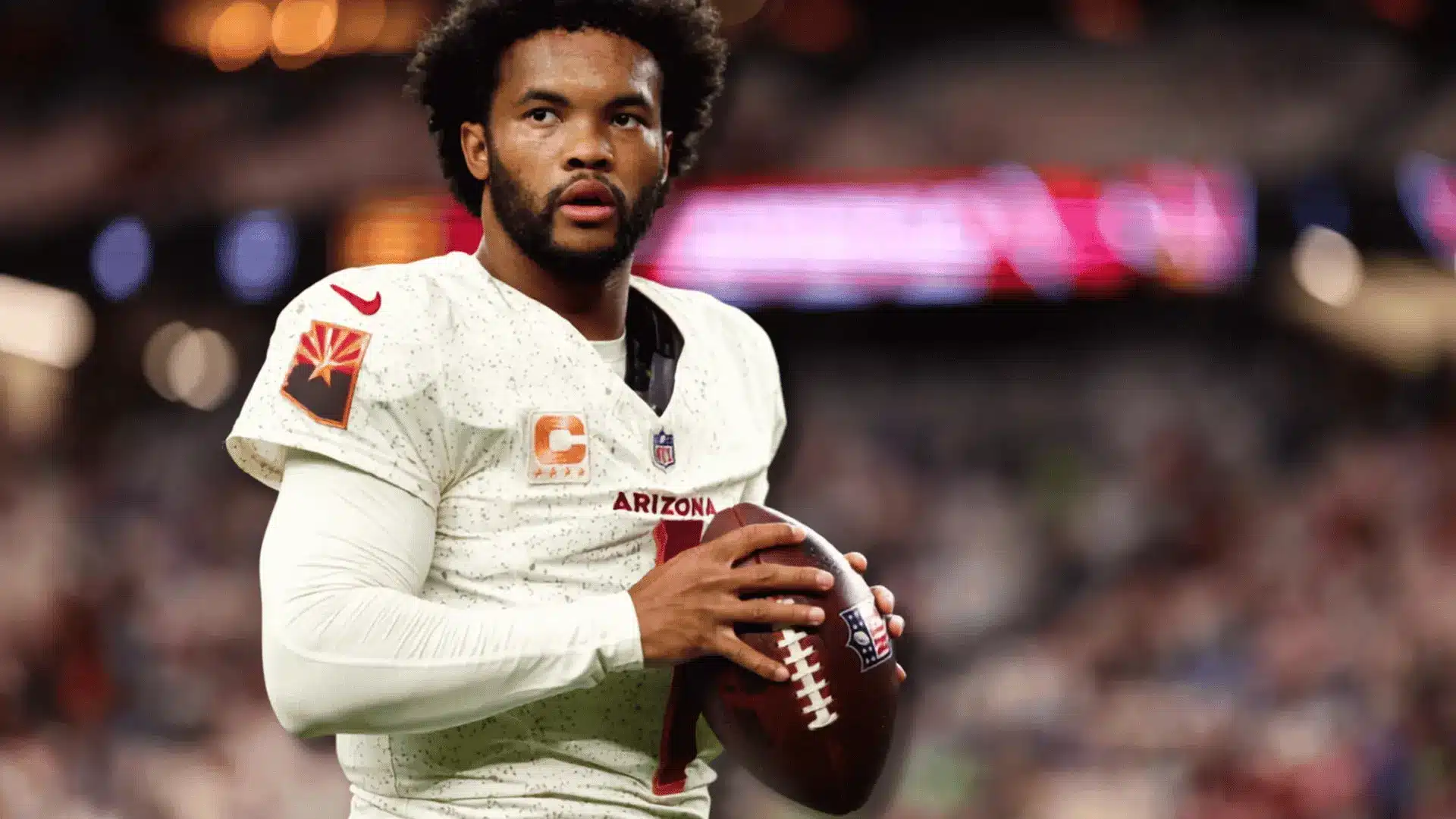
Murray’s move to Minnesota puts him in Kevin O’Connell’s pass-heavy system, throwing to Justin Jefferson and Jordan Addison instead of the thin group he had in Arizona.
He’s already proven he can finish as a top-five fantasy quarterback under the right coach. That kind of talent, paired with real weapons for the first time in years, changes his outlook.
Getting him outside the top-12 quarterback range is a mispriced asset.
Running Back Sleepers
Running back is usually the most expensive sleeper hunt, since a single injury or coaching change can flip a depth chart overnight.
This year, both of my picks are on the same team and benefit from the same offseason move.
3. Chuba Hubbard
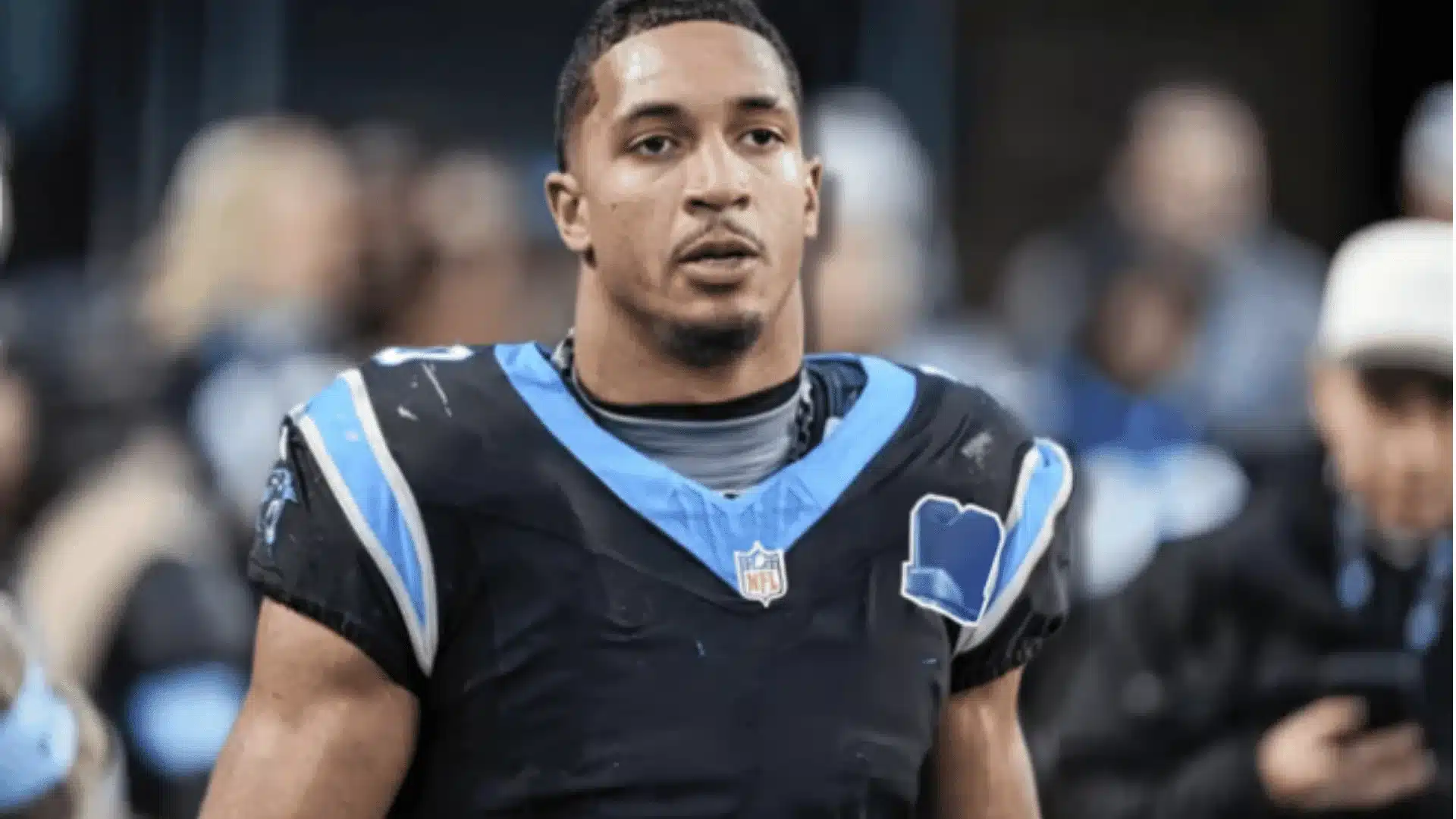
Hubbard lost his job to Rico Dowdle for most of last season, but Dowdle signed with Pittsburgh this offseason.
Carolina didn’t add a running back in the draft, so Hubbard walks into a clear path to early-season touches.
He’s shown he can handle a full workload, and now nobody stands between him and the lead job. His only real competition is a teammate still working back from multiple injuries.
4. Jonathon Brooks
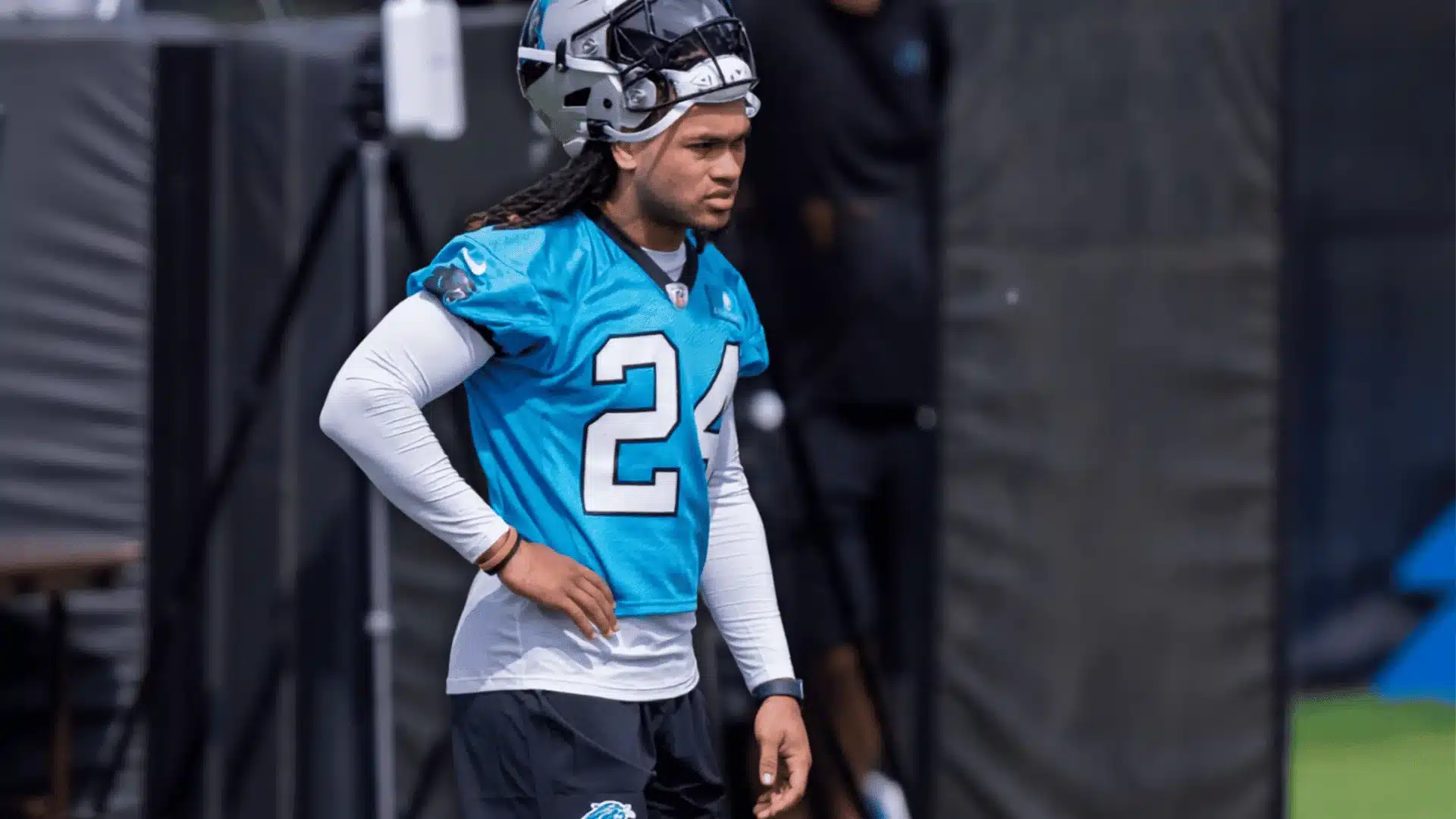
Brooks was the first running back drafted in 2024, but two ACL tears have kept him off the field and out of the fantasy conversation since then.
He’s fully cleared now, and his coaching staff has been vocal about his return to explosive form.
That talent never left; it just sat behind two years of rehab. At his current price, you’re betting on talent everyone forgot about.
Wide Receiver Sleepers
Wide receiver sleepers usually come down to one thing: an injury or a decline up the depth chart that hasn’t been priced in yet.
Both names here play behind veterans who are either aging out of their role or currently banged up, which means real targets are sitting right there for the taking.
5. Rashid Shaheed
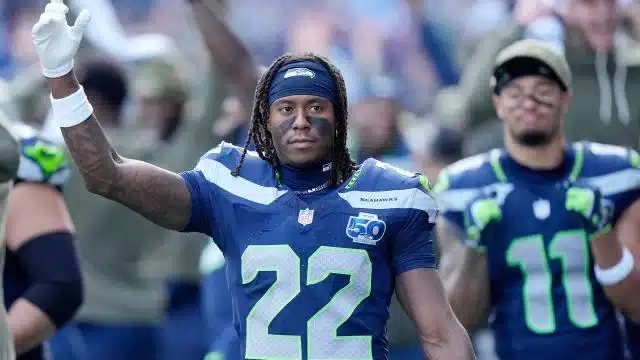
Shaheed gets a full offseason working with Sam Darnold after a solid receiving stretch last year.
Seattle’s other outside option, Cooper Kupp, keeps showing signs of decline as he ages, which creates more room for Shaheed to grow into a real target share rather than a depth piece.
His speed is already on tape, and a bigger role would only make those big plays count more on Sundays.
6. Jayden Reed
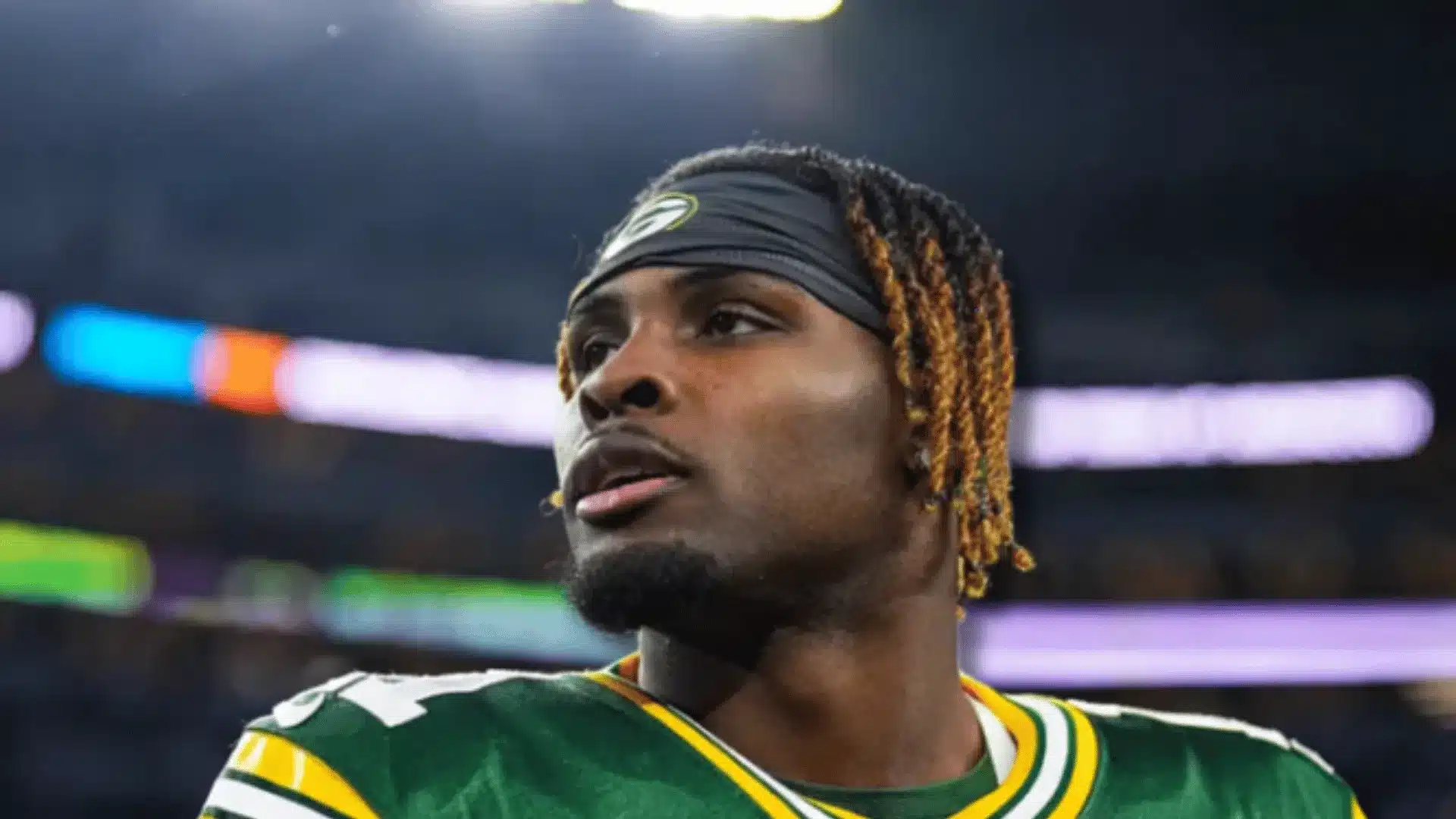
Green Bay lost both Romeo Doubs and Dontayvion Wicks from its receiver room this offseason, and neither was replaced with a clear-cut starter.
Reed has flashed the talent to be a bigger part of this offense for two years; he’s just never had the opening.
With two established target-earners gone and a talented Packers passing game around him, the odds of Reed stepping into a larger role in 2026 have risen substantially.
He’s a classic value pick: available at a discount after a quiet prior season, in a much more open situation than his ADP suggests.
Tight End Sleepers
Tight end sleepers work differently than any other position. The gap between a locked-in starter and a forgotten name is large, but so is the payoff when a forgotten name finds his way back into a real role.
Both of my picks here landed in fresh situations this offseason, either through better quarterback play or a complete change of scenery, and both are priced like afterthoughts.
7. T.J. Hockenson

Hockenson was priced as a top-five tight end last summer and busted hard, landing outside the top 25 at his position.
He’s now two full years removed from his knee injury and paired with better quarterback play thanks to Murray’s arrival in Minnesota.
His hands and route running never went anywhere; only his health and quarterback situation did. That’s last year’s TE5 price tag going for TE23 money.
8. Isaiah Likely

Likely spent his career stuck behind Mark Andrews in Baltimore before landing with the Giants, where he pairs with young quarterback Jaxson Dart.
He’s not guaranteed a massive role yet, but a fresh offense with a clean slate at tight end is exactly the kind of spot sleepers come from.
A young quarterback often leans on his tight end early, and Likely has the catch radius for that role.
Sleeper Risk Tiers: Safe Floor vs. Boom-or-Bust
Not every sleeper carries the same risk, and treating them all the same is a mistake. Some of these picks already have a steady role locked in.
Others are pure boom-or-bust bets on health or opportunity that hasn’t fully arrived yet. Here’s how I’d tier them before your draft.
| Player | Risk Tier | Why |
|---|---|---|
| Chuba Hubbard | Safe Floor | Clear early-down role with his top competition still recovering |
| Rashid Shaheed | Proven role, just waiting on more volume | |
| Kyler Murray | Boom-or-Bust | Real upside, but shares QB competition and carries an injury history |
| Malik Willis | First real starting shot, unproven over a full season | |
| Jonathon Brooks | Talent is real; health history is the entire risk | |
| Jayden Reed | Opportunity is wide open, but he still has to prove he can win it on the field | |
| T.J. Hockenson | Proven ceiling, but coming off a real down year | |
| Isaiah Likely | New system, crowded tight end room |
When to Draft Your Sleepers
Knowing a sleeper’s name is only half the job. Drafting him at the right time matters just as much, since reaching too early erases the value, and waiting too long means someone else grabs him first.
The rounds and formats below should shape how you actually build your draft board.
Best Rounds to Target Them
Most of my picks above land somewhere between rounds nine and fifteen, which is exactly where sleepers should live.
Reaching for them in round six defeats the purpose. Waiting until your last few picks risks losing them to another manager who did their homework.
Treat these rounds as your value window, not a random dumping ground for names you don’t recognize.
Adjusting for Your League’s Format
PPR leagues push pass-catching backs and slot receivers up your board, while standard scoring rewards touchdown-dependent players instead.
Superflex leagues change the math completely, since a backup-turned-starter quarterback like Willis suddenly carries real starting-QB value rather than bench value.
Dynasty leagues should weigh youth and opportunity, since a rookie like Brooks only grows more valuable as his role expands.
Always check your league’s scoring before locking in a draft order.
Final Thoughts
That’s my full sleeper board for 2026, eight names that could have your league mates kicking themselves for passing on them. I picked each one because the numbers backed it up, not because I liked the name.
Some of these guys, like Hubbard and Shaheed, come with a safe floor. Others, like Brooks and Likely, need a little luck to break out. Either way, they’re all worth more than their draft slot says.
Draft season moves fast, and good sleepers don’t stay quiet for long. Save this list, check it against your own league’s ADP, and grab these guys before someone else beats you to the punch.
Which name on this list are you most excited to draft? Drop a comment below and let me know, or share this with your league mates before your draft.
Frequently Asked Questions
How Many Sleepers Should You Draft in One League?
Two or three per position group is ideal. Pair one safe-floor pick with one boom-or-bust swing so you get upside without gutting your bench depth.
Is a Sleeper the Same Thing as a Breakout Player?
No. A breakout already has hype and a rising price. A sleeper is still cheap. Once everyone’s talking about him, he’s no longer a sleeper.
Should You Prioritize a Sleeper Over a Handcuff?
Depends on your roster. A handcuff only scores if the starter gets hurt. A sleeper already has a path to touches, so he’s usually the safer bench spot.
Do Sleeper Picks Change Between PPR and Standard Leagues?
Yes. Pass-catchers like Shaheed jump several rounds in PPR value, while touchdown-dependent players climb in standard scoring. Always re-rank sleepers against your league’s format.