



Getting yelled at during my first practice rep of a slant route taught me something fast: speed isn’t the secret here. Timing is.
The slant route looks simple on paper, just a quick cut across the field, but the angle you break at, the steps you take that break before, and how the quarterback reads the defense all decide whether this route ends in an easy catch or a broken play.
That’s exactly what this blog covers. I’ll show you what a slant route actually is and why it gives defenses so much trouble.
Then I’ll walk through how to run it step by step, what the quarterback is reading on the other end, and the small mistakes that quietly kill this route more often than people think.
By the end, you’ll know how to run a slant route that actually works.
What is a Slant Route in Football?
I release upfield for a step or two, then cut sharply across the field toward the quarterback. That’s the whole idea behind a slant route.
Instead of running around the defender, I run right across his face, which is what makes this route so hard to cover.
The point isn’t to gain a lot of yards in one shot. It’s about making a fast, sharp decision and getting the ball out before the defense can react.
This route beats two main types of coverage: press man, where a defender lines up tight on me and tries to jam me at the line, and soft zone, where a defender lines up off me and covers an area instead of a receiver.
One thing worth clearing up here, because I’ve seen it trip up receivers: there isn’t just one slant depth. A quick slant breaks off after about 3 yards. A standard slant gets 5 to 7 yards of depth before the cut.
Both are the same route on the route tree, but the depth changes what the quarterback is reading and how much room the receiver has to work with after the catch. I’ll come back to that difference below.
Why Teams Use the Slant Route
This route shows up in almost every offense I’ve played in, and for good reason.
It beats press man coverage, sits down nicely in the open space a soft zone leaves behind, and gives the quarterback a fast answer against a blitz, which just means extra defenders rushing the passer instead of dropping into coverage.
Coaches install it early because it’s built around quick decisions rather than raw distance. Once the timing clicks between me and the quarterback, it becomes one of the most reliable ways to move the chains.
Where the Slant Fits in the Route Tree
The route tree is a numbering system coaches use to call routes quickly, typically numbered 0-9, with each number corresponding to a specific route shape. The slant is almost always the number 2 route on that tree.
Knowing this matters if I ever play for a coach who calls routes by number rather than by name, since hearing “run a 2” and knowing it means a slant saves me from a mental mistake at the line.
| Route Number | Route Name | Route Shape |
|---|---|---|
| 0 | Hitch | Short, stops, and turns back to the QB |
| 1 | Flat | Quick route toward the sideline |
| 2 | Slant | Sharp angle across the field |
| 3 | Comeback | Deep route that breaks back toward the QB |
How to Run a Slant Route: Step-by-Step
Running a clean slant route comes down to a few small pieces working together. It starts with my release off the line, followed by how many steps I take upfield, the angle I break at, and where I expect the ball to arrive.
None of these steps work well on their own. Patience and angle are what really separate a clean slant from one that gets undercut by a linebacker sitting right in the throwing lane.
Get those two things right, and the rest of the route falls into place. Let me walk through each piece on its own.
1. The Release and Stance
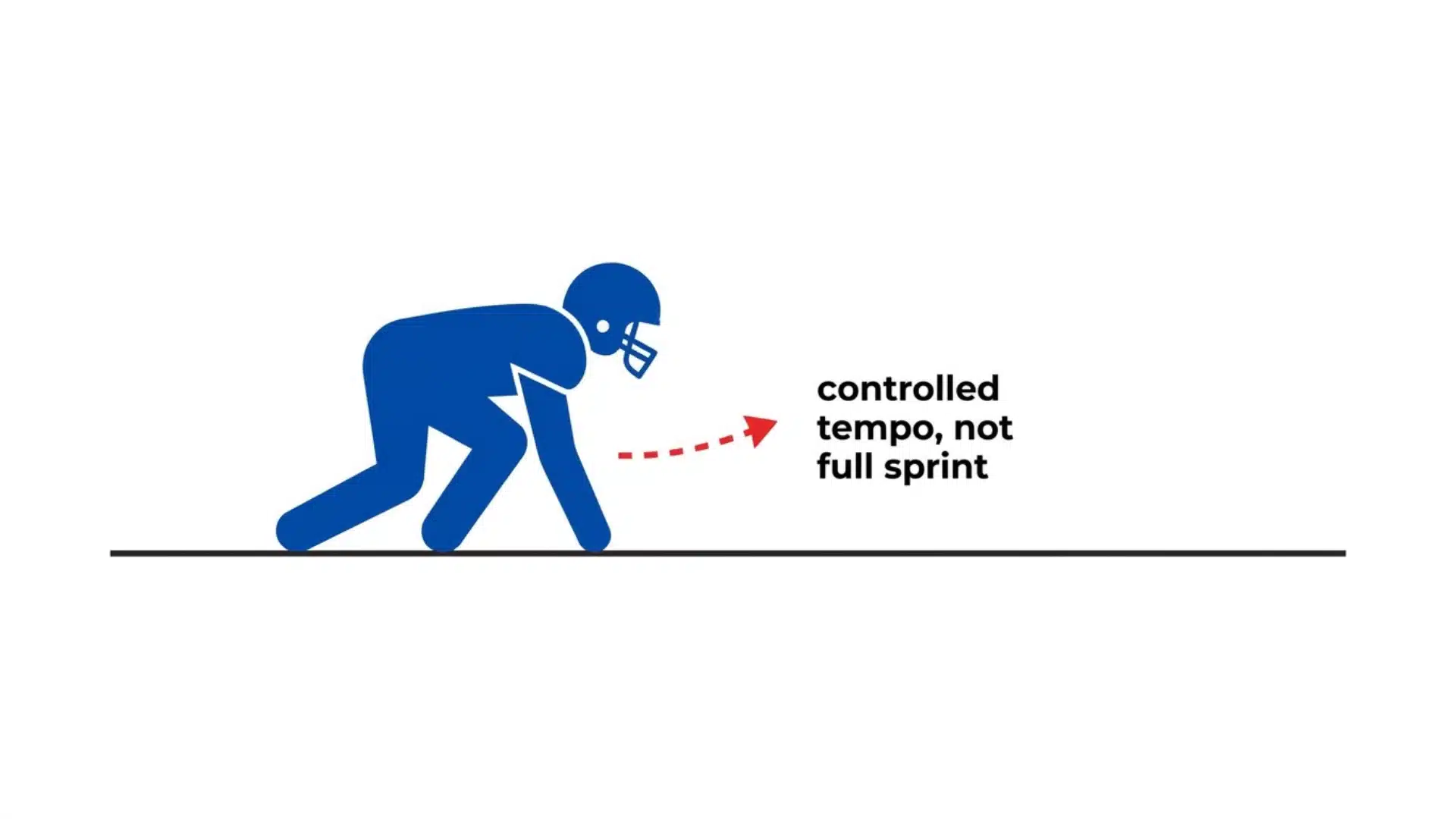
My get-off matters more than most people think. If I sprint off the ball at full speed right away, I tip the route early and let a defender squat on it before I even break.
Instead, I come off at a controlled pace and sometimes mix up my tempo. That way, the break doesn’t give itself away before I even reach the top of the route.
2. Timing the Break, Patience Over Speed
I never rush this route. Taking three solid steps before I plant and break gives the quarterback a clean, predictable window to throw into. If I break too soon, the route gets covered early, and the window closes before the ball even leaves his hand.
Speed matters here, but it comes right after the cut, not before it. Patience early is what makes the whole route work later.
Quick Slant vs. Standard Slant
On tape, the difference between these two shows up in the quarterback’s feet as much as the receiver’s. A quick slant, broken off after 3 yards, usually comes with a rhythm throw straight off the snap, no read needed.
A standard slant at 5 to 7 yards gives the quarterback a beat longer to read the flat defender before committing to the throw.
If you’re a receiver, ask your quarterback which one he’s expecting before the play, not after you’ve already broken it off short.
3. The Correct Break Angle
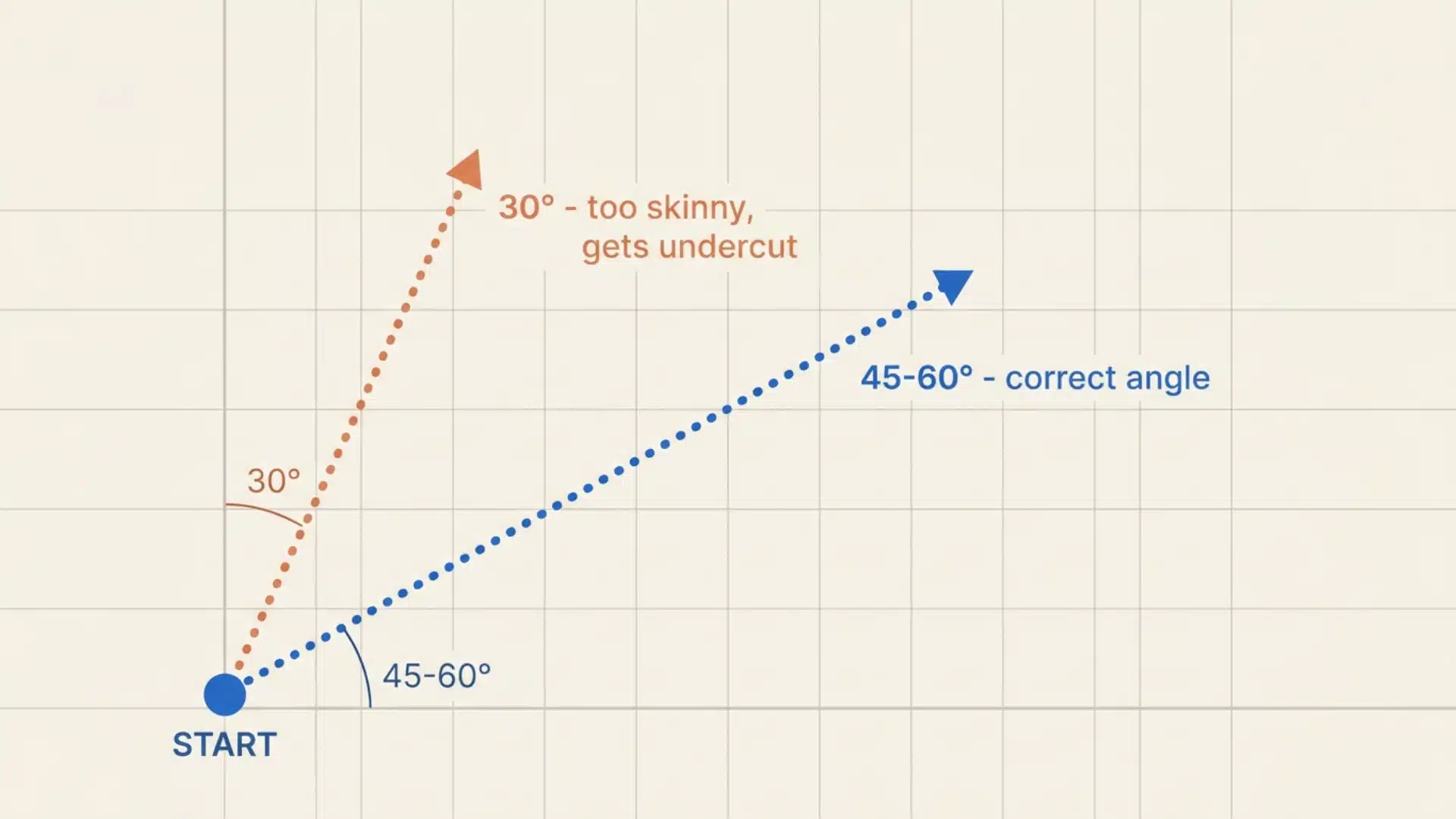
I aim for a 45- to 60-degree angle when I make my break, not a skinny 30-degree cut.
A wider angle gives the quarterback more room to throw into and gives me a better path to split defenders once I catch the ball and turn upfield.
A cut that’s too tight closes that window fast and makes the catch a lot harder to finish clean.
4. Catch Point and Body Position
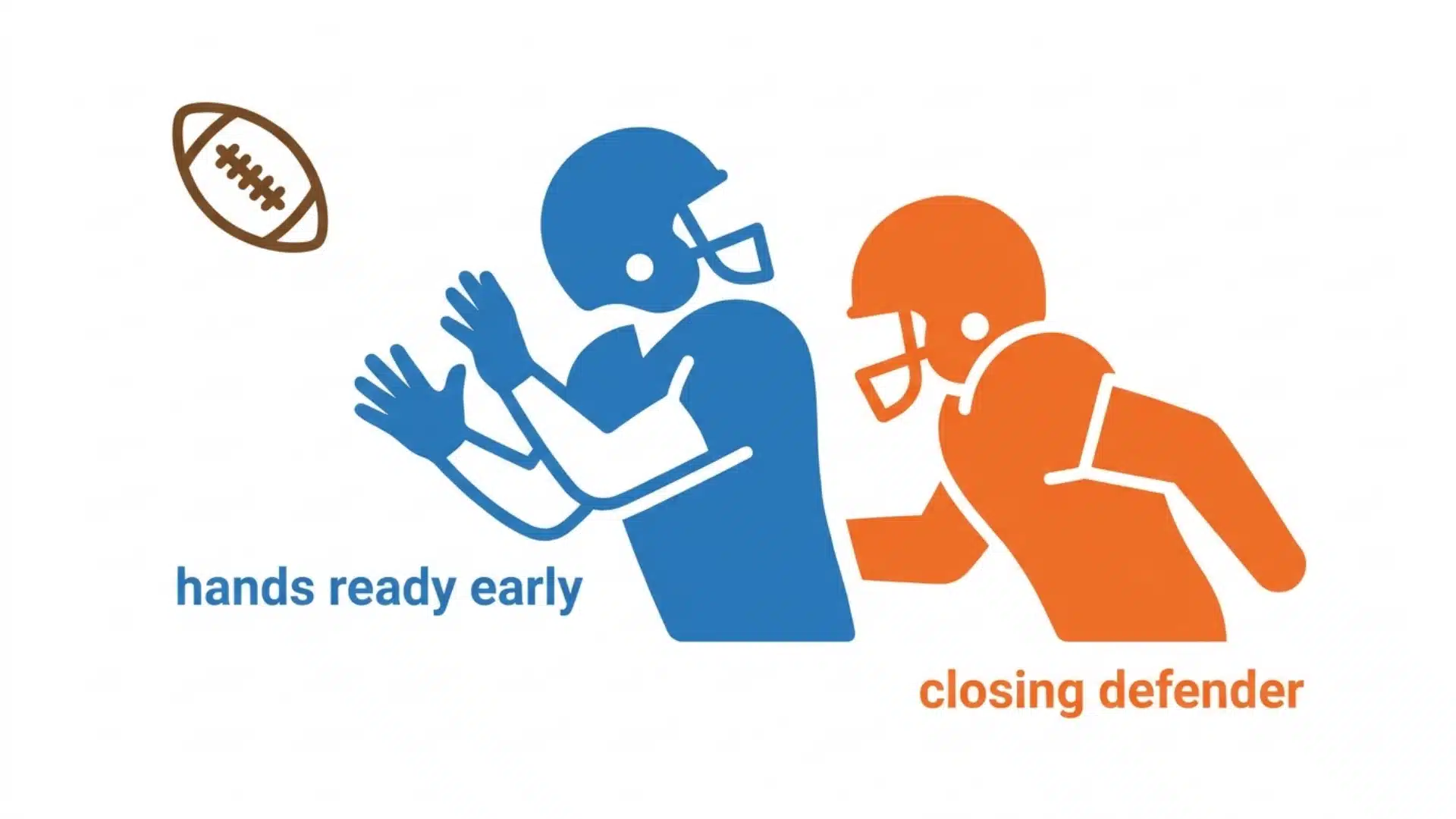
This ball almost always shows up in traffic, so I keep my hands ready early and turn my head back to the quarterback the moment I break.
Securing the catch through contact matters here, since a linebacker is often closing in right as the ball arrives. Body position through that contact is what turns a tough catch into a completed one.
Now I want to flip to the other side of the ball, because the quarterback has just as much riding on this route as I do.
Quarterback Reads on the Slant Route
From the quarterback’s side, my read starts with the flat defender, the player covering the short area near the sideline, or the overhang defender, who lines up over the slot receiver and watches for quick routes like this one.
Wherever that defender flows, I throw the opposite way, since that’s where the window opens up. I also use what’s called a 0-step drop, which just means I set my feet right at the snap instead of backpedaling for depth.
Any extra depth in my drop throws off the timing this route depends on, and that timing is everything. A slant that’s even half a second late usually ends up broken up instead of caught clean.
A couple of mistakes show up here more than anywhere else in this route.
Slant Route Variations and Combinations
I rarely run this route on its own in a playbook. Most offenses I’ve played in build it into bigger concepts designed to stress a defense in more than one spot at the same time.
Instead of asking me to win a one-on-one matchup on my own, these concepts pair multiple routes together so that a defender is forced to guess, and guessing wrong is exactly what breaks the play open.
Here’s how that shows up in real play calls.
Double Slants and the All Slant Concept
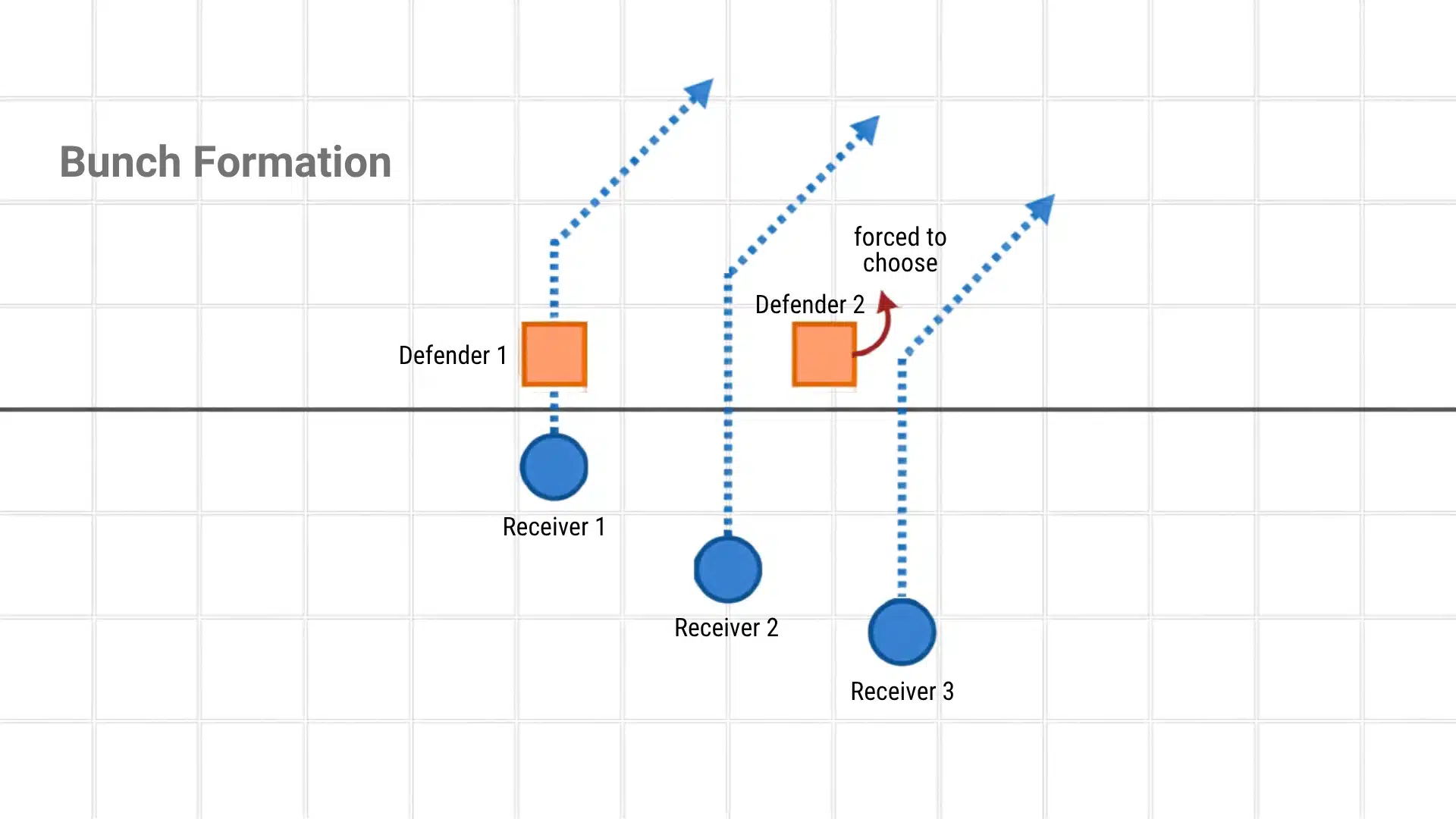
When I run this with two or three receivers breaking on slants at the same time, it forces a defense to choose who to cover first, and that split-second hesitation is often all it takes.
This shows up especially well out of trips, three receivers lined up on one side, or bunch sets, where we all stack close together before the snap, since the coverage is already stretched thin before the ball is even snapped.
Slant-Flat and Slant-and-Go Combos
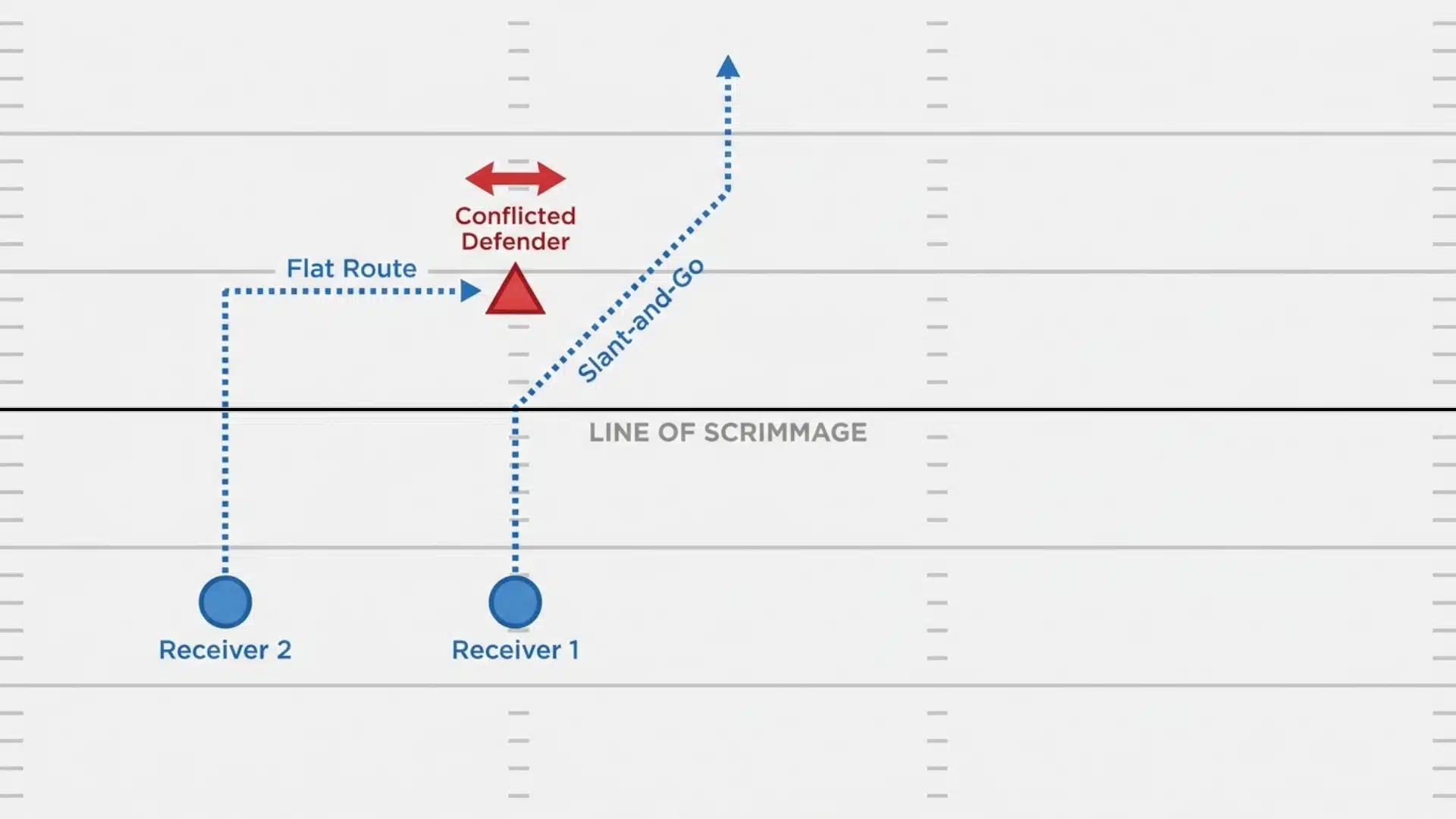
When I pair my slant with a flat route running underneath it, or fake the slant before breaking vertical on what’s called a slant-and-go, I put a single defender in conflict between two options at once.
That defender has to pick which route to take away, and whichever one he leaves open becomes the easy throw.
This is exactly the kind of leverage the slant route is built to create.
Common Mistakes that Kill the Slant Route
Most of my failed slant routes trace back to the same handful of issues that keep showing up. When I sprint off the line too early, I tip the route before it even starts.
When I break at too-skinny an angle, I give a defender an easy path to undercut it. When the quarterback gains depth in the drop, the timing gets thrown off in a way that can’t be fixed mid-play.
And when I haven’t practiced the route at real game speed, it almost always breaks down the first time I run it live. None of these mistakes are due to bad talent. They show up because of small habits that need fixing one at a time.
Here’s a quick way to match each mistake to the fix:
| Mistake | The Impact | Fix |
|---|---|---|
| Sprinting off the line early | Tip the route before the break-even starts | Use a controlled release and mix up your tempo |
| Breaking at too skinny an angle | Gives the defender an easy path to undercut it | Aim for a 45 to 60 degree break |
| QB gaining depth in the drop | Throws off the timing; the whole route depends on | Use a 0-step drop and set your feet at the snap |
| Never practiced at game speed | Falls apart the first time it’s run live | Rep the route against a real defender, look before game day |
Finishing It Up
The slant route looks simple from the sidelines, but there’s a lot going on underneath that quick cut across the field.
Getting it right means paying attention to the small stuff: a controlled release, three patient steps before the break, a wide enough angle, and a quarterback who trusts the read instead of second-guessing it.
Skip any one of these, and the whole route falls apart before the ball even gets there.
It just takes reps done the right way, with someone simulating that flat defender until the timing becomes second nature for both the receiver and the quarterback.
Next time you’re out at practice, try running this route with real patience instead of pure speed.
Got a question about your own reps? Drop it in the comments, and I’ll help you work through it.
Football Terms Used in this Guide
A few terms show up throughout this blog that might not be familiar if you’re newer to the game, so here’s a quick rundown before the FAQs.
- Press man coverage:a defender lines up tight on the receiver at the line and tries to jam or redirect him before the route starts
- Soft zone:a defender lines up off the receiver and covers an area of the field instead of a specific player
- Blitz: extra defenders rush the quarterback instead of dropping into coverage
- Flat defender:the defender covering the short area near the sideline
- Overhang defender:a defender lined up over the slot receiver, watching for quick routes
- 0-step drop:the quarterback sets his feet right at the snap instead of backpedaling for depth
- Trips:a formation with three receivers lined up on one side of the field
- Bunch set:a formation where receivers stack close together before the snap
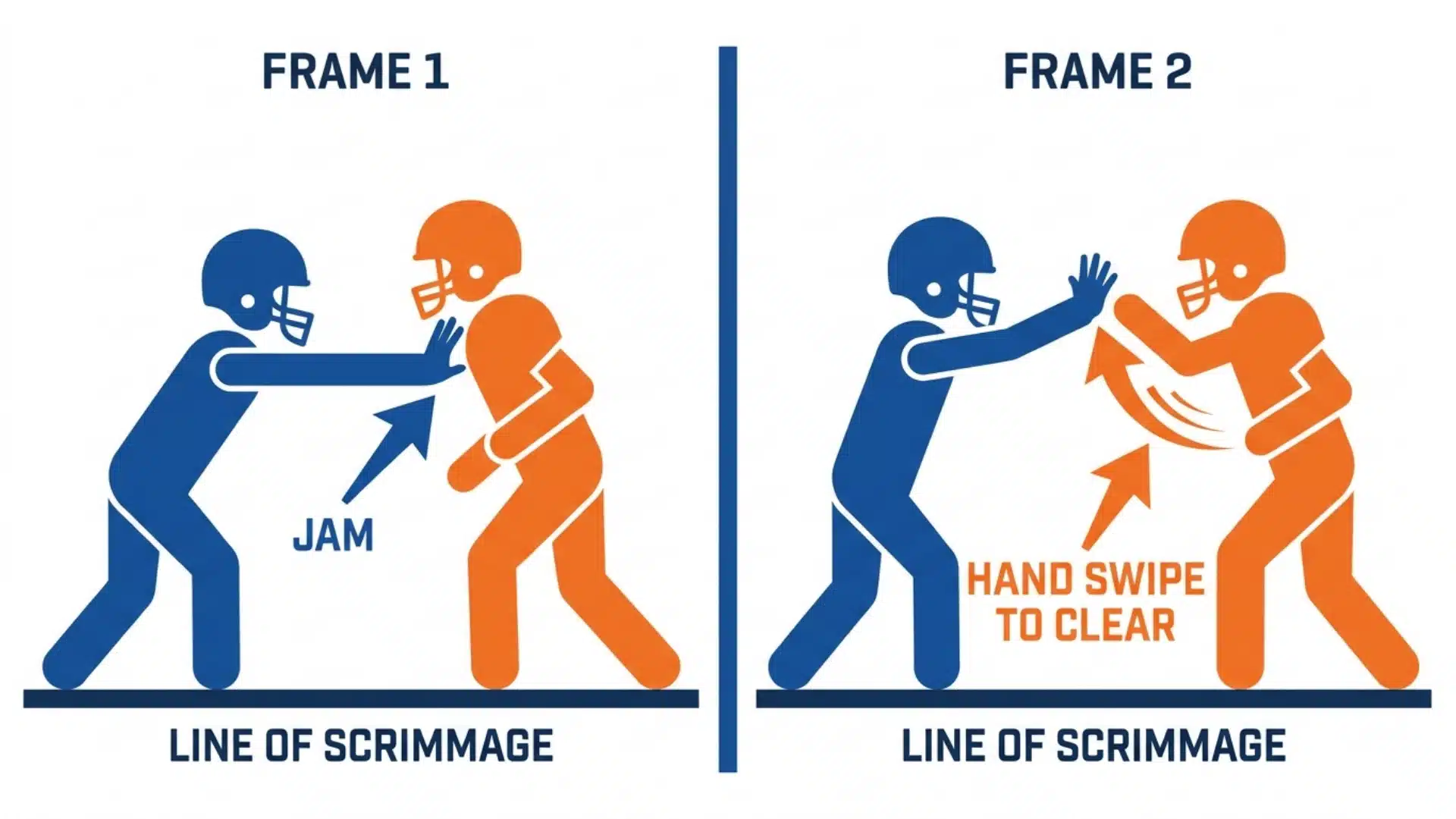
- Jam:a corner grabs or shoves the receiver at the line to throw off his timing
- Route tree: a numbering system coaches use to call routes quickly by number instead of name
- Slant-and-go:a route that fakes a slant break before pushing vertical instead
Frequently Asked Questions
What Angle Should a Slant Route Be Run At?
A slant route works best at a 45- to 60-degree angle. A skinny 30-degree cut leaves less room for the quarterback to throw into and makes the catch harder.
How Many Steps Before the Break on a Slant Route?
Most receivers take about three steps upfield before planting and breaking. Rushing the break early gets the route covered before the ball is even thrown.
What is the Difference Between a Slant And a Slant-and-Go?
A slant breaks across the field right away. A slant-and-go fakes that same break, then pushes vertical instead, aiming to catch a defender jumping the short route.
Why do Slant Routes Get Intercepted?
Most interceptions occur when the quarterback gains extra depth on the drop or the receiver breaks off too early, giving a linebacker time to sit in the throwing lane.